
This article dives into the differences between SOP (Small Outline Package) and SOIC (Small Outline Integrated Circuit) packaging in chip design. SOP shines in tiny, packed gadgets like phones because it’s small and has close-together leads. Meanwhile, SOIC is tougher and handles heat better, making it great for cars and factories. We’ll look at their shapes, how they perform, how they’re made, and where they’re used. Plus, we’ll see how DEEPETCH creates custom solutions for both. Finally, we’ll talk about what’s next for these packages in the fast-changing world of electronics.
As gadgets get smaller yet more powerful, semiconductor packaging has become super important. It protects the chip, connects it to the circuit board, and helps it work smoothly. Packaging lets electricity and signals flow properly. It also keeps the chip safe from bumps, heat, and the environment.
Surface-mount technology (SMT) has changed how electronics are made. It allows parts to be placed right on the board’s surface without drilling holes. This saves space and supports tiny devices. SOP and SOIC are two popular SMT packages. They look alike but have key differences that make each better for certain jobs.
SOP is built for small devices where saving space is a big deal. It has a boxy shape with gull-wing leads sticking out on both sides. These leads make it easy to place on boards using machines.
SOPs have leads spaced between 0.65 mm and 1.27 mm apart. This works well for boards that aren’t too crowded. They can have 8 to over 50 pins, depending on what the chip needs to do. The body is usually 3.9 mm to 15 mm wide.
SOPs are short in height, which is perfect for slim devices like smartwatches or earbuds.
SOPs are common in things like TV remotes, music players, and small microcontrollers. They’re great for factories that make lots of products quickly because they work well with automated machines.
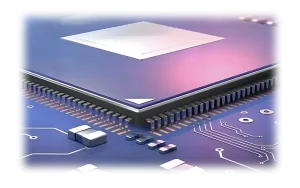
SOPs are small, cheap to make, and fit nicely with modern assembly methods. But they don’t handle heat as well as bigger packages with special cooling parts. Also, their close leads can make it tricky to pack components tightly on a board.
SOIC is like SOP but stronger, especially for heat and durability. It’s often picked for places where reliability beats the need for super-small size.
SOICs come in narrow-body (NB) versions, about 3.9 mm wide, and wide-body (WB) versions, up to 7.5 mm or more. This lets designers pick based on how much board space they have or how much heat the chip needs to release.
The leads are spaced from 1.27 mm to 0.635 mm apart. This gives a good mix of fitting many parts and being easy to solder.
SOICs are popular in factory control systems, car electronics, sensors, and power chips. They’re strong and handle heat well, which is key for complex boards where signals must stay clear.
SOIC spreads heat better because of its bigger size and wider lead spacing. This also reduces mistakes during soldering, which helps in big production runs.
But its larger size can be a problem for super-tiny devices where every bit of space counts.
Choosing between SOP and SOIC depends on a few technical points. Each affects how the device works, how it’s made, and how much it costs.
Both SOP and SOIC are box-shaped with gull-wing leads. But SOP has tighter lead spacing, down to 0.65 mm. SOIC usually sticks to 1.27 mm. Closer leads in SOP allow more parts on a board, but make soldering trickier. Before finalizing the footprint, engineers should verify the full package dimensions and PCB footprint rules rather than relying on pin count or nominal pitch alone.
SOIC’s taller height can help with airflow for cooling. However, it takes up more vertical space, which matters in thin or stacked designs.
Here’s the breakdown:
SOIC also helps keep signals clear, especially in circuits mixing digital and analog signals. Its larger size helps it cool better through the board or air.
Both work with SMT machines, but there are differences:
For huge production runs, SOP often wins because it uses less material, especially on boards designed to make many units at once.
DEEPETCH offers top-notch solutions for both SOP and SOIC. Their substrates ensure your chips work well, whether for small gadgets or tough industrial systems.
Item: Surface Finish
Design Spec: IT + SOP
DEEPETCH provides substrates that keep signals strong, prevent warping, and support tiny connections. This makes them perfect for modern assembly lines.
For small devices like wearables or smart home gadgets, Model A – SOP is ideal. It offers low-profile substrates that stay stable during soldering, perfect for tight layouts.
For projects needing strength, like car or factory systems, Model B – SOIC is a great choice. It has strong mechanical support and advanced heat management with bump structures from 20 to 120μm in diameter at a 179.78μm bump pitch.
Yes! DEEPETCH lets you tweak designs with tight tolerances, like ±12.5μm for SRO/Pad Misregistration and up to 10μm dimple specs. This helps you optimize for things like RF shielding or reducing unwanted electrical effects in fast circuits.
Your choice affects everything from board design to how long your product lasts.
SOPs’ close leads allow tight designs but need thinner traces, which can raise costs unless you use advanced methods like HDI. SOIC gives more space between leads but takes up more board room, which matters if space is tight.
SOIC is stronger against shaking or temperature changes due to its sturdy build. SOP works well, too, but might need extra protection, like coatings, if exposed to water or chemicals.
Both SOP and SOIC are well-established and widely available. But some versions might phase out sooner, depending on market shifts. Working with partners like DEEPETCH, who share clear product roadmaps, helps you plan.
2.3 Roadmap – FCBGA
Smaller devices, like medical implants or AI modules, keep pushing for tiny packages like SOP. Meanwhile, cars and factories need tough packages like SOIC for safety and reliability.
Advanced Packaging and Substrate Demand
Source: Prismark
DEEPETCH leads the way by blending classic packaging strengths with new tech, like multi-die stacking or embedded bridges.
CoWoS: 2.5D with latest versions using RDL and/or embedded bridge (LSI)
Q1: Can I mix SOP and SOIC on one board?
A: Yes! You can use both if your board design handles their sizes and electrical needs. This is common in boards with mixed functions.
Q2: Which is easier for hand soldering?
A: SOIC is usually easier because its wider leads reduce the chance of mistakes. SOP’s tighter leads need more skill and better tools.
Q3: Can these packages be fixed after assembly?
A: Both can be reworked with hot air tools. But SOP’s close leads make it riskier to accidentally connect pins during repairs.
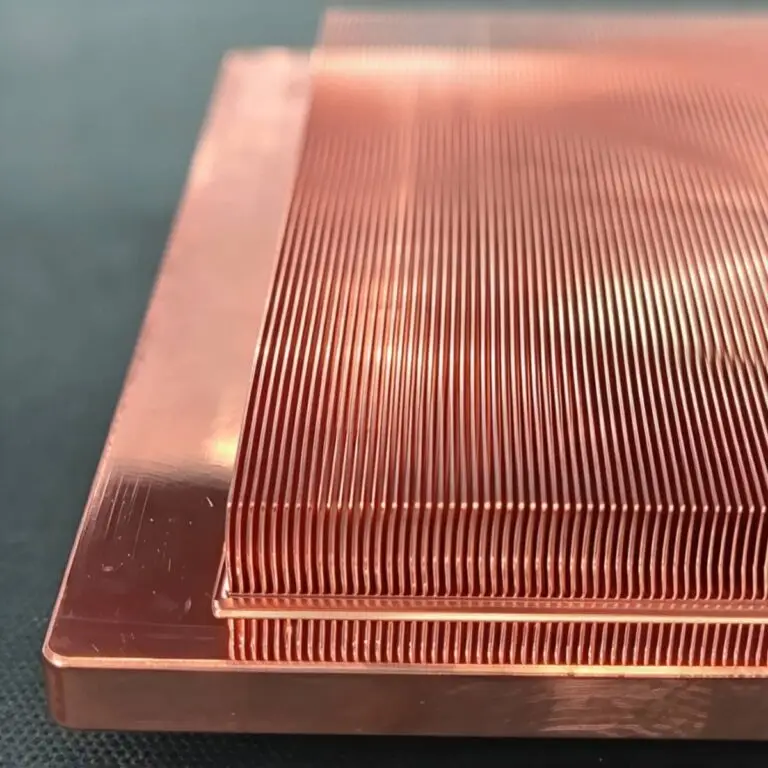
Diamond-Copper Thermally Conductive Composite. High thermal conductivity, tunable CTE, robust.
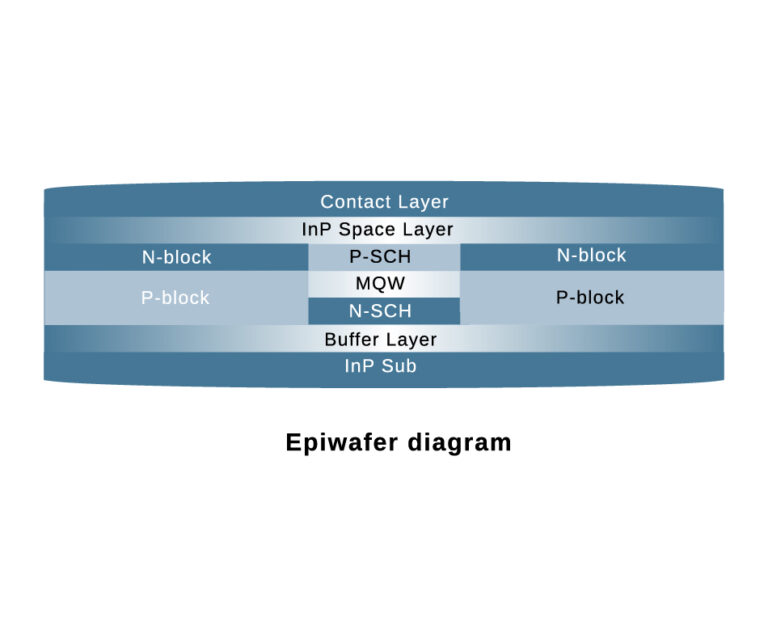
The DE-CW-1310 DFB EPI wafer, a high-performance epitaxial structure designed for distributed feedback (DFB) lasers operating at 1310 nm....
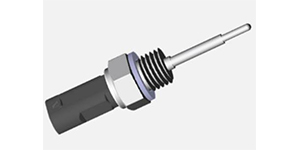
Ceramic thin-filmvacuum sensor Optical gas massflowmeter Liquid mass flowmeter Force sensor MEMS...
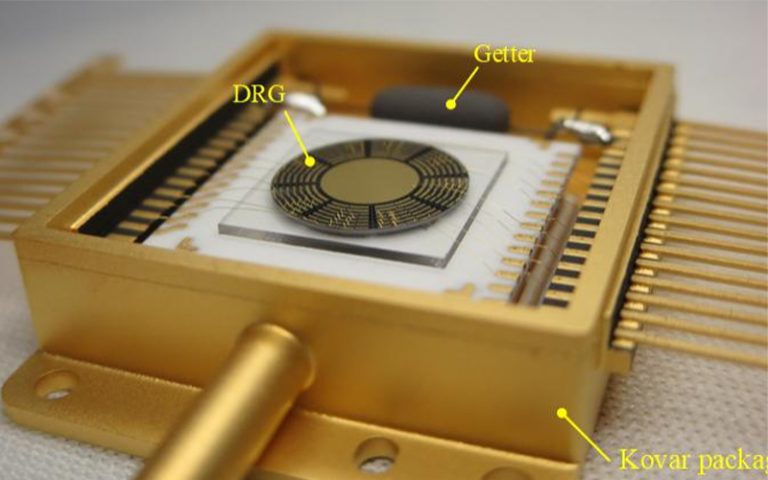
Photoelectric sensing chip Light source chips Optical transmission and modulationchips Optical detection and receptionchips...
Using a“Detach Core”which has two-layers carrier foil structure on the surface as a core, and forming...
Tenting process is a kind of subtractive process, the process as follows: Laminating photosensitive film...
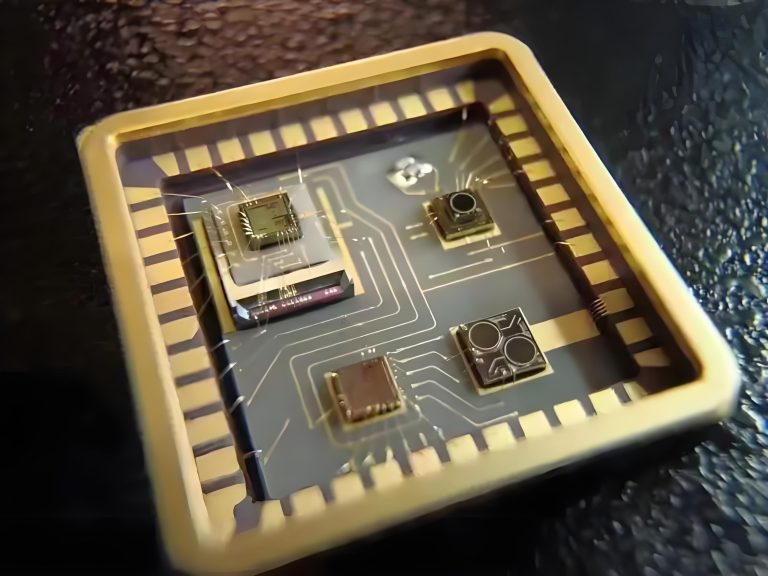
Modified Semi-Added Process abbreviated as mSAP, which can be used on the core or build-up layers, pattern...
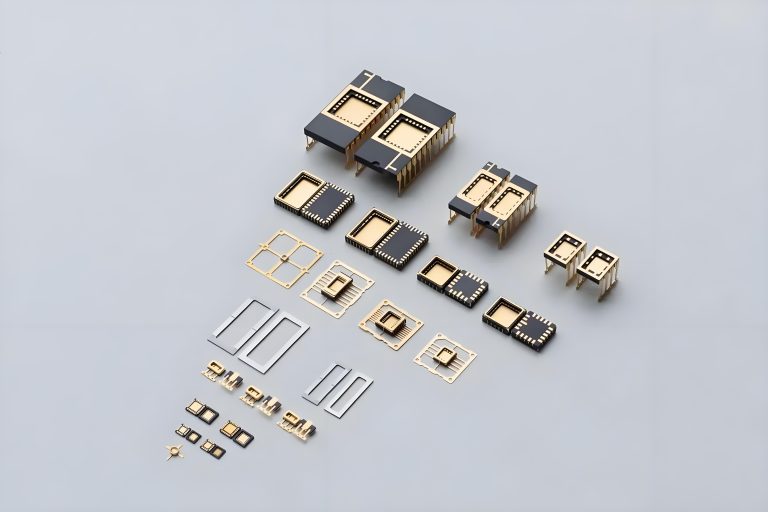
Semi-Added Process abbreviated as SAP, using on the build-up-layer pattern forming as follow:First depositing...
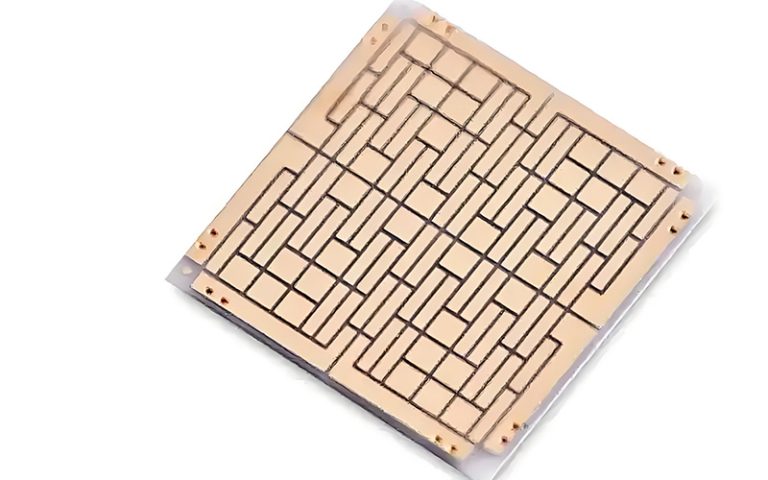
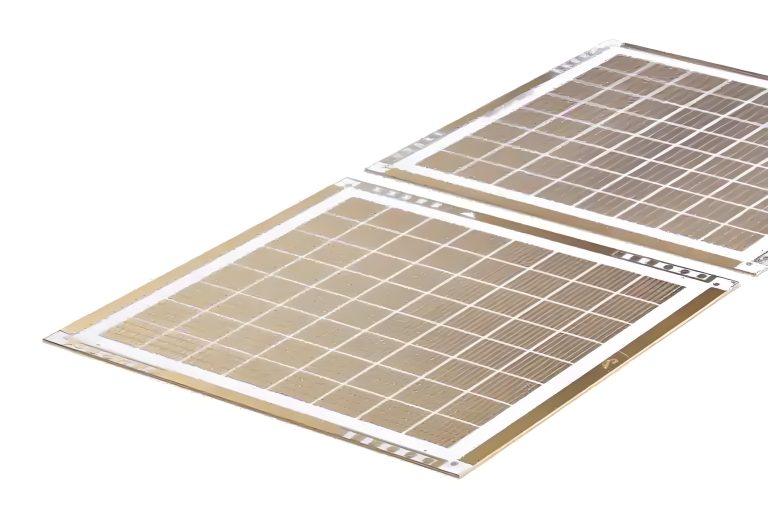
The product generally adopts the pressing lamination process of semi-curing sheets , and line formation...
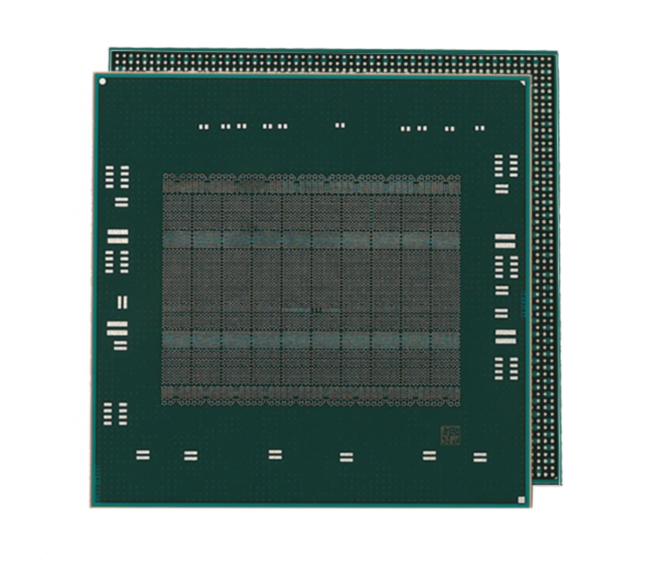
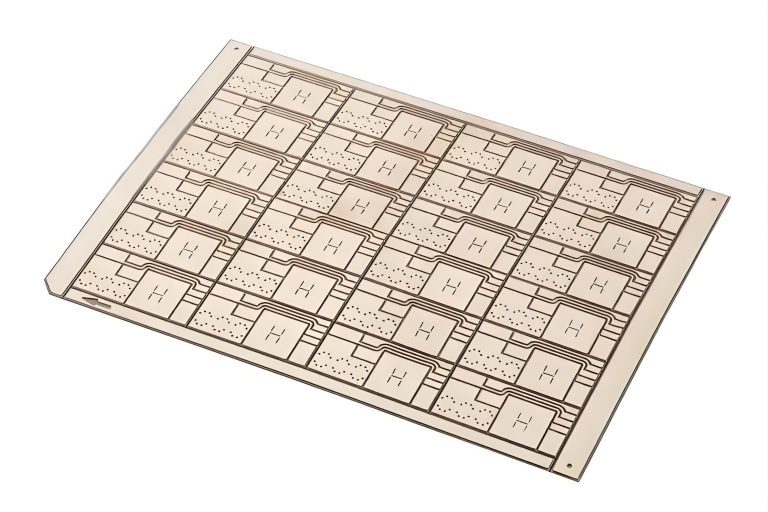
The products generally adopt the Build-up Film Lamination process, and the circuit formation uses the...