

Semiconductor materials are the core of modern gadgets. They specially carry electricity—not too much like metals, nor too little like glass. This makes them great for controlling electric flow in devices. They power small transistors, diodes, and complex chips that run everything from your phone to rockets in space.
Silicon is the most common semiconductor material. It has a nice bandgap of 1.12 eV, perfect for most electronics. It moves electrons and holes well, which helps make fast, reliable chips. But silicon isn’t the only choice. Other materials like gallium nitride (GaN), silicon carbide (SiC), and germanium are getting popular for specific jobs, like high-power or light-based tech.
Silicon has been the top pick for years. It’s cheap, easy to get, and fits well with known production methods. You can refine it from sand to a super pure level, over 99.9999999%. This makes it awesome for building chips for all kinds of industries. Its low price and ability to scale keep it number one.

But new tech needs, like those for strong devices or quick communication, have put other materials in the spotlight. SiC is a tough semiconductor material. It has a wide bandgap and handles heat well. It can take high voltages and temperatures better than silicon. GaN is another star. It moves electrons fast and works great for speedy signals or light-related uses.
Engineers are working to make semiconductor materials cleaner and less faulty. Single-crystal silicon has a smooth, solid structure. This gives it great electrical performance compared to rougher types. Such care is key as devices shrink to tiny sizes.

Another smart idea is Silicon on Insulator (SOI) technology. It uses a “silicon-insulator-silicon” setup to save energy and boost speed. SOI helps gadgets work well in low-power, high-speed, or even radiation-tough places, like space.
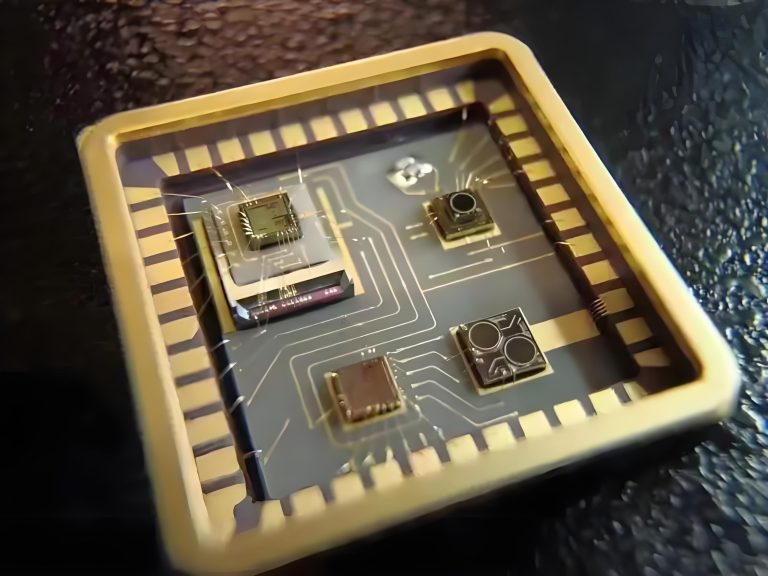
Almost every device you touch uses semiconductor materials. Your phone depends on logic chips made from super-pure silicon. Smartwatches have tiny MEMS sensors to track your steps or heart rate. These are built on a semiconductor basis. As gadgets get smaller but more powerful, we need materials that keep up with tiny designs without losing strength.
Electric vehicles (EVs) rely a lot on semiconductor materials. They manage batteries, motors, and power flow super efficiently. SiC shines here. It loses less energy when switching and works better than silicon. This means EVs can go farther on one charge. SiC is a must for their power systems.
The rise of 5G networks depends on materials like GaN and SiC. In 5G stations, SiC-based devices (like MESFETs) give ten times more power than older materials like gallium arsenide (GaAs). This leads to faster signals and less heat. It’s super important for setting up lots of small cells in busy cities.
No way. In smart factories powered by the Internet of Things (IoT), sensors made from semiconductor materials check things like temperature, pressure, or machine shakes right away. These materials work fast and tough, even in rough conditions. They’re key for modern automation.
Tiny flaws, even at the atomic level, can ruin a device or lower production success. That’s why companies spend big to make super clean, defect-free crystals. High-purity single-crystal silicon comes from special purifying steps. These are vital for top-notch electronics.
As chips get tighter and faster, they make more heat. This is a big problem. Wide bandgap materials like SiC help out. They stay steady at higher temperatures and voltages than silicon. Their great heat-handling skills keep devices working well.
Many advanced materials need rare elements or tricky steps to make. This can cause issues, like delays from global problems or strict eco-rules. These risks make it tough to keep a steady supply.
If you’re making cutting-edge chips or want better production without losing quality, check out DEEPETCH. They offer advanced etching solutions for today’s semiconductor needs. Their tools work on logic chips, MEMS sensors, and more. They etch with precision, even at super-small sub-micron levels. They handle materials like silicon (Si), gallium nitride (GaN), and silicon carbide (SiC).
Whether you’re building tiny wearable tech or tough car parts that handle heat, DEEPETCH helps you shrink designs while keeping power strong. Their tools fit easily into current production lines. They work for big manufacturing runs or small research projects.
Choosing the right material depends on a few things:
For example, carbon nanotubes or GaN might beat silicon in some ways. But they can cost more or be harder to use because their systems aren’t fully developed.
Picking a material isn’t just about its features. It’s about how it fits your setup. DEEPETCH’s etching tools let engineers work with different materials. They ensure precise patterns for tiny tech. Their know-how links new material discoveries with real-world production. This helps your designs meet tech and practical goals.
Scientists are exploring super-thin materials like graphene. These have amazing electrical traits at tiny sizes. They’re perfect for future small electronics. Germanium is also making a comeback. Its low bandgap and silicon compatibility make it great for quantum computing.
There’s also a push for eco-friendly materials. Researchers want options made from common elements or recyclable designs. This cuts down on environmental harm.
Companies like DEEPETCH, with smart manufacturing tools, will lead the way. Their etching solutions help engineers innovate now without cutting corners. This sets the stage for what’s next in tech.
Semiconductor materials aren’t just for gadgets—they’re big in renewable energy too. Solar panels use silicon cells to turn sunlight into power. These cells rely on silicon’s ability to catch light and make electricity. GaN and SiC are also used in wind turbines and power grids. They handle high voltages with less energy loss. This makes green energy cheaper and more practical, helping the planet.
Switching from silicon to materials like GaN or SiC isn’t easy. Silicon has a smooth production system, but newer materials need special tools or steps. For example, making high-quality SiC crystals is harder and pricier than silicon. Engineers must also figure out how to fit these materials into factories without slowing things down or raising costs.
Making semiconductors can harm the environment. Purifying silicon or getting rare elements for GaN uses lots of energy and water. Some steps even make harmful waste. As the world focuses on going green, engineers need to find better ways to produce these materials. This could mean recycling old chips or using less energy.
DEEPETCH is ahead of the game. Their etching tools work with all kinds of materials, from silicon to GaN and SiC. They help make chips with tiny, exact features. This is key for devices like fitness trackers that need small but strong chips. In research labs, DEEPETCH’s tools let you test new ideas without a big factory. This speeds up innovation, getting new tech to the market faster.
Beyond graphene and germanium, scientists are looking at materials like molybdenum disulfide. These could lead to flexible screens or wearable devices that move with your skin. Quantum computing is another exciting area. Materials like germanium or even diamond-based semiconductors might change how we process information.
Green materials are also a big deal. Researchers are working on bio-based semiconductors or ones that break down naturally. These could cut down on e-waste, a growing issue as we use more gadgets.
Picture phones that charge in minutes or EVs that go 500 miles on one charge. Imagine smart homes running on clean energy. These dreams rely on better semiconductor materials. Companies like DEEPETCH are making this possible by giving engineers tools to turn ideas into reality.
Q1: Why Is Silicon Still the Best Choice?
A: Silicon is still king because of its 1.12 eV bandgap, low cost, and strong production systems. It handles heat up to 1414°C. It also forms a natural insulating layer, key for CMOS processes.
Q2: Why Are Wide Bandgap Materials Great for EVs?
A: Materials like SiC handle high voltages and heat with less energy loss. This makes them perfect for small, powerful EV systems that boost driving range.
Q3: Can DEEPETCH Tools Work With Different Materials?
A: Yes! DEEPETCH’s etching solutions handle silicon, GaN, SiC, and more. They support everything from logic chips to MEMS sensors.
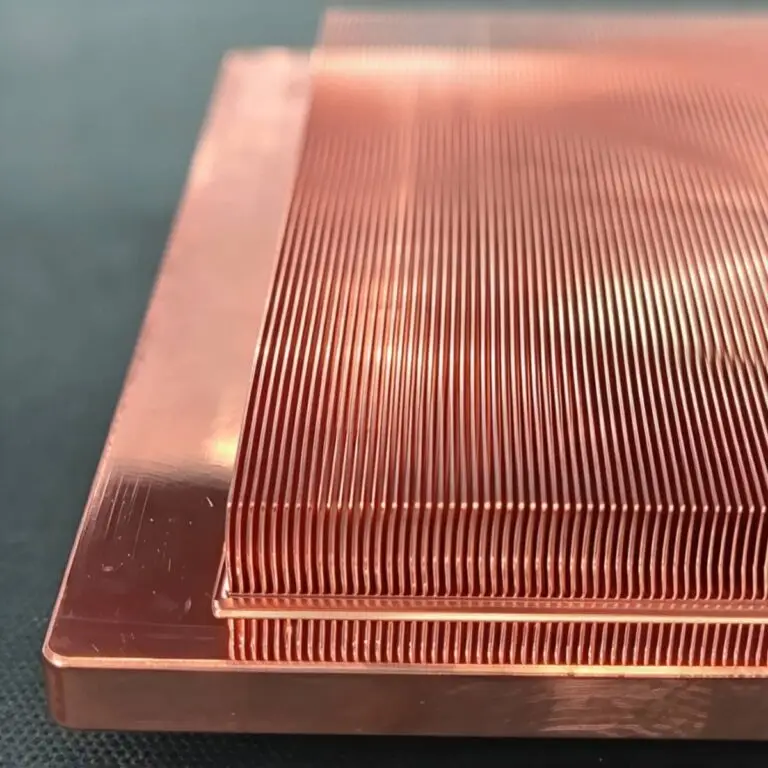
Diamond-Copper Thermally Conductive Composite. High thermal conductivity, tunable CTE, robust.
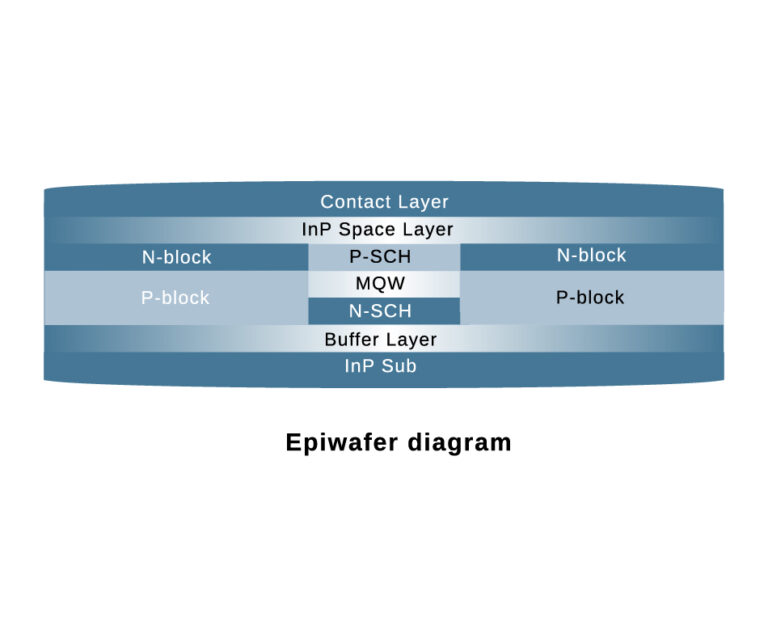
The DE-CW-1310 DFB EPI wafer, a high-performance epitaxial structure designed for distributed feedback (DFB) lasers operating at 1310 nm....
Ceramic thin-filmvacuum sensor Optical gas massflowmeter Liquid mass flowmeter Force sensor MEMS...
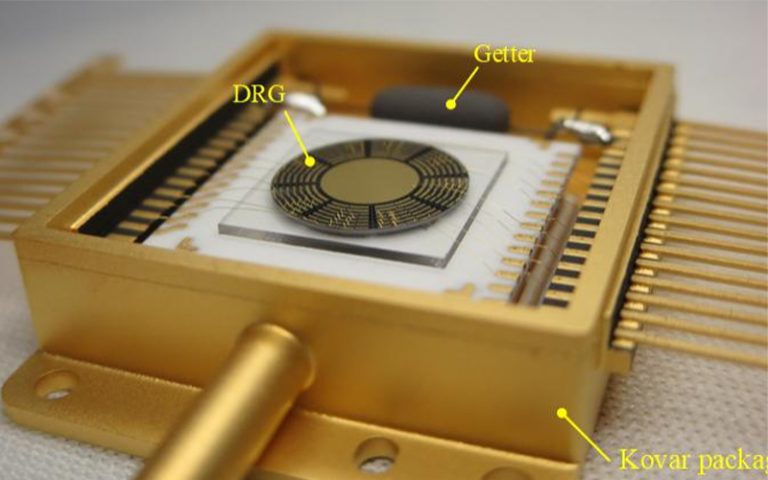
Photoelectric sensing chip Light source chips Optical transmission and modulationchips Optical detection and receptionchips...
Using a“Detach Core”which has two-layers carrier foil structure on the surface as a core, and forming...
Tenting process is a kind of subtractive process, the process as follows: Laminating photosensitive film...
Modified Semi-Added Process abbreviated as mSAP, which can be used on the core or build-up layers, pattern...
Semi-Added Process abbreviated as SAP, using on the build-up-layer pattern forming as follow:First depositing...
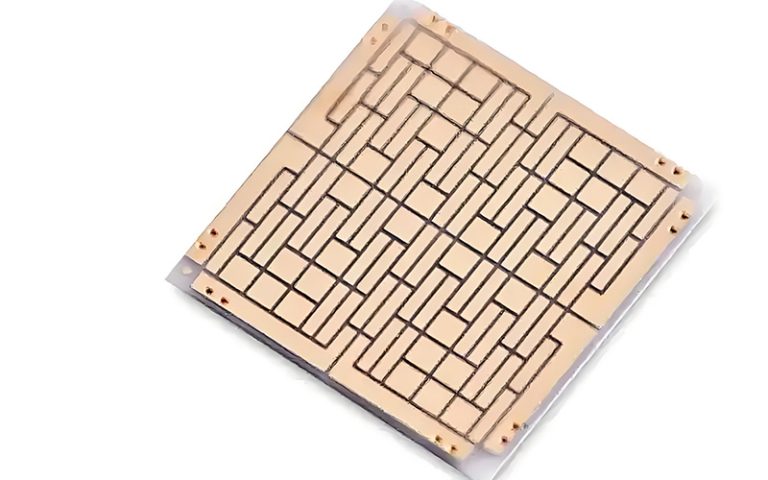
The product generally adopts the pressing lamination process of semi-curing sheets , and line formation...
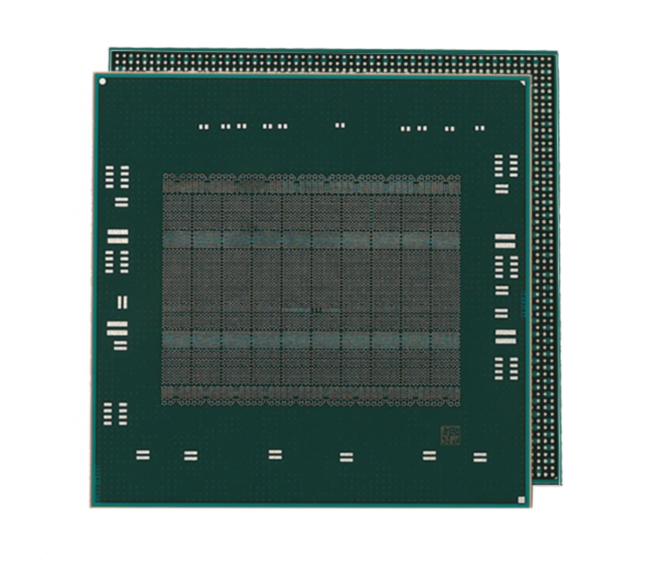
The products generally adopt the Build-up Film Lamination process, and the circuit formation uses the...