
Radar has long been a backbone of defense, weather tracking, and increasingly, automotive safety. The systems once depended on massive antennas spinning on towers or ships. Today, the trend is shifting toward compact, electronically steered arrays that deliver higher precision without the bulk. At the center of this transformation are TR transceiver modules. By combining transmit and receive functions into integrated units, these modules are changing how radar is designed, deployed, and maintained. This evolution matters because radar is no longer limited to specialized military use. Civil aviation depends on compact radars to monitor air traffic. Weather services rely on them to track storms in real time. Cars now ship with millimeter wave radar for collision avoidance. In each case, the demand is the same: smaller, more powerful, and more reliable radar systems. One company supporting this trend is DEEPETCH. With expertise in packaging substrates, it provides the technical base that radar modules need.
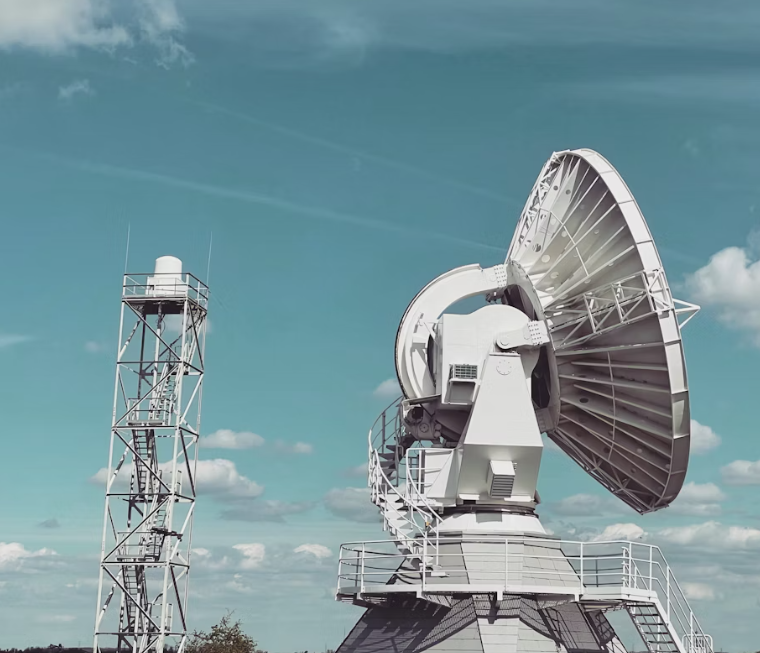
Traditional radar relied on bulky RF chains and mechanical scanning. TR modules replace those with compact blocks that manage both transmit and receive in one package. This shift reduces system weight, simplifies design, and allows architectures to scale for different applications.
By eliminating motors and gears, electronic beam steering provides near instant directional changes, critical for defense and automotive safety.
One compact unit handles both paths, reducing board size and simplifying system layout.
Modules can be tiled into arrays, giving systems the flexibility to track multiple objects with higher resolution.
Miniaturization is central to the adoption of radar in cars, drones, and portable defense systems. Smaller modules mean more deployment options and less demand on system resources.
The FCCSP Substrate of DEEPETCH offers a thin and small form factor package, helping radar units fit into tight spaces without sacrificing performance.
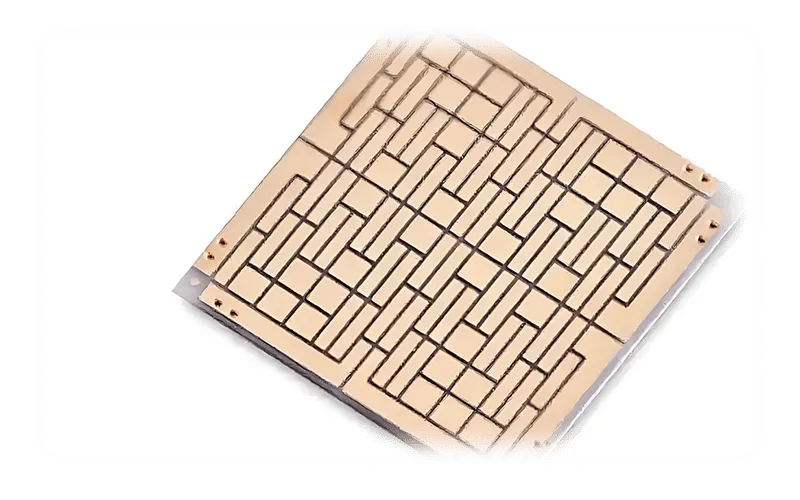
System in Package design combines processors, amplifiers, and control circuits into one substrate, reducing system size and improving electrical performance.
Smaller packaging means lighter payloads, saving fuel in aircraft and reducing power draw in vehicles.
As radar modules shrink, their power density increases. Managing heat, maintaining signal clarity, and supporting mission requirements all become harder.
High power creates significant heat. Without proper packaging, modules risk failure in long missions.
High frequency bands such as millimeter waves are sensitive to noise, so stable substrates are essential to maintain clear signals.
Defense radars track multiple fast-moving objects, and weather radars scan vast areas. Both require compact yet high power TR modules.
The choice of substrate is often invisible but vital. It determines whether a radar can meet its size, power, and frequency goals.
DEEPETCH’s FCBGA Substrate supports high layer counts and dense routing, enabling radar modules to integrate more functions in one package.
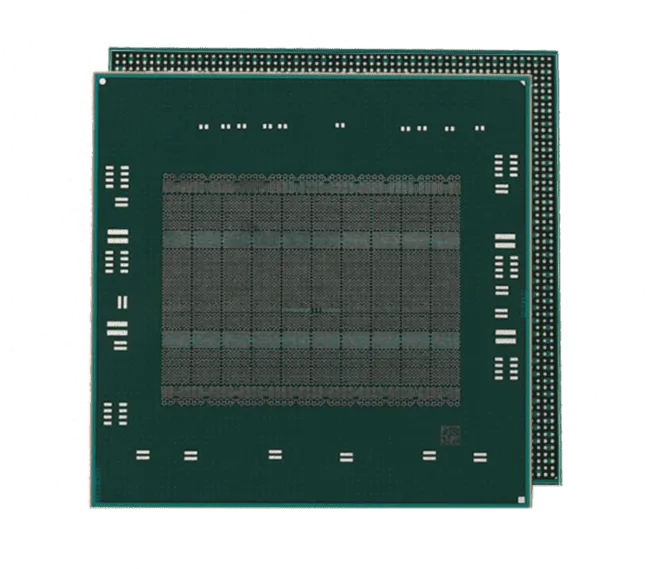
Low loss materials preserve millimeter wave signals, making it possible for radar to achieve long range and high resolution.
Radar often operates in extreme environments, from battlefield conditions to storm tracking. Substrates designed for durability are essential to long-term stability.
Legacy radar systems required heavy maintenance, complex calibration, and bulky mechanical scanning. TR modules reduce this burden while adding flexibility.
Beam shifts in milliseconds allow faster updates, a key advantage in fast-moving environments.
Functions that once required entire racks of equipment now fit inside compact TR modules.
Less mechanical wear means fewer breakdowns and reduced long-term costs.
Radar is not static technology. Automotive safety regulations push for higher resolution, defense systems require stronger power, and future 5G and 6G networks may merge with radar capabilities. Packaging must scale to meet these demands.
Larger substrates allow integration of more channels, directly improving radar imaging detail.
New materials improve heat transfer and frequency stability, extending module life.
The future lies in bringing digital processing and RF functions into one module, reducing latency and improving radar intelligence.
TR transceiver modules are the clearest path toward miniaturized and high power radar. They replace mechanical scanning with electronic control, cut weight, and allow for high density phased arrays. Their success depends on substrates that balance size, power, and reliability. DEEPETCH follows internationally recognized technical standards for advanced semiconductor packaging substrates. Its FCCSP enables compact high frequency packaging, FCBGA supports dense interconnects, and SiP points to a future of fully integrated radar modules. As radar continues to expand from defense into everyday cars and infrastructure, these packaging solutions will quietly shape how systems evolve.
Q1: What makes TR modules essential in phased array radar?
A: They combine transmit and receive paths, enabling electronic steering and scalable arrays.
Q2: How does miniaturization benefit automotive radar?
A: Smaller radar systems fit into limited vehicle space and improve energy efficiency.
Q3: What is the role of FCCSP packaging in radar modules?
A: FCCSP substrates support compact high frequency designs, reducing footprint while maintaining performance.
Q4: Why does radar require high density FCBGA substrates?
A: FCBGA substrates provide the routing capacity and reliability needed for high power radar modules.
Q5: How will SiP influence the next stage of radar packaging?
A: SiP will merge processing, RF, and control chips into one package, enabling smaller and smarter radar solutions.
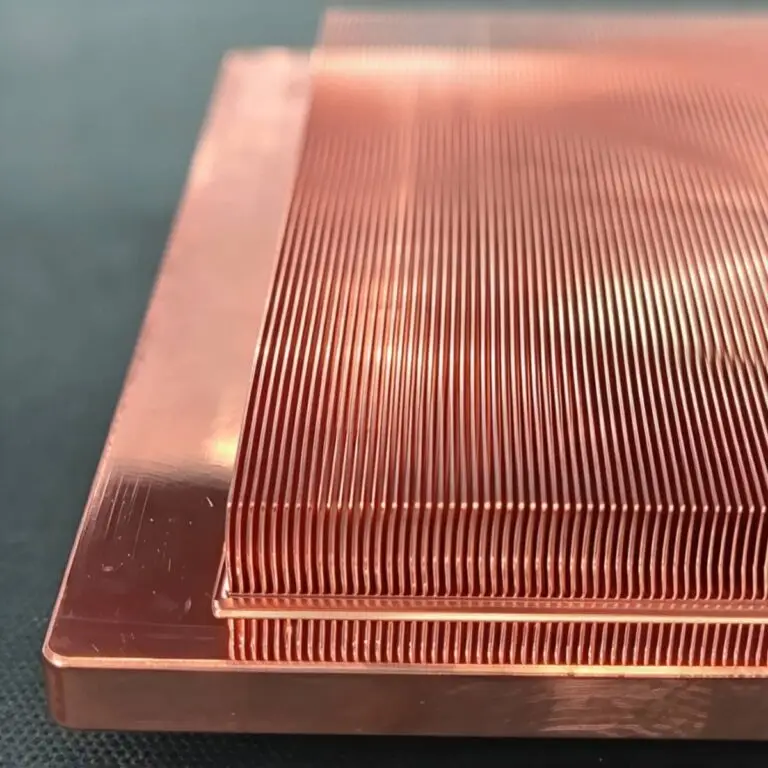
Diamond-Copper Thermally Conductive Composite. High thermal conductivity, tunable CTE, robust.
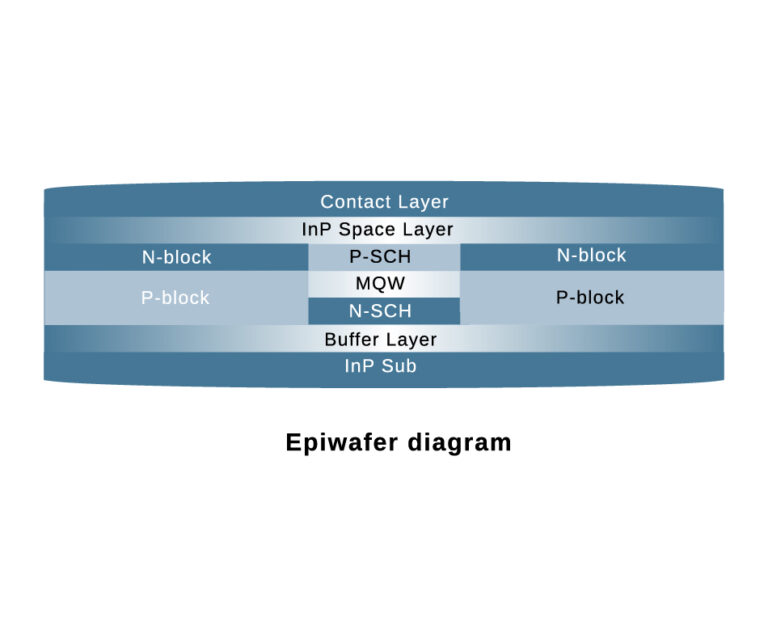
The DE-CW-1310 DFB EPI wafer, a high-performance epitaxial structure designed for distributed feedback (DFB) lasers operating at 1310 nm....
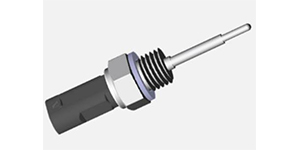
Ceramic thin-filmvacuum sensor Optical gas massflowmeter Liquid mass flowmeter Force sensor MEMS...
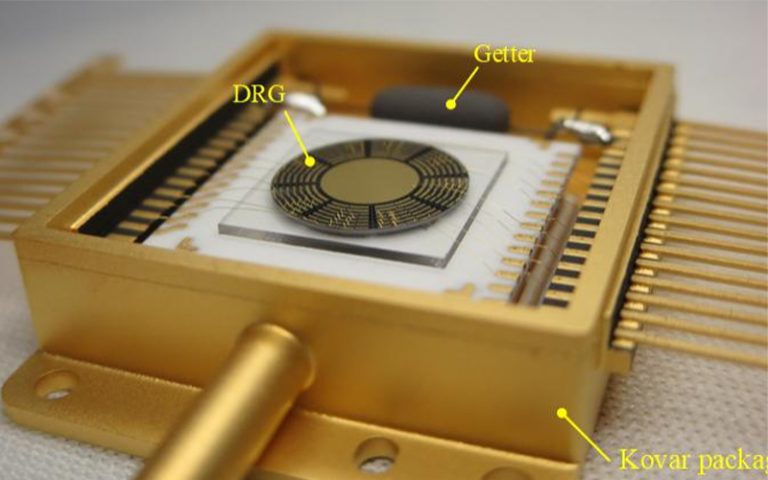
Photoelectric sensing chip Light source chips Optical transmission and modulationchips Optical detection and receptionchips...
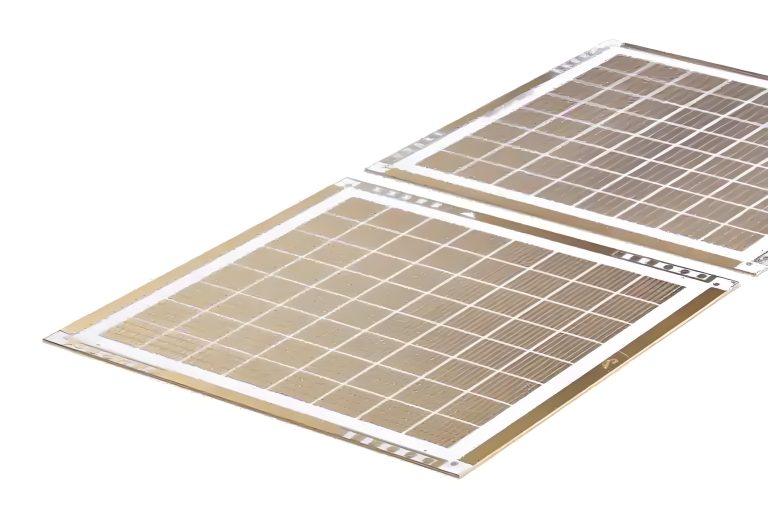
Using a“Detach Core”which has two-layers carrier foil structure on the surface as a core, and forming...
Tenting process is a kind of subtractive process, the process as follows: Laminating photosensitive film...
Modified Semi-Added Process abbreviated as mSAP, which can be used on the core or build-up layers, pattern...
Semi-Added Process abbreviated as SAP, using on the build-up-layer pattern forming as follow:First depositing...
The product generally adopts the pressing lamination process of semi-curing sheets , and line formation...
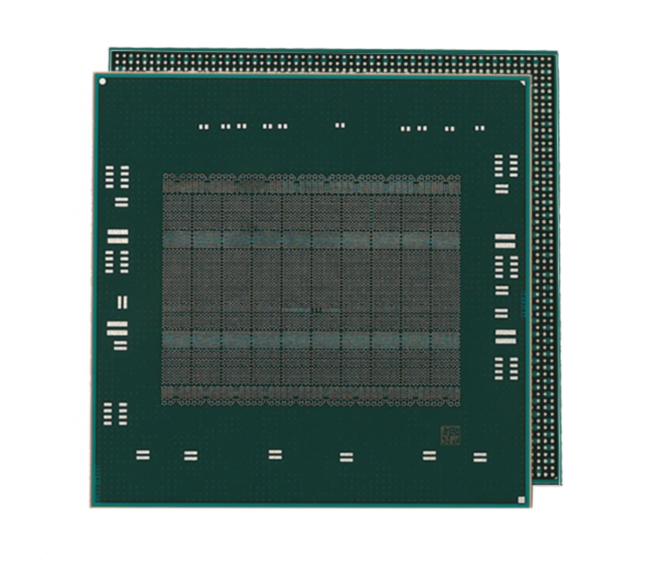
The products generally adopt the Build-up Film Lamination process, and the circuit formation uses the...