
Data centers power your digital world, from streaming videos to training AI models. Enter the optical speed revolution, where 800G Optical Transceivers and 1.6T Optical Transceivers deliver blazing-fast data transfer with minimal delays. DEEPETCH stands out as a semiconductor innovator since 2019. Their integrated device manufacturing (IDM) model, combines design and production for a secure supply chain. With expertise in high-reliability packaging for aerospace, automotive, and telecom, plus ready-to-ship chips, they deliver customized sensor and packaging solutions to keep your data center running smoothly.

Your data center faces relentless pressure to handle growing workloads. Optical communication, driven by high-speed transceivers, offers a way to meet these demands without breaking the bank. Traditional systems can’t keep up, and you need solutions that scale with AI, cloud, and 5G growth.
AI training and high-performance computing (HPC) push data centers to process terabytes per second. The knowledge base highlights that silicon-based technologies support high-throughput applications, like those in hyperscale facilities. Optical transceivers, such as 800G Optical Transceivers, provide the bandwidth you need to avoid bottlenecks during peak traffic.
Copper wiring struggles with modern workloads. It’s slow, power-hungry, and prone to signal loss over distance. The knowledge base notes that optical systems reduce power consumption by 20-50% compared to copper, helping you cut costs and maintain performance.
Optical solutions deliver higher speeds and better scalability. With 800G Optical Transceivers, you get 800Gbps throughput, perfect for short-range server connections. These systems also support longer distances with less signal degradation, keeping your network robust as it grows.
These transceivers hit 800Gbps, ideal for AI-driven tasks like machine learning inference. The knowledge base mentions MEMS optical sensors, which monitor signal clarity in transceivers, ensuring your data flows without hiccups, even during heavy workloads.
Power bills are a real pain point. 800G Optical Transceivers use advanced modulation (like PAM4, noted in the knowledge base) to cut energy per bit compared to 400G models. This means lower operating costs and less strain on your cooling systems.
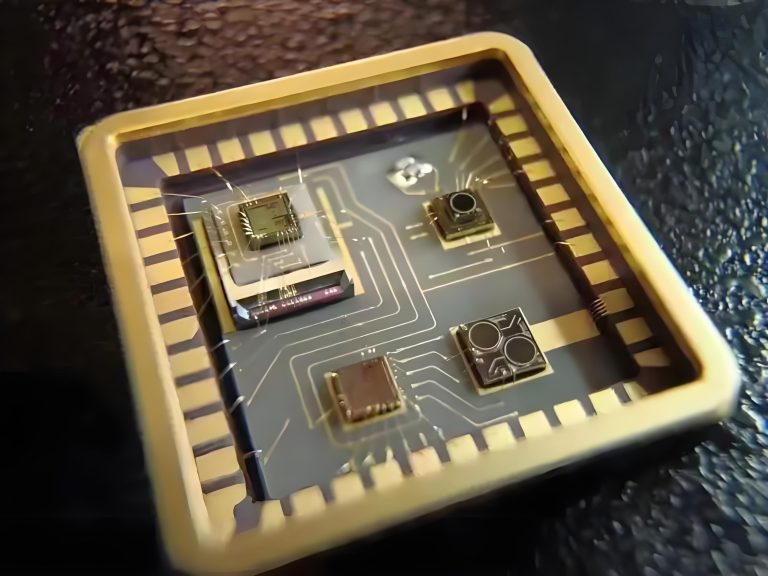
Ceramic packaging, like Ceramic Leadless Chip Carrier Housing (CLCC), supports these transceivers. The knowledge base highlights CLCC’s durability in harsh environments, ensuring your 800G systems stay reliable under constant use.
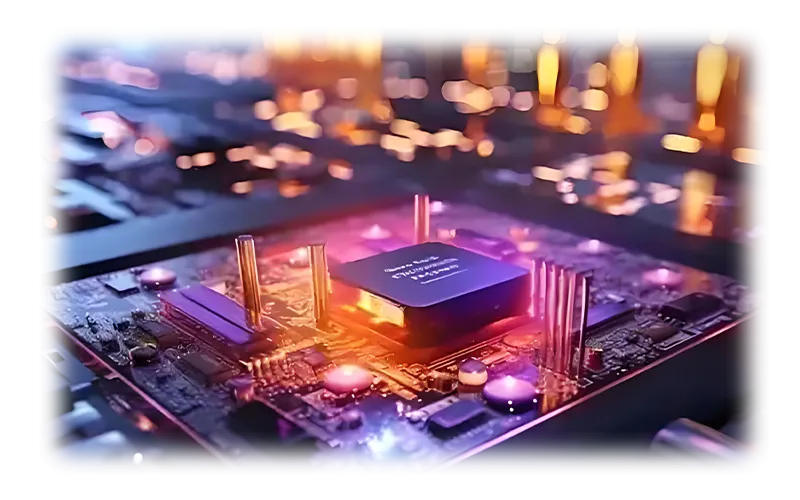
Looking ahead, you need solutions that won’t become obsolete in a few years. 1.6T Optical Transceivers, with their 1.6Tbps capacity, are built for tomorrow’s hyperscale data centers, keeping you competitive.
These transceivers double the speed of 800G models, handling massive data for AI clusters. The knowledge base describes silicon photonics, a technology behind 1.6T performance, enabling you to process huge datasets without slowdowns.
Silicon-based waveguides and modulators, mentioned in the knowledge base, form the backbone of 1.6T Optical Transceivers. They integrate seamlessly with your existing infrastructure, reducing upgrade costs.
Your data center must grow with demand. 1.6T Optical Transceivers support high-density setups, as noted in the knowledge base’s discussion of 3D stacking, letting you expand without overhauling your network.
Your equipment needs to withstand constant operation and heat. Advanced packaging, like Pottery and Porcelain SOP and CLCC, ensures your optical transceivers perform reliably, no matter the conditions.
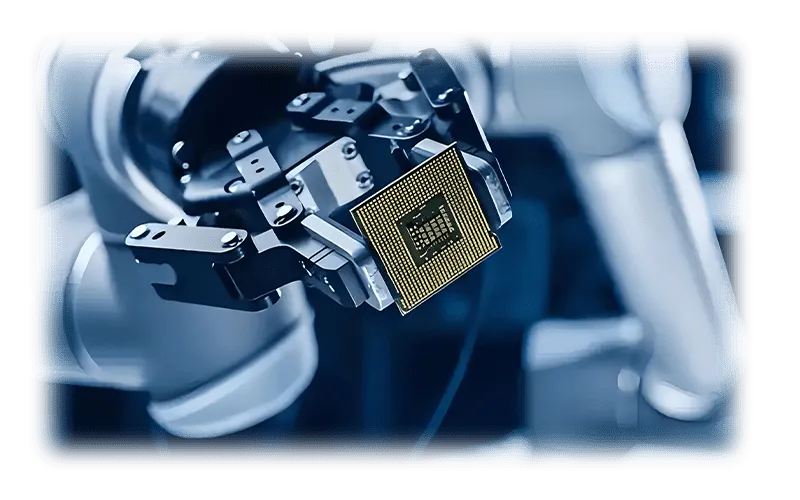
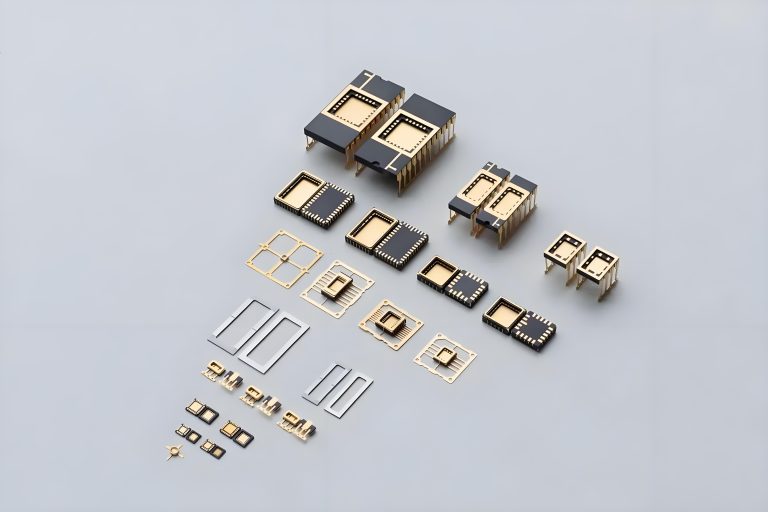
Pottery and Porcelain SOP, with ±6μm accuracy (per the knowledge base), protects delicate components in 800G Optical Transceivers. Its ceramic build resists stress, keeping your systems running smoothly.
Data centers get hot, fast. CLCC’s design, detailed in the knowledge base, dissipates heat effectively, preventing failures in 1.6T Optical Transceivers during peak loads.
Harsh environments, like telecom hubs, demand tough components. The knowledge base emphasizes ceramic packaging’s stability, ensuring your optical systems maintain uptime for critical applications.
You want your network to stay stable under pressure. Sensor chips monitor and adjust optical signals, keeping your 800G and 1.6T Optical Transceivers performing at their best.
MEMS optical sensors, as per the knowledge base, track light pulse strength in transceivers. This catches signal drifts early, so you avoid data loss and maintain smooth operations.
Temperature swings can disrupt fibers. The knowledge base lists sensors (operating -40°C to 125°C) that detect changes, helping your systems adapt to heat spikes without errors.
These chips fit seamlessly into optical transceivers, supporting both 800G and 1.6T models. Their versatility, noted in the knowledge base, ensures compatibility across your network layers.
Your business needs cost-effective, reliable solutions to stay ahead. Optical technologies, backed by advanced packaging and sensors, deliver measurable advantages for your bottom line.
The IDM model, described in the knowledge base, allows tailored components like Pottery and Porcelain SOP. You get solutions that match your exact needs, reducing design conflicts.
Stocked chips, as listed in the knowledge base, mean faster delivery. You avoid supply chain delays, keeping your data center projects on track.
Experience in aerospace and telecom, per the knowledge base, ensures high-quality components. Your optical applications benefit from proven reliability in demanding fields.
You’re planning for the future, and optical communication is evolving fast. Emerging trends will shape how your data center handles tomorrow’s challenges.
By 2026, 1.6T Optical Transceivers will become standard, per industry forecasts in the knowledge base. You’ll handle larger workloads with fewer components, saving space and costs.
Integrating optics closer to processors boosts speed, as noted in the knowledge base. Your systems will see better performance with less latency.
AI and edge nodes demand real-time data transfer. Optical solutions, like 800G Optical Transceivers, keep your network efficient, no matter the workload.
Q1: How do sensor chips improve 800G Optical Transceivers?
A: They monitor signal clarity and stabilize performance under heat stress.
Q2: What makes 1.6T Optical Transceivers future-ready?
A: Their 1.6Tbps capacity supports hyperscale AI and cloud workloads.
Q3: How can customized components save costs?
A: Tailored solutions reduce redesign expenses and fit your system’s growth.
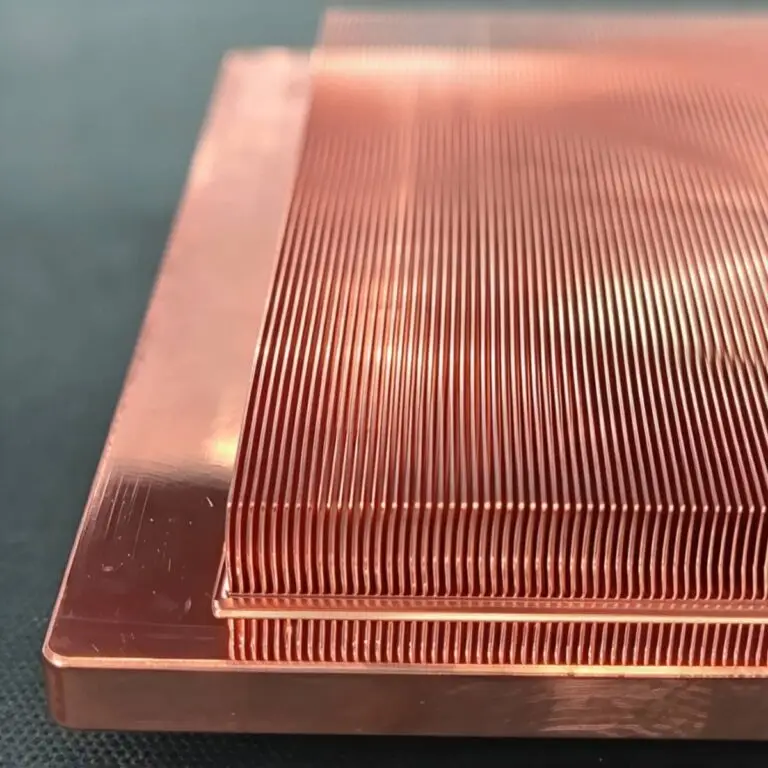
Diamond-Copper Thermally Conductive Composite. High thermal conductivity, tunable CTE, robust.
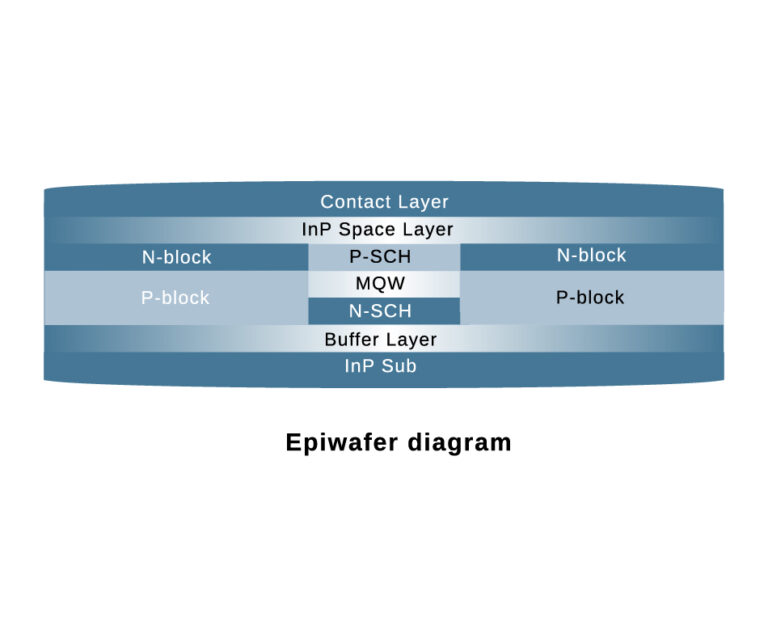
The DE-CW-1310 DFB EPI wafer, a high-performance epitaxial structure designed for distributed feedback (DFB) lasers operating at 1310 nm....
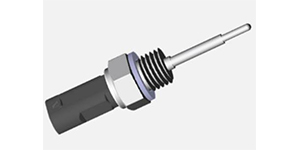
Ceramic thin-filmvacuum sensor Optical gas massflowmeter Liquid mass flowmeter Force sensor MEMS...
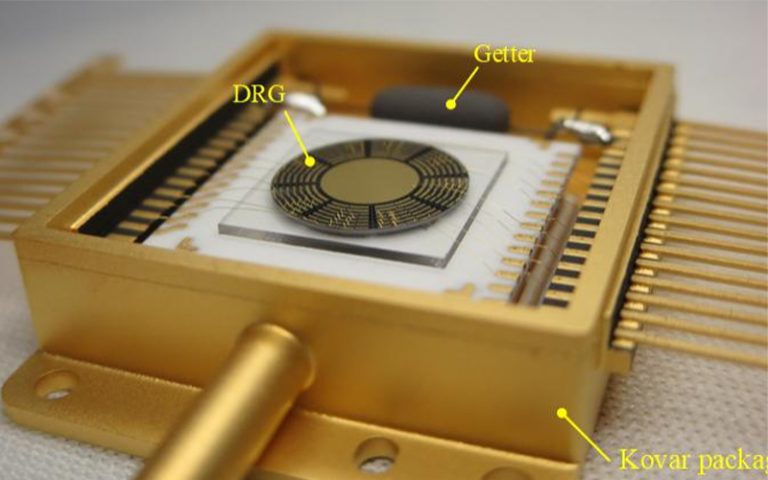
Photoelectric sensing chip Light source chips Optical transmission and modulationchips Optical detection and receptionchips...
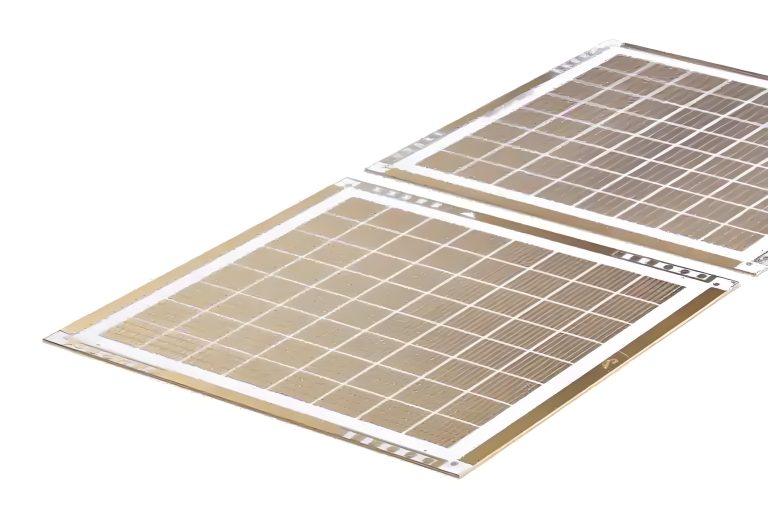
Using a“Detach Core”which has two-layers carrier foil structure on the surface as a core, and forming...
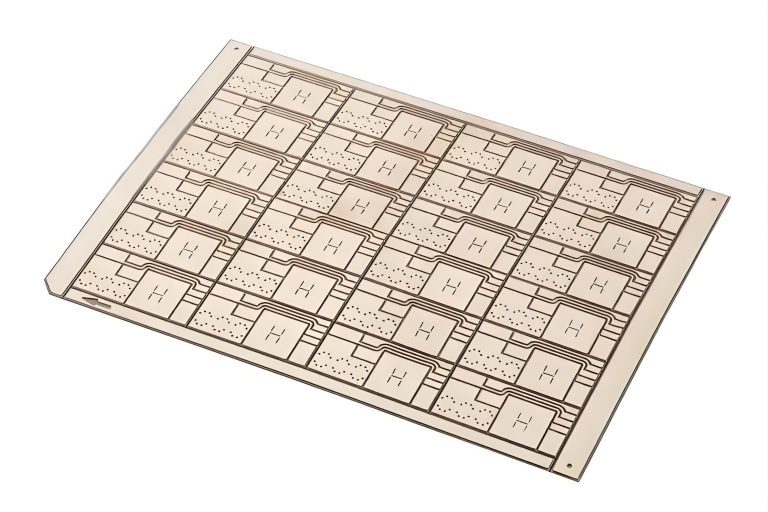
Tenting process is a kind of subtractive process, the process as follows: Laminating photosensitive film...
Modified Semi-Added Process abbreviated as mSAP, which can be used on the core or build-up layers, pattern...
Semi-Added Process abbreviated as SAP, using on the build-up-layer pattern forming as follow:First depositing...
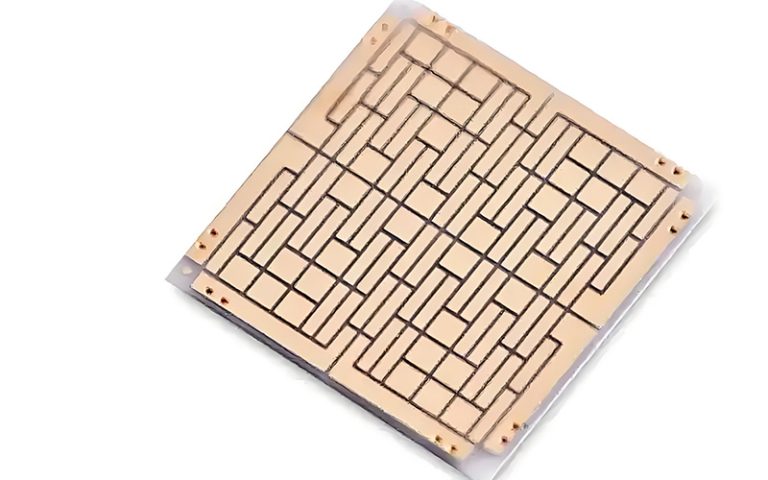
The product generally adopts the pressing lamination process of semi-curing sheets , and line formation...
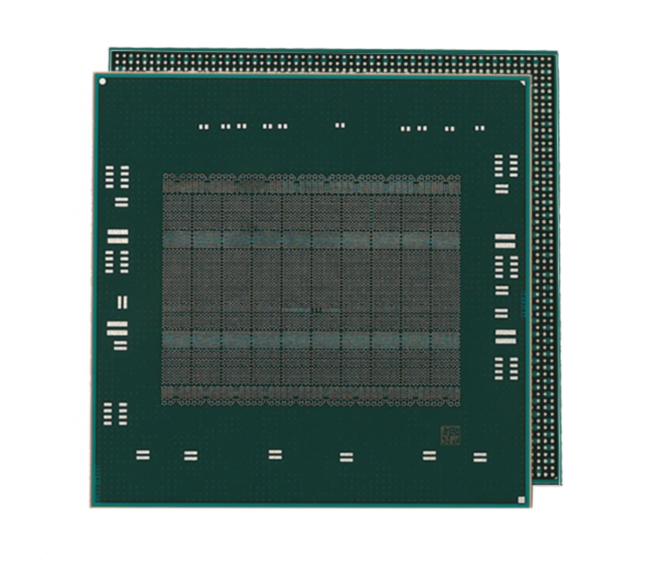
The products generally adopt the Build-up Film Lamination process, and the circuit formation uses the...