
Data centers are changing fast. The pressure to move more data every second is relentless, and every new wave of cloud traffic or AI workload pushes your network closer to its limits. Picking the right transceivers is no longer a minor choice—it decides how smoothly your systems scale and how much downtime you avoid. One company that often stands out when talking about long-term planning is DEEPETCH. This semiconductor specialist runs full IDM operations, from material development to final packaging, and has its own in-stock chip supply lines for faster deployment. With decades of experience in advanced packaging, the team has built equipment that supports precise ceramic assemblies and high-density layouts.

Choosing a transceiver starts with knowing what is pushing your bandwidth growth. This is not just about adding more links—it’s about how fast traffic is rising and how much space and power you can spare.
AI clusters now move petabytes per day between servers. This creates bursts that older 100G or 200G transceivers cannot handle without congestion. Higher-rate modules let you move bulk data between GPUs or storage racks without waiting in queues, which matters when training large models that never pause.
Network upgrade cycles that once took five years now happen in under three. That shorter window means the transceivers you buy today must leave headroom for the next jump. Selecting models that can support higher symbol rates keeps you from ripping out infrastructure early.
More bandwidth means more heat. Dense server racks often run near their thermal ceiling already. Transceivers with better thermal profiles reduce cooling strain and free space for extra compute blades without risking thermal shutdowns.
Speed tiers are not just labels. Each comes with its own signal integrity limits, power demands, and latency behavior, so picking the right one affects daily operations.
400G modules fit most top-of-rack connections, handling steady flows without pushing heat too high. 800G transceivers nearly double throughput in the same space but need tighter signal control and better airflow. For rack-to-rack backbones, 800G is now the common choice.
1.6T modules are showing up in testbeds and a few hyperscale deployments. They carry huge bandwidth but run hot, with very small link budgets. They also demand cleaner clock recovery, which means your host boards must handle tighter jitter specs.
Latency can kill workloads like live video analysis. Higher-rate modules cut latency only if your switching fabric keeps up. A mismatch can give you higher bandwidth on paper but slower response in practice, something many operators have seen firsthand.
Form factor decides how many modules you can fit per rack unit, and how hard it will be to cool them. This choice can block future upgrades if done poorly.
QSFP-DD and OSFP fit dense switches well. Both can run 400G or 800G links, but OSFP has slightly more surface area for cooling. In tight spaces, that extra thermal margin matters.
COBO places optics directly on the board, removing pluggable cages. It reduces insertion loss but locks the module to the board. That makes it ideal for fixed high-throughput systems where space trumps serviceability.
Each form factor sheds heat differently. Modules that sit further from the host board often cool better. If your racks already run hot, picking a format with lower thermal resistance is safer than adding more fans later.
Material choice often gets less attention than speed, but it decides how well your transceivers survive years of thermal cycles and vibration.
Diamond substrates carry heat away nearly five times faster than silicon. Using diamond reduces thermal stress on the solder joints inside high-power modules, which can extend their lifespan in hot racks.

Silicon And Germanium (SiGe) offers higher electron mobility than pure silicon. In transceiver drivers and amplifiers, this gives stronger signals at high speeds, keeping bit error rates low even when cables run near their loss limits.
CBGA packaging resists warping during thermal cycles. That stable geometry protects solder joints, which is vital when modules are constantly heated and cooled as traffic spikes.
Packaging is more than a box. It aligns the chips, lenses, and fibers that make light signals move, and even a few microns of error can cause failures.
Micro-bumps and waveguides must line up to within microns. If they drift during bonding, optical loss rises and signals fade early. Automated vision-guided tools cut this risk in volume production.
Manual assembly can vary from unit to unit. Automated bonding applies the same pressure and temperature each time, which reduces cracks in dies and keeps yields stable over large batches.
Real-time inspection systems watch every unit as it’s built. They catch voids, misalignments, or delamination before the module leaves the line, saving you from hidden failures later.
Planning for bandwidth growth takes more than picking a module from a catalog. It needs suppliers who can back you through design changes and urgent scale-ups.
Because DEEPETCH runs full IDM operations, it can deliver substrates, chips, and packaging as one package. This smooths your shift from pilot builds to mass production.
With stocked chip inventories, the company can ship key components fast, cutting lead times during sudden scale-ups. This is critical during seasonal traffic surges or unexpected demand spikes.
They also design packaging platforms that fit multiple form factors, so you can run CoWoS, CBGA, and other styles on the same line. That flexibility keeps your factory layout from bottlenecking growth.
Deployment is only the start. Watching the right metrics keeps small faults from growing into network outages.
Checking your power budget monthly helps catch connector wear or fiber bends early. Even a 1 dB drift can cause flapping links in dense fabrics.
Live BER logs show how well your transceivers handle noise. Pairing them with latency dashboards shows if errors are delaying packets, which can expose hidden congestion.
Watching thermal drift patterns lets you spot modules that are aging. Rising idle temperatures usually mean solder fatigue, giving you a heads-up before failure.
Q1: How often should data centers upgrade transceivers to match bandwidth growth?
A: Most upgrade cycles are now two to three years, shorter if your workloads are AI-heavy.
Q2: How can modular packaging speed up future transceiver upgrades?
A: Modular packaging lets you swap only the module while keeping the host board in place.
Q3: What makes DEEPETCH a reliable partner for long-term growth plans?
A: They offer IDM-based supply, stocked parts, and packaging expertise that support fast scale-ups.
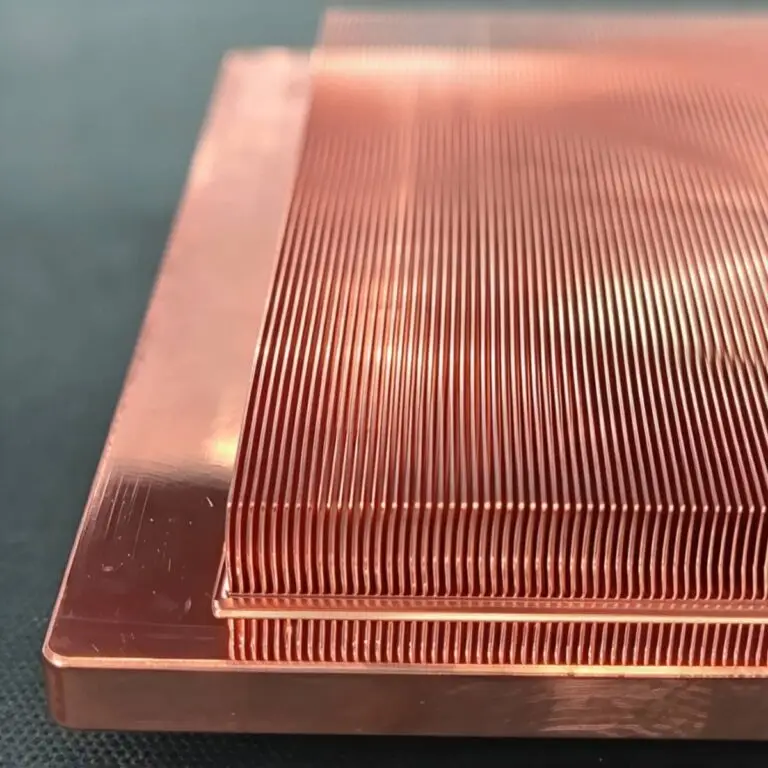
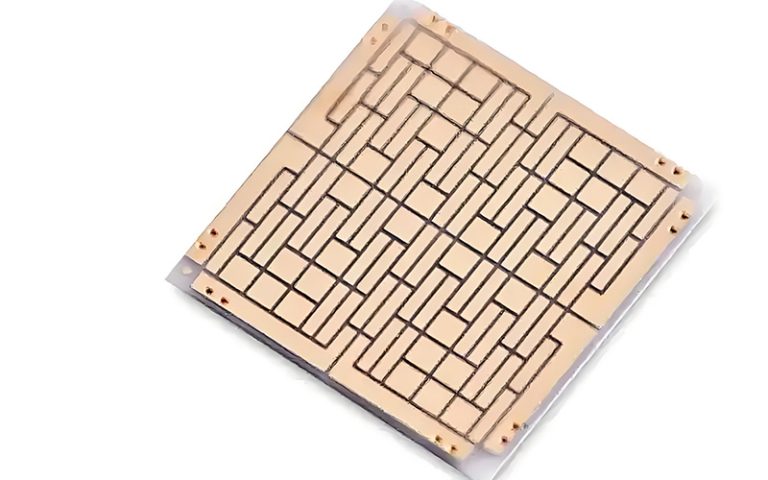
Diamond-Copper Thermally Conductive Composite. High thermal conductivity, tunable CTE, robust.
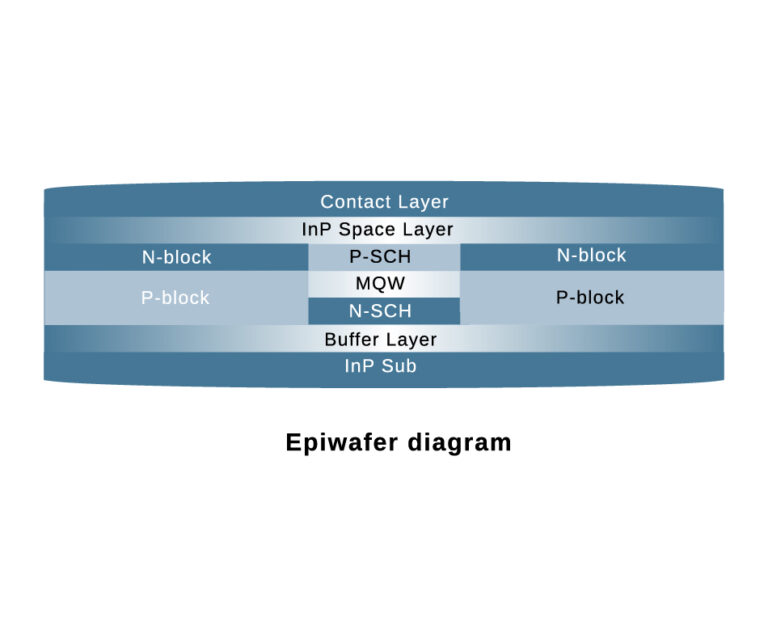
The DE-CW-1310 DFB EPI wafer, a high-performance epitaxial structure designed for distributed feedback (DFB) lasers operating at 1310 nm....
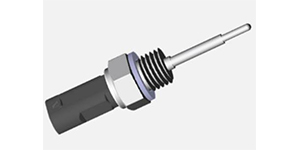
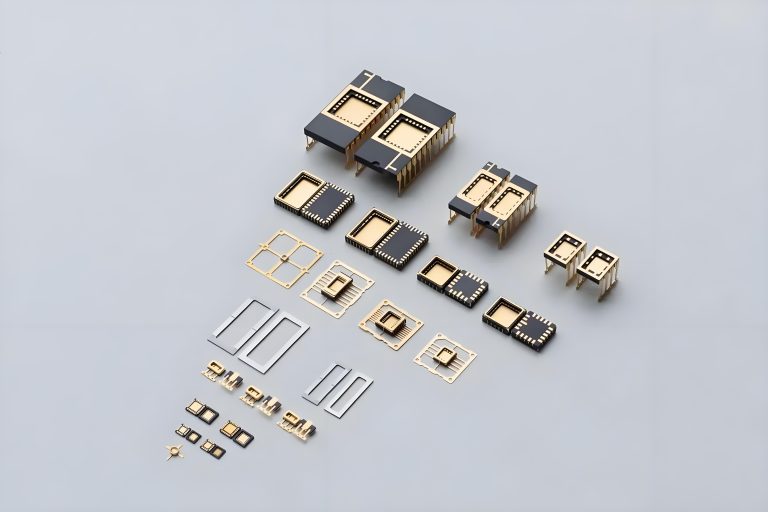
Ceramic thin-filmvacuum sensor Optical gas massflowmeter Liquid mass flowmeter Force sensor MEMS...
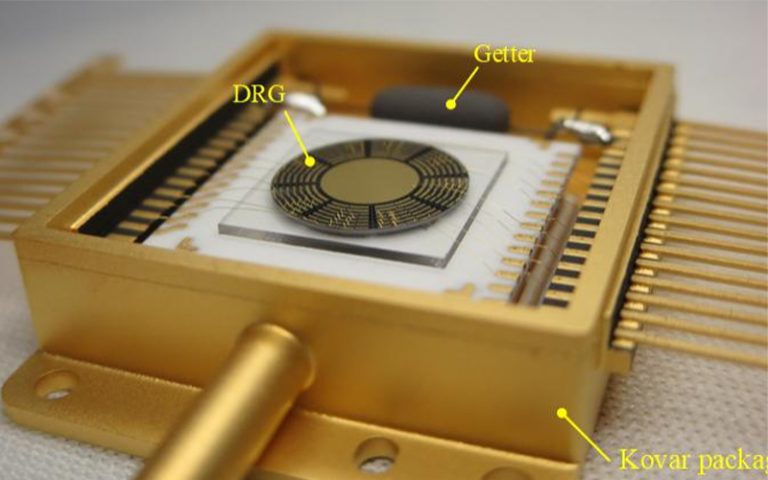
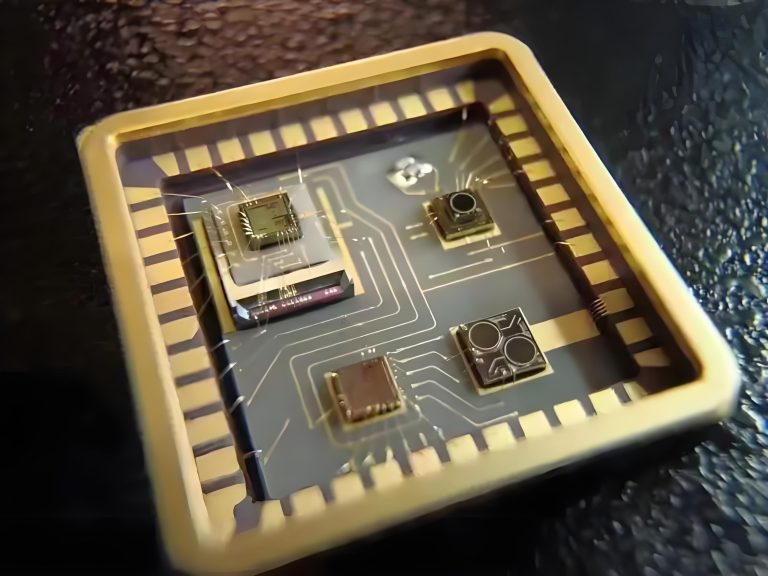
Photoelectric sensing chip Light source chips Optical transmission and modulationchips Optical detection and receptionchips...
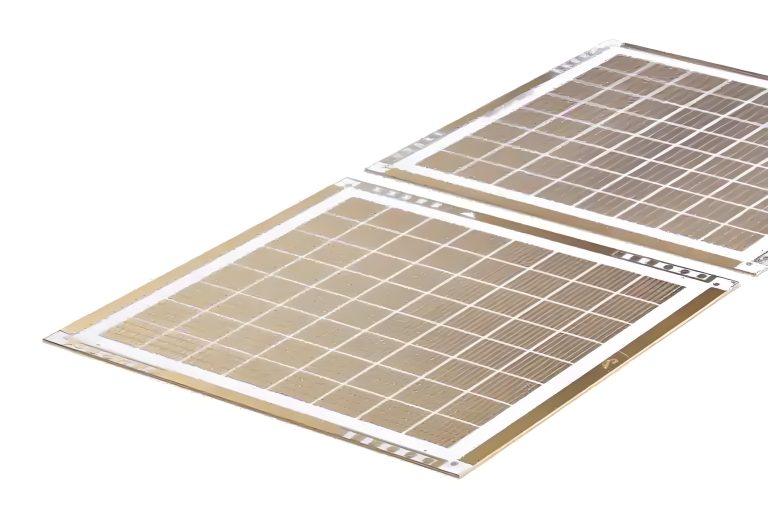
Using a“Detach Core”which has two-layers carrier foil structure on the surface as a core, and forming...
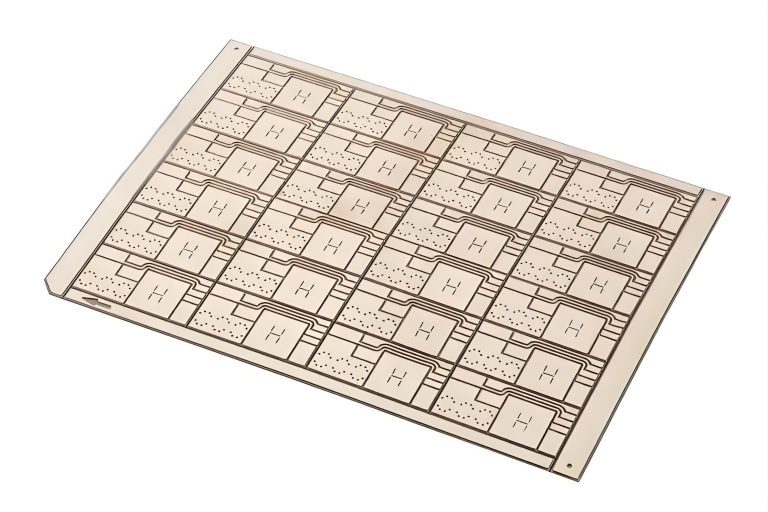
Tenting process is a kind of subtractive process, the process as follows: Laminating photosensitive film...
Modified Semi-Added Process abbreviated as mSAP, which can be used on the core or build-up layers, pattern...
Semi-Added Process abbreviated as SAP, using on the build-up-layer pattern forming as follow:First depositing...
The product generally adopts the pressing lamination process of semi-curing sheets , and line formation...
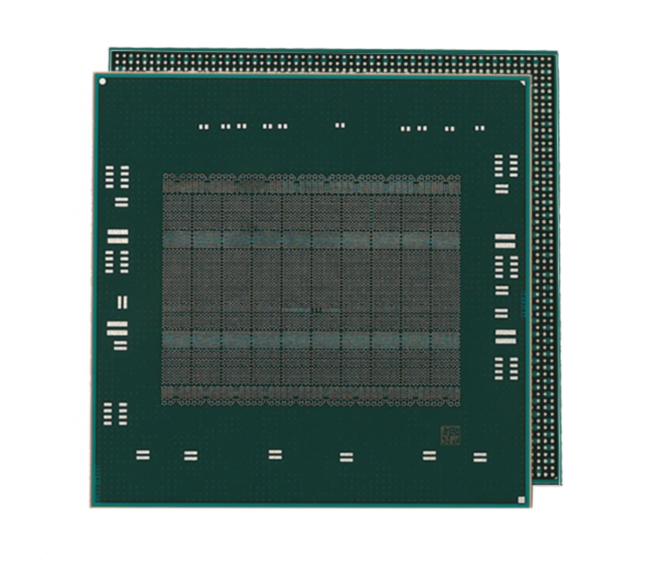
The products generally adopt the Build-up Film Lamination process, and the circuit formation uses the...