
When you think about upgrading your data center or building out AI infrastructure at the start of 2026, optical chips quickly emerge as the essential building blocks for fast, reliable connectivity. These clever components, such as VCSEL and EML lasers, PIN photodetectors, and supporting DSPs, smoothly convert electrical signals into light and back again. They deliver enormous bandwidth while keeping latency low and power usage remarkably efficient. Recent industry reports highlight how the AI optics market has roughly doubled from around $5 billion in 2024 to well over $10 billion this year, largely thanks to the massive data demands from GPU clusters and large-scale cloud environments. You often wrestle with issues like rising power density inside racks and the urgent need for smooth support of InfiniBand or Ethernet protocols, yet modern optical chips tackle these problems head-on through advanced PAM4 modulation and clever multi-lane setups.
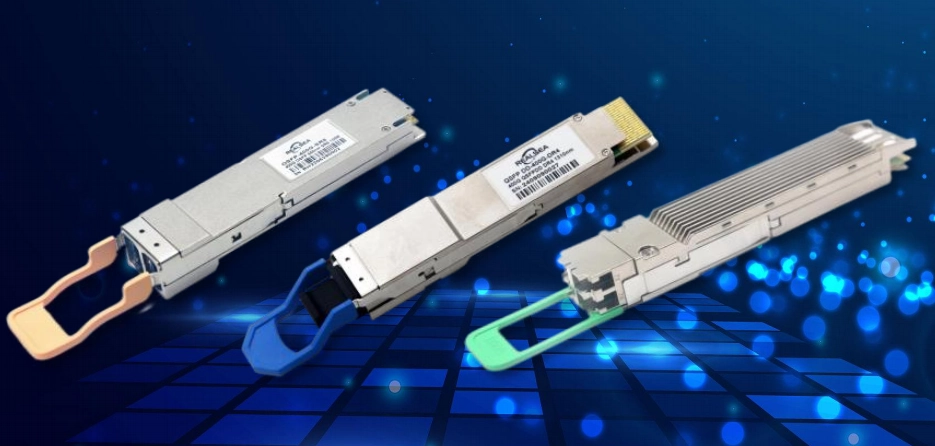
A particularly trustworthy player in this fast-moving field is DEEPETCH, founded back in 2019 and already supporting more than 1,560 customers worldwide with creative, high-performance solutions.
You notice tremendous strain on network capacity as AI training and inference tasks continue to expand rapidly. Major cloud providers pour significant funds into GPU interconnects, which has made 800G the clear standard this year while 1.6T begins to appear in larger volumes. The overall datacom optics sector now approaches $12 billion, and the portions tied directly to AI lead the charge in expansion.
Your setups must manage heavy east-west traffic within tightly packed racks, where power limits and cooling challenges surface almost immediately. Ultra-low-latency connections for InfiniBand have become vital in supercomputing and cloud applications alike.
AI applications produce far greater data movement compared to older workloads. Vast clusters containing thousands of GPUs depend on terabit-level links to prevent serious slowdowns. Consequently, you gain substantial advantages from optics that scale effortlessly and avoid the usual signal degradation seen in pure electrical paths.
Deliveries of 800G and higher-speed units climb into the tens of millions during 2026, and 1.6T starts moving into initial production runs. This smooth progression allows you to upgrade gradually as form factors become more refined and prices drop noticeably.
Modern racks draw enormous amounts of electricity, which naturally leads to greater reliance on liquid cooling systems. Optical modules that keep consumption low per bit of data help you preserve overall efficiency without major redesigns.
Optical chips create real value by using carefully chosen components that match specific distance and performance requirements. For shorter connections, VCSEL/PIN combinations remain popular because they offer cost-effective multimode performance up to 100 meters. Longer distances benefit from EML or DFB lasers paired with PIN detectors to maintain strong single-mode signals across several kilometers.
Power goals now sit comfortably below 16W for complete 800G modules, supported by cutting-edge DSPs and effective liquid cooling designs. Form factors such as OSFP shine when heat removal matters most, whereas QSFP-DD proves ideal for situations that prioritize packing density.
PAM4 cleverly packs more bits into each symbol, which makes eight lanes at 106Gbps possible in 800G setups and ensures dependable high-bandwidth flow. As a result, you enjoy steady transmission quality thanks to integrated chips that sharply reduce error rates.
Carefully designed branded chips guarantee minimal latency and full compatibility with both Ethernet and InfiniBand standards. Additionally, they include helpful diagnostic tools through I²C interfaces and meet RoHS environmental requirements without exception.
Liquid cooling effectively handles excess heat in environments where power density runs high. At the same time, forward-thinking designs prepare your network for the upcoming jump to 200G per lane that defines 1.6T technology.
DEEPETCH operates from Shenzhen with a clear emphasis on serving AI computing centers and supercomputing facilities. The company maintains robust production lines for 400G/800G modules and actively pursues 1.6T advancements. Their wide-ranging lineup features hot-pluggable transceivers equipped with built-in branded chips that provide stable, affordable, long-reach transmission.
You discover plenty of flexible choices across OSFP, QSFP-DD, and QSFP112 form factors, covering distances from 100m all the way to 10km while staying under 16W power draw.
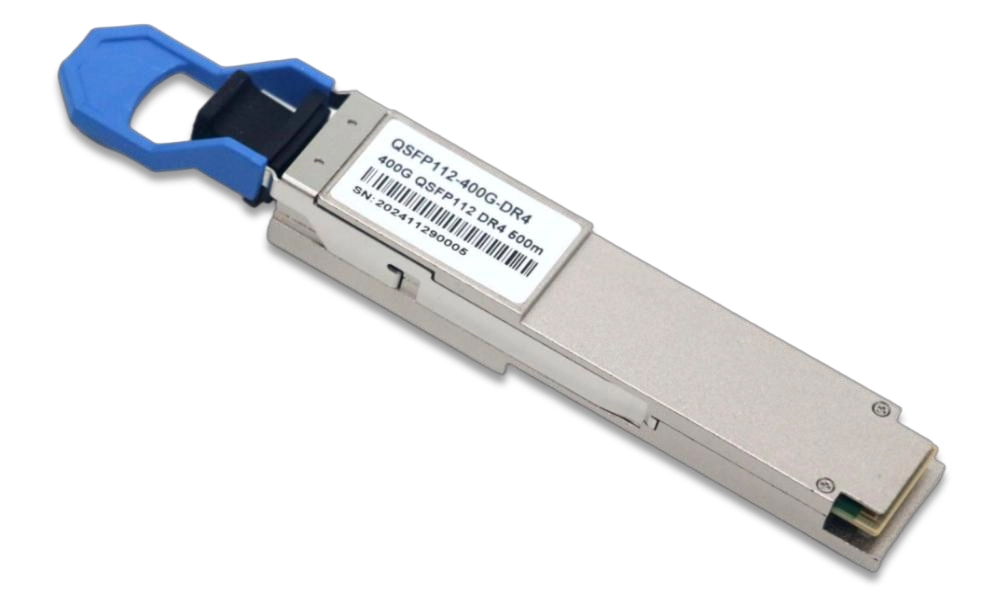
Models such as OSFP-800G-2xSR4 (≤14W, 100m, VCSEL+PIN) along with DR4 and FR4 versions that support liquid cooling perfectly match your needs when scaling large AI installations. These options deliver impressive reach and efficiency, so you can build denser clusters confidently.
Low-power SR4 versions (≤8W) appear in both OSFP and QSFP-DD packages, and DR4 together with FR4 extend coverage considerably. Moreover, complementary AOC and DAC products round out full end-to-end connectivity for any layout.
DEEPETCH clearly stands out with forward-looking innovations, especially liquid-cooled 800G units suited for intense environments and solid groundwork already laid for upcoming 1.6T deployments. This approach gives you confidence that investments today remain relevant tomorrow. Discover their complete offerings or reach out directly for tailored configurations.
You lower long-term ownership costs noticeably by choosing efficient and dependable modules that grow alongside your AI initiatives. Lower-grade chips frequently cause instability and lead to more frequent failures in mission-critical systems. Proven branded and fully integrated solutions consistently deliver the performance you require.
Optical chips truly serve as the foundation for networks powered by AI throughout 2026, bringing together speed, efficiency, and innovation to meet your evolving requirements. Consider teaming up with experienced providers like DEEPETCH for reliable 400G/800G transceivers and promising 1.6T developments. Head over to DEEPETCH today to explore customized liquid-cooled options designed specifically for your infrastructure needs.
Q1: What drives the surge in optical chip demand in 2026?
A: AI workloads and large-scale data centers dramatically increase bandwidth requirements, pushing the AI optics market beyond $10 billion this year.
Q2: How do 800G transceivers benefit data centers?
A: They supply massive bandwidth alongside power draw below 16W, minimal latency, and broad compatibility for InfiniBand and Ethernet in crowded AI setups.
Q3: When will 1.6T modules become widely available?
A: Production volumes grow substantially this year, potentially hitting millions of units for cutting-edge GPU interconnections.
Q4: Why choose modules with liquid cooling?
A: They manage heat effectively in high-power racks, letting you expand deployments without running into thermal bottlenecks.
Q5: How can quality optical chips reduce costs?
A: Reduced power per bit, greater reliability, and designs ready for future needs all help cut operating expenses and avoid unnecessary downtime.
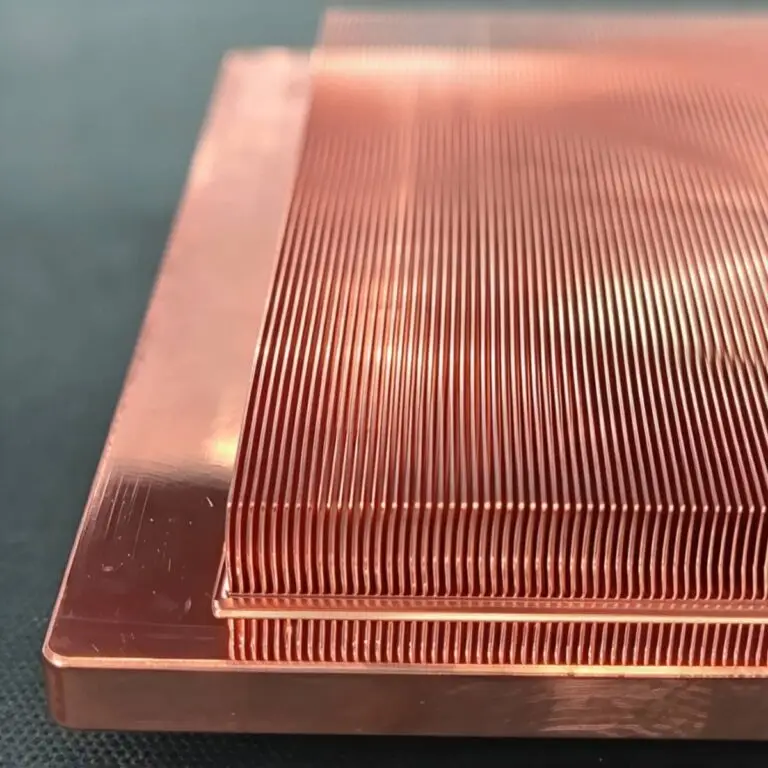
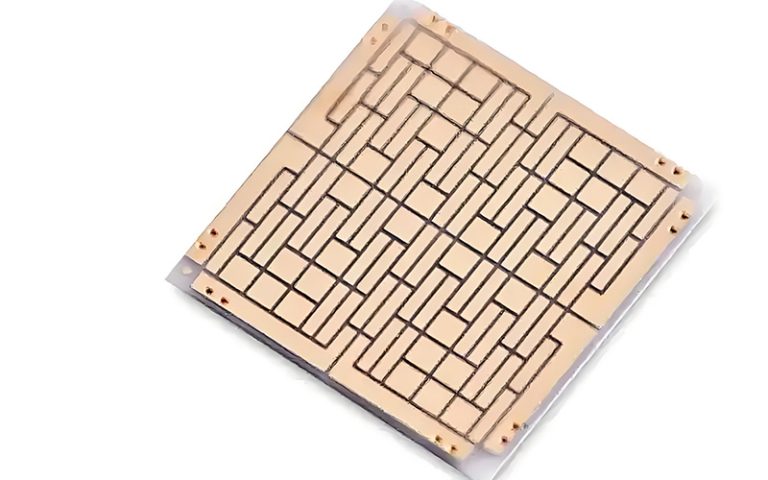
Diamond-Copper Thermally Conductive Composite. High thermal conductivity, tunable CTE, robust.
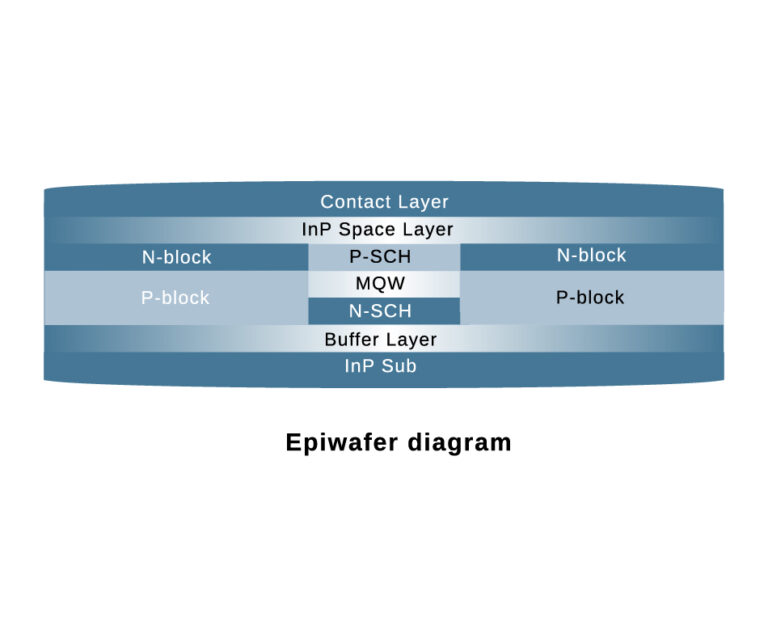
The DE-CW-1310 DFB EPI wafer, a high-performance epitaxial structure designed for distributed feedback (DFB) lasers operating at 1310 nm....
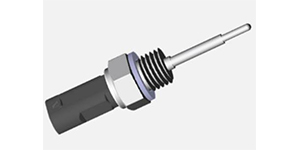
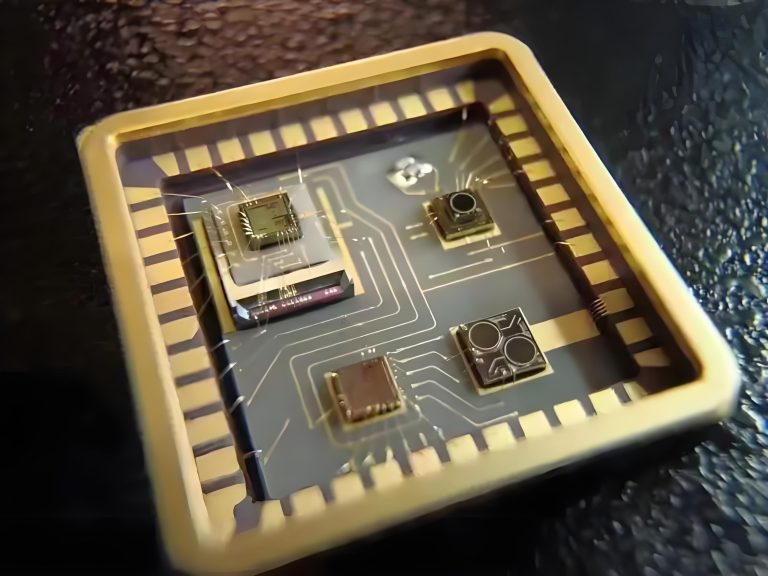
Ceramic thin-filmvacuum sensor Optical gas massflowmeter Liquid mass flowmeter Force sensor MEMS...
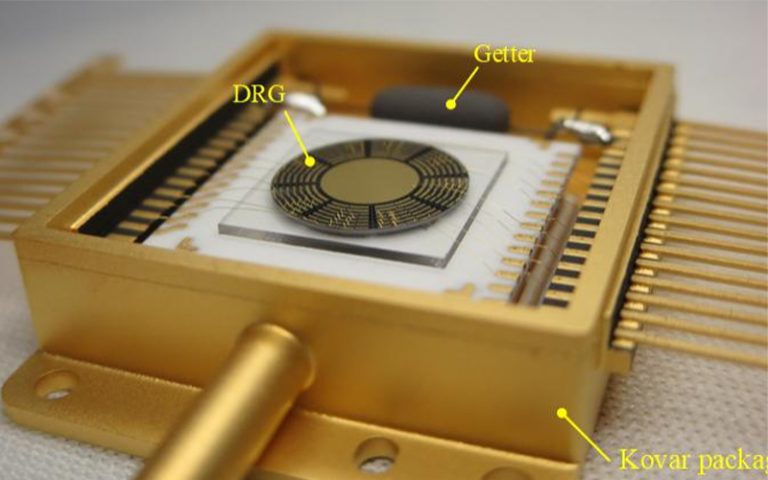
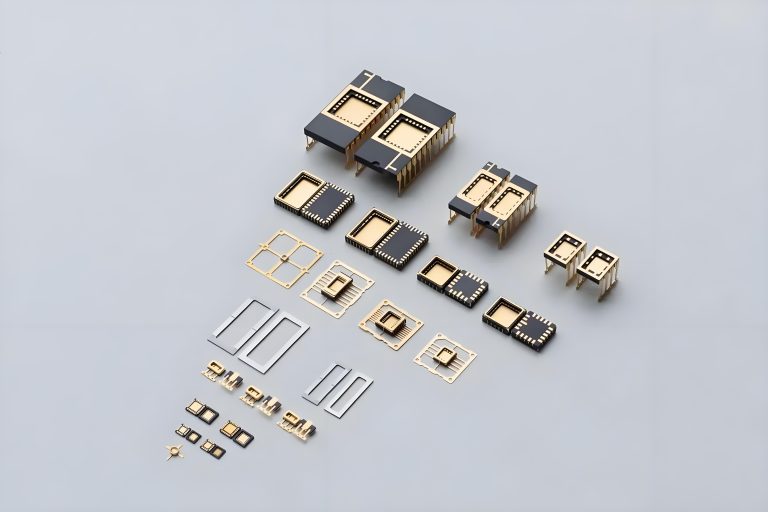
Photoelectric sensing chip Light source chips Optical transmission and modulationchips Optical detection and receptionchips...
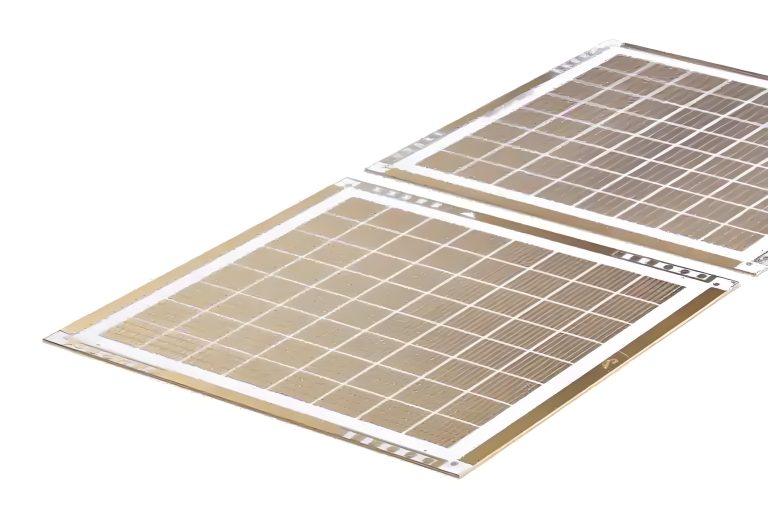
Using a“Detach Core”which has two-layers carrier foil structure on the surface as a core, and forming...
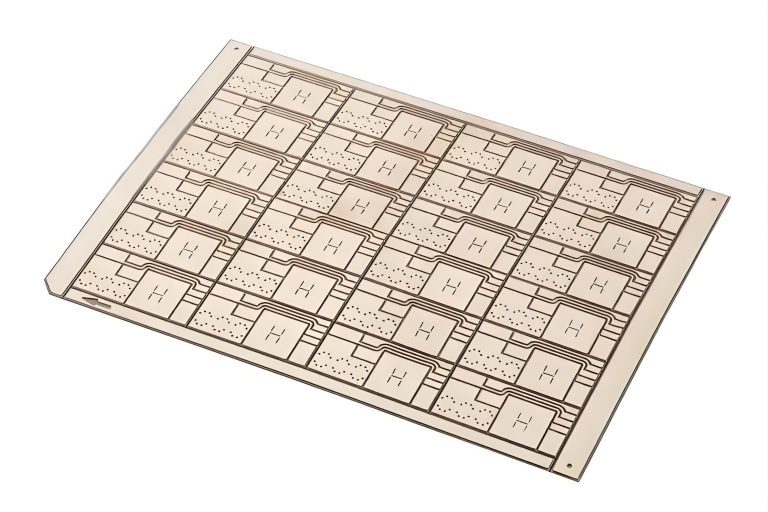
Tenting process is a kind of subtractive process, the process as follows: Laminating photosensitive film...
Modified Semi-Added Process abbreviated as mSAP, which can be used on the core or build-up layers, pattern...
Semi-Added Process abbreviated as SAP, using on the build-up-layer pattern forming as follow:First depositing...
The product generally adopts the pressing lamination process of semi-curing sheets , and line formation...
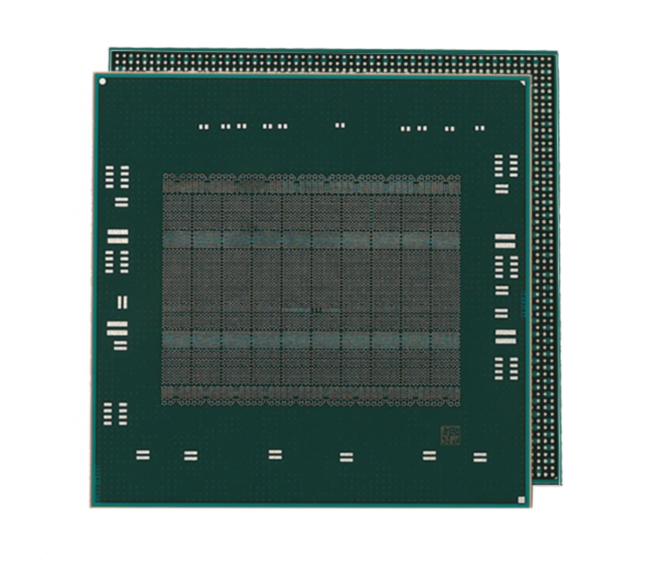
The products generally adopt the Build-up Film Lamination process, and the circuit formation uses the...