
When you drive PCB designs toward smaller sizes, Chip Scale Package (CSP) parts often turn into your main choice. These components deliver the smallest space possible, only a bit bigger than the silicon die. However, their tight spacing and fragile solder connections pose big problems for standard SMT processes or fast prototyping. If you have tried fixing a CSP on a busy board without the right equipment, you know the frustration well. In such cases, a CSP to BGA adaptor acts as a key connector. It changes those tiny CSP pads into a more workable BGA setup. This method shields your layout from expensive board changes and lets you apply usual assembly techniques, even with cutting-edge chips.
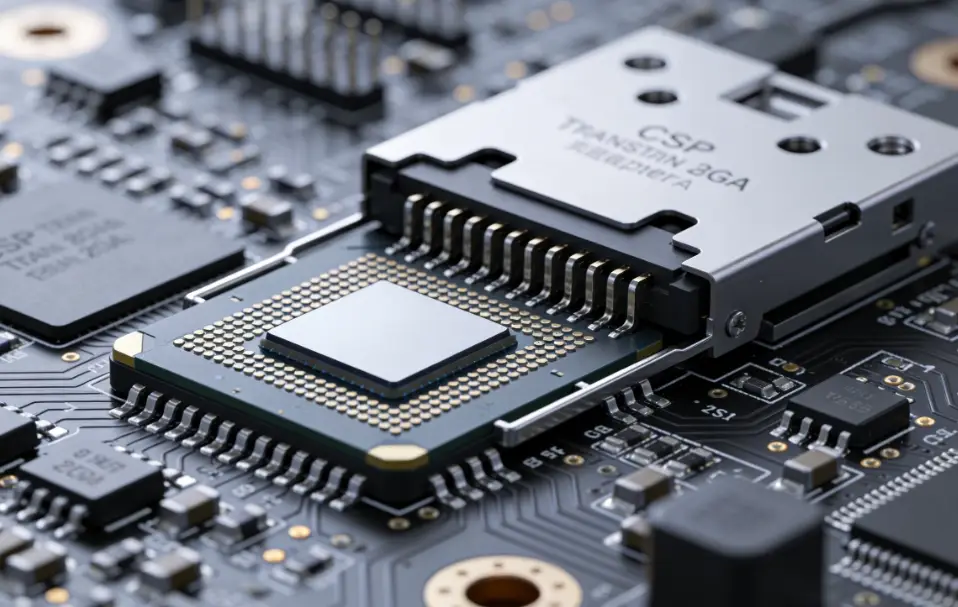
The drive for 6G technology calls for transceivers that handle huge data flows in even tighter areas. Engineers often work with frequencies where each bit of trace length matters a lot. An adaptor might seem to add bulk at first, but in the research and development phase, it shows real value. It permits swift swaps of high-speed components without damaging the main system board. For experts in top-tier communication gear, DEEPETCH emerges as a strong option. Since 2019, this firm has specialized in fast optical systems and hit large-scale output for 400G and 800G modules. Their IDM model gives them complete control from planning to production, making them a solid partner for tough EMS projects. They really grasp the issues of keeping signal quality while dealing with tight space limits.
6G signals stay very sensitive to changes in impedance. A well-made adaptor uses top-grade base materials and precise path designs, so the signal remains clear as it moves from the chip to the board. Furthermore, this setup cuts down on any likely weakening, which helps deliver steady results in tough tasks.
Small chips warm up fast when under heavy use. Adaptors provide extra room or added thermal paths, which pull heat away from the key spots and stop overheating. As a result, your 6G transceiver dodges speed losses or early failures, which boosts the whole system’s strength over time.
It makes no sense to wait weeks for a new PCB every time a chip changes. Adaptors let you test fresh silicon right away on boards you already have, which trims months off your timeline. Therefore, groups can loop through ideas quicker and get new products out faster.
Satellite and radar setups run in rough conditions where average work just won’t do. The gear has to handle strong shakes and radiation while keeping signal paths spot-on. This often means using special materials like Gallium Arsenide (GaAs). GaAs offers much better electron movement than silicon, so it fits perfectly for high-frequency microwave monolithic integrated circuits (MMICs) in space settings.

Satellite builds frequently mix old setups with new high-speed chips. Adaptors make it easier to add modern CSP-packaged TR Transceiver Modules into tested satellite bus designs, so you skip full rebuilds. This step keeps things matching and hurries up rollout for vital missions.
Radar systems need exact timing and phase control. In the tuning stage, adaptors ease the setup of individual transceiver paths before locking in the flight-ready parts. Thus, engineers reach sharp alignment, which lifts the system’s power in actual field use.
Adding materials with lower dielectric values in the adaptor keeps the needed high gain and low noise for picking up weak signals from far-off space spots. This path method ensures small losses, so communication stays dependable across long reaches.
Aerospace work goes far beyond just chips; it covers the whole range of making and reliability. Handing off to an Electronic Manufacturing Service (EMS) provider means looking for more than simple putting together. You need a teammate who understands the chip’s core and provides the right shell for it.
Your board has to take launch pushes and long vacuum stays. A good EMS team helps pick fitting base layers, from basic FR-4 to custom glass types that cut bending. These picks make sure of lasting steadiness in harsh aerospace spots.
Picking between silicon and mixes like GaAs or GaN depends on power and frequency needs. Experts guide you on the best pick for a good mix of cost and output suited to your path or task plan. This advice fine-tunes results without extra spending.
Rules like OHSAS 18001 or ISO 9001 form the base needs. Your PCBA goes through full heat shifts and shake tests to check that no solder link fails at key times. These checks promise toughness under real work strains.
Drones, especially for work or 6G sensing jobs, require a sharp balance between weight and processing power. The drone’s heart must stay light but handle complex flight plans and sensor info blending.
Using CSP to BGA adaptors in early drone steps lets you pack sensors closer in the body. It allows trying different sensor setups without raising the electronics’ full weight. This freedom helps build quick, effective designs.
Battery life sets drone wins. Choosing right wraps and plans cuts power loss through warmth, so flights last longer. Thus, tasks get more distance and trust in real runs.
Modern drones often add MEMS (Micro-Electro-Mechanical Systems) for balance and pressure sensing. Deepetch holds deep skills in Sensor Chip Customization, so these tiny parts fit smoothly into the flight control. This way boosts accuracy without hurting ease of carry.
Moving from test models to big runs often stalls many plans. A solid parts chain stops breaks from missing components.
A strong EMS teammate uses adaptors to keep output going if the planned wrap type runs low. They tweak other wraps to fit your board’s current plan. This flex holds schedules and skips remake costs.
Your teammate must handle from ten boards for a satellite to thousands for a 6G router. This needs gear like pick-and-place tools for the tightest spaces. Such growth makes shifts from small batches to big ones smooth.
Teaming with a group that has wide Chips In-stock stock guards against global hold-ups. It keeps projects rolling and budgets in check. Steady part access builds even progress in hard making tasks.
Q1: Can a CSP to BGA adaptor affect signal speed?
A: If designed poorly, yes. However, high-quality adaptors use controlled impedance routing to ensure that the transition from CSP to BGA has a negligible impact on signal integrity, even at 6G frequencies.
Q2: Are these adaptors reliable for long-term use in aerospace?
A: Usually, adaptors are used for development and testing. For final flight hardware, the design is typically finalized to a native footprint, though some ruggedized adaptors are built to survive harsh environments.
Q3: Why use an adaptor instead of just redesigning the PCB?
A: Redesigning a complex, multi-layer PCB can cost thousands of dollars and weeks of time. An adaptor is a low-cost, immediate fix that lets you keep moving forward with testing.
Q4: Do adaptors help with thermal issues?
A: Yes, they can. They provide an extra layer that can act as a heat spreader, helping to dissipate the concentrated heat generated by high-power transceiver chips.
Q5: Is it hard to solder an adaptor to a standard board?
A: Not at all. Since the bottom of the adaptor is a standard BGA pitch, it can be handled by regular SMT equipment, which is much easier than trying to mount a CSP directly.
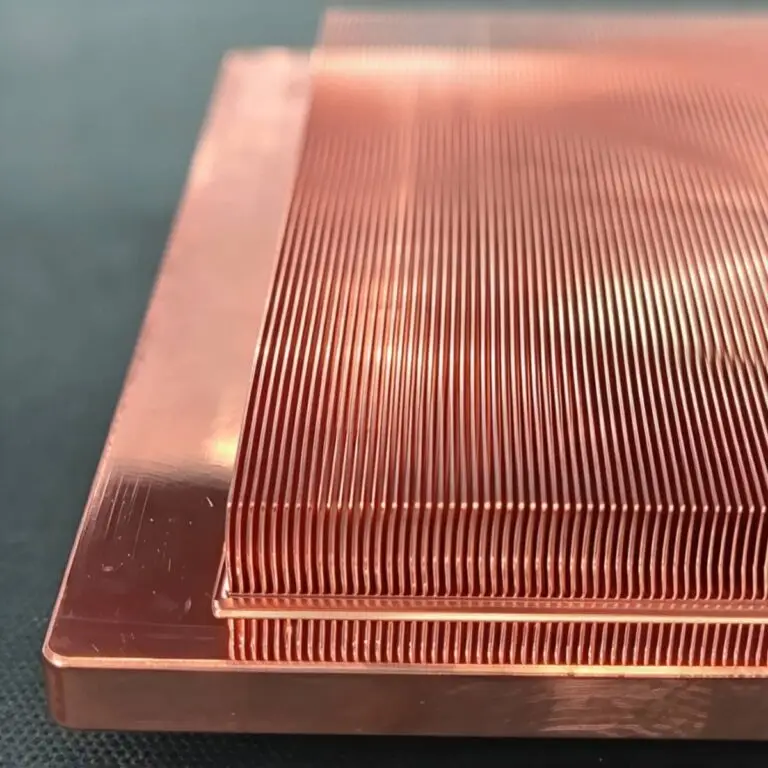
Diamond-Copper Thermally Conductive Composite. High thermal conductivity, tunable CTE, robust.
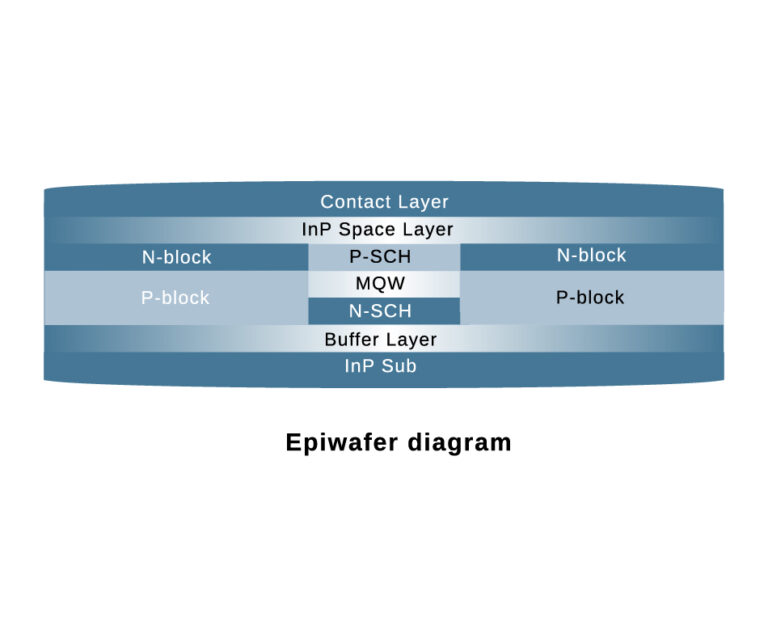
The DE-CW-1310 DFB EPI wafer, a high-performance epitaxial structure designed for distributed feedback (DFB) lasers operating at 1310 nm....
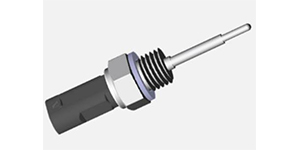
Ceramic thin-filmvacuum sensor Optical gas massflowmeter Liquid mass flowmeter Force sensor MEMS...
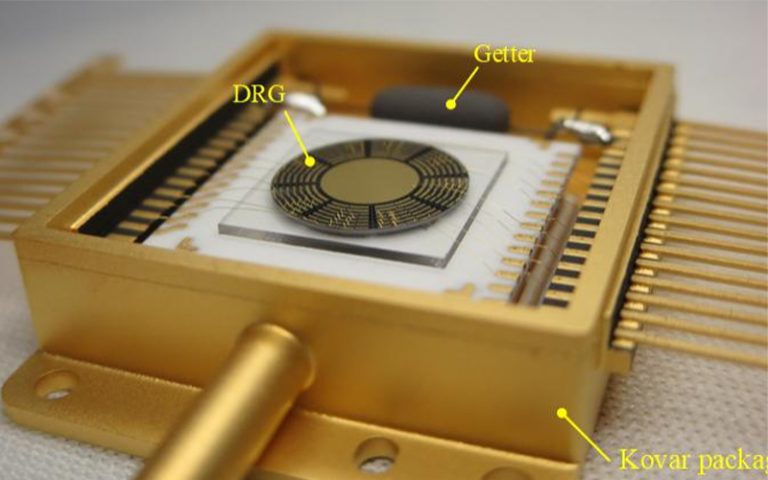
Photoelectric sensing chip Light source chips Optical transmission and modulationchips Optical detection and receptionchips...
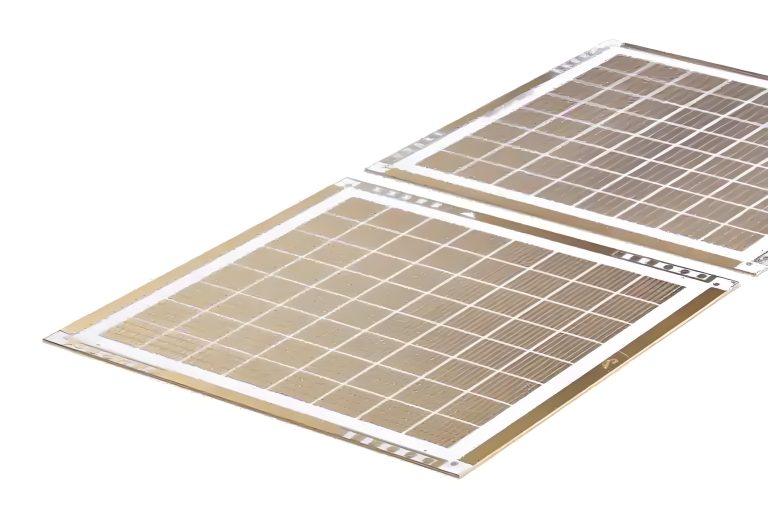
Using a“Detach Core”which has two-layers carrier foil structure on the surface as a core, and forming...
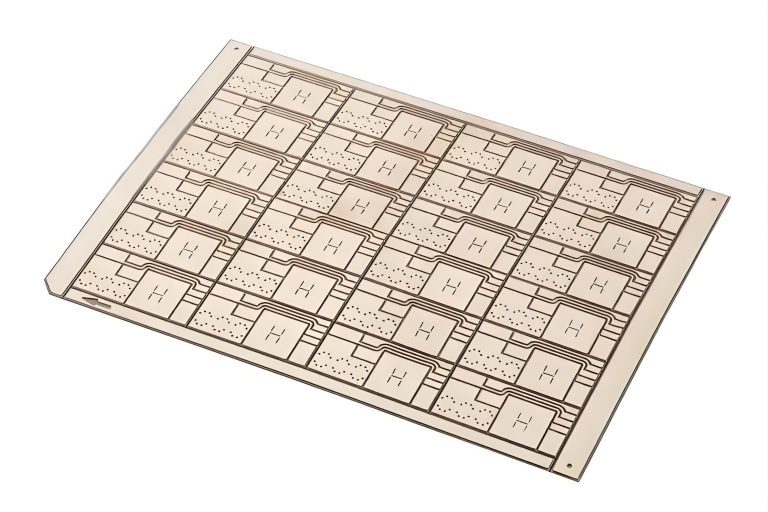
Tenting process is a kind of subtractive process, the process as follows: Laminating photosensitive film...
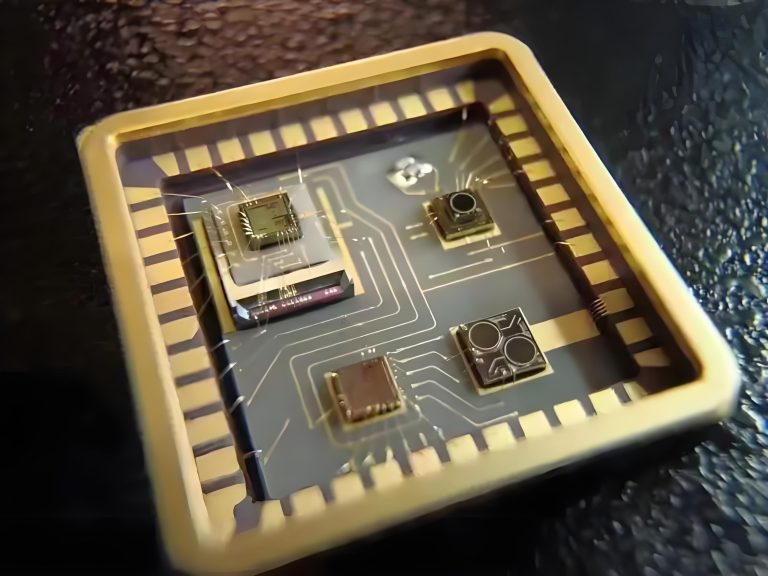
Modified Semi-Added Process abbreviated as mSAP, which can be used on the core or build-up layers, pattern...
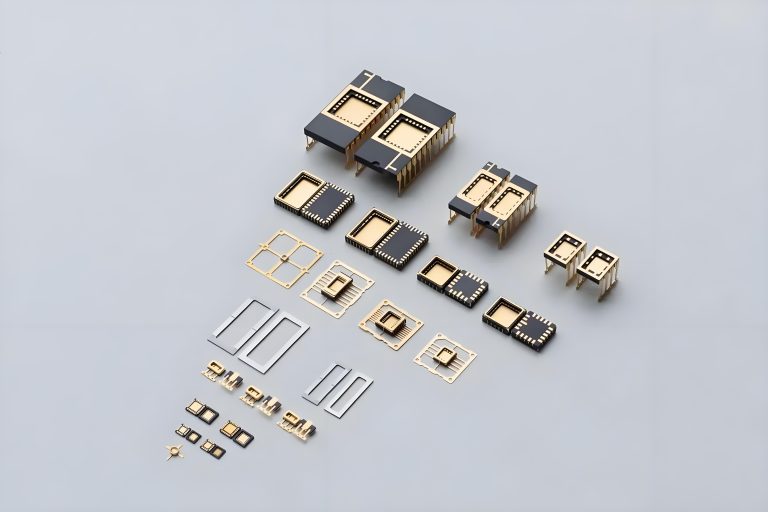
Semi-Added Process abbreviated as SAP, using on the build-up-layer pattern forming as follow:First depositing...
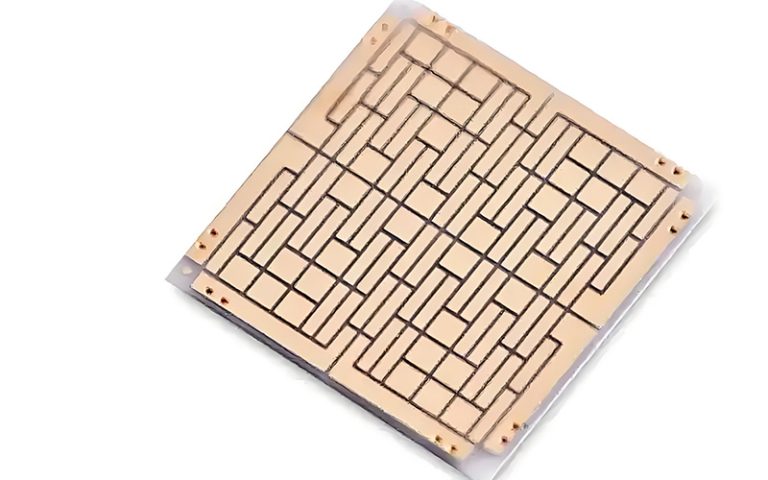
The product generally adopts the pressing lamination process of semi-curing sheets , and line formation...
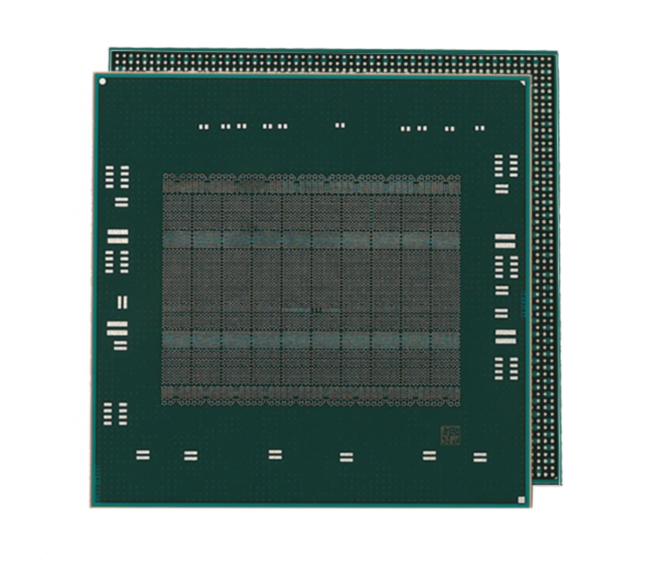
The products generally adopt the Build-up Film Lamination process, and the circuit formation uses the...