
As drones evolve from simple remote-controlled aircraft into autonomous AI agents, you face a critical engineering bottleneck: the conflict between computational power and flight endurance. To achieve real-time obstacle avoidance and sophisticated path planning, your drone requires a powerful “digital brain.” However, high-performance AI chips often bring significant weight and power demands that quickly drain battery life. Balancing compute density with payload weight is the decisive factor in whether a drone remains a limited tool or becomes a truly intelligent terminal. This article explores how advanced circuit integration and semiconductor innovation allow you to unlock maximum processing potential within strict physical constraints.

The Paradox of Computational Power and Flight Endurance
Efforts to enhance drone independence highlight the conflict between energy use and operational efficiency. Each added gram of mass requires greater motor effort to sustain elevation, and high-capacity edge processors demand intricate PCB designs along with substantial cooling setups to function dependably.
Weight-Performance Trade-offs
Drone load limits remain fixed, so incorporating extra processing elements necessitates smaller batteries or reduced operational periods. In rugged drones designed for extended missions, achieving balance between light construction and rapid computation serves as the main standard for assessing board effectiveness. This balance ensures sustained performance across demanding applications.
Thermal Management Bottlenecks
Intense processing generates notable heat buildup. In the limited confines of a small drone body, large cooling devices disrupt stability, whereas inadequate dissipation leads to processor slowdowns that impair AI operations and threaten aerial security. Effective heat control thus becomes essential for reliable system behavior.
Battery Energy Density Limits
Existing lithium power units near their inherent storage capacities. Without imminent advances in energy holding, circuit boards must maximize the output per unit of energy. This optimization allows each bit of stored power to yield optimal processing results for self-directed functions.
Advanced Packaging Technologies for Lightweight Intelligence
Overcoming mass restrictions involves adopting refined packaging methods as the core approach. Adjusting chip placement on boards boosts data transfer speeds and processing density without enlarging the overall size.
FCBGA Packaging Benefits
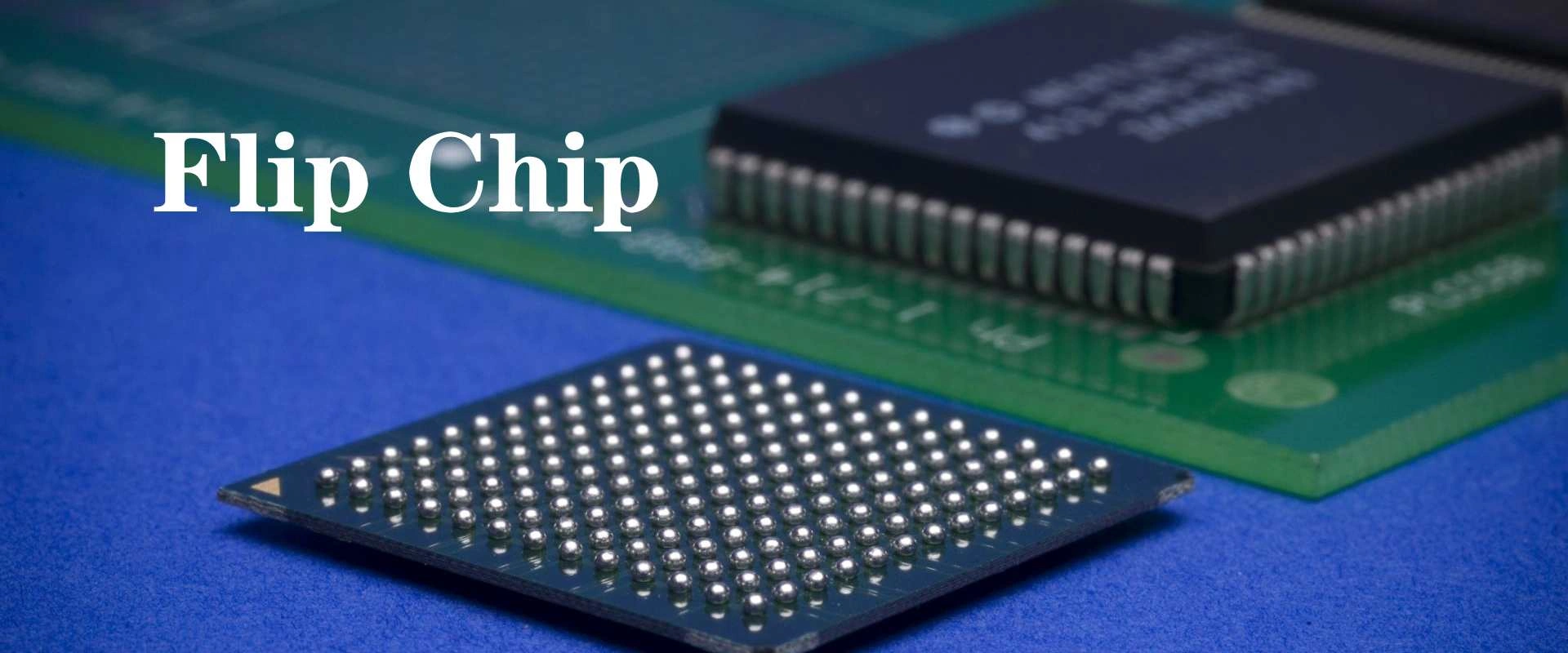
Flip Chip Ball Grid Array (FCBGA) packaging forms a foundation for compact central units. In contrast to conventional wire connections, FCBGA reduces transmission distances and cuts parasitic effects. Consequently, it permits denser AI units within smaller board spaces while preserving data accuracy.
High-Density Interconnect PCBs
Dense interconnect methods support precise pathways over several layers. This technique lessens board mass and enhances transmission clarity via concise routes. As a result, edge AI systems operate steadily, avoiding delays or information drops common in routine designs under fast tasks.
Integrated MEMS Solutions
Chip-scale merging embeds MEMS pressure detectors and orientation sensors into the circuit framework. Such embedding removes extra casings and robust links. It yields major mass savings and heightens the drone’s surroundings detection precision.
DEEPETCH Solutions: Optimizing the Drone’s “Digital Brain”
Seeking dependable chip options highlights DEEPETCH as a prominent provider with deep expertise. Positioned as a top ally for worldwide data facilities and AI centers, serving more than 1,500 customers, DEEPETCH draws on its achievements in 400G/800G optical units to offer superior chip aid for aerial vehicles. Merging their fast signal knowledge into drone structures achieves a refined harmony where computational strength avoids imposing heavy loads.
High-Precision Sensor Integration
Drone surroundings detection benefits from DEEPETCH’s coverage of pressure, heat, and flow sensing. Their background in ceramic film deposition and glass bonding provides elements with strong resistance to wear and elevated heat levels. These attributes maintain keen detection in harsh aerial conditions.
Miniaturized Power Electronics
Energy handling sustains drone persistence. DEEPETCH’s strengths in power chips enable compact units for voltage shifting and flow tracking. This frees area for more processing or expanded power cells.
High-Speed Signal Integrity
AI tasks depend on large visual and detection data flows, making PCB transmission crucial. DEEPETCH’s skills in Active Optical Cables (AOC) and fast wiring apply to internal designs. These wide-capacity ideas ensure fluid data movement to AI units without restrictions.
The Strategic Advantage of the IDM Business Model
Choosing a chip collaborator hinges on the production approach, which influences item steadiness and adaptation potential. Selecting an integrated design-manufacturing entity yields goods tailored to aerial demands.
Vertically Integrated Manufacturing
The IDM model championed by DEEPETCH combines planning, wafer production, and validation in one sequence. This full linkage offers greater adaptability, supporting refinements like “Substrate chip setup” that positions chips within bases for slimmer, lighter forms.
Customized Chip Development
The IDM method addresses aerial-specific needs from initial phases. Specialized adjustment routines and hardware-level straightening tackle sensor heat shifts early, easing the burden on primary processors.
Reliable Supply Chain
Amid chip availability swings, an IDM producer with internal output provides firmer delivery schedules. Real-time views of Chips in Stock prevent production halts from vital part shortages.
Overcoming Signal Interference in Compact AI Boards
Dense component layering on small boards introduces Electromagnetic Interference (EMI) as a major issue. This disruption impacts not only links but also triggers AI calculation faults that risk severe aerial mishaps.
EMI Shielding Techniques
Refined base materials and planned barrier layouts block fast signals from sensor paths. Embedding metal layers in PCBs guarantees field harmony in packed setups.
Advanced Substrate Materials
Base traits define board reliability. High-grade plastic or glass bases cut distortion and boost rigidity. They serve as strong barriers with minimal loss, safeguarding AI information from decline.
Low-Loss Signal Routing
Refined path planning cuts signal weakening. Simulations forecast flows, and low-damping insulators on key lines deliver clean, rapid inputs to AI units for quicker choices.
Future Horizons: Towards Fully Autonomous UAVs
Advances such as 1.6T optical units shape edge processing, pointing drone futures toward handling vast data volumes instantly.
AI-Powered Swarm Intelligence
Upcoming drones function in groups linked by swift, brief-delay connections. Each unit needs strong on-site capacity and rapid peer coordination for shared awareness.

Sustainable Semiconductor Materials
Past silicon, broad-gap options like Silicon Carbide and Gallium Nitride transform power setups. They handle higher voltages and shrink cooling needs, yielding lighter frames.
Next-Gen Component Miniaturization
Shrinking parts continues without end. From active optical parts to tiny MEMS, chip progress frees load for tasks. To learn how future chips aid smart detection, Contact DEEPETCH for expert advice.
FAQ
Q1: Why is FCBGA packaging superior to traditional packaging for AI drones?
A: FCBGA packaging removes wire bonding’s parasitic impacts and boosts cooling while conserving area. It supports higher-rate AI processors on small boards without heat risks.
Q2: How can I increase sensor accuracy without adding weight?
A: High-merge sensor chips unite detection and processing in single units. Chip-based adjustment routines cut interference and eliminate bulky outer barriers.
Q3: What specific value does the IDM model provide to drone developers?
A: The IDM model secures supplier oversight from planning to production. It enables thorough tailoring, including “Inside the Substrate” placements that fit aerial space and mass limits.
Q4: What are the electromagnetic compatibility requirements for AI drone PCBs?
A: AI tasks feature fast data swaps that produce strong EMI. Multi-layer dense interconnects and low-loss bases prevent fast signals from clashing with slow sensor inputs.
Q5: How does high-speed optical module technology relate to drones?
A: Though designed for centers, optical module packaging and signal methods apply to aerial units. They address capacity limits for intricate instant AI barrier handling.