
In this time of fast digital change, computing power stands out as the main driver for worldwide economic expansion. It powers everything from cloud data centers handling huge data sets to deep learning setups that test speed limits, and reliable, effective computing setups form the basis for achievement. This guide looks into the tech layers from tiny materials to big systems, showing the key elements that build a current computing base.

As someone working in this area, you will see DEEPETCH holding a key spot. Started in 2019, this tech firm focuses on global data centers and AI computing centers. With strong tech knowledge, they have reached large-scale output of 400G and 800G high-speed optical modules. Using their special IDM approach, the firm combines chip design and production, which guarantees better results even under tough computing demands. They serve as the top choice for those wanting tech edge and steady supply chains in today’s setup world.
The Foundation of Computing Power: Semiconductor Materials and Chip Technology
The root of computing power comes from the basic traits of semiconductor materials. When you check the top limits of a computing system, the base wafer materials set the pace for electron flow and energy use. From simple silicon to strong compound semiconductors, changes in materials push forward Moore’s Law.
Silicon Substrate and Advanced Manufacturing Processes
Single-crystal silicon stays the best base for strong processors such as GPUs and CPUs because of its clean structure and almost no flaws in the crystal form. It has a fair energy gap of 1.12eV, so logic circuits keep low energy waste during quick switches. Plus, silicon easily makes a good silicon dioxide layer for insulation, a feature vital for building very large integrated circuits.
Compound Semiconductors for High-Frequency Performance
In cases needing very fast electron movement, compound semiconductors like Gallium Arsenide (GaAs) show clear benefits. These materials have direct energy gaps, which help turn electrical signals into optical ones with good efficiency. As a result, they prove essential in making lasers and fast fiber optic receivers that handle trillions of data swaps each second across computing groups.
DEEPETCH’s IDM Model for Specialized Chip Production
To handle specific needs in industries for strong chips, DEEPETCH applies a modern Integrated Device Manufacturing (IDM) model. This setup lets them control processes more closely when producing power semiconductors and MEMS sensors. Since they handle both design and making stages, the firm fine-tunes chip structures for certain computing uses, which fixes performance issues right from the start.
The “Pipeline” of Computing Clusters: High-Speed Optical Modules and Cabling
If high-performance computing servers act as the core, then fast communication networks serve as the pathways. In current AI Industry uses, a single device’s computing strength goes beyond what old networks can manage, so ultra-high bandwidth links become necessary to create large computing clusters.
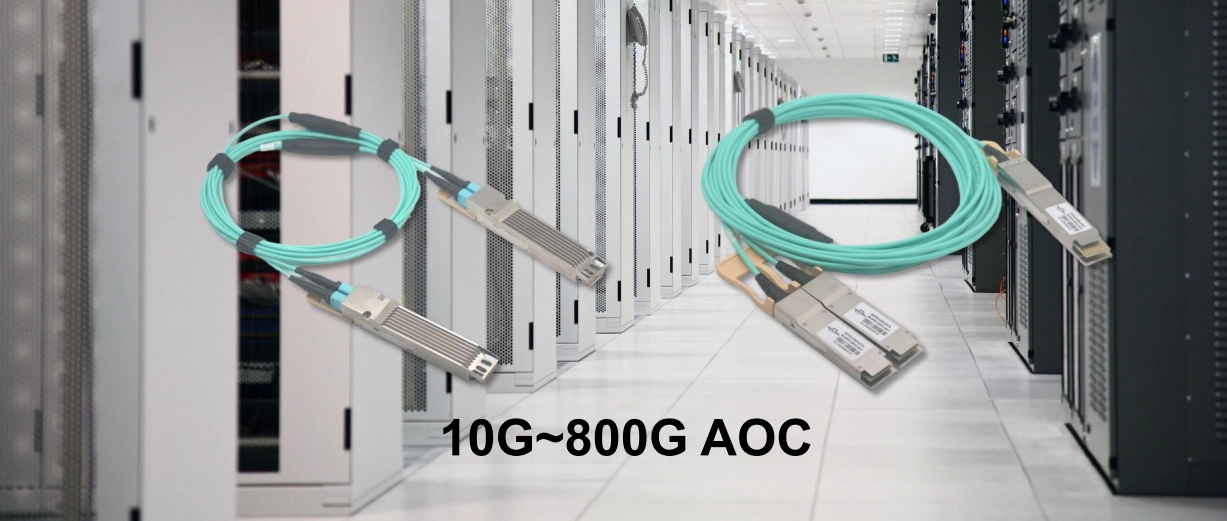
Next-Generation 800G and 1.6T Transceivers for Data Centers
As demands for link bandwidth grow fast in training big models, 800G optical modules now form the standard setup in AI computing centers. These modules use PAM4 modulation to hit high data speeds per path. Meanwhile, the field pushes toward 1.6T rates to cut cluster delays further and boost parallel computing output, which makes sure computing resources work at full capacity.
Comprehensive AOC and DAC Interconnect Solutions
For connections inside racks and short runs, Active Optical Cables (AOC) and high-speed copper cables offer varied choices. AOCs rely on VCSEL lasers to deliver steady transmission over 1 to 100 meters, whereas Direct Attach Copper (DAC) cables tackle cost and heat problems for close-range links with no power draw. Such adaptable physical connections build a smooth data network for computing centers.
DEEPETCH’s Customized OEM/ODM/JDM Communication Products
To meet varied needs from customers around the world, the firm provides a wide set of high-speed link product services. The lineup covers AEC, ACC, and different optoelectronic modules, and it supports Ethernet protocols along with InfiniBand setups. This full-service option ensures strong match and fit when you set up big clusters.
Navigating Thermal Challenges: Liquid Cooling and Packaging Innovations
Higher computing density leads to huge heat output, so usual air cooling fails when a single rack tops 50kW in power. Heat control now goes beyond basic upkeep; it stands as a main tech that sets computing steadiness and energy savings.
Liquid Cooling Solutions for High-Density Computing Modules
Liquid cooling tech removes chip heat with fluids that conduct heat better, which cuts the system’s Power Usage Effectiveness (PUE) a lot. Adding liquid cooling to high-speed optical modules curbs laser wavelength shifts well, so signals stay clear under heavy use. In turn, this lengthens gear life and cuts big power bills for computing centers.
Advanced Glass and Plastic Substrate Packaging Technology
Fresh materials such as glass or improved plastic substrates take over from old carriers. These options show lower rates of thermal growth and greater firmness, which lessens chip bending and shape changes in hot conditions. Also, they work as fine insulators with small electrical waste, offering a solid base for advanced packaging like 3D stacking.
Enhanced Reliability Through Automated Optical Inspection (AOI)
In strict production runs, Automated Optical Inspection (AOI) tech checks the quality of each part. It employs AI methods to look over chips in packaging and test phases, spotting flaws at the micron scale. Such checks from the making side prove key to keeping computing setups free from big breakdowns over long service years.
End-User Applications and the Computing Ecosystem Positioning
The real worth of computing setups shows in how the app layer grows. From core telecom networks to new autonomous driving systems, computing power changes how society works through varied sensing and math tasks.
AI and Supercomputing Centers Driving Bandwidth Demand
In the growth of the Communications Industry, supercomputing centers face the biggest push for vast lossless networks. Matching parameters in large models calls for networks with top throughput and tiny delays. This drive for peak output speeds up changes in base semiconductor steps and high-bandwidth storage tech.
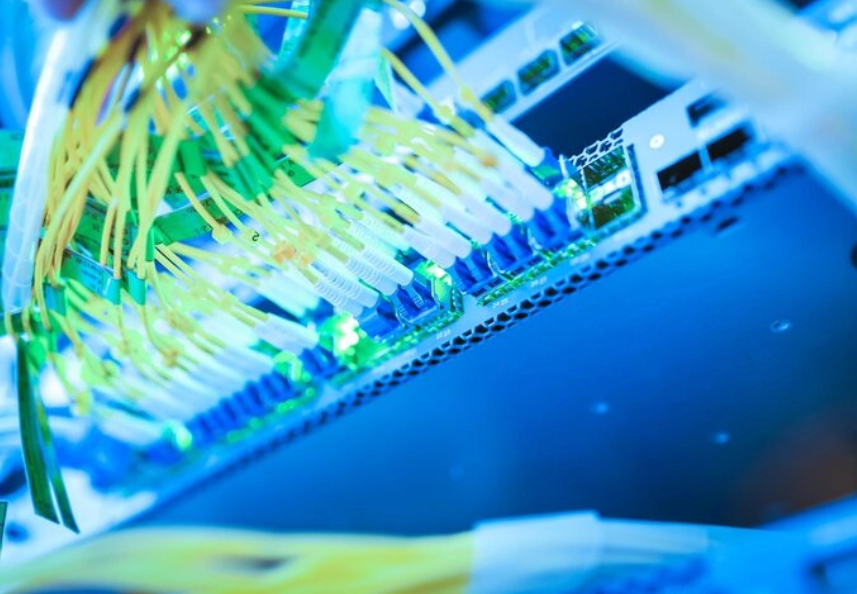
Edge Computing Integration with MEMS Sensing Technology
Computing power moves from centers to edges, where MEMS sensors serve as data inputs. Linking chips for pressure, temperature, and gas sensing with edge units lets devices handle surroundings signals right away. This mix of sensing and computing widens uses in factory automation and smart wearables.
DEEPETCH’s Global Service Network and University Collaborations
To hold a lead in the field, the firm set up a work network across Shenzhen, Beijing, and Hong Kong, and it keeps close ties with top schools like Tsinghua University and Peking University. This setup turns lab tech into market goods fast, giving fresh drive to more than 1,500 clients globally.
Why Choose DEEPETCH as Your Strategic Computing Infrastructure Partner
In the tough semiconductor market, picking a partner with tech vision and solid delivery matters a lot. Whether dealing with hard multi-chip packaging tasks or aiming for new protocol rollout, a full partner helps dodge tech risks.
Technological Leadership in High-Speed Communication Sectors
With R&D focus in 400G, 800G, and 1.6T areas, the firm stays ahead in the sector. Through steady tech spending, they make products that balance high speed and low power in ways rivals find hard to beat, so you can take the lead in the AI time.
One-Stop Solution From Chip Design to Mass Production
Thanks to a full R&D and production line, clients get a smooth shift from design samples to large output. This full-link skill shortens time to market for new items and offers tougher price plans and supply promises amid shifting raw costs.
Commitment to Global Quality Standards and Reliable Supply
Having cleared global quality checks like IATF 16949 and ISO 9001, the products fit the toughest sector rules. From base stations in cold spots to steady-temp data centers, the items work the same. This quality focus has earned trust from research groups and big firms worldwide.
FAQ
Q1: Why are 800G optical modules so important for computing centers?
A: 800G modules deliver very high bandwidth per channel, which fixes communication blocks between thousands of GPUs in large model training and shortens group communication time.
Q2: How does liquid cooling affect the lifespan of computing hardware?
A: Liquid cooling keeps chips at steady low temps, which cuts electromigration and material wear from heat stress, so it boosts hardware trust and service length a lot.
Q3: What is the essential difference between silicon substrates and Gallium Arsenide?
A: Silicon substrates fit ultra-large integrated circuits and logic chips due to low costs and set processes, while Gallium Arsenide suits high-frequency communication and optoelectronic gear because of fast electron movement.