
The wireless field is seeing a major change toward Integrated Sensing and Communications (ISAC). This approach no longer keeps data transmission and environmental radar as distinct parts, but instead combines them into one effective setup. By using shared hardware and spectrum, ISAC opens up a path where networks go beyond just linking devices and start to sense the real world nearby. To make this work, a careful move from targeted semiconductor materials to detailed high-speed systems becomes essential.

Semiconductor Materials as the Foundation of ISAC
Each advanced wireless setup starts with the core traits of its base material. To meet the high-frequency needs of ISAC, you need to go past standard silicon and enter compound semiconductors territory. These substances deliver the required electron speed and heat steadiness to manage radar sensing and fast data flows at the same time, all without excess heat or signal loss.
High-Frequency GaAs Substrates
Gallium Arsenide (GaAs) forms a main support for high-frequency electronics. Its strong electron mobility and broad bandgap give it an edge in microwave and millimeter-wave uses. You will see GaAs as key for creating low-noise amplifiers and RF front-ends that hold signal quality in crowded 5G and 6G settings needed for combined sensing.
Power-Efficient GaN Solutions
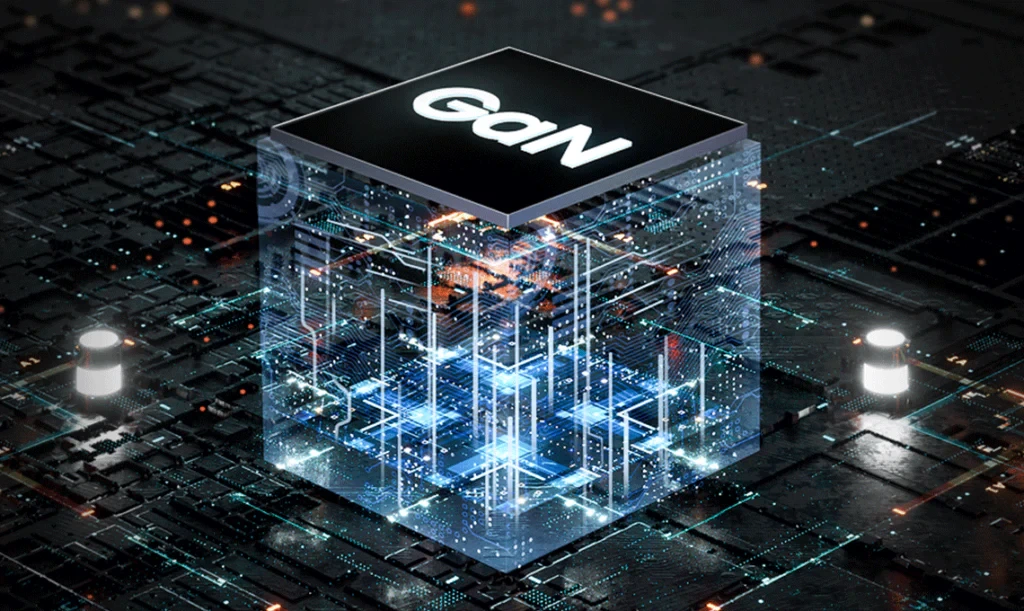
Compounds based on nitrogen, such as Gallium Nitride (GaN), bring high power density. If you design base stations or satellite gear, GaN makes possible smaller, cooler transmitters with more power. This setup stands as a base for a green wireless path, cutting the carbon load of large network rollouts while raising output.
Advanced Optical Integration
The link between light and electronics matters a lot for backhaul data. Combining Germanium-on-Silicon or focused photonics leads to single-chip optical modules that reach 100GB/S or more. Such merging makes sure the large volumes of sensor data on surroundings can travel the network at light speed.
Precision Sensing Units for Data Acquisition
Sensing forms the sensing side of ISAC. For true integration in a system, high-accuracy parts must turn physical, chemical, or biological inputs into digital info. You depend on these sensors for instant feedback in areas from factory safety to self-driving guidance, so your network knows what surrounds it.
MEMS Pressure Sensors
Micro-Electromechanical Systems (MEMS) apply piezoresistive or capacitive shifts to spot pressure with great detail. You can use them in tough spots where resistance to corrosion and heat tolerance count most. These chips serve as basics for checking tire pressure, factory flows, or height in everyday devices.
Gas Concentration Modules
Safety during energy shifts relies on accurate gas spotting. Chips for thermal conductivity and infrared sensing let you track hydrogen in fresh energy vehicles or catch battery heat issues. These units add a vital safety level by noting chemical shifts before they cause system breakdowns.
Multimodal Sensor Fusion
Chips that handle multiple tasks mark the next step. By merging temperature, humidity, and motion sensing in one unit, you shrink the hardware size. This combining supports full checks on surroundings, which fits needs for smart cities and advanced IoT setups.
High-Speed Communications for Real-Time Processing
Sensing the world holds little value if data fails to arrive right away. High-speed communication parts work as the nerve setup in ISAC design. You have to confirm that your links manage the huge data flow from radar and surroundings sensors without blocks or added delays.

800G Optical Modules
In AI-based networks and current data centers, 800G QSFP-DD modules set the standard. These parts let you grow bandwidth to fit real-time sensing demands. With forward VCSEL lasers and PIN photodetectors, they make sure your AI Industry uses get the data to succeed.
Active Optical Cables
For linking gear over short to medium ranges, Active Optical Cables (AOC) give a low-delay, low-price option to usual transceivers. They back speeds from 10G to 800G, stay hot-pluggable, and meet worldwide EMI rules, so they suit dense computing groups well.
Liquid Cooling Technology
As data speeds head to 1.6T, handling heat turns into a top issue. Liquid-cooled optical fixes keep steady work temps while cutting fan energy needs. This method proves key if you seek a lasting, strong setup over time.
Vertical Industry Applications of DEEPETCH ISAC Solutions
The real gain from merging sensing and communications appears in market shifts. By using these techs on actual problems, you open up better efficiency and safety levels. DEEPETCH supplies the focused hardware to push growth in key areas.
Smart Automotive Systems
In the Automotive area, ISAC tech lets vehicles spot hurdles while linking to nearby structures. With exact pressure sensors and fast data paths, you can create safer, quicker self-driving systems that handle surroundings changes in moments.
Industrial and Drone Automation
The Drone Industry needs light, merged parts for avoiding crashes and far-off data reads. In the same way, factory automation gains from sensors that check machine state while sending updates over fast wireless paths, forming a real “Smart Factory” space.
Healthcare and Infrastructure
Steady checks matter greatly in the Healthcare space. From wearable ECG units to handheld glucose tools, merged chips enable ongoing patient data movement. This linking idea also fits the wider Communications Industry, where sensing aids in handling traffic and gear health.
Partner with DEEPETCH for Your ISAC Transformation
Handling semiconductor details calls for a partner who knows the path from base materials to full systems. DEEPETCH brings a special mix of tech skill and production power that keeps you ahead of others. Their focus on quality and fresh ideas makes them a top pick for global tech leaders.
IDM Model Advantage
By managing the full chain from design to packaging, the IDM model assures steady, quality parts for you. This full control speeds up new idea turns and improves tailoring, so the chips in your systems match your exact output goals.
Global Supply Capability
With supply chain risks today, ready stock gives a real edge. You can check a broad range of available chips and modules, from targeted sensors to 800G transceivers. This access cuts wait times and speeds up your ISAC products to market.
Direct Contact Channel
Each project brings special needs that standard parts may not cover fully. You can connect with their tech group to talk custom swaps or full-system fixes. For questions on specs or large orders, head to the Contact Us page to begin a pro talk.
FAQ
Q1: What are the main benefits of using ISAC in 6G networks?
A: ISAC boosts spectrum use and cuts hardware costs by merging radar and data sending. You get the chance to treat the network as a large sensor for spotting movement, weather, and items without added gear.
Q2: Why are GaAs and GaN preferred over silicon for ISAC?
A: These compound semiconductors provide better electron speed and heat control. You require these traits to keep output at the high frequencies for merged sensing and fast communications.
Q3: Can DEEPETCH provide customized sensor solutions?
A: Yes, the firm stresses custom swaps and tech lead. You can team up with them to build targeted sensors for pressure, gas, or temperature that fit your factory or vehicle needs.