
The change from 5G to 6G goes beyond a simple increase in speed. It marks a basic shift in the way hardware handles data. As the field advances toward Terahertz (THz) frequencies, the natural limits of usual materials create a key obstacle for engineers and producers. To keep signal quality and energy use in check at these high levels, you need to go past standard silicon. This change calls for a close look at modern wide-bandgap semiconductors. It also demands exact production methods that suit the special demands of 6G settings.
The Road to 6G: Why Terahertz Frequencies Demand New Substrates
Entering the 0.1 THz to 10 THz range provides huge bandwidth. However, it brings tough physical challenges. In this area, signals act more like light than usual radio waves. As a result, they get blocked or absorbed easily. If you stick with common substrates, you will deal with high transmission losses. These losses make fast communication unworkable.
Frequency limitations of Silicon
Silicon has supported electronics for many years because of its low cost and well-developed processing. Yet, its carrier mobility and bandgap fall short for the sub-millimeter waves in 6G. At THz levels, silicon substrates face high dielectric loss. This loss weakens signal power and turns useful energy into excess heat. Consequently, it reduces overall system performance.
Terahertz transmission challenges
Terahertz waves carry very short wavelengths. This makes them very sensitive to surface roughness in materials and absorption by molecules. Standard PCB materials and semiconductors often capture these high-frequency signals. To reach the 1 Tbps speeds that 6G offers, you require materials with almost no absorption. You also need very steady dielectric constants. Thus, these features ensure reliable data flow.
DEEPETCH’s vision for 6G
Handling this detailed field needs a partner that combines material knowledge with large production scales. DEEPETCH, founded in 2019, has grown into a key player for worldwide data centers and AI computing sites. It uses a strong Integrated Device Manufacturing (IDM) approach. This ensures each chip fits the strict needs of future networks. If you are expanding 800G modules or starting 1.6T research, their skills in fast optical solutions and special sensor chips offer the trust your setup needs. In this way, it helps lead the 6G shift.
Gallium Nitride (GaN): The High-Frequency Powerhouse for 6G
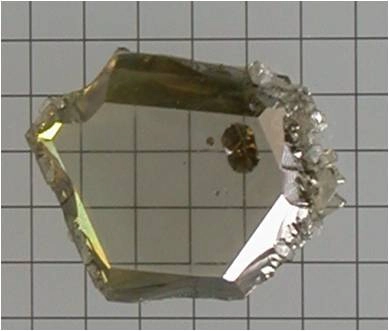
When you must boost signals at millimeter-wave or THz frequencies, Gallium Nitride (GaN) serves as the best replacement for silicon. It works at higher voltages and temperatures while keeping a compact size. This makes it vital for the tight antenna setups that 6G coverage requires.
Superior electron mobility
GaN has a high electron saturation velocity. This lets transistors switch at very fast speeds for THz processing. Such high mobility leads to less delay and more data flow in your communication hardware. As a result, 6G devices stay quick even under heavy use. It supports smooth operations in demanding conditions.
Power density advantages
GaN manages much higher power density than silicon does. Because of this, you can build smaller, lighter, and more effective base stations. This saving in energy is key for the Communications Industry. There, cutting power use and equipment size ranks high for city setups. Therefore, it aids in practical deployments.
DEEPETCH GaN product solutions
You can use high-performance GaN parts to avoid the heat and frequency limits of past tech. These solutions are made to give high gain and low noise for 6G receivers. This keeps signals clear in busy spectrum areas. In addition, it improves overall receiver function.
Silicon Carbide (SiC): Enhancing Thermal Stability and Efficiency
While GaN deals with the high-frequency core of the system, Silicon Carbide (SiC) supplies the needed thermal and power support. 6G hardware creates a lot of heat from close integration. SiC gives the strength to avoid system breakdowns. Thus, it ensures lasting reliability.
Exceptional thermal conductivity
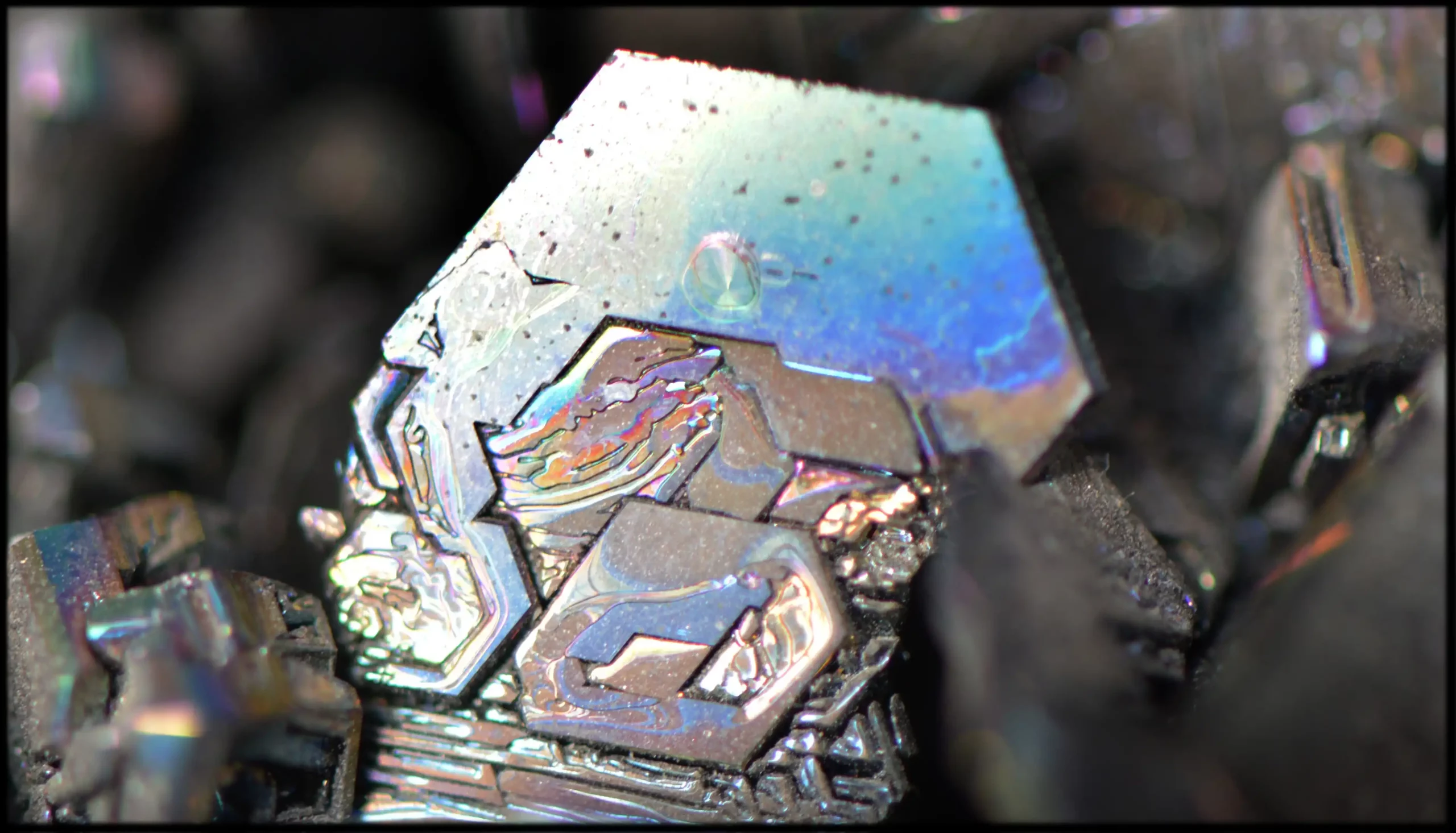
SiC moves heat far better than silicon or GaAs. When you use SiC as a substrate or in power stages, heat leaves sensitive points fast. This heat control is essential for the long life of 6G hardware that runs nonstop. It prevents damage from constant operation.
High breakdown voltage
The wide bandgap in SiC lets it handle stronger electric fields before it fails. This strength allows compact and steady power systems. They meet the high energy needs of THz transmitters without breakdown risks. As such, it boosts safety in power handling.
DEEPETCH SiC substrate efficiency
By adding SiC to your plans, you gain a material that works well in tough spots where others fail. These substrates suit high-trust settings. They keep your 6G setup steady during the heat changes in outdoor base stations. This leads to better endurance in real use.
DEEPETCH’s IDM Model: Ensuring Quality and Supply Chain Stability
In a field where waits can cost a lot, a safe source for special chips is a must for competition. The Integrated Device Manufacturing (IDM) model gives full control over a semiconductor’s life. This spans from crystal growth to final tests.
Integrated Device Manufacturing benefits
The IDM method removes gaps between designers and makers. This full link means material traits are tuned for the planned circuit work. It results in better output rates and steady electrical features for your 1.6T or 6G efforts. Therefore, it raises project success.
Quality control protocols
Strict checks at each step make sure every wafer meets global standards like ISO 9001 and IATF 16949. You get parts that passed hard tests for heat, moisture, and shakes. This matters for hardware used in varied world spots. It guarantees fit for global needs.
Diverse chips in stock
To dodge issues from world supply changes, a broad set of chips in stock is kept ready. This stock lets you shift fast from test models to large runs. You avoid long waits for made-to-order cycles. Thus, it speeds up your development.
Synergistic Applications in 1.6T Optical Modules and Beyond
The real strength of these materials shows when used in the core of the internet: optical transceivers. As data centers move from 400G and 800G to 1.6T, the mix of light and electronic materials takes center stage for gains in work.
High-speed optical transceiver support
At 1.6T speeds, electronic drivers must keep up with light signals. Using GaN and SiC in driver and power circuits of these modules ensures low shake and high efficiency in signal changes. This makes the electrical-to-optical shift smooth. It supports peak data rates.
Data center thermal management
New AI computing sites hit a “thermal barrier.” High-efficiency semiconductors cut energy lost as heat. Advanced packaging works better with liquid cooling. This pair keeps your data center at top work while reducing running costs. It aids in cost-effective growth.
Future-ready 1.6T R&D
The drive to 1.6T needs ongoing new ideas in thin-film layers and lithography. By leading in these production ways, you make sure your hardware meets current rules. It also prepares for tomorrow’s higher frequencies. This forward view builds lasting value.
Partner with DEEPETCH for Your Next-Generation Semiconductor Needs
The move to 6G is a path that needs more than new pieces. It calls for a fresh view on production. By picking substrates for THz frequencies and teaming with an IDM provider, you gain a route to quicker, cooler, and steadier communication tech.
Global service network
With work centers in main tech spots like Shenzhen, Beijing, and Hong Kong, you reach a local aid net. This makes technical help and supply support close by. It works no matter where your production sites stand. Thus, it eases global operations.
Custom substitution expertise
If you aim to update old systems or find better choices to current silicon plans, skilled advice on custom changes is on hand. This lets you refresh your product range with little redesign work. It keeps your upgrades simple and effective.
Direct contact and sourcing
The next move in your 6G work is easy. By talking to tech experts straight, you match your hardware needs with the newest in GaN and SiC tech. This ensures your goods set the field standard. It drives your lead in innovation.
FAQ
Q1: Why is Silicon considered insufficient for 6G applications?
A: Silicon shows limited electron mobility and a narrow bandgap. These traits cause high signal loss and low efficiency at Terahertz frequencies. As 6G enters these higher bands, silicon fails to hold the signal quality needed for very fast data sends.
Q2: How does GaN improve the performance of 6G base stations?
A: GaN gives much higher power density and electron speed than silicon. This allows smaller, stronger amplifiers that manage high-frequency signals with less energy loss. It suits the tight antenna setups for 6G well.
Q3: What role does SiC play in high-frequency hardware?
A: SiC mainly serves through its better thermal conductivity and high breakdown voltage. It controls the strong heat from high-frequency 6G parts. It also offers a steady power base for the whole system.