
The rapid expansion of artificial intelligence and high-performance computing has pushed data center infrastructure to a critical tipping point. As you transition from 400G to 800G and look toward the 1.6T horizon, the primary challenge is no longer just signal speed but the immense thermal energy generated by these high-density optical components. Managing this heat effectively is the only way to ensure network reliability and operational sustainability.
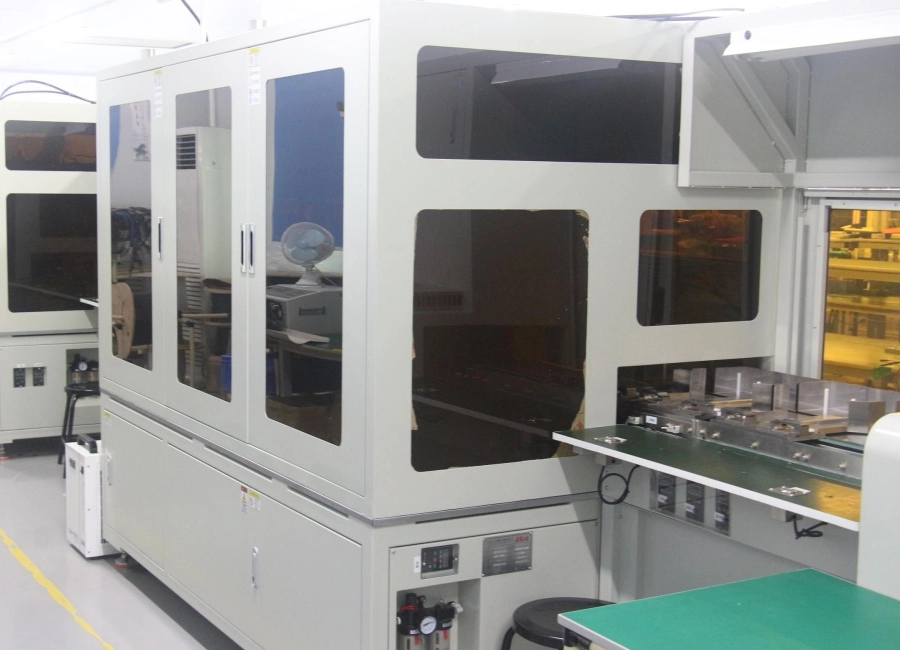
The Thermal Threshold of Next-Generation AI Infrastructure
Data center networks evolve due to constant needs for bandwidth in the AI Industry. Deployment of 800G transceivers involves parts that draw far more power than earlier types, and this power turns into focused heat loads that standard setups find hard to remove.
Bandwidth Demands in AI Era
Large language models and neural networks demand huge data flow among GPU groups. As a result, 800G and 1.6T optical modules become essential for processing terabytes per second with low delay. These modules support the intense data needs of modern AI tasks.
Limits of Air Cooling Systems
Standard air cooling depends on fans and sinks to push air over parts. When module power passes 15 to 20 watts each, the air amount needed exceeds what fits in normal rack sizes. Thus, such systems fail to handle the rising heat in dense setups.
Strategic Need for Innovation
Uptime and avoidance of heat slowdown require moves past basic fans. Advanced cooling shifts enable greater hardware packing while protecting optical signals and device life. This change sustains performance in high-demand environments.
DEEPETCH’s IDM Model: Ensuring Quality from Chip to Module
In this detailed tech field, a partner that handles full production cycles provides key stability for operations. Since 2019, DEEPETCH has risen as a top player in optical communications, and through an Integrated Device Manufacture (IDM) model, it covers chip design to end assembly. This method proves crucial for AI computing and supercomputing sites, as it guarantees that 400G and 800G modules hit strict performance marks.
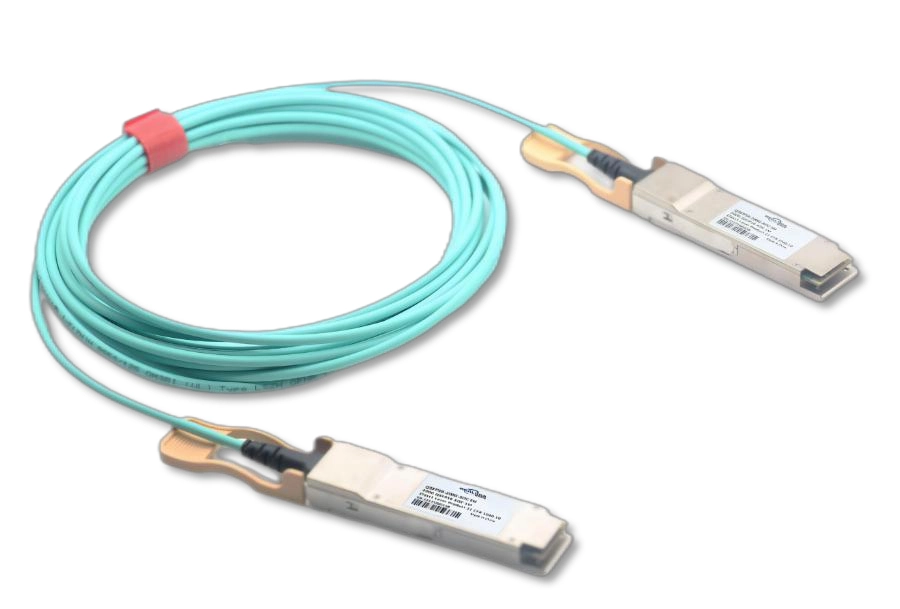
Integrated Design and Manufacturing
The IDM model supports fine-tuning of materials such as Silicon and Gallium Arsenide in semiconductors. Vertical control ensures that inner circuits match the special heat patterns of fast data transfer. Consequently, this integration boosts overall module reliability.
Strict Quality Control Standards
Control over fabrication lets teams apply exact handling of thin-film layers and patterning at the atomic scale. Such accuracy cuts flaws that could cause excess heat or signal loss in tough conditions. As a result, products endure longer in real-world applications.
Scalable Supply Chain Resilience
In-house facilities reduce risks of part shortages in production. Access to standard transceivers or tailored liquid-cooled options, along with chips in stock, keeps project schedules steady. This setup supports smooth scaling for data center needs.
High-Density 800G Solutions: The Backbone of Modern Computing
Network scaling relies on 800G solutions for the density required in current workloads, as these modules apply advanced modulation to match double the 400G capacity in the same space. Yet, this packing calls for detailed electrical and optical work to deal with the energy focus that follows.
800G OSFP/QSFP-DD Transceivers
These shapes serve as the present norm for fast links in the industry. They aid the move to 1.6T and stay compatible with prior 400G systems when required. Such design eases upgrades in existing networks.
Energy-Efficient Optical Engineering
Efforts center on lowering power loss in module conversions. High-efficiency lasers and light sensors cut the electricity turned to heat in signal shifts. This approach keeps overall energy use down in operations.
Seamless Network Integration Capacity
Fast modules fit into diverse switch types without major changes. Solid engineering holds signal quality over long and short fiber runs. Thus, they support flexible network builds.
Liquid Cooling Solutions: Solving the 1.6T Heat Challenge
The advance to 1.6T makes liquid cooling a must, since liquid holds far more heat than air and moves thermal load from optical cores with greater speed. This change aids Power Usage Effectiveness (PUE) under 1.2, which sets the bar for eco-friendly data centers.
Advanced Immersion Cooling Compatibility
Immersion setups dip full 800G or 1.6T modules in non-conductive liquid. Special materials resist breakdown from the fluid, keeping optical routes clean and seals tight. This protects long-term function in submerged conditions.
Cold Plate Thermal Management
Cold plates use liquid blocks pressed to the warmest transceiver spots. Such direct action holds exact temperatures amid high AI loads. It ensures steady work in peak times.
PUE Optimization for Sustainability
Removal of large fans cuts extra power draw in centers. More budget then flows to computing over cooling needs. This shift boosts green operations overall.
Product Portfolio Beyond Transceivers: AEC, ACC, and AOC
Setups demand varied tools for range and heat needs, where transceivers suit far links but cables provide low power for rack-internal ties. A full product roadmap aids choice of cost-performance mix for given designs.
Active Electrical Cable Innovation
AEC tech links copper lines to fiber optics. Built-in chips extend reach beyond plain copper while keeping heat below full optical levels. It fits mid-range connections well.
High-Speed Active Optical Cables
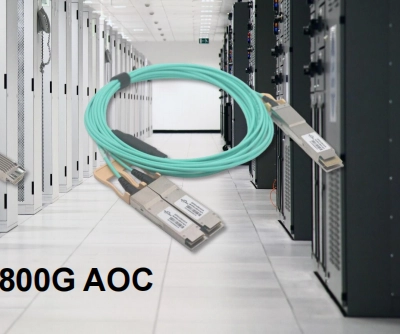
AOCs work best for rack-short fast ties. Lasers at cable ends simplify setup in dense 400G and 800G spaces. This eases dense deployments.
Customized Connectivity Solutions
Each center holds a distinct plan. OEM, ODM, and JDM options allow picks for lengths or connectors tuned to liquid-cooled racks. Such tailoring matches exact builds.
Partnering with DEEPETCH for a Greener AI Future
Choice of partner for 1.6T shifts shapes ongoing costs in operations. A supplier versed in chip science and center upkeep guards against early outdated gear. Ties with strong records in optics and cooling secure investments.
Proven Global Success Record
Over a thousand installs build know-how from varied sites. Past fixes for issues raise trust in key links. This background aids current challenges.
Strategic R&D for 1.6T Modules
Next transceiver work progresses now. Match with active 1.6T testers readies setups for market launch. Alignment speeds adoption.
Comprehensive Technical Support Access
Liquid cooling issues need quick fixes. Local aid in main hubs solves signal or heat problems before service dips. This keeps runs smooth.
FAQ
Q1: Why is liquid cooling necessary for 800G and 1.6T modules?
A: As these modules exceed 15-20W of power consumption, air cooling cannot remove heat fast enough within the limited space of a switch port, leading to potential hardware failure.
Q2: Can standard optical modules be used in immersion cooling?
A: Only modules designed with specific materials and seals can be used in immersion cooling to prevent the dielectric fluid from damaging the internal components or the optical path.
Q3: How does liquid cooling affect the PUE of a data center?
A: It reduces PUE by eliminating the energy used by large cooling fans and allowing for higher temperature chilled water, significantly lowering the total facility power consumption.
Q4: What is the difference between AEC and AOC cables?
A: AECs use electrical signal processing over copper for short distances, while AOCs use optical fiber with integrated lasers, offering a lighter and more flexible solution for slightly longer distances.
Q5: Does DEEPETCH support custom designs for specific cooling requirements?
A: Yes, they offer OEM, ODM, and JDM services to tailor high-speed optical and cable solutions to the specific thermal and structural needs of your data center.