
Data centers face tough limits these days. The rapid rise in AI tasks, along with huge data flows from 6G trials, makes old 400G systems feel outdated, like small paths jammed with fast cars. You may sense the need to update without spiking power costs or taking up extra room. Switching to 800G goes beyond just quicker rates; it helps prevent the entire setup from breaking down under heavy loads.

img.AI & Data Center.webp
These units deliver double the data within the identical panel area. As a result, you gain greater processing strength per square meter of costly space. For instance, in a packed server farm, this means fitting more machines without expanding the building footprint, which saves on real estate expenses over time.
Through clever signal encoding, these devices extract maximum bits from light signals. Therefore, you make better use of your current fiber infrastructure. Take a typical cloud provider; they report pulling 50% more capacity from legacy lines, cutting down on upgrade disruptions.
800G serves as the core support for the emerging 6G period. It manages intense pulses from orbital connections and countless fresh IoT gadgets without trouble. In testing labs, engineers note how it links 6G prototypes to data centers, enabling real-time data pulls from remote sensors.
Power costs quietly eat into data center earnings. Fast modules often generate excess heat, but custom chips alter that equation. If you seek a firm that crafts tech from scratch, DEEPETCH stands out. Founded in 2019, it follows an Integrated Device Manufacturer (IDM) approach. So, they not only plan but also produce 400G and 800G high-speed optical modules in-house. Serving more than 1,560 customers worldwide, with strong emphasis on liquid cooling options, they excel in tailored 800G Transceiver Series that avoid overheating racks or budgets. Plus, their 1.6T developments are already underway, impressive for a startup in this field.
Reducing voltage at the core level trims unnecessary warmth. Consequently, your fans spin less vigorously to maintain coolness. In a real deployment, like a hyperscale operator, this drops overall energy use by up to 30%, based on field trials.
Advanced bases such as Gallium Arsenide or custom glass draw heat from key parts effectively. This sustains steady signals during extended operations. Operators in hot climates appreciate how it prevents failures during summer peaks, keeping uptime above 99.9%.
Built-in idle states in the circuits deactivate unused sections. Although it seems minor, the impact grows large over numerous units. For example, a mid-sized center might save thousands in annual bills, while also easing strain on green energy goals.
Data delays frustrate everyone, particularly in quick trades or instant AI decisions. Delays often build up from signal fixes or extra processing steps. Combining the transceiver with processors into one unit cuts those small waits that turn into major issues. From experience, teams in finance sectors see response times drop by half with such setups.
Specialized gear manages error fixes on the spot. Thus, information reaches its destination without extra software reviews. In high-stakes environments, this means trades execute in microseconds, avoiding costly slips.
Removing extra layers lets hardware dispatch packets right away. It creates a near-instant feel for users. Developers often highlight how this supports smooth video streams in live events without buffering.
Factory tuning of each unit guarantees precise timing. This avoids shakes that disrupt fast alignments. In radar applications, such care ensures signals stay crisp, even under vibration.
High-speed optical gear now reaches beyond server lines. It applies equally to satellite communication and sophisticated radar setups. These spots demand parts that endure radiation and rough shakes, far from controlled indoor air. Interestingly, early adopters in defense note fewer outages during missions.
These are engineered for space’s harsh demands. They hold strong high-speed ties amid orbital motion. Satellite firms rely on them for constant data relays, like imaging from low Earth orbit.
Radar processes vast echo streams for clear views. Broad-bandwidth units let systems detect in finer detail. Military users report spotting targets at greater ranges, thanks to the extra throughput.
Tech drawn from 800G keeps ground-to-space connections firm. It reduces lost data in storms or far reaches. In one case, a telecom provider maintained 95% link reliability during heavy rain.
Off-the-shelf components sometimes miss the mark for unique tasks. That’s when Electronic Manufacturing Services (EMS) step up. You require more than a vendor; you need a team for PCBA design and manufacturing in niche aerospace or 6G gear. Stocked chips and flexible board tweaks speed up launches. It’s a practical edge in tight markets.
With design and building in one place, checks stay strict. You avoid finger-pointing between suppliers if issues arise. Clients praise the consistency, especially for prototypes that hit specs first try.
A firm base in spots like Shenzhen and Hong Kong delivers parts on time. Availability tops the list in volatile times. This setup has helped partners meet deadlines during chip shortages.
From drone TR modules to 6G circuit tweaks, production fits your needs. It ensures quick turns without quality dips. Teams in emerging tech often turn here for scalable custom runs.
Q1: Why is 800G better than 400G for AI workloads?
A: AI models demand vast data swaps between GPUs. 800G doubles the bandwidth, which stops the network from slowing heavy training runs.
Q2: Does moving to 800G mean I have to replace all my fiber?
A: Usually, no. Most 800G transceivers are designed to work with existing single-mode fiber, though you might need to check your cable distances and connector types.
Q3: How does DEEPETCH keep their modules from overheating?
A: They use an IDM model to control chip architecture and specialize in liquid cooling solutions, which are much more efficient at moving heat than traditional air cooling.
Q4: Can these high-speed modules be used for satellite communication?
A: Yes, the core technology in TR transceiver modules is perfect for the high-capacity, low-latency requirements of modern satellite and radar systems.
Q5: Is 1.6T technology already available?
A: It is currently in the R&D phase. While 800G is the current gold standard for mass production, companies like DEEPETCH are already testing the next generation to stay ahead.
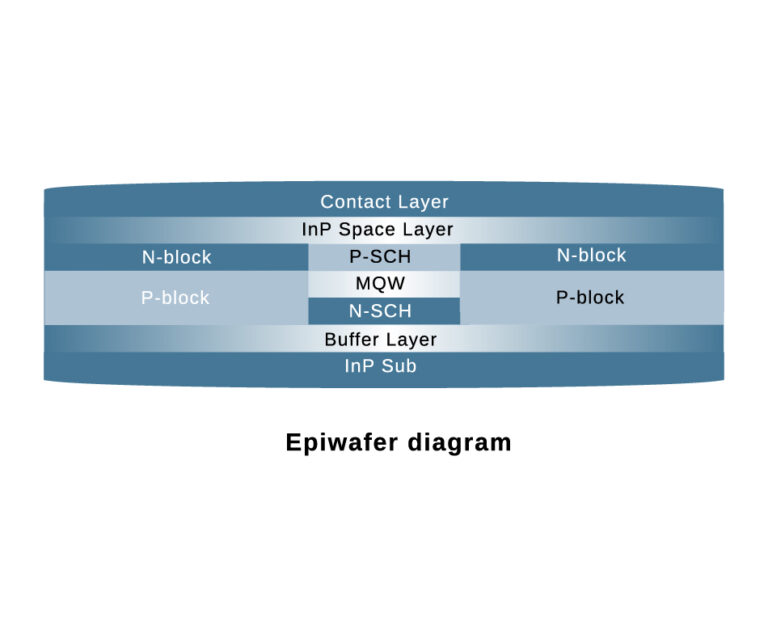
The DE-CW-1310 DFB EPI wafer, a high-performance epitaxial structure designed for distributed feedback (DFB) lasers operating at 1310 nm....
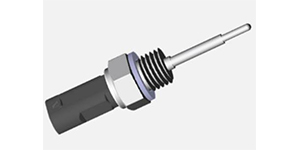
Ceramic thin-filmvacuum sensor Optical gas massflowmeter Liquid mass flowmeter Force sensor MEMS...
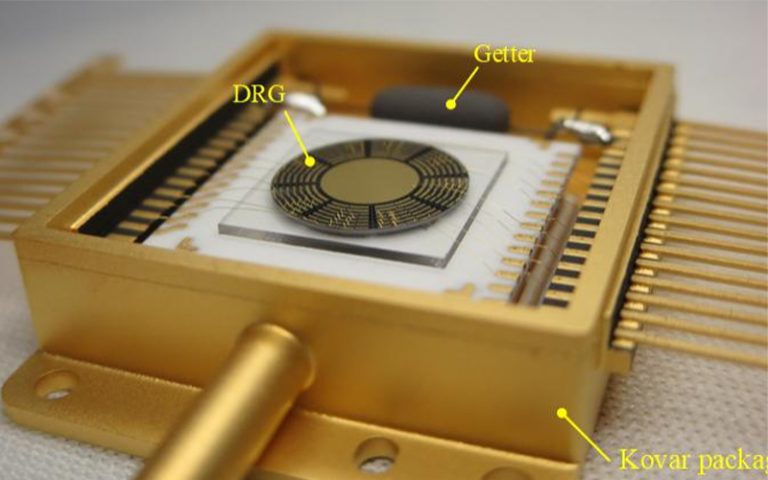
Photoelectric sensing chip Light source chips Optical transmission and modulationchips Optical detection and receptionchips...
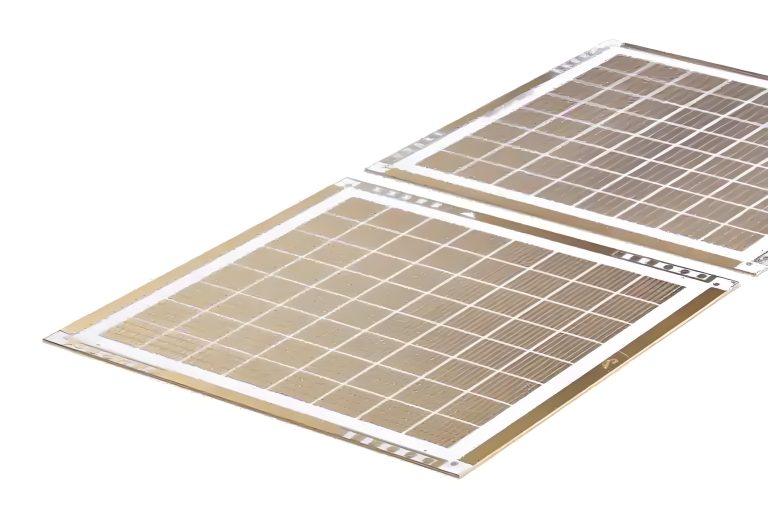
Using a“Detach Core”which has two-layers carrier foil structure on the surface as a core, and forming...
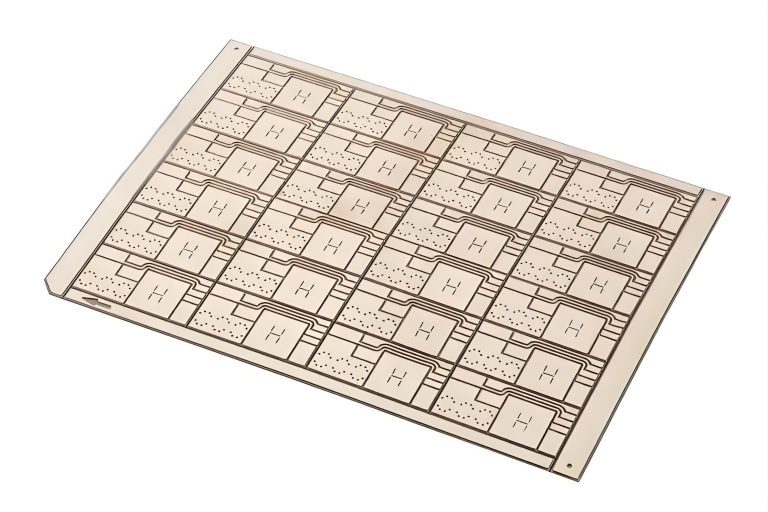
Tenting process is a kind of subtractive process, the process as follows: Laminating photosensitive film...
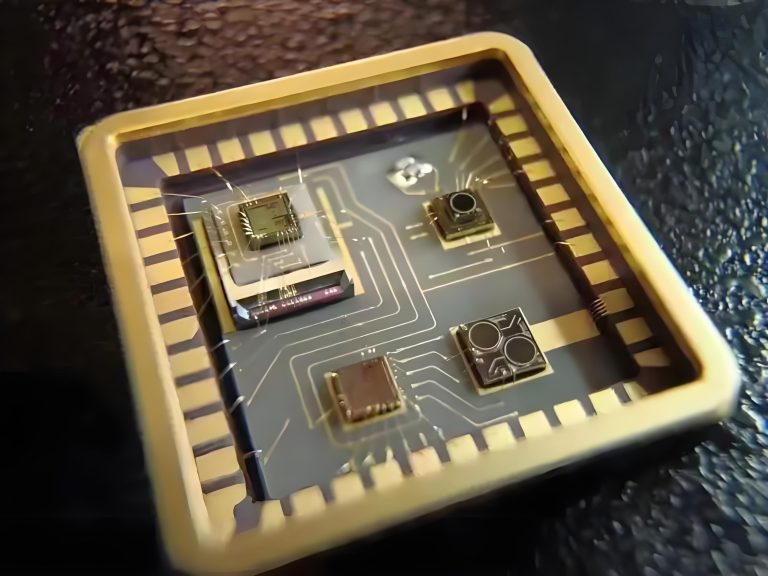
Modified Semi-Added Process abbreviated as mSAP, which can be used on the core or build-up layers, pattern...
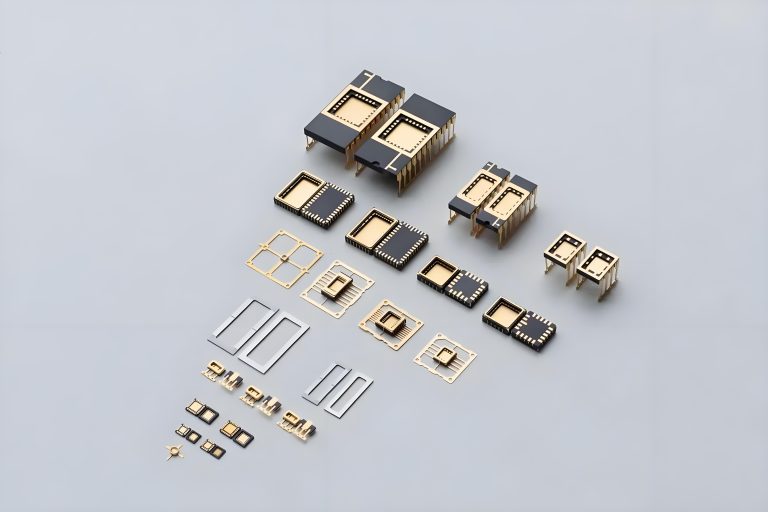
Semi-Added Process abbreviated as SAP, using on the build-up-layer pattern forming as follow:First depositing...
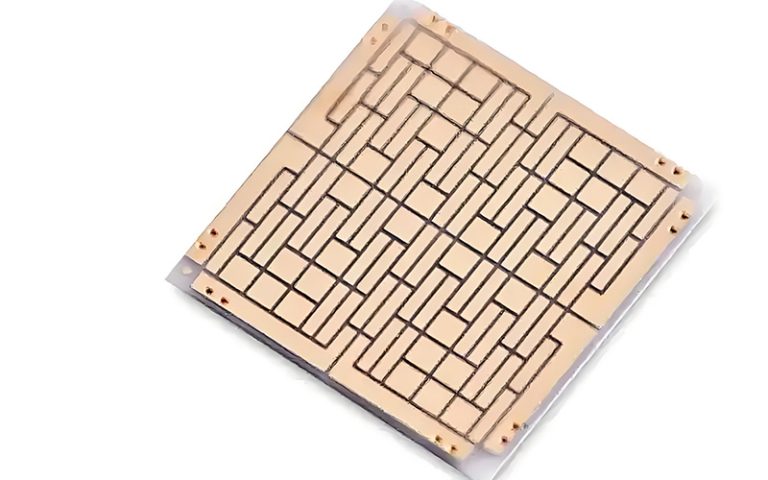
The product generally adopts the pressing lamination process of semi-curing sheets , and line formation...
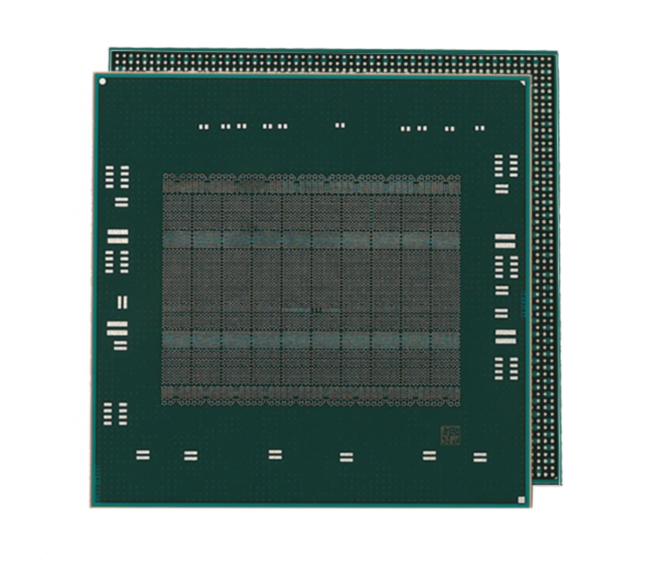
The products generally adopt the Build-up Film Lamination process, and the circuit formation uses the...
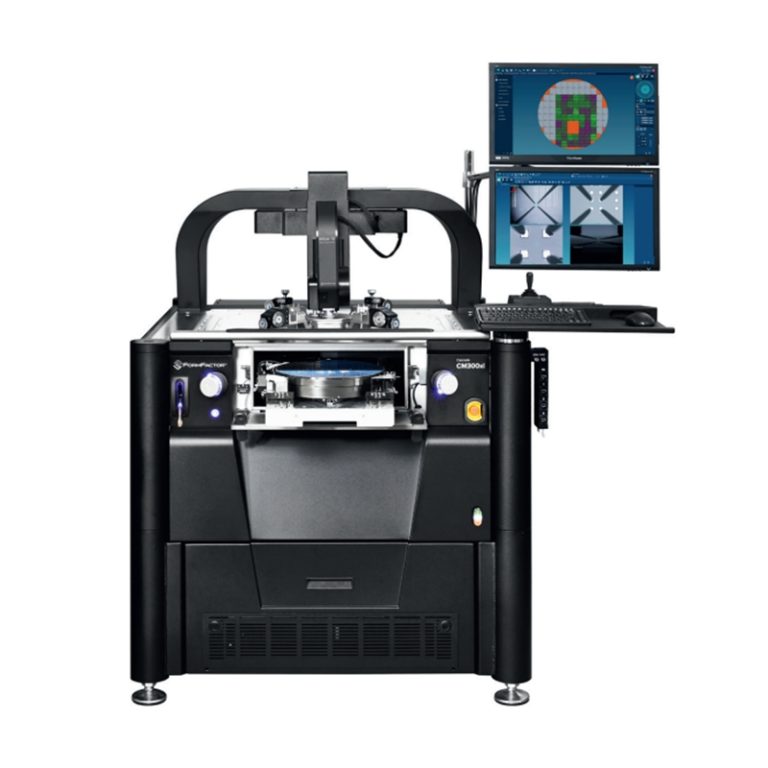
Equipment features: 1. Non-destructive precision testing Micrometer-level probe contact technology...