
The fundamental operation of modern radar systems and satellite communication networks depends on core communication technology. The entire system architecture of airborne and spaceborne and terrestrial systems depends on the performance of their communication modules and materials and packaging solutions. The growing need for fast data transfer and quick signal delivery and durable operation under harsh conditions makes transceiver selection and substrate and semiconductor material choices essential for system success.
The solution DEEPETCH provides serves as a fundamental enabling factor for this situation. DEEPETCH operates as a Shenzhen-based high-tech company which delivers complete solutions from wafer production to chip development and advanced packaging services.
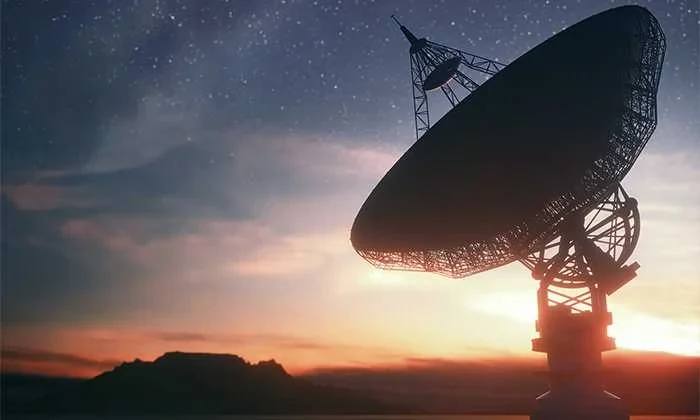
How Does Core Communication Technology Influence Radar System Architecture?
The operation of radar systems depends on precise and fast communication components because these systems consist of multiple interconnected layers. The system requires all components to work together for real-time detection and tracking through their combined speed and precision and thermal resistance.
Signal Processing Efficiency and Real-Time Responsiveness
Radar systems require high-speed signal processing to detect targets and track their movements and identify their types in changing operational environments. The core communication technology achieves this goal through its ability to reduce delay times and enhance data processing speed. The integrated TR (Transmit-Receive) transceiver chips serve as essential components which perform signal conversion operations while preserving signal quality.
The TR transceiver chips from DEEPETCH enable better radar performance through their support of real-time beam steering and multi-target tracking capabilities. The chips operate best in phased array systems because they need fast communication modules to transfer data between numerous antenna elements.
Frequency Management and Waveform Control
Modern radar systems require the ability to operate across multiple frequencies for their operation. The system uses frequency agility to change between different bands when it encounters interference or jamming signals. The system’s ability to change frequency bands depends on the performance level of its core transceiver technology.
Thermal Management in High-Power Radar Systems
Radar systems produce high power levels which create significant heat generation. The system faces potential signal distortion and hardware failure when thermal management systems are not properly implemented.
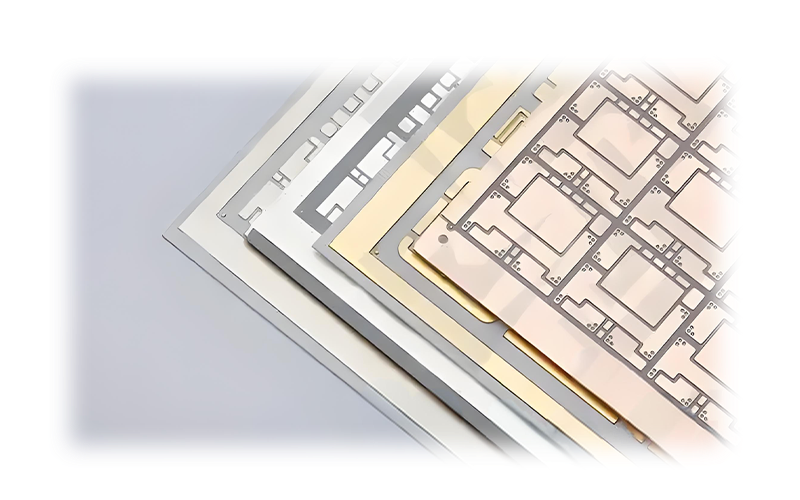
The DEEPETCH Aluminium Nitride (AIN) substrates enable high thermal conductivity in RF circuits which effectively dissipates heat during continuous electromagnetic stress. The CDIP package materials maintain thermal stability during extreme operational environments which makes them appropriate for defense-grade radar systems operating in different climate zones.
Why Is Core Communication Technology Essential for Satellite Communication?
The distance of satellites from Earth along with restricted power supply and extreme environmental factors create specific challenges for satellite communication systems. The reliability of uplinks and downlinks depends on core communication component robustness which also affects system integration efficiency and mission survivability during extended periods.
Uplink and Downlink Signal Integrity
The engineering process of maintaining signal clarity through thousands of kilometers proves to be a complex task. The Deepetch TR modules provide reliable link performance throughout all orbital ranges. The modules achieve both high modulation precision and minimal noise output which enables successful telemetry and data transmission operations.
The low-noise amplification function of High-frequency InAs components serves satellite receivers by minimizing signal degradation that occurs when signals pass through atmospheric layers and space-based interference.
Miniaturization and Integration of Satellite Payloads
The mass and volume restrictions of satellite payloads limit their operation. The development of miniaturized systems becomes possible through advanced packaging technologies which unite various functions into small unified units.
The DEEPETCH provides ceramic CDIP solutions which enable satellite transceiver compact integration through their mechanical reliability and electrical isolation capabilities. The use of TR chips for monolithic integration minimizes the requirement for separate components which results in better system reliability and easier manufacturing processes.

Radiation Resistance and Reliability in Space Environments
The space environment presents dangerous conditions because it contains radiation explosions and freezing temperatures and gas emissions that occur when materials are exposed to vacuum. The radiation resistance of InAs materials makes them suitable for building space-compatible electronic devices. The material shows excellent resistance to radiation which makes it suitable for building satellite payload components including amplifiers and oscillators and detectors.
The increasing need for reliable satellite packaging of affordable satellites (STARLINK) has made InAs and CDIP materials essential for commercial satellite constellations.
What Role Do Materials Play in Enhancing Communication Performance?
Any communication system depends on materials which determine how they behave thermally and electrically while maintaining structure and extending their operational lifespan.
Thermal Conductivity and Electrical Insulation Properties
High-frequency systems produce extreme heat that requires efficient heat management systems. The heat dissipation properties of AIN substrates make them essential for high-frequency device applications. The high insulation strength of these materials helps prevent signal interference between closely arranged components.
The substrates used in AIN-based RF front ends minimize insertion loss at high frequencies while preserving their dielectric properties.
Semiconductor Properties of III-V Compounds
High-speed electronics depend on III-V semiconductors which include Indium Arsenide as their main component. The high electron mobility of InAs makes it suitable for ultra-fast switching applications which are required for GHz-range communication systems.
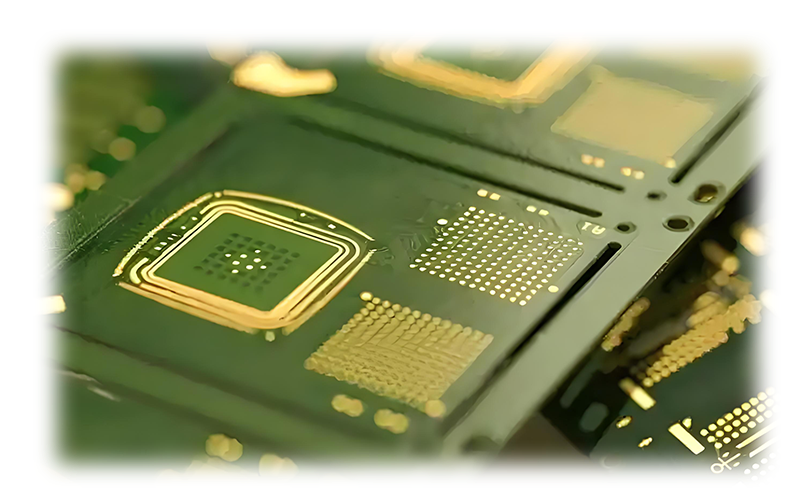
The low bandgap properties of InAs-based wafers make them appropriate for infrared sensing applications which include Earth observation satellites and missile warning systems.
Mechanical Strength and Hermetic Sealing Capabilities
The mechanical strength of components becomes crucial when operating in launch environments that experience vibration and shock events. The CDIP package design provides protection against mechanical shock that occurs during launch and deployment operations. The package design provides hermetic sealing capabilities which defend sensitive electronic components from contamination and moisture exposure.
CDIP packaging serves as an essential component for critical space missions including deep space probes and defense satellites.
How Do TR Transceivers Enable Advanced Radar Capabilities?
The TR modules function as the brain of electronically scanned radar arrays which operate as their central nervous system. The performance of TR modules determines how well radar systems achieve resolution and range and beam agility and operational reliability.
Beamforming Accuracy and Multi-Beam Support
The operation of phased array radars depends on exact phase synchronization between all their channels. The TR modules from Deepetch enable phase control for electronic beam steering systems. The system enables real-time tracking of multiple targets across different sectors through its ability to generate multiple beams simultaneously which is essential for air traffic control and battlefield surveillance applications.
Power Amplification and Low Noise Reception Functions
The transmission paths require power amplification systems that operate efficiently while minimizing harmonic distortion. The receive paths require ultra-low noise amplification to maintain weak signals that originate from distant targets.
The balanced gain control system extends dynamic range capabilities which are critical for long-range radar operations and TR modules have built-in support for this function.
Modular Integration into AESA Radar Architectures
Modern radar systems now use AESA technology because it provides both scalability and system resilience. The modular design of TR units makes it easier to perform maintenance work and system upgrades and expand radar system capabilities. The array density remains high because of compact designs which work with AIN substrates while maintaining thermal stability.
In What Ways Does Communication Technology Shape Satellite Payload Design?
Satellite missions operate across different domains because they use Earth imaging technology and interplanetary research methods yet they need powerful data management systems and reliable communication networks to function properly.
Data Throughput Optimization Across Frequency Bands
Satellites achieve maximum spectrum utilization through efficient modulation systems which optimize data transfer rates. The high-speed TR transceivers from Deepetch maintain constant data transfer rates through Ka-band and X-band satellite communication links which defense and commercial satellite networks operate on.
Modular Payload Configurations Using Standardized Packages
Standardized packaging helps reduce development risks while allowing fast payload customization. The CDIP package design enables simple module integration into satellite buses through plug-and-play assembly which shortens testing periods and qualification procedures.
Interoperability With Ground Segment Infrastructure
The process of ground-to-satellite synchronization needs exact frequency stability maintenance. The InAs-based oscillators produce low phase noise which enables better synchronization between satellite transmissions and ground-based gateways.
How Does Packaging Technology Impact System-Level Reliability?
The packaging system serves as a protective shell which enables silicon functionality to operate safely in environmental conditions.
Environmental Protection Under Extreme Conditions
The Hermetic sealing method protects against vacuum exposure and temperature cycling degradation. The Deepetch CDIP housings demonstrate excellent outgassing resistance which makes them suitable for space applications where electronic components need to operate without atmospheric shielding.
Electromagnetic Shielding Against Interference
The EMI shielding properties of ceramic packages exist naturally as a built-in feature. The shielding properties of ceramic packages make them suitable for applications where analog front ends operate alongside digital control circuits in mixed-signal environments.
Mechanical Interface Compatibility With Assembly Processes
Standard interfaces enable automated manufacturing processes to function optimally. The dual-row insertion design makes PCB mounting easier for mass production because it decreases labor expenses and boosts system integration yields.
FAQ
Q1: What benefits do TR modules bring to phased array radar systems in terms of performance?
A: The TR modules provide exact phase control for beam steering operations and enable multiple channel configurations which support target tracking across broad sectors.
Q2: What makes Aluminium Nitride more suitable than other ceramic substrates for use?
A: The material provides excellent thermal conductivity between 160-260 W/m·K which enables effective heat dissipation in high-power RF applications including radar T/R modules.
Q3: What characteristics of InAs make it suitable for satellite communication applications?
A: The high electron mobility and radiation resistance properties of InAs enable its use in low-noise amplification and oscillator circuits for space-based applications.