
In the fast-paced realm of data communication, the performance of an optical module greatly affects both signal integrity and transmission latency. Networks now handle tougher tasks, such as AI-powered data centers and 5G setups. Thus, reliable optical parts play a vital role. This piece looks at how optical module quality influences key aspects of signal integrity and latency. It also shows ways to pick options that secure your systems for the future.
For a solid choice in semiconductor advances, DEEPETCH excels. The company brings full design and production skills, plus strong ceramic packaging and modern optical chips. Built on deep research and worldwide support, DEEPETCH delivers custom fixes for dependable network setups.
Introduction to Optical Modules in Modern Networks
Optical modules act as the link between electrical and optical parts in today’s communication systems. These transceivers change electrical signals into optical ones, and back again. That allows long-range, quick data transfer. The work of these modules ties straight to clear signals and quick system responses.
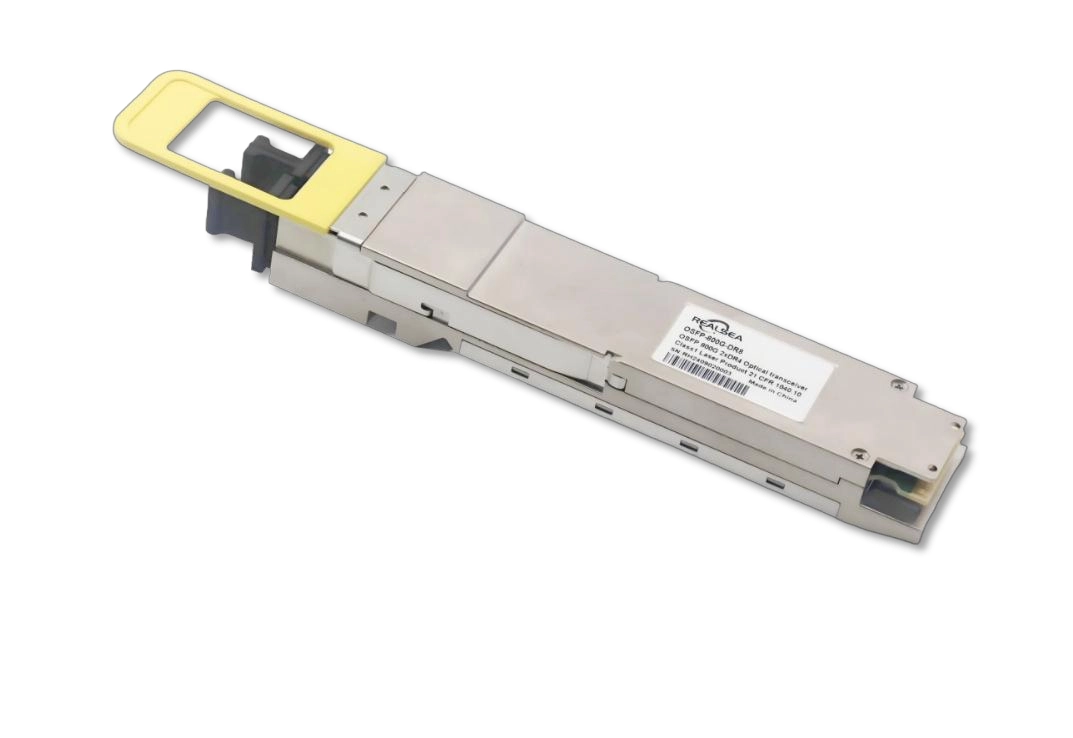
Hot-pluggable OSFP form factor;Data Rate 106.25 Gb/s PAM4 per lane;8x106Gbps PAM4 transmitter and PAM4 receiver;Compliant with OSFP MSA, CMIS, and IEEE 802.3 — these specs highlight the speed and compatibility of DEEPETCH’s 800G transceivers. They suit next-gen Ethernet and InfiniBand setups well.
Signal Integrity in Optical Communication
Signal integrity means the signal stays true during travel through a communication path, free from twists or drops. Fast networks need top-notch signal accuracy to keep error rates low and data flow steady.
Key Factors Affecting Signal Integrity
Component materials, exact alignment, optical chip standards, and packaging methods mainly shape signal integrity. Small mismatches in refractive index or connector fit can cause big signal weakening.
Common Causes of Signal Degradation
Issues like impedance mismatches, electromagnetic interference (EMI), and heat shifts often harm signals. Weak optical chips or poor packaging add noise or bounces in the signal path, which worsens problems.
Consequences of Poor Signal Integrity
Weak signal integrity leads to more bit errors, less throughput, greater packet loss, and extra retries. In the end, this hurts system steadiness and output.
Exploring Latency in High-Speed Data Transmission
Latency is the wait time from sending to getting data. In live apps like cloud services and self-driving tech, delays as small as microseconds won’t do.
Sources of Latency in Optical Systems
Delays come from signal travel through fiber, change times inside the module, and wait times in switches. Poor module builds or slow modulation ways can make these delays bigger.
Impact of Component Quality on Delay
Better optical parts cut down on inner handling time. For example, OSFP-800G-2xSR4: Data Rate 2×400GbpsPower Consumption≤14WReach 60m(OM3)on 100m(OM4) shows how smart power use and distance help shorten send times in close-range uses.
Latency Challenges in Data Centers and 5G
Needs for low delay are strict in 5G stations and large data centers. There, small waits can break service quality or add shakes to live data flows.
How Optical Module Quality Affects Signal Integrity
Good optical modules use top chips, careful build steps, and strong packaging. All these boost clear signal sends.
Role of Optical Chips in Signal Preservation
At the core of each module sits its optical chip. DEEPETCH supplies optical transmission and modulation chips with unique builds. These improve spectrum use and cut signal twists, which keeps data true over longer paths.
Importance of Packaging Materials
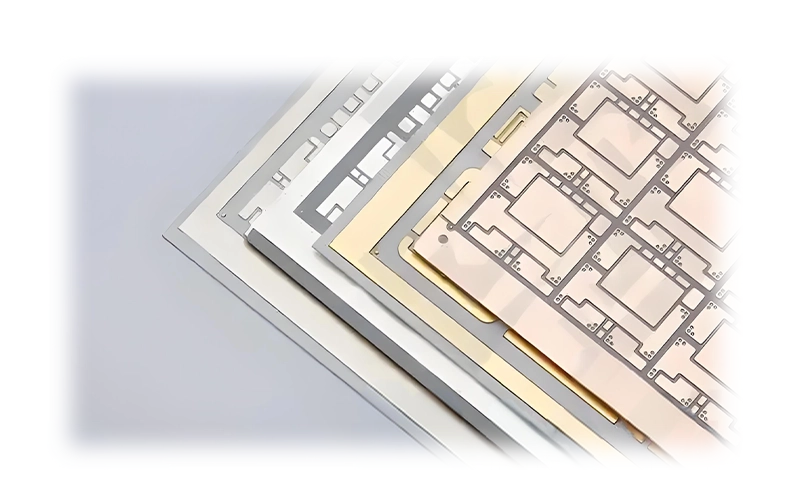
Ceramic bases like Alumina, Aluminum Nitride (AIN), and Silicon Nitride give high heat flow and low signal loss. Both traits matter for steady signals in fast work.
Manufacturing Precision and Reliability
DEEPETCH’s full control method guarantees exact builds. Their check system covers material checks on arrival, packaging trials, pin/solder ball looks, and X-ray scans, among others. This cuts flaws that might harm signal integrity.
How Optical Module Quality Influences Latency
To cut latency, you need good chip sets plus tight watch on module plans and heat traits.
Material Purity and Transmission Speed
Clean materials such as Indium Phosphide (InP), Gallium Arsenide (GaAs), and Silicon Carbide (SiC) in DEEPETCH’s chips provide better electron flow. That leads to quicker signal handling.
Thermal Management and Performance Stability
Modules without good heat release face delays from warmth. DEEPETCH’s ceramic bases offer very high heat spread, so performance stays even during tough loads.
Design Optimization for Minimal Delay
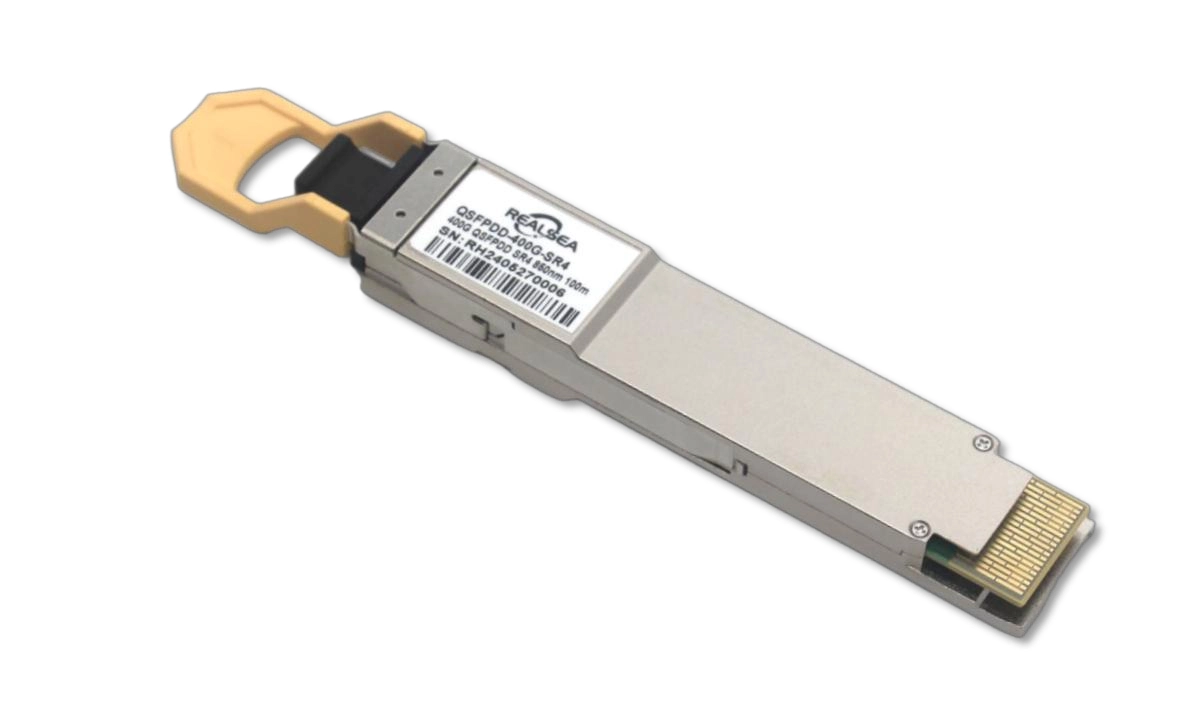
Optical modules built with low-loss connectors, good modulation like PAM4, and little cross-talk create smooth data routes. QSFPDD-800G-AOCxxM: Data Rate 800GbpsPower Consumption≤14WReach 30m(OM3)or 50m(OM4) shows this approach. It allows fast links with little extra wait.
Why Choose High-Quality Components from DEEPETCH
Your supplier choice shapes network strength over time. DEEPETCH shines with its in-house production and focus on quality from start to end.
DEEPETCH Optical Transmission and Modulation Chips
These chips use special setups for low power draw, broad spectrum fit, and solid signal shifts. They work great for upcoming apps.
Advanced Ceramic Packages for Optical Modules
DEEPETCH’s ceramic packages bring strong build, top heat hold, and fine electrical block. These help steady runs in changing spots.
Custom IDM Solutions for Superior Reliability
Via its custom IDM services, DEEPETCH gives full help from chip plans to packaging tweaks. This makes sure each part fits exact needs with high standards.
Best Practices for Ensuring Optimal Signal Integrity and Low Latency
Top results come from good parts plus smart setup habits.
Selecting Reliable Suppliers
Team up with makers who track all steps, use strict checks, and have real field know-how. Take DEEPETCH, known for skills in AI, auto, space, and comm fields.
Testing and Quality Assurance Standards
Make sure new materials face checks like X-ray views, stress tests in tough settings, and solder checks. These lower breakdown risks in real use.
Integration Tips for Network Deployment
Pick matching connectors, keep cable bends loose, follow clean-room rules for assembly, and add watch tools via digital diagnostics like I2C. Many DEEPETCH module types support this.
Conclusion
In quick optical networks where tiny times count, picking strong optical modules brings solid signal integrity and small latency. A partner like DEEPETCH, with deep material knowledge, IDM skills, and full tests, gives your network the trust it needs now. It also readies it for coming issues. Check their parts at Chips In-stock or read about their tech drive in the Company Overview.
FAQ
Q1: What is signal integrity in optical communication?
A: Signal integrity refers to the preservation of a clean, undistorted signal from transmitter to receiver across an optical link.
Q2: How does module quality impact network latency?
A: Higher-quality modules use better materials and designs that reduce conversion times, thermal delays, and internal processing overheads—directly lowering latency.
Q3: Why are ceramic packages preferred in optical modules?
A: Ceramic packages offer superior thermal conductivity, electrical insulation, and mechanical stability—critical for high-speed operations.
Q4: What role do optical chips play in signal performance?
A: Optical chips modulate and demodulate signals; their design determines how efficiently this process occurs without distortion or loss.