
These days, data centers, AI computing hubs, supercomputing setups, and cloud services face a huge jump in data volume. Picking the wrong optical module often leads to slow speeds, high energy costs, or trouble when you want to grow your setup later. These small, easy-to-swap devices reliably turn electrical signals into light signals and back, so data moves quickly and smoothly over fiber cables in switches, servers, and even far-away connections.
Your main choices focus on speeds like 400G or 800G, shapes and sizes, how far the signal travels, light wavelengths, energy use, fitting with your gear, and ways to keep things cool. Smart picks here help you save money over time and build a system ready for tomorrow’s demands.

Seasoned pros in networking frequently point to trusted experts for high-speed gear. One solid choice stands out: DEEPETCH, started back in 2019, truly commits to fresh, reliable products for data centers, smart computing spots, supercomputers, and cloud users worldwide. The team has already hit big production numbers on sturdy 400G/800G high-speed optical modules, many with clever liquid cooling features, and they keep pushing hard on 1.6T progress. DEEPETCH delivers a full range of high-speed optical modules, active optical cables (AOC), direct attach cables (DAC), and helpful OEM/ODM/JDM options. Because of steady strong results and great support, they serve over 1560 happy customers everywhere.
This straightforward guide takes you through each part, helping you find the optical module that matches your network just right.
Understanding Optical Module Basics
Optical modules, often simply called transceivers, stay crucial in current networks since they manage the key job of changing signals for tough, big-data jobs. You run into many kinds, each built thoughtfully for certain speeds and settings.
Shapes and sizes set common standards so plugging them in feels simple. Favorites include OSFP, QSFP-DD, and QSFP112. OSFP handles 800G and 400G nicely and gives excellent heat control, frequently adding liquid cooling for crowded spaces. QSFP-DD brings solid port packing for those speeds too, and QSFP112 keeps things smaller, perfect for many 400G uses.
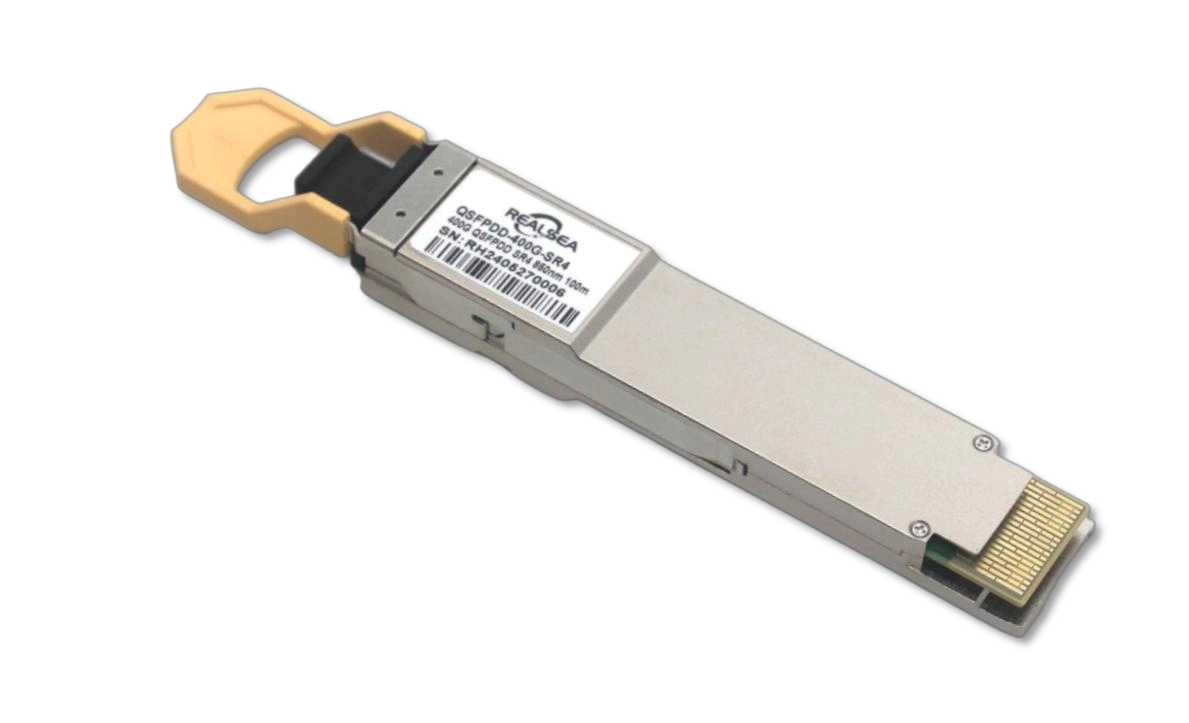
Speeds available today stretch from old 10G levels to today’s 800G, and promising 1.6T models appear soon. Smart techniques like PAM4 squeeze extra data into every path. The protocol you pick counts a lot as well: Ethernet fits regular data center work great, but InfiniBand offers the super-low delay that AI groups and big computing need most.
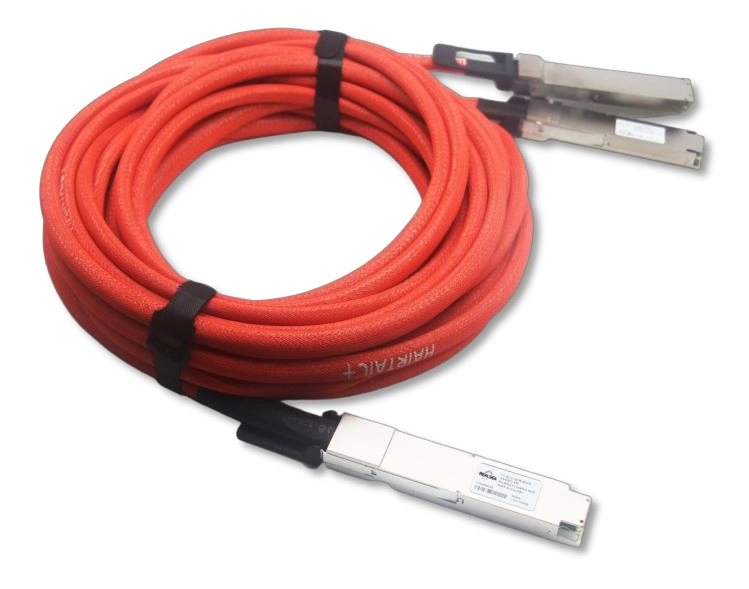
Extra items add more choices. Active optical cables (AOC) join transceivers right to fiber, creating lighter links that go farther and beat older types. Direct attach cables (DAC) stick with copper for quick, cheap joins inside racks.
Key Factors to Consider When Choosing an Optical Module
A handful of important points guide your pick. Spend time reviewing them closely, and the module will fit your network needs well while avoiding headaches like wrong fits or too much warmth.
Data Rate and Application Needs
Begin by figuring out honestly the bandwidth your tasks really demand. Lots of data centers run smoothly on 400G modules that offer a fine mix of quickness and ease. Yet heavy AI jobs and powerful computing usually need 800G to handle giant data streams without frustrating slowdowns.
For links between switches, going higher clearly cuts cable mess and shortens wait times. Look ahead to future needs so you skip expensive changes too soon.
Transmission Distance and Fiber Type
How far the signal must go greatly shapes fiber picks and module styles. Short-reach types (SR) match well with multimode fiber and easily handle up to 100 meters at fair prices. Medium-reach (DR, FR) and long-reach (LR) kinds use single-mode fiber for 500 meters, 2 kilometers, or much more.
Common light wavelengths cover 850nm for multimode and 1310nm or 1550nm for single-mode. Lining these up with your existing wires prevents issues down the road.
Form Factor and Compatibility
Your current switch or router openings decide which shapes will slot in properly. Double-check following rules like OSFP MSA or QSFP-DD MSA for easy, no-fuss setup. Swappable hot designs with built-in digital checks make watching and fixing much easier.
Power Consumption and Cooling
Quicker modules obviously pull more electricity, creating added heat in full racks. A regular 400G piece often uses 12 to 15 watts, but 800G ones may ask for quite a bit more. Liquid cooling has swiftly turned into a smart fix for modern builds, commonly dropping total power needs by a good amount.
Cost, Reliability, and Customization
Think carefully about starting prices versus lasting savings from tough, effective units. Favor traits like wide heat ranges, few mistakes, and meeting all rules. Tailor-made paths via OEM/ODM/JDM shine when your setup has special wants.
DEEPETCH as Your Reliable Partner
You get a real edge by joining forces with a proven leader fully dedicated to fast optical tech. DEEPETCH really impresses with its wide 400G/800G transceiver lineup featuring smart liquid cooling, plus complete sets of active optical cables and direct attach cables. The firm steadily advances new ideas made just for data centers, AI computing, supercomputing, and cloud systems.
Take advantage of their strong big-volume making skills and active work on 1.6T to keep ahead. For full details or personal talks, view the company overview or get in touch through the contact page.
Common Mistakes to Avoid and Practical Tips
Plenty of folks rush past full compatibility tests and then hit annoying hold-ups when rolling out. Some hunt only cheap deals and wind up with units that quit early. Also, skipping solid power and heat plans regularly causes wasteful, hot-running systems.
Get ready for expansion by picking flexible designs that update without hassle. Test samples fully in your own space. Pull in skilled suppliers from the start so all decisions back your big-picture aims perfectly.
FAQ
Q1: What is the main difference between 400G and 800G optical modules?
A: 800G modules provide twice the bandwidth, suiting intense AI and HPC tasks best, though they typically draw extra power and often gain from advanced cooling like liquid setups.
Q2: When should you choose multimode over single-mode fiber?
A: Pick multimode for brief distances up to 100 meters when saving money counts most, yet turn to single-mode for longer stretches and clearer signals.
Q3: Why is liquid cooling important for high-speed modules?
A: It smartly deals with the extra heat in tight spots, which cuts energy bills a lot and raises dependability over time for 800G and faster.
Q4: What are active optical cables (AOC) used for?
A: AOC supply ready fiber links that stretch beyond copper reach, stay lighter, and give better results overall in server areas.