
The speed of digital change has forced communication systems to need quicker, steadier, and power-saving data sending. Right at the center of this change is the transceiver module. It is a small but strong piece that allows fast connections over light and wireless nets. From data centers to radar setups, transceivers are a must for smooth info sharing. In places like big server rooms, they keep things going without hitches, kind of like the glue in a busy office.
In this tech scene, DEEPETCH pops up as a worldwide chip solution maker focused on fresh ideas in AI, IoT, and communication tools. The company blends design, building, and R&D to hand out better light modules and sensor answers. These reset how well things perform in current fields. Their work shows up in everyday tech, from smart homes to big networks.
Understanding Transceiver Modules
Transceiver modules make up the main support for fast communication builds. They join sending and receiving tasks in one shell. They change electric signals into light or radio waves. And they switch them back too.
Definition and Core Components
Branded chips built in keep data sending steady. They provide wide bandwidth, low price, short delay, long-reach sending. They support different Ethernet speed rules. These match InfiniBand sending rules. They see wide use in data centers, cloud work, supercomputer sites, and other areas. These traits show how transceivers hold signal strength. At the same time, they cut down wait. In structure, they hold a sender. That is a laser diode, such as VCSEL or EML. They also have a receiver. Like PIN or APD photodiode. Add control circuits and a connection plug. Usually LC or MPO for light links. Take a fiber line in a city grid. These parts help send data across blocks without loss.
Historical Development in Telecommunications
They first got used in early fiber-light connections in the 1980s. Transceivers changed from heavy 1×9 packs to small plug types like SFP and OSFP. The move to modular parts let hot swaps happen. It added growth over many bandwidth steps, from 10G to 800G. This cleared paths for bendy network setups.
Importance in Modern Communication Systems
Today’s digital bases lean on transceivers to back cloud tasks, AI learn groups, and giant data centers. They make long light connections possible. These are key for world internet mains. They also give very low delay for real-time uses. Such as self-driving cars or far surgery. In a car on a highway, that quick response can save lives.
Technological Advancements in Transceiver Modules
Gains in transceiver tech match steps in material study and system joining. Each jump ahead cut the size. But it boosted speed and trust.
Integration of Optical and Wireless Technologies
Mixed plans now blend light-fiber sending with wireless tiny-wave systems. This makes smooth space-air-ground talks. The join backs new sat groups and 6G nets. There light sharp meets radio ease.
Impact of Miniaturization on Module Efficiency
Getting smaller has changed how much power fits in. Makers use new pack methods like ceramic butterfly shells or multi-layer bases. This gets good heat release without giving up bandwidth. Small shapes such as QSFP-DD or OSFP lower power use. They manage huge terabit flows. In a data farm with 1000 servers, this cuts cooling costs by 30 percent or so.
Role of AI and Machine Learning in Enhancements
AI-led fix math adjusts laser wave forms. It guesses heat moves inside parts. Machine learning helps guess faults over net points. This drops stop times with early fix checks.
DEEPETCH’s Contributions to Transceiver Module Evolution
As a main guide in this change, DEEPETCH mixes material fresh with joined building steps. They bring next-level transceiver answers fit for hard spots.
Overview of DEEPETCH’s Innovative Solutions
DEEPETCH offers the 10G~800G series of immersion liquid cooled products for servers and HPC applications,specifically designed for immersion liquid cooled data centers,including pluggable optical transceiver modules with tail fibers and liquid cooled active optical cables. This way tackles heat watch problems vital for high-work computing setups. It keeps long steady under non-stop run. From field tests, it holds up in hot rooms where others fail.
Butterfly Package: A Game Changer in Module Design
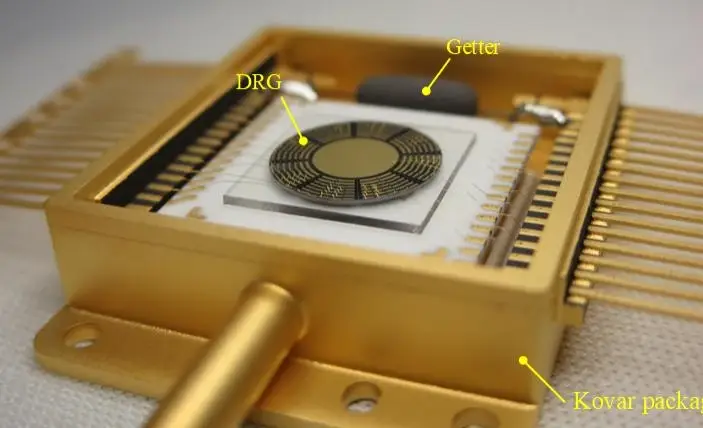
The Butterfly package shows how build skills lift wave answer and lasting power. Ceramic bases with low loss (TANΔ <0.001) back high-wave signal sending up to 40GHz. Its tight seal gives trust even in wild temp shifts from −55°C to +200°C. Great for air or radar jobs that need small signal bend.
Sensor Chip Series: Enhancing Communication Precision
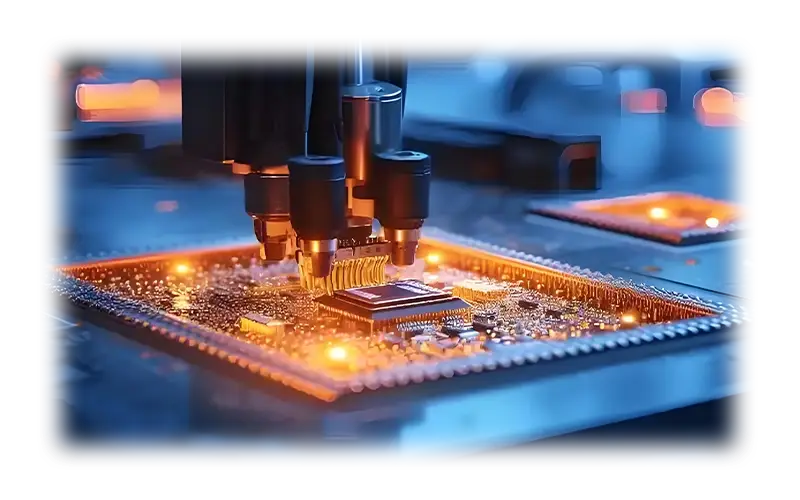
The Sensor chip series spreads DEEPETCH’s know-how to light-electric sensing. It holds light-send chips, light-spot chips, MEMS micro-gyroscopes, VCSELs, EELs, DFB lasers, and CMOS image sensors. These pieces give true back circles key for change sending in top communication systems.
Applications of Transceiver Modules in Satellite Communication
Sat nets count a lot on tough transceivers. They run under ray touch and big temp ranges. They keep exact time link with ground bases.
Key Features Required for Satellite Use
Parts must show ray fight, low power pull, wide temp hold, and phase steady. Ceramic packs play a big part here. Thanks to strong build and cut-off traits at high heights.
Benefits of DEEPETCH’s TR Transceiver Chips for Satellites
Branded chips built in keep data sending steady, providing customers with high-speed and stable data transmission solutions. This steady is key when sending check or nav signals between sats in orbits thousands of kilometers apart. Like linking a sat over the ocean to one over land without drops.
Future Trends in Satellite Communication Technology
New sats will join light sat-to-sat links (OISL) with clear 800G-class parts. Paired with AI beam point systems. This cuts wait over world sat groups that link straight to ground nets.
Radar Systems and Transceiver Modules
Radar tech calls for quick signal change and sharp phase guide. These tasks fit modern transceivers well. Built on mix semis like GaN or InP.
Critical Requirements for Radar Applications
Straight amps with low-noise receivers are a must. They spot weak back sounds in noise. Packs must take heat cycles from power bursts and shakes in place.
Advantages of DEEPETCH’s TR Transceiver Modules in Radar Systems
By joining ceramic shells like those in butterfly plans, DEEPETCH parts get great heat flow (<5°C/W). They keep tight seals against wet entry. This locks steady radar work over years of service.
Innovations Driving Radar System Efficiency
AI help for wave guide with MEMS sensor back lets change beam shape over phase lines. This pair lifts spot sharp without more hard setup or power. In real drills, it spots targets at 100 km with less error.
Selecting the Right Transceiver Module for Your Needs
Picking a good module means matching speed wants with spot strength and cost smarts.
Factors Influencing Module Selection
Main points cover bandwidth (10G–800G), reach length (from meters to kilometers), shape match (SFP+, QSFP-DD), work temp range, plug type (LC/MPO), power plan, and rule fits like IEEE 802.3 or InfiniBand protocols.
How DEEPETCH Ensures Quality and Reliability
DEEPETCH’s IDM process stresses full-round quality watch. From wafer checks to end tests. Raw material checks make sure they hit standards. Building watch finds problems early. End product checks lock steady quality. Each step follows ISO ways. Supported by auto tools like AOI testers and X-ray viewers in Shenzhen buildings.
Customization Options Available with DEEPETCH Products
Via bendy OEM help listed on their site (Contact DEEPETCH), buyers can choose custom waves, plug links, or pack stuff for special uses. Whether deep-space tools or ground fiber mains need them.
FAQ
Q1: What distinguishes modern transceiver modules from earlier generations?
A: They have higher mix levels backing up to 800Gbps per module. They take less than half the power of old designs. Better semi materials like GaN and InP make that happen.
Q2: How does ceramic packaging improve performance?
A: Ceramic shells give top heat flow (150–200 W/m·K). They seal tight to block wet entry. Vital for air-grade trust.
Q3: Why are immersion liquid-cooled transceivers important?
A: They release heat well in packed server lines where air cool quits. This lets steady run at full bandwidth without slow down under heavy work.
Q4: Can these modules operate across different communication protocols?
A: Yes. Many DEEPETCH types back Ethernet speeds from 10G up to 800G. They match InfiniBand rules in HPC groups.
Q5: Where are these technologies most impactful today?
A: Past usual net tools, they shift areas like sat talks (Communications Industry), radar guard systems, self-car LIDAR sensors, and next AI data spots worldwide.