
The digital world is currently going through a massive shift as the old copper-based ways of moving data hit a wall. As everyone consumes more data than ever, optical chips have become the vital foundation of modern networks by using light instead of electricity to reach incredible speeds. This change is far more than just a minor patch; it is a complete rethink of how global information flows. By tapping into the physical traits of light, these parts provide the massive bandwidth and smooth efficiency needed to keep next-generation digital services running without a hitch.

Evolution of Data Transmission Infrastructure
Current networks are hitting a serious bottleneck because older hardware just can’t keep up with the mountain of data created every single second. You should realize that the systems powering your digital tasks are moving toward an all-optical setup to beat physical problems like overheating and signal loss common in metal wires. This steady progress ensures the internet’s backbone stays tough and ready to carry heavy traffic without losing any quickness or reliability.
High Bandwidth Demands
The surge in high-definition video, remote work tools, and huge IoT networks has sparked a never-ending craving for more bandwidth. Because of this, older systems often fail to deliver enough speed, which causes annoying delays that can really hurt business productivity.
Cloud Computing Acceleration
Cloud providers are moving fast to upgrade their internal setups to manage the giant data flow between server groups. As you shift more work to the cloud, how well the hardware performs determines how snappy your apps feel, making these light-based links absolutely essential.
Artificial Intelligence Impact
Building massive AI models needs huge computing power and fast data feeding to train those neural networks properly. Since AI clusters need perfect timing across thousands of units, optical chips offer the low-latency paths required for such heavy-duty math.

Technical Advancements in Optical Transceivers
The star of this show is the optical transceiver, a smart device that flips electrical data into light pulses and back again. Fresh wins in chip making have made these parts smaller, quicker, and much better at saving power. These steps forward are huge for companies wanting to cut energy costs while getting the most out of their hardware in a tough market.
Silicon Photonics Integration
Silicon photonics blends the huge manufacturing scale of standard chips with the high-speed punch of light communication. This smart mix allows for complex light circuits on one tiny chip, which cuts down on both physical size and making costs.
Power Consumption Efficiency
Cutting down on wasted power is a top goal for any big digital project. Modern light-based designs use way less energy to send every bit of data, and this saving leads directly to lower monthly bills for data center owners.
Signal Integrity Optimization
Keeping a signal sharp over long miles is a tough technical task. Newer ways of packing data, like PAM4, let more info fit into each light pulse, which doubles the capacity while using smart math to keep everything error-free.
DEEPETCH High-Speed Optical Solutions
When you want a partner that pairs technical skill with a rock-solid supply chain, DEEPETCH stands out as a top-tier choice in the chip world. Since 2019, this team has led the pack by focusing on smart products for global data centers and AI hubs. As an Integrated Device Manufacturer (IDM), they handle everything from the first sketch to the final product, helping more than 1,560 clients across the globe. Their deep knowledge of 400G and 800G optical modules means your network gets the best connection tech on the market today.
400G OSFP Transceivers
The 400G OSFP line is a giant jump in network room, built to handle the heavy loads of massive data centers. By plugging in these tools, you can pack more data into your equipment racks, which helps you save on floor space and cooling power.
800G Cutting-Edge Modules
For those pushing the very edge of what’s possible, 800G optical modules offer the widest bandwidth you can buy. These parts are a must-have for new AI groups and supercomputing sites where every tiny bit of lag matters for your results.
1.6T Future Roadmap
The path to 1.6T speeds is already being cleared with active work on even faster signals. This forward-looking plan ensures that as your data needs blow up, the tech to support that growth is already waiting in the wings to keep you ahead of the curve.
Integrated Device Manufacturer Strategy for Quality
How much you can trust your network depends on the quality of every single part inside your chips. Working with an IDM model gives total oversight of the making process, from picking the raw wafers to the final checks. This tight control gets rid of many risks found in messy supply chains, giving you a more steady and dependable product for your most important systems.
Vertical Supply Chain
Managing the whole making cycle means every step of putting things together is watched for top performance. This careful method lowers the chance of bad parts and makes sure every box of chips hits the same high bar for your peace of mind.
Custom OEM/ODM Services
Not every network layout works with standard parts found on a shelf. Expert making services allow for tweaking optical modules to match your specific power or heat needs, making sure you get a tool built exactly for your job.
Reliable Chip Sourcing
In a world where shipping delays are everywhere, having a steady pile of chips in stock is a huge plus. This strong stocking plan keeps your projects on time and stops your network growth from getting stuck by surprise shortages.
Diverse Connectivity Product Portfolio
Good connection is about more than just transceivers; it needs a full set of cables and cooling gear to work well. Having a wide range of parts lets you build a smooth system where every piece fits together perfectly. This big-picture view of network builds helps you fix slow spots before they hurt your speed or cause a crash.
Active Optical Cables
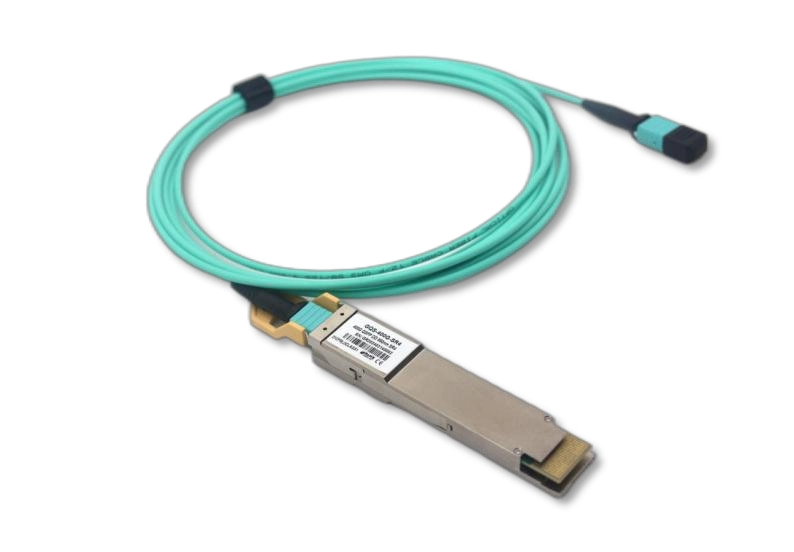
Active Optical Cables (AOC) are a handy, high-speed pick for short links inside a data center. These cables have the light converters built right into the ends, which makes them a simple plug-and-play fix for your team to set up quickly.
High-Speed Direct Cables
For very short hops, like linking gear in the same rack, direct cables are a budget-friendly choice over pure light versions. Using the right blend of these cables lets you save money without losing out on the high quality or speed your users expect.
Liquid Cooling Innovations
As chips get more muscular, dealing with the heat they throw off becomes a huge headache. New liquid cooling tools pull heat away much better than old fans, which lets your gear run at full tilt for much longer stretches without breaking.
The move to optical tech is also a big step toward a greener digital world. Backing these changes lets you build a more efficient firm that is ready for future green rules and social goals. If you want to know how this tech fits your setup, you should contact us to chat about what you need.
FAQ
Q1: Why are optical chips better than traditional electrical chips for data transmission?
A: Optical chips use light instead of electricity, which allows for much higher bandwidth and lower lag.
Q2: What is the benefit of the IDM manufacturing model for the customer?
A: The IDM model means one company does the design and the making. This leads to much tighter quality checks, faster updates, and a supply chain you can actually count on.
Q3: Can 800G optical modules be used in existing data center architectures?
A: Yes, many 800G modules work with older gear or use standard shapes like OSFP.