
Wireless networks are evolving toward a key point where communication and sensing functions merge rather than remain distinct. In the 6G era, combining these roles within a single Transceiver (TR) module, referred to as Integrated Sensing and Communication (ISAC), emerges as the preferred approach for advanced infrastructure. This merger enables hardware to handle data transmission and environmental detection at the same time, which transforms the network into an extensive radar system. Navigating this intricate shift requires a collaborator with solid technical foundations. DEEPETCH, founded in 2019, has quickly established itself as a frontrunner in this domain. Through its advanced IDM model, the company focuses on high-speed optical modules and sophisticated sensor chips. Serving more than 1,560 clients worldwide and maintaining close R&D connections with leading universities, it delivers dependable large-volume production for 400G/800G systems while pushing forward 1.6T developments. Such capabilities guarantee that the move to ISAC receives support from established hardware quality.

The Paradigm Shift Toward ISAC in 6G Networking
A basic transformation occurs in the use of radio frequency resources. Traditional setups divide spectrum strictly for data transfer or radar detection, which results in notable waste and duplicate hardware. ISAC removes these divisions by allowing TR modules to share the same waveform, spectrum, and components for both tasks. This combination proves crucial for the 6G environment, where bands such as Sub-Terahertz demand careful resource handling to offset their setup expenses.
Dual-functional Waveform Design
The essence of ISAC involves developing a signal that transports data bits and retains traits ideal for radar imaging and object following. Ensuring the waveform features minimal sidelobes and strong resolution helps avoid clashes between sensing returns and the data flow. These qualities maintain clear separation and effective operation in combined systems.
Hardware Efficiency Optimization
Integrating sensing and communication into a unified module greatly cuts the size and energy use of devices. This merging supports crowded city installations, where available space and power limits remain narrow. As a result, overall system performance improves in constrained settings.
New Application Scenarios
ISAC unlocks innovative services like accurate gesture detection, terrain mapping for self-driving vehicles, and Industrial automation that relies on quick response cycles for safety and productivity. These uses extend network roles beyond basic connectivity. Consequently, practical benefits emerge across various sectors.
Hardware Foundations: High-Speed Optical Modules as the Backbone
Implementing ISAC generates vast data from concurrent sensing and communication, which can overload typical backhaul links. Edge transceiver parts require a sturdy, wide-band optical setup to move unprocessed sensing information to central units without delays. High-capacity links thus determine the system’s total effectiveness.
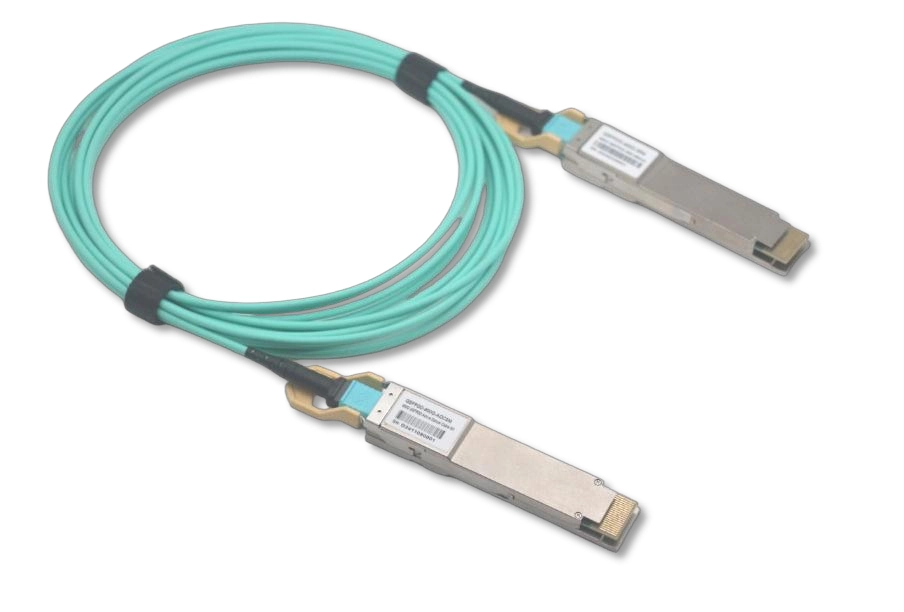
800G OSFP/QSFP-DD Series
Managing the large data flow in 6G calls for 800G optical modules that apply modern modulation methods. These units supply the needed capacity so that detailed sensing data avoids delays during busy communication times. This support ensures smooth data handling under load.
Low-Latency Liquid Cooling
Heat control poses a common issue as power levels increase. Liquid cooling for high-speed modules maintains steady output and avoids heat-induced slowdowns, which proves vital for the ongoing alignment in ISAC setups. Such measures sustain reliable function over time.
Scalable 1.6T R&D Roadmap
Securing networks for the future involves advancing past existing norms. Selecting a supplier already working on 1.6T tech guarantees that setups can expand as sensing detail and data needs rise sharply. This planning positions systems for long-term growth.
Sensor Integration: Enhancing TR Modules with Intelligent Sensing
An effective ISAC TR module extends beyond radio signals and includes various physical sensors to adjust and improve its surroundings awareness. Embedding MEMS sensing parts into the transceiver structure allows monitoring of nearby factors like heat, pressure, and gas levels, which influence signal travel and device durability in live conditions.
High-Precision MEMS Elements
MEMS tech enables fitting accelerometers and gyroscopes for movement sensing or pressure units for structure checks. These parts add local smart features that pure radio sensing cannot provide. Together, they enrich the module’s overall detection range.
Advanced Signal Conditioning
Unprocessed input from built-in sensors demands detailed handling to become practical. Chips with integrated adjustments for heat and moisture ensure sensing results stay precise amid changing outside conditions. This processing boosts data trustworthiness.
Multi-Modal Data Fusion
Sensing advances through multiple modes. Merging radio ISAC details with data from physical Consumer Electronics style sensors builds a fuller, more dependable virtual model of the area. This fusion enhances accuracy and broadens uses.
Semiconductor Innovations: Materials and Manufacturing Excellence
Moving to higher 6G frequencies requires stepping away from pure silicon methods. Material traits in TR modules matter greatly, since electron speed and energy gap features directly affect work in millimeter-wave and Terahertz areas. Substrate choices shape power use and noise levels.
Specialized Wafer Substrates
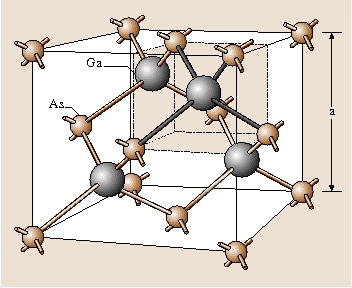
Silicon (Si) stays economical for various tasks, but Gallium Arsenide (GaAs) excels in high-frequency TR modules thanks to its fast electron movement and quiet operation. Evaluating substrate types based on range and power needs guides optimal selection. This decision impacts performance outcomes.
Innovative Calibration Algorithms
Hardware requires supporting software for straightening and trait adjustments. These program enhancements stretch hardware boundaries while preserving signal quality over broad bands. As a result, system capabilities expand reliably.
IDM-Based Quality Control
Partnering with a firm using an Integrated Device Manufacturer (IDM) approach offers clear benefits. This setup controls stages from planning to wafer making and end checks in one place, which yields greater dependability for 6G parts. Unified oversight ensures consistent standards.
Advanced Packaging: Solving the Complexity of 6G TR Components
Higher integration in 6G TR modules makes packaging a key hurdle. High-frequency signals react strongly to unwanted effects from standard packaging stuffs. Solutions that cut signal weakening while offering firm structure and heat steadiness suit varied climate uses over time.
Glass-Based Substrate Advantages
Glass or improved plastic bases show less bending and electrical waste than usual ones. Laser mask projection to fix conductors in targeted spots achieves finer accuracy for high-frequency paths. This method refines circuit designs effectively.
Compact 3D Packaging
Dense needs for Massive MIMO and ISAC favor 3D layering methods. Placing IC chips within the base instead of atop creates slimmer, lighter, more effective packages. Such designs meet space demands precisely.
Enhanced Thermal Management
Packaging progress must tackle heat release. Materials with tuned expansion rates and rigid builds stop breakdowns from severe heat shifts in powerful 6G transceivers. This fortifies long-term reliability.
Why Partner with DEEPETCH for Your 6G Infrastructure Needs
Picking the proper supplier stands as the core choice in 6G planning. A collaborator blending fresh research with real-world delivery of quality parts at volume fits best. For Automotive sensing grids or large data hubs, hardware demands steadiness and adaptation to exact tech specs.
Global Supply Reliability
A broad network and record of aiding over 1,500 clients build trust in steady chains. Stocked chips and solid operations keep project schedules safe from part lacks. This access supports timely progress.
Tailored Customization Services
Each 6G task holds distinct demands. OEM, ODM, and JDM options enable custom TR modules and optical fixes, which match hardware to particular ISAC setups. This tuning optimizes fit for uses.
Proven Technical Leadership
Drawing on a group from top schools and IDM strengths provides entry to new advances in 400G, 800G, and sensing tech. This know-how serves as protection in the quick-changing 6G field. It drives sustained innovation.
FAQ
Q1: What is the primary benefit of ISAC in 6G transceivers?
A: ISAC enables a single hardware unit to handle both fast data transfer and detailed environmental detection, which conserves spectrum, lowers energy use, and shrinks network device size.
Q2: Why is the IDM model important for 6G component manufacturing?
A: The IDM model grants full oversight of design, making, and checking steps. This fosters superior tuning for unique 6G needs and steadier quality than external approaches.
Q3: How do high-speed optical modules support ISAC technology?
A: ISAC produces large sensing data volumes needing instant handling. Units like 800G supply the bandwidth to shift this data from radio edges to core networks without holdups.