
Drones are leaving behind their old role as basic remote toys. Now, they act as self-ruling edge devices that must decide quickly. In the Drone industry, the large stream of data from sensors to controllers poses a big problem. Old methods often split hardware and software, which causes delays and waste. A combined method is key to solve this. Co-design makes sure the hardware’s physical bounds fit the tough needs of AI codes, so flights become steadier and safer in wild settings.
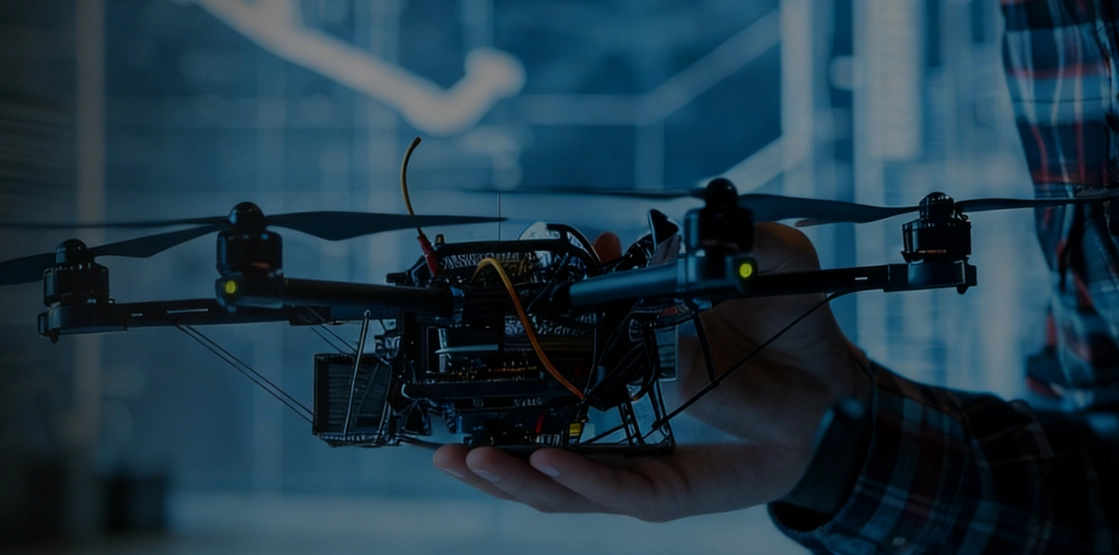
Shift Toward Soft Hardware Co Design in UAVs
In the past, drone builders chose common chips and then forced big programs onto them. This approach fails for new smart setups because the hardware lags behind the quick needs of AI. Instead, you require a system where the hardware structure truly aids the way your programs handle signals.
Rising System Complexity
Today’s flight controllers do far more than just run motors. They deal with dodging objects, finding paths without GPS, and mixing data from many sensors. This big rise in tasks means hardware must be made to order for handling jobs at the same time, all while saving battery life. As a result, drones can manage tougher flights without quick power loss.
Processing Latency Bottlenecks
Each tiny bit of time matters during fast drone flights. If programs wait too long to figure out a turn because the hardware paths are jammed, a crash can happen. Co-design cuts down this wait time between the code and the chip. Therefore, the whole system runs smoother and avoids sudden stops.
Real Time Reliability
Trust in the system forms the base for any business or factory flight job. You need to be sure it will respond the same each time. A joined design lets you add better checks for mistakes right in the hardware, so programs avoid getting trapped in repeats if a signal fails. This setup keeps operations going without big breaks.
Balancing High Performance Computing with Lightweight PCBA Constraints
Extra weight hurts flight the most. Builders always try to boost brainpower without piling on more mass. Here, skilled makers play a key role. DEEPETCH, started in 2019, stands out as a top choice for this mix. They help over 1,500 customers around the world and use an IDM model that includes planning, building, and making lots of fast parts. From cooling setups for strong compute needs to small custom services, they link smart chip ideas to real gear ready for the sky.
Thermal Management Solutions
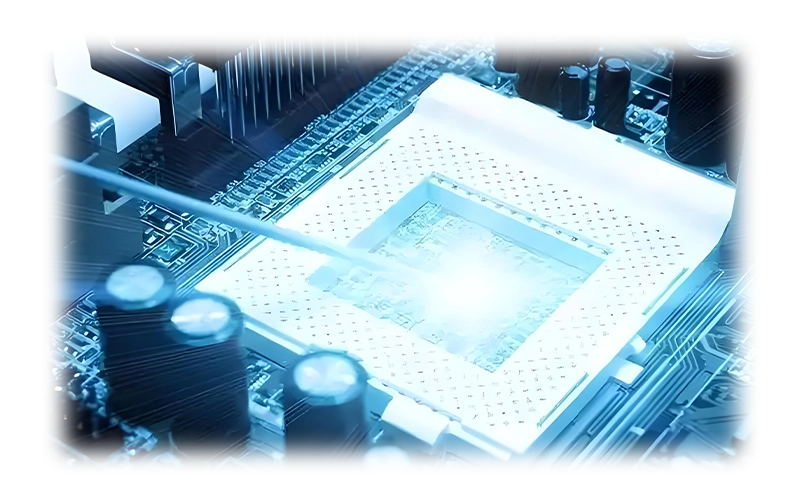
Quick chips make a lot of heat, mainly during AI work. Without ways to pull that heat out, your flight brain will slow down to stay safe. A Copper Substrate works well because it moves heat better than usual stuff, which keeps parts cool in tight drone spaces without big fans. This helps the system keep full speed longer during long trips.
Structural Weight Reduction
When you plan software and hardware as one, you can drop parts that do not help. System-on-Chip (SoC) setups cut the count of loose pieces on the PCBA board, which trims weight and boosts drone quickness. As drones get lighter, they handle turns and lifts with less effort from motors.
Power Consumption Efficiency
Wise programs can signal hardware to shut off zones not in use. Such close ties stretch how long a drone stays up, which tops the list of gripes from users out in the open. By saving power this way, missions last further without quick recharges.
Enhancing Signal Integrity with Advanced Material Selection
The sky holds much noise for electronic parts. From Wi-Fi buzz to the drone’s own engines, clean signals can break fast. Picking the best base stuff is no small thing; it is a core need for a steady control path during flights.
Shielding Interference Levels
Sensitive sensors must stay safe from electric noise. This often means adding special covers. For instance, Indium Tin Oxide (ITO) fits because it lets light pass while blocking bad signals, which guards eye-like sensors or screens without hiding the sight. In busy air zones, this keeps data true and clear.
Signal Transmission Stability
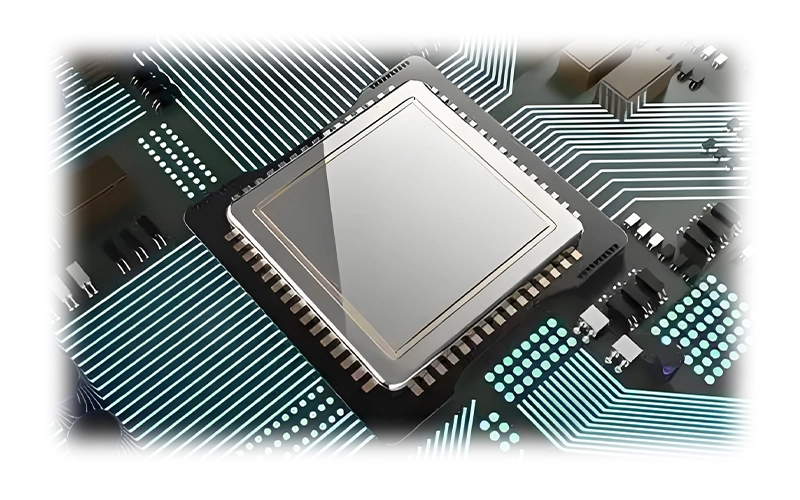
As you reach 400G or 800G speeds for top air photos, the board’s paths need to be spot on. Any flaw in the base layer can bounce signals back, which shows as fake info to your programs. Good choices here make sure data flows steady and full from start to end.
Material Durability Standards
Drones face wet, dirt, and hot spots. The stuff you choose has to stretch with heat changes without breaking links. It balances electric work with strong build to last through rough days. This way, parts hold up over many flights in tough spots.
Solving Harsh Environment Challenges Through Specialized Packaging
If a flight brain ever quit from wet air or shakes, you see that normal wraps do not work. Factory drones call for harder shells. Here, clay-like stuff and special covers turn into top helpers for tough spots.
Thermal Expansion Coordination
Stuff grows and shrinks at varied speeds in heat. If the chip wrap swells more than the board, it may crack over time. A Ceramic four-sided lead flat package (CQFP) handles these pulls well and guards the core parts inside. Such matches keep the setup whole during wild temp swings.

Hermetic Sealing Performance
Dampness kills flight electronics without a sound. Clay wraps give a tight lock that blocks salt mist and wet air, key for sky work near seas or warm wet lands. This seal stops water from sneaking in and harming chips over long use.
Vibration Resistance Capability
Drones shake hard from engines. The pins on a CQFP wrap bend a bit, like small buffers for the chip. This holds electric ties firm even at top motor speeds. As a result, links stay solid through bumpy rides and turns.
Leveraging TR Modules for Intelligent UAV Communication Links
Talking links keep a drone helpful in the air. You send more than simple turn orders; it is data flows, status checks, and live views. By weaving TR (Transceiver) chips and parts into the joint plan, your talk chain matches the smarts of the flight brain.
Satellite Link Integration
For far-off tasks, sky links are the sole choice. Built-in TR parts let you switch easy between close radios and space ones, so programs keep track without lost ties. This smooth change aids long hauls without breaks in contact.
Radar Sensing Accuracy
Smart drones use radar for exact lands and ground tracks. When you join the TR sender logic with flight codes, the setup clears out ground mess quicker for a sharp view of what is around. Better filters mean safer paths in hard spots.
Transceiver Module Efficiency
Your radio should not drain the battery most. Smart part builds give top reach with low power use, a big plus for any flight plan. This balance lets drones work longer on less charge across varied jobs.
FAQ
Q1: Why is a copper substrate better than standard FR4 for drones?
A: Copper substrates have much higher thermal conductivity. In a compact drone body where airflow might be limited, it helps move heat away from the processor much faster than standard plastic-based boards.
Q2: What makes CQFP packaging suitable for aerospace applications?
A: It is all about the ceramic. Ceramic packages handle extreme temperatures and provide a gas-tight seal that protects the silicon from the outside world, unlike plastic packages that can absorb moisture.
Q3: How does DEEPETCH support custom UAV projects?
A: They use an IDM model, meaning they handle the design, manufacturing, and testing in-house. This gives them better control over quality and allows for faster customization for specific industrial needs.
Q4: Can Indium Tin Oxide really help with drone sensors?
A: Yes, because it is both transparent and conductive. It can be used as a coating to provide EMI shielding for camera windows or sensors without interfering with the light or data coming in.
Q5: Does co-design actually increase flight time?
A: Indirectly, yes. By making the hardware more efficient and the software less “bloated” for that specific hardware, you reduce the total power draw, which gives you those extra minutes in the air.