
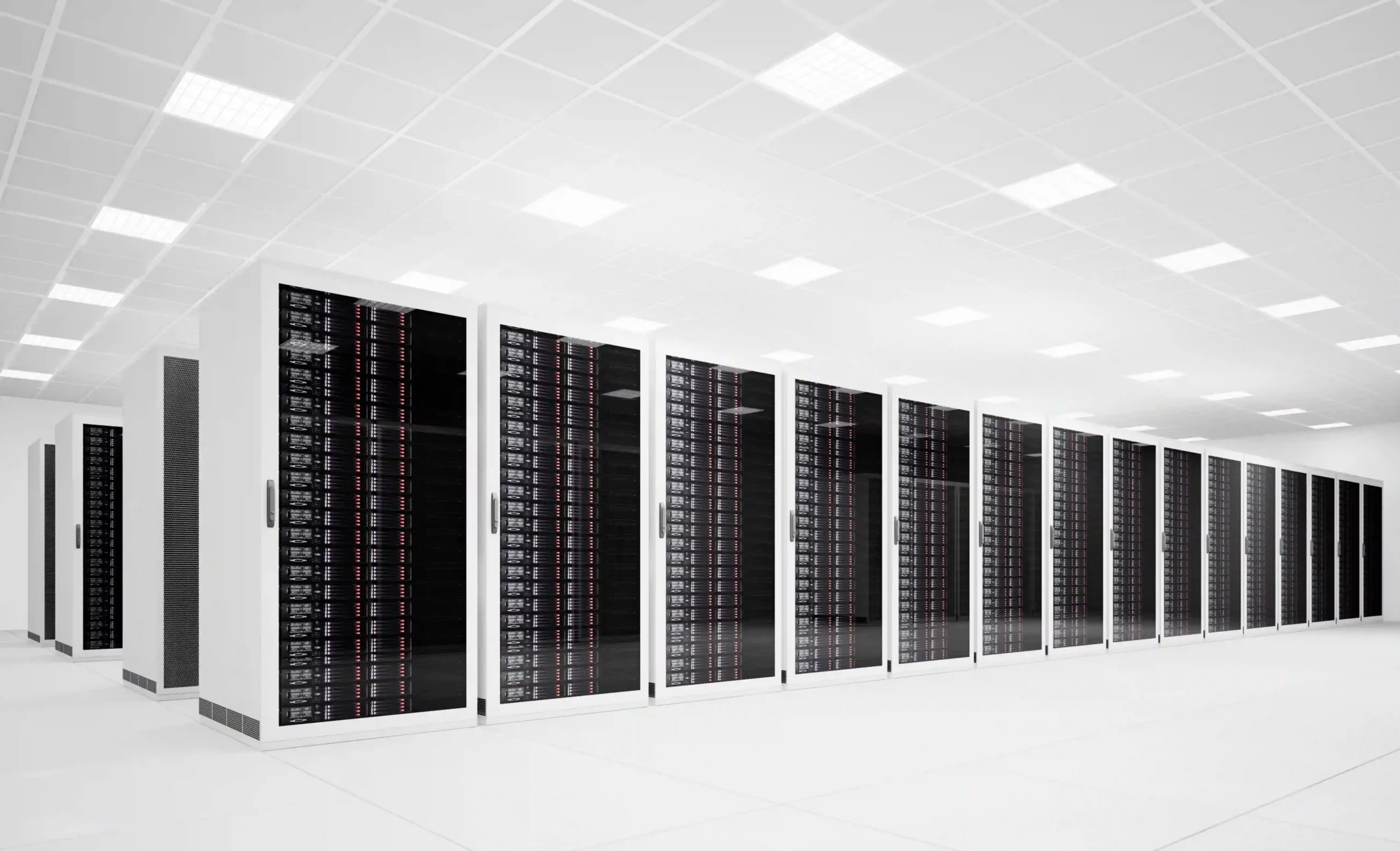
In the fast-paced world of today, data centers handle massive growth driven by AI training, cloud services, advanced 5G/6G networks, and ultra-high-definition video streaming. Traditional copper-based electrical connections often struggle to match the soaring needs for greater bandwidth, quicker response times, and much lower energy use. Optical chips, built on silicon photonics and co-packaged optics, send data through light signals and bring remarkable gains in speed, power savings, and easy expansion. These improvements make terabit-level connections possible while tackling rising energy expenses and tough heat management issues.
Reliable partners like DEEPETCH make a real difference in this space. With strong focus on high-speed optical modules and sophisticated packaging options, DEEPETCH supplies robust 400G, 800G, and upcoming 1.6T transceivers perfectly suited for modern data centers.
Are Traditional Electrical Interconnects Holding Back Your Data Center Performance?
Skyrocketing electricity costs, frustrating delays during heavy AI tasks, and clear limits on growth as traffic explodes commonly trouble data center managers. Copper connections suffer from gradual signal weakening over longer runs, heavy power demands for constant signal boosting, and unwanted interference in tightly packed server racks. Such problems create serious bottlenecks that slow down critical applications, drive up daily running costs, and make future upgrades far more complicated. Optical chips effectively resolve these challenges by switching to light-based signals, which travel much farther without extra equipment and use dramatically less energy overall. Making the move to optical solutions helps you break free from current restrictions and confidently prepare for massive terabit requirements ahead.
Unmatched Data Transmission Rates
Optical chips easily handle multi-lane PAM4 modulation at a brisk 106.25 Gb/s per lane, which smoothly enables impressive 800G and future 1.6T total speeds within small, efficient packages. This capability far outpaces older electrical methods and opens doors to handling enormous data volumes without constant hardware swaps.
Reduced Latency in High-Volume Traffic
Light-based signals move swiftly with hardly any delay and skip several electrical conversion steps, which noticeably shortens overall response times in busy environments. Consequently, large AI training clusters run more smoothly and deliver results much faster.
Scalability for Future Terabit Networks
Flexible optical designs allow straightforward upgrades from current 400G setups to powerful 800G configurations and even higher rates later, all while avoiding complete overhauls of your existing setup. This approach saves time and money as your needs grow rapidly.
Superior Bandwidth and Speed Advantages
Optical chips truly shine in areas where standard electrical links fall short because light can carry huge amounts of information with very little loss along the way. You enjoy bandwidth density that can reach up to 100 times greater than copper options, and signals stay strong across much longer distances. This strength becomes absolutely vital as facilities move toward widespread 800G and 1.6T ports to manage the sharp rise in AI-related traffic.
Unmatched Data Transmission Rates
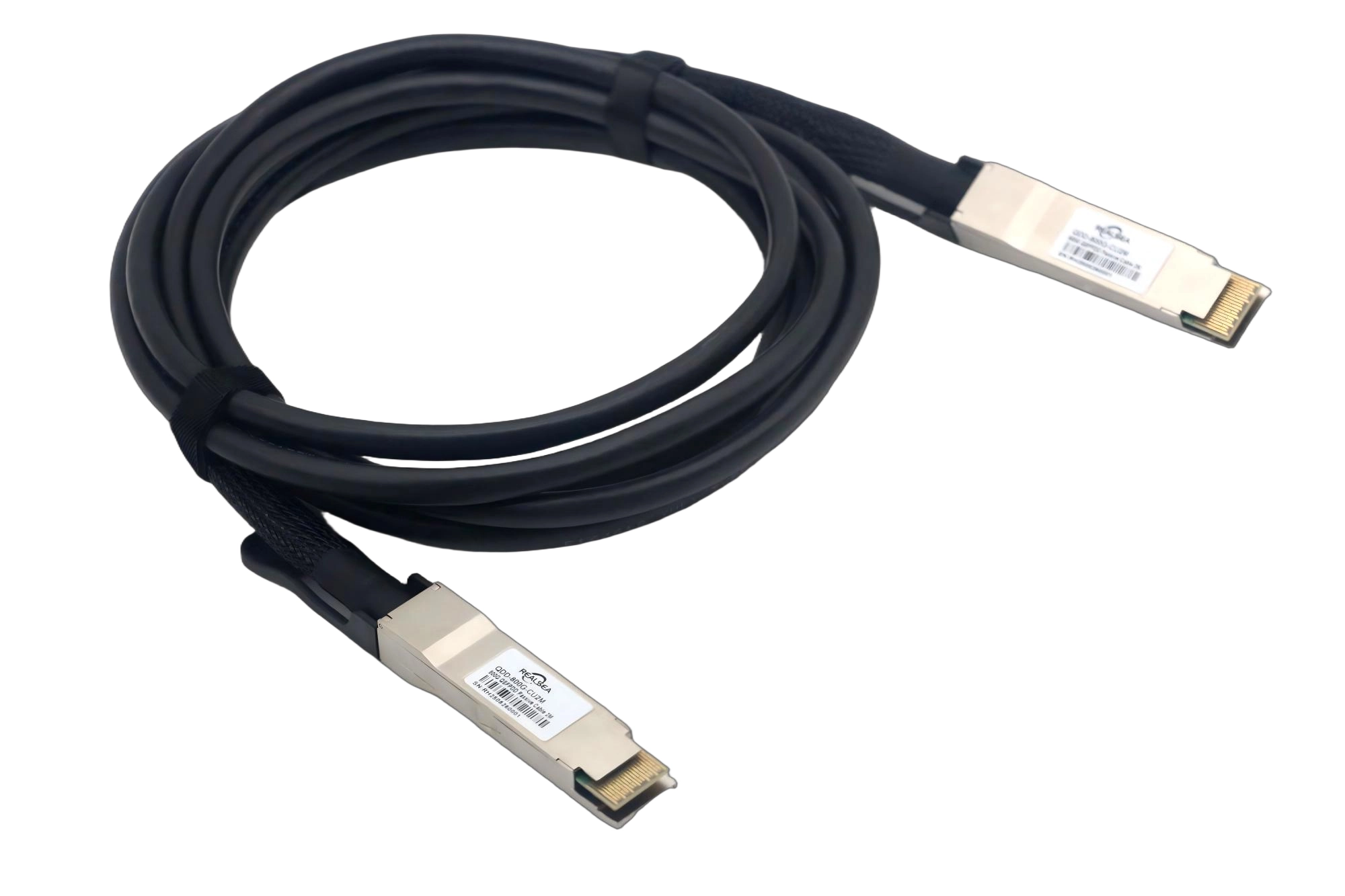
Individual lanes achieve speedy 106.25 Gb/s through advanced PAM4 techniques, and versatile modules such as OSFP and QSFP-DD currently provide solid 800G performance with straightforward roads to 1.6T soon. Moreover, these rates support seamless integration into existing switch designs.
Reduced Latency in High-Volume Traffic
Straight optical routes remove the need for repeated electrical boosting stages, which trims valuable microseconds from total travel times in expansive networks. As a result, real-time applications benefit from quicker, more reliable interactions.
Scalability for Future Terabit Networks
Innovative co-packaged optics place photonic components right next to processing switches, which facilitates smooth transitions to faster speeds without rebuilding entire server rows. This forward-thinking design keeps your infrastructure ready for tomorrow’s demands.
Exceptional Energy Efficiency Gains
Energy usage now forms the largest part of data center expenses in most operations. Optical chips significantly cut power needs by moving data with far less electricity per bit compared to traditional electrical signals. You gain substantial savings on bills, easier cooling requirements, and more environmentally friendly setups that match growing sustainability targets.
Lower Power Consumption per Bit
Modern 800G optical modules typically run under 16W, which amounts to about half the energy required for comparable electrical alternatives over similar distances. This efficiency adds up quickly across thousands of connections.
Reduced Heat Generation in Dense Deployments
With much lower power draw comes noticeably less warmth output, so you can pack servers closer together and achieve higher density per rack without risking overheating problems. Additionally, this setup improves overall equipment lifespan.
Cost Savings on Cooling Infrastructure
Highly efficient optics can reduce cooling loads by as much as 40%, which frees up significant budget for expanding computing power instead of spending heavily on air conditioning upgrades. Over time, these savings prove substantial.
Enhanced Signal Integrity Benefits
Keeping signals clear and stable across full racks proves crucial in fast-paced, high-speed settings. Optical transmission strongly resists outside interference and natural weakening, which guarantees dependable results even in crowded halls filled with electrical noise.
Minimal Signal Loss Over Distance
Light travels easily through fiber for hundreds of meters with almost no weakening, whereas copper often needs frequent boosting beyond very short spans. Therefore, you maintain strong performance without extra active components.
Immunity to Electromagnetic Interference
Optical signals stay completely unaffected by surrounding electrical cables or nearby devices, so quality remains steady no matter how dense the arrangement becomes. This feature proves especially valuable in modern hyperscale facilities.
Reliable Performance in High-Density Environments
Strong integrity ensures virtually error-free runs at 800G levels and higher, which minimizes packet drops and unnecessary retransmissions that otherwise harm application speed. In turn, users experience smoother, more consistent service.
Advanced Packaging Solutions Driving Adoption
Carefully engineered packaging allows optical chips to perform reliably in real, demanding data center conditions. High-frequency layouts, excellent heat handling, and sturdy builds make sure these modules stand up to tough daily use. DEEPETCH brings valuable packaging knowledge through its full IDM process, offering customized options from initial concept to final output. Check out their strengths further at IDM services.
High-Frequency Support in Compact Designs
Cutting-edge form factors like OSFP and QSFP-DD neatly contain multiple fast lanes inside convenient hot-pluggable units that slide directly into standard switch openings. This smart design keeps everything tidy and easy to service.

Superior Thermal Management Capabilities
Efficient low-power parts paired with smart heat spreading keep modules comfortably cool, even when running at full capacity for extended periods. Consequently, downtime from thermal issues becomes rare.
Robust Reliability for Mission-Critical Operations
Fully compliant with CMIS and IEEE guidelines, these durable packages handle wide temperature swings from 0°C to 70°C while keeping bit-error rates extremely low. Such toughness supports vital round-the-clock operations without worry.
Why Choose DEEPETCH for Your Optical Chip Packaging Needs
Picking a trustworthy partner ensures you fully capture the advantages of optical interconnects in your facility. DEEPETCH clearly excels thanks to deep experience in high-speed optical modules and complete IDM strengths. Their extensive 400G and 800G transceivers cover popular OSFP, QSFP-DD, and QSFP112 families, including SR, DR, FR, and LR choices for various distance needs. Special liquid-cooled versions address emerging immersion trends effectively, and active optical cables provide lightweight, interference-resistant extensions for flexible routing. Having achieved large-scale manufacturing and serving more than 1,560 customers worldwide, DEEPETCH consistently supplies stable, high-bandwidth products that securely prepare your setup for future growth and heavy workloads.
FAQ
Q1: What makes optical chips better than traditional copper interconnects for data centers?
A: Optical chips deliver much higher bandwidth, considerably lower power use, shorter latency, and full immunity to electromagnetic interference, directly fixing major drawbacks of copper links.
Q2: Can existing data centers easily upgrade to 800G optical modules?
A: Absolutely, hot-pluggable designs such as OSFP and QSFP-DD fit right into common switch ports, enabling step-by-step improvements without sweeping infrastructure changes.
Q3: How do optical modules reduce energy costs?
A: They use roughly half the power per bit versus electrical counterparts and produce far less heat, which cuts both power bills and cooling expenditures noticeably.
Q4: What distances do modern optical transceivers support?
A: Choices span from 100m multimode ideal for within-rack links to 2km or 10km single-mode suitable for cross-rack or broader campus connections.
Q5: Why consider an IDM provider for optical solutions?
A: IDM combines design and production closely for quicker customization, tighter quality oversight, and finely tuned performance matched precisely to unique data center requirements.