
Gaze at the evening sky, and you may notice a satellite moving across. However, the unseen blockage of signals occurs above. The aerospace business faces barriers with usual radio waves. More tasks with heavy data launch, so the paths for sharing facts grow narrow. Optical communication, which sends data by light, arrives to fix this issue.
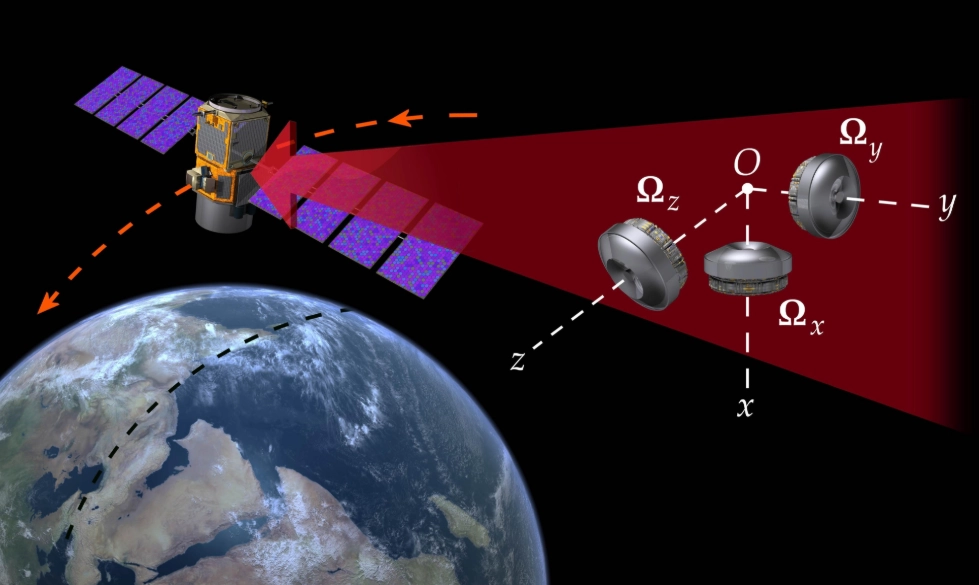
The common radio range is a full place. Over many years, satellites and planes have counted on RF (Radio Frequency) signals, yet the room for them is small. Imagine it as a road with all lines filled by large trucks. If you add extra cars, the flow slows a lot.
Current satellites send more than basic alerts now. They share sharp 4K images, detailed weather facts, and live watch videos. This large growth in size blocks old communication tools fast. Thus, the systems face overload, which harms their work.
Data held in lines causes waits. For vital jobs like guiding far-space trips or fast drone aid in crises, short delays can end plans. Light systems travel quicker than old ways, so they cut these waits better.
Radio bands follow strict rules and stay mostly used. To get a new permit for one band is hard. Optical communication draws from the infrared area, free of permits, and gives thousands of times extra room for data.
Changing from radio signals to laser rays resembles going from slow modems to quick fiber lines. It alters core views on the Aerospace field. Shorter light waves let more details fit in one ray, so the full net grows stronger.

Lasers hold far more data than radio signals. Rates hit gigabits or terabits each second. This quickness permits live data pass from air edges to base spots without much effort.
A radio signal goes wide in every way, so others hear it with ease. A laser ray stays very slim. Without standing right in the light path, you cannot catch the data, which boosts safety a great deal.
Optical tools are normally smaller and lighter than big RF antennas. In the Aerospace field, each gram has value. Dropping mass in link gear allows extra fuel or study tools on the vehicle.
The transceiver serves as the center of the setup. It shifts electrical data to light and back. Lacking a fine transceiver, the clever laser tools lose use. It must deal with sharp heat shifts and space rays while holding true aim.
Quick transceivers take parts like the VCSEL laser and PIN photodetectors to change light and power. This shift needs to occur in tiny seconds to keep data at top rates. As a result, the flow stays smooth in hard spots.
Satellites use small sun power. A link system that takes too much energy hurts. New optical units plan to stay cool and draw low voltage, often under 1W to 2W for basic ties.
Upper air and space spots are tough. Parts need special stuff like Silicon Nitride or Gallium Arsenide to face rays and strong shakes at start. These choices make the gear endure without harm.
For true strength in hard states, see the efforts of DEEPETCH. This is not a plain chip firm; it centers on study and making fast optical answers since 2019. From 400G/800G modules to special army-level chips, they span all types. Their IDM model draws notice as it manages all from plan to make inside. This brings rare quality checks, aiding over 1,500 users around the world with local help in spots like Shenzhen and Hong Kong.
By their joined plan and make steps, they build chips with good electron speed. This lets quicker signal work and better power use, which fits what a satellite wants to run longer. In turn, it aids longer tasks with less drain.
Chips do not all match in build. These suit aerospace and defense areas just. They pass hard tests for ray fight and heat hold, so they avoid breaks in heat or cold.
They give more than one item; they plan full setups. With 3D packing and SiP (System in Package) tech, they fit more work in small space, which saves key room on your air craft.
Transceiver (TR) modules count as much for radar as for links. In now aerospace, radar tools must run very quick and true. High-rate modules aid better spot of aims and steady data joins between planes.
Radar helped by optical gives tight hold on signal aim. This brings clearer maps of areas, be it following planes or viewing land under. Such sharp views improve watch in full skies.
Signal shifts happen often in high heights. With forward stuff like Silicon-germanium (SiGe) or Gallium Nitride (GaN), these modules keep firm rates even as heat moves. This hold gives clear facts over time.
High join in their TR modules lets more sensors in small shells. This aids drones or small satellites (CubeSats) where space lacks. Tight fits add tools without extra size.
The “stratosphere” turns into a fresh area for world web. High-height stands (HAPS) like balloons or sun drones link far places. Optical joins are the sole path to make this work in cost and skill.
The ahead holds more than lasers; it blends. Setups will use optical for quick “backhaul” between stands and RF for last user ties on ground. This mix yields top from each.
A net of satellites and upper drones gives quick web to sea centers or hill tops. Optical communication forms the main line for this big net. It links once-hard spots well.
Starting a laser satellite costs less long-term than making miles of sea lines. It builds a bendy world net that shifts or updates as needed. This cuts build costs for wide links.
To get right parts should lack pain. For usual items or special plans, steps stay clear. If your task needs set facts, reach their group by the Contact Us page to share tech details.
Their IDM (Integrated Device Manufacturer) way lets them shape a chip or module for your task. You gain a straight path to those who plan and build the base. This link speeds right fits.
They offer full-time replies and tech aid. It goes past box sends; it checks the part fits your use, from need views to end checks. Wide help builds sure work.
With spots in Shenzhen, Beijing, and Hong Kong, they move parts fast where needed. They hold a firm inventory of chips in stock to skip chain waits that hurt the field. Sure send backs time plans.
Q1: What is the main difference between optical and RF communication in space?
A: RF uses radio waves while optical uses laser beams. Optical communication offers much higher bandwidth, better security, and uses smaller, lighter hardware compared to traditional radio systems.
Q2: Can optical communication work through clouds?
A: It can be a challenge. Heavy clouds can scatter the laser light, which is why most systems use “space-to-space” links or place ground stations in dry, high-altitude locations to ensure a clear path.
Q3: Why are VCSEL lasers used in these transceivers?
A: VCSELs (Vertical-Cavity Surface-Emitting Lasers) are great because they are efficient, easy to manufacture in arrays, and have a high switching speed, making them perfect for high-speed data transfer.
Q4: Is optical communication safe for the eyes?
A: Yes, these systems are designed to be “eye-safe” and are strictly regulated. Also, because the beams are so narrow and high up in the atmosphere or space, they don’t pose a risk to people on the ground.
Q5: How do I know if a transceiver is “aerospace grade”?
A: Aerospace-grade components must have high radiation tolerance, extreme temperature stability, and certifications like IATF 16949 or ISO 9001. Companies like DEEPETCH design their products specifically to meet these harsh standards.
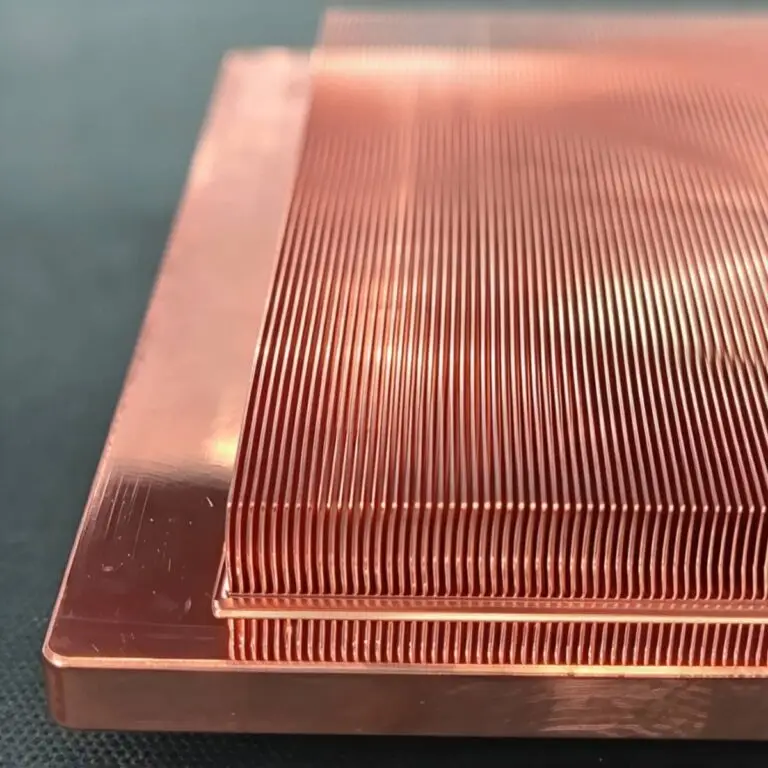
Diamond-Copper Thermally Conductive Composite. High thermal conductivity, tunable CTE, robust.
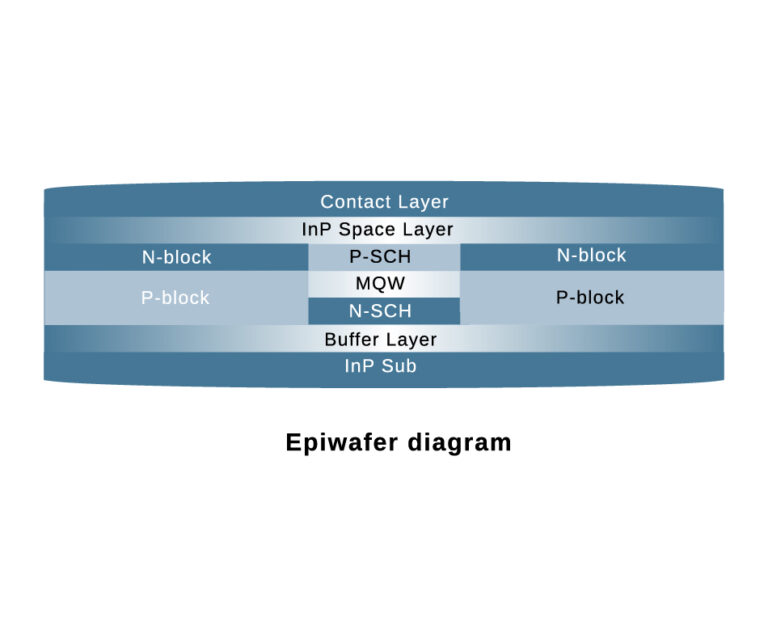
The DE-CW-1310 DFB EPI wafer, a high-performance epitaxial structure designed for distributed feedback (DFB) lasers operating at 1310 nm....
Ceramic thin-filmvacuum sensor Optical gas massflowmeter Liquid mass flowmeter Force sensor MEMS...
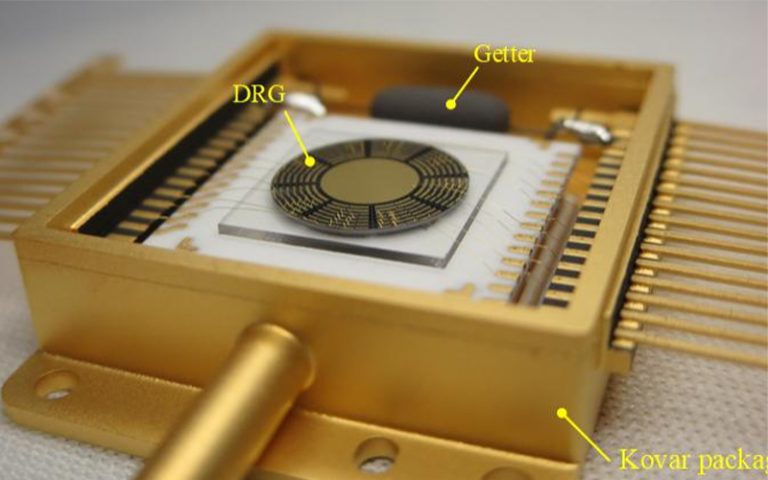
Photoelectric sensing chip Light source chips Optical transmission and modulationchips Optical detection and receptionchips...
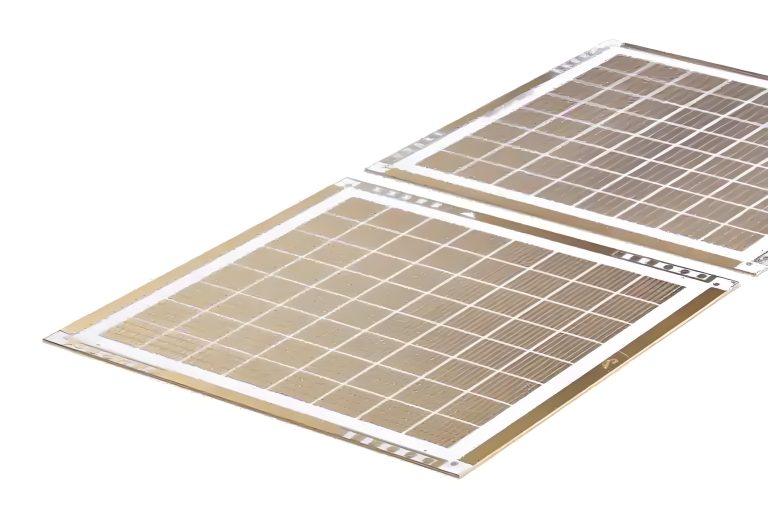
Using a“Detach Core”which has two-layers carrier foil structure on the surface as a core, and forming...
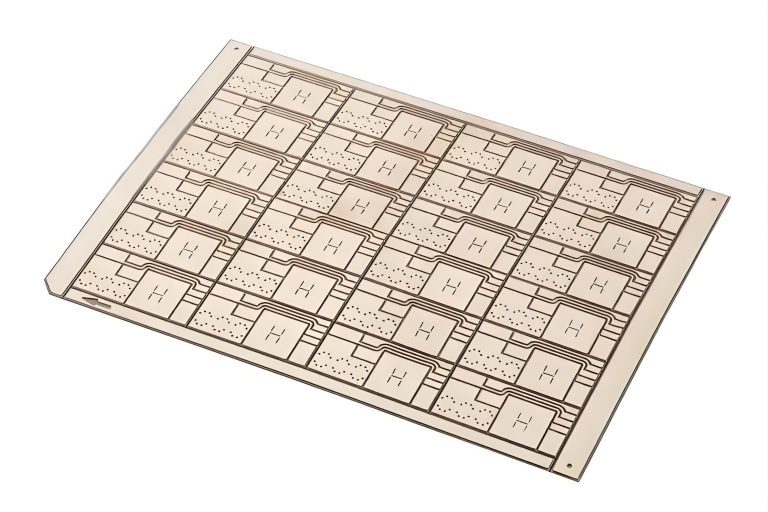
Tenting process is a kind of subtractive process, the process as follows: Laminating photosensitive film...
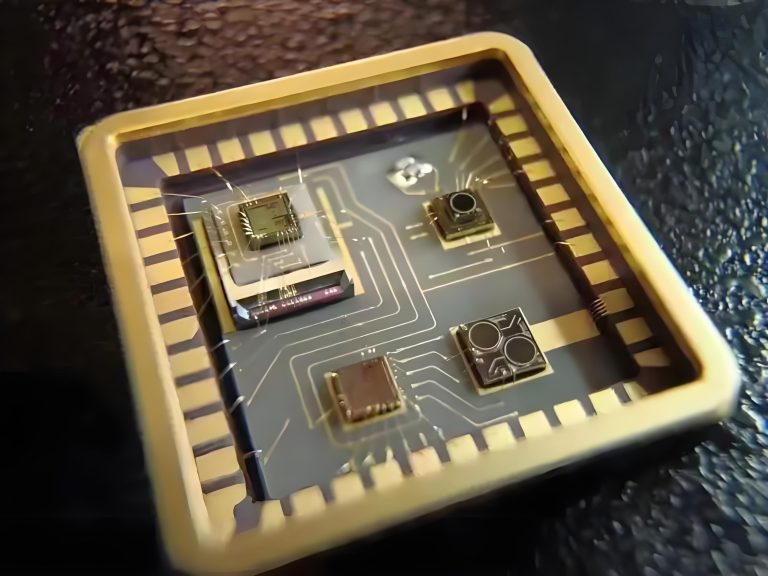
Modified Semi-Added Process abbreviated as mSAP, which can be used on the core or build-up layers, pattern...
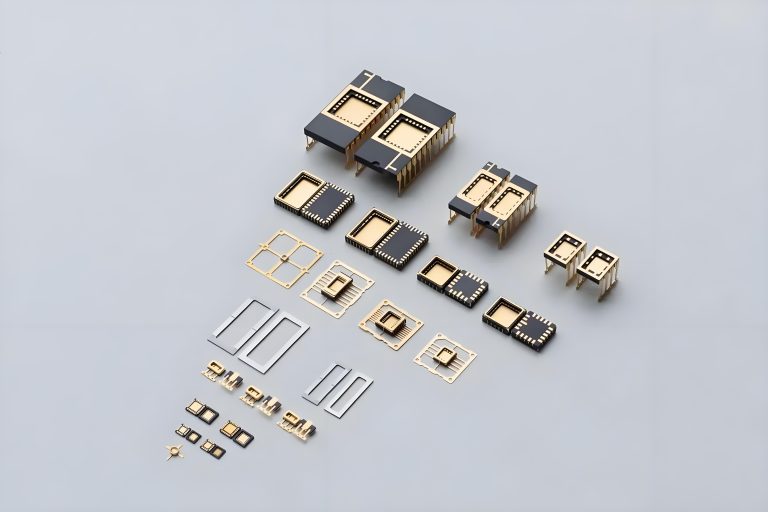
Semi-Added Process abbreviated as SAP, using on the build-up-layer pattern forming as follow:First depositing...
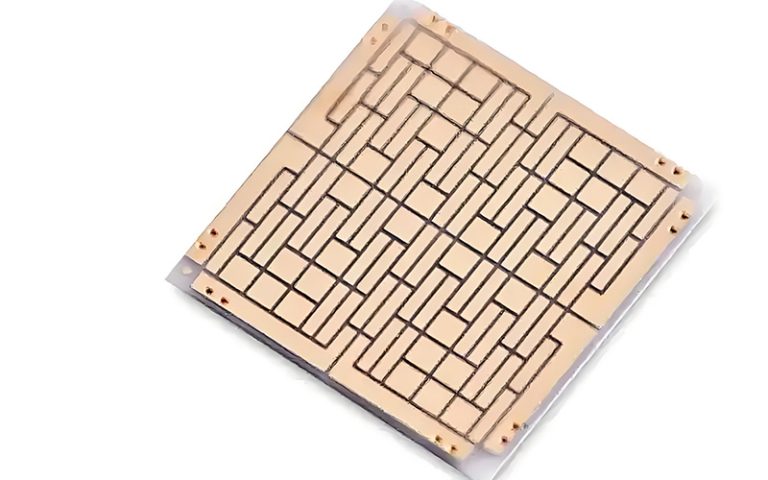
The product generally adopts the pressing lamination process of semi-curing sheets , and line formation...
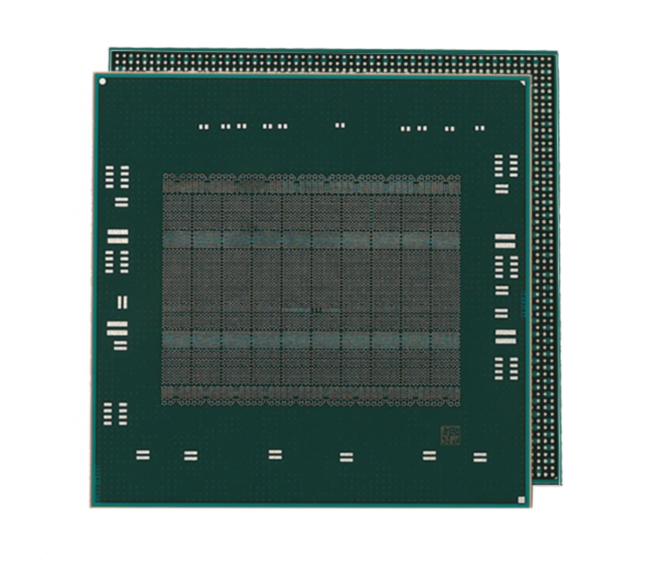
The products generally adopt the Build-up Film Lamination process, and the circuit formation uses the...