
When you launch hardware into space’s vacuum, you face more than cold or heat. You enter an area where fast signals battle constant cosmic radiation. For engineers advancing past 800G optical transceivers into satellite links and 6G systems, the risks grow large. One bit error from a proton can separate mission success from costly space debris worth billions.
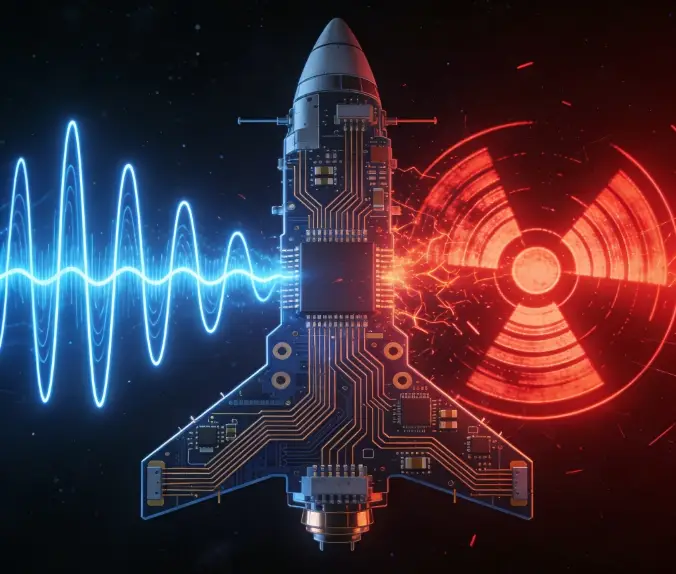
In satellite connections, signal integrity holds key importance. As frequencies reach the Ka-band and approach terahertz for 6G, each circuit board section poses issues. It goes beyond data transfer. It involves maintaining data quality over vast distances in tough conditions.
Above 30 GHz, standard PCB materials absorb signals like sponges. Dielectric loss and skin effect turn into major problems. If you pick the wrong substrate, the strong signal becomes heat before hitting the antenna. This loss reduces overall performance. It demands careful material selection in designs.
Space lacks air to remove heat. High-speed transceivers cannot use fans. Designers must focus on conduction methods. Many current setups explore liquid cooling or heat spreaders to control chip temperatures safely. These options prevent overheating. They ensure reliable operation in vacuum.
With components crowded in small satellite spaces, EMI creates serious issues. Fast digital lines often leak noise into RF receivers. Isolation and shielding provide the main defenses. They stop hardware from interfering with itself. Proper setup maintains clear signals.
Radiation harms aerospace electronics quietly. It leads to latch-ups, transients, and total dose effects that wear down semiconductors gradually. To make hardware endure years in orbit, protection must form part of the core design. This approach builds lasting reliability.
Selecting proper parts covers much of the effort. Standard commercial chips will not work well. Components must undergo tests for Single Event Effects (SEE). Here, DEEPETCH stands out as a solid technical ally. Started in 2019, they have grown fast in complex production. Known for 400G and 800G modules, their IDM background helps in high-reliability PCBA and EMS services. Clients rely on them to avoid failures during missions.
Physical shields offer protection but increase weight. Teams often combine tantalum or lead-based polymers to stop low-energy particles. Balancing silicon safety with satellite lightness proves challenging. It affects launch costs directly. Effective layers enhance endurance without excess mass.
Avoid relying on one path alone. Triple Modular Redundancy (TMR) at circuit levels lets systems select correct data if radiation hits one section. This adds design steps upfront. Yet it prevents problems later. It boosts system dependability in harsh settings.
In satellite and radar uses, the TR (Transmit-Receive) module performs essential tasks. It manages signal conversion and amplification. Success here needs special materials and accurate manufacturing. Few suppliers achieve this level. These modules drive communication efficiency.

Silicon photonics transforms high-speed links. It places optical parts on silicon for high bandwidth and low power use compared to electrical routes. This matches tech in 800G modules, now suited for space demands. It cuts energy needs. It supports faster data flows reliably.
For power amplifiers in TR modules, Gallium Nitride (GaN) leads the way. It manages higher voltages and temperatures than silicon. GaN reduces transceiver size while extending range and strength. This improves output. It fits compact aerospace needs well.
Satellite space costs dearly. Each gram and area matters greatly. New TR modules apply advanced packaging for more functions in less space. They often use custom chips tuned to target frequencies. This saves resources. It meets strict size limits.
Aerospace production differs from consumer electronics. An EMS partner must focus on high reliability and no defects. It covers more than assembly. It includes the full product life cycle. This ensures long-term performance.
Prototypes must match final flight hardware before full runs. A versatile EMS provider aids quick changes in PCBA designs. It spots DFM issues early to avoid high costs later. This speeds development. It refines products effectively.
Manual checks fall short for tiny 0201 components and BGA layouts. Aerospace uses 3D Automated Optical Inspection (AOI) and X-ray tests. These examine solder joints for voids that might fail in vacuum. They guarantee quality. They detect flaws precisely.
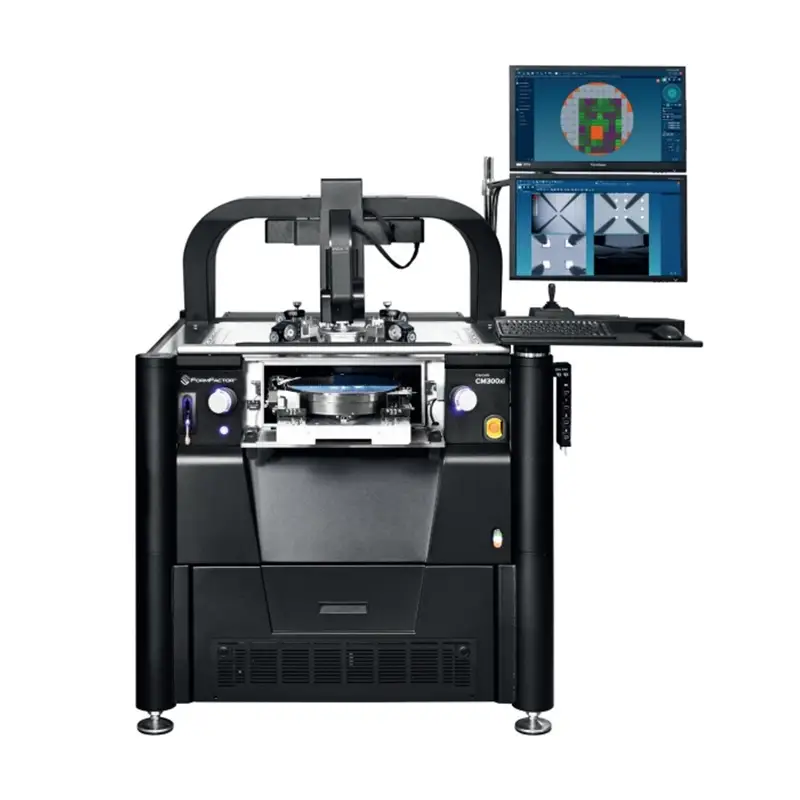
Hardware must pass “shake and bake” trials. These include thermal vacuum cycles and vibration tests like rocket launches. Surviving them gives a good shot at mission duration. This verifies toughness. It prepares for real conditions.
The 6G path takes shape now, drawing from space tech. Satellite and ground networks will blend smoothly. Handheld and orbital hardware must align closely. This integration expands coverage. It shapes connected futures.
THz frequencies enable huge data speeds but challenge signal integrity. New substrate materials like Gallium Arsenide (GaAs) or glass types control losses at high rates. They handle extreme performance. They support next-level communications.
AI works inside transceivers, not just software. Edge AI detects surroundings and tweaks beamforming to fight interference or distortion. This real-time adjustment improves links. It adapts to varying environments.
With many satellites launching, end-of-life matters. Designs use materials that burn fully on re-entry or ease de-orbiting. This prevents debris buildup. It promotes responsible space use. It safeguards orbits long-term.
Aerospace design mixes bold steps with strict standards. You test physics limits under tight quality rules. For 6G stations or LEO satellites, hardware reliability forms the base. Strong foundations lead to wins.
Seek teams skilled in high-frequency work for such projects. From TR modules to PCBA production, good partners turn tough tasks routine. Visit the DEEPETCH Contact Us page to explore support for your ventures.
Q1: What is the main difference between 800G transceivers and aerospace TR modules?
A: While both handle high-speed data, aerospace TR modules must include radiation hardening and extreme thermal management that standard data center 800G modules don’t require.
Q2: Why is Gallium Arsenide used as a substrate material in aerospace?
A: GaAs has much higher electron mobility than silicon, which makes it perfect for the high-frequency, low-noise requirements of satellite communication and radar systems.
Q3: How does radiation actually damage a circuit board in space?
A: High-energy particles can physically strike the silicon, causing “latch-ups” that short out the circuit or “bit flips” that corrupt the data being processed.
Q4: Can standard EMS providers handle aerospace PCBA?
A: Usually not. Aerospace requires specific certifications like IATF 16949 and ISO 9001, plus specialized equipment for vacuum testing and high-reliability soldering.
Q5: What role does 6G play in the future of satellite communication?
A: 6G aims to integrate satellites directly into the global mobile network, allowing for truly global coverage even in the most remote parts of the ocean or wilderness.
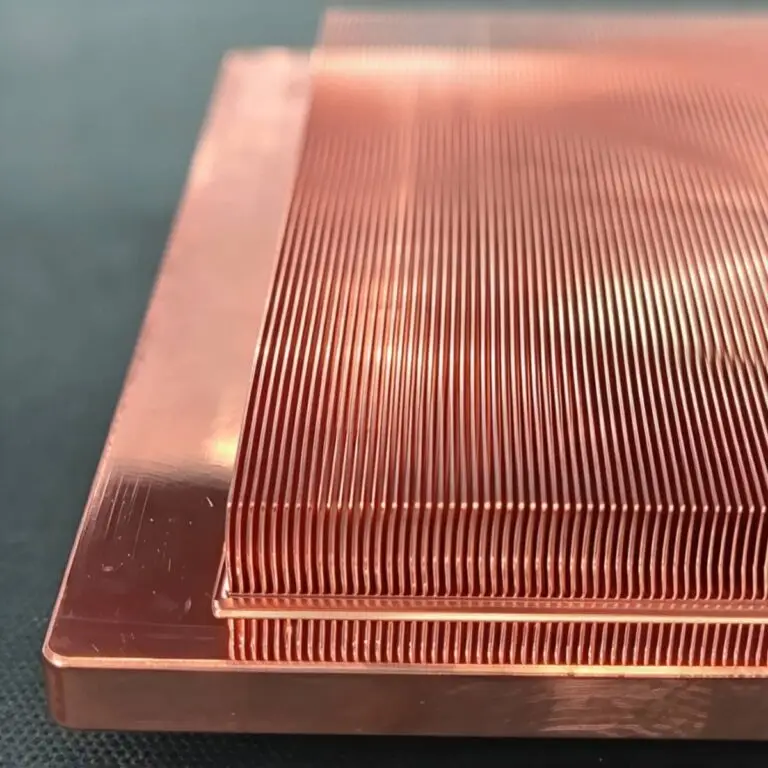
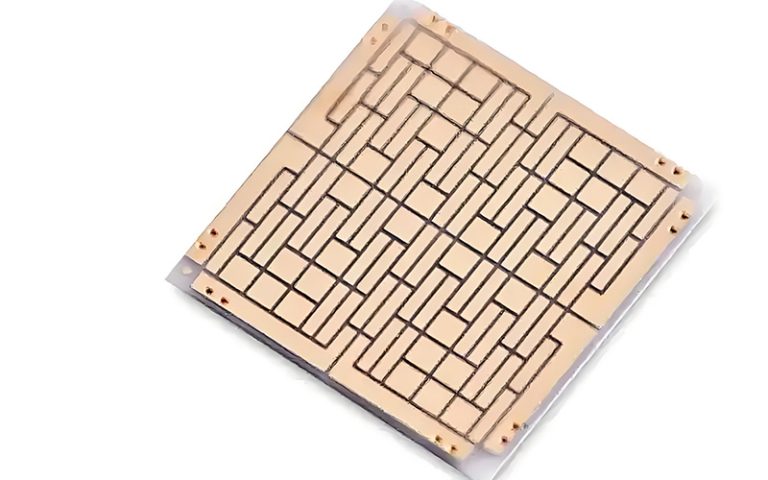
Diamond-Copper Thermally Conductive Composite. High thermal conductivity, tunable CTE, robust.
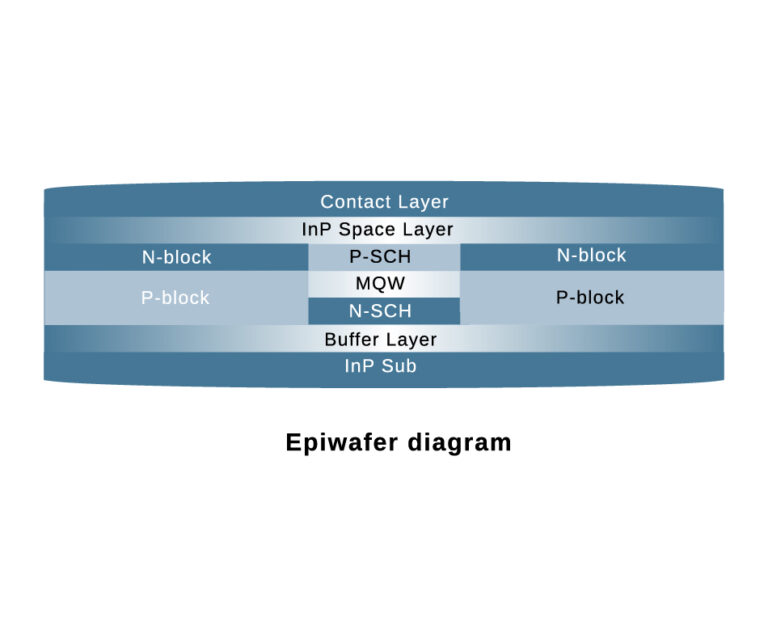
The DE-CW-1310 DFB EPI wafer, a high-performance epitaxial structure designed for distributed feedback (DFB) lasers operating at 1310 nm....
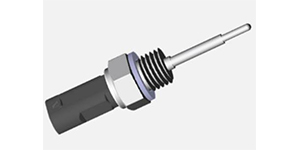
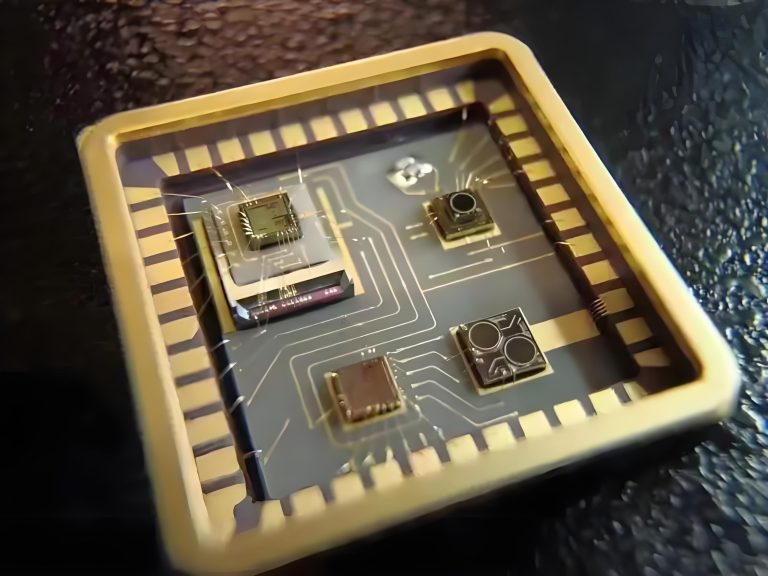
Ceramic thin-filmvacuum sensor Optical gas massflowmeter Liquid mass flowmeter Force sensor MEMS...
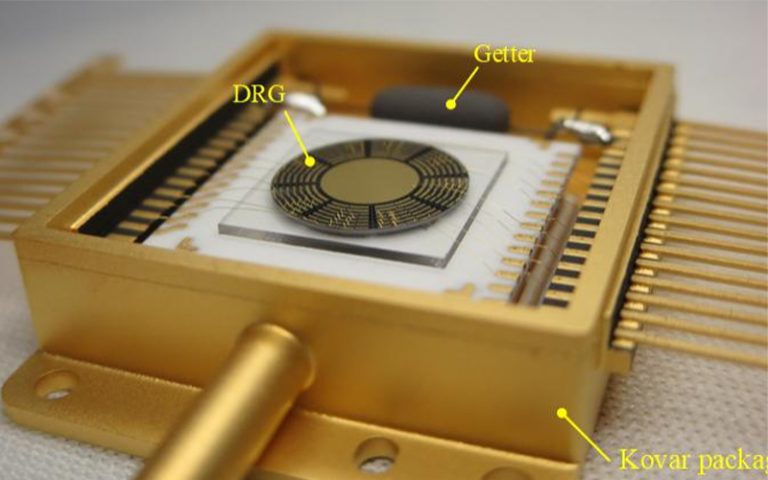
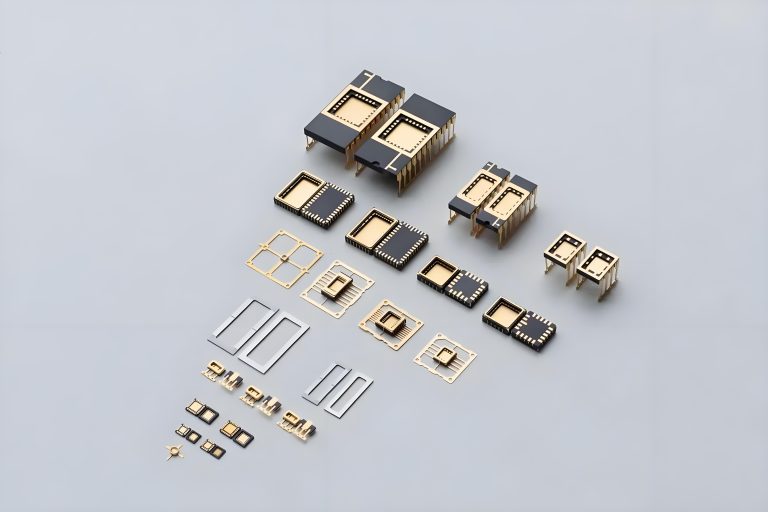
Photoelectric sensing chip Light source chips Optical transmission and modulationchips Optical detection and receptionchips...
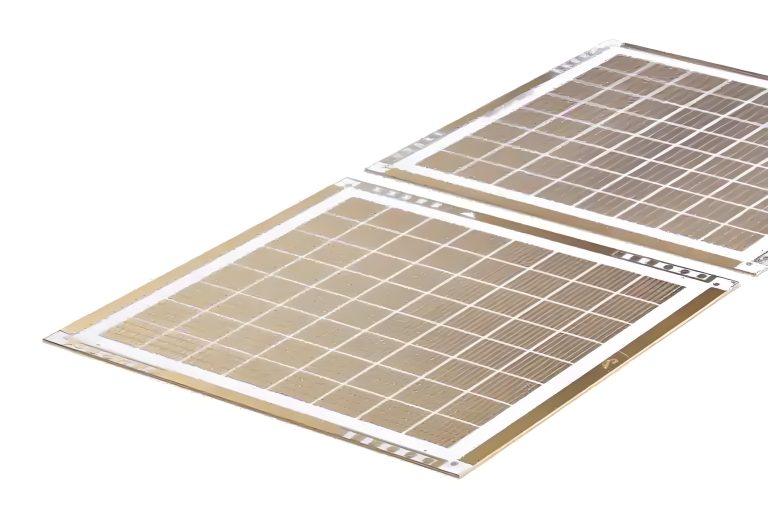
Using a“Detach Core”which has two-layers carrier foil structure on the surface as a core, and forming...
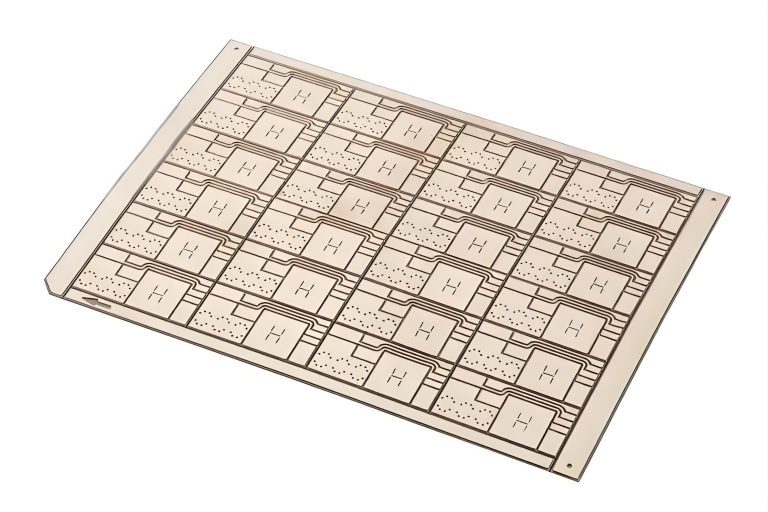
Tenting process is a kind of subtractive process, the process as follows: Laminating photosensitive film...
Modified Semi-Added Process abbreviated as mSAP, which can be used on the core or build-up layers, pattern...
Semi-Added Process abbreviated as SAP, using on the build-up-layer pattern forming as follow:First depositing...
The product generally adopts the pressing lamination process of semi-curing sheets , and line formation...
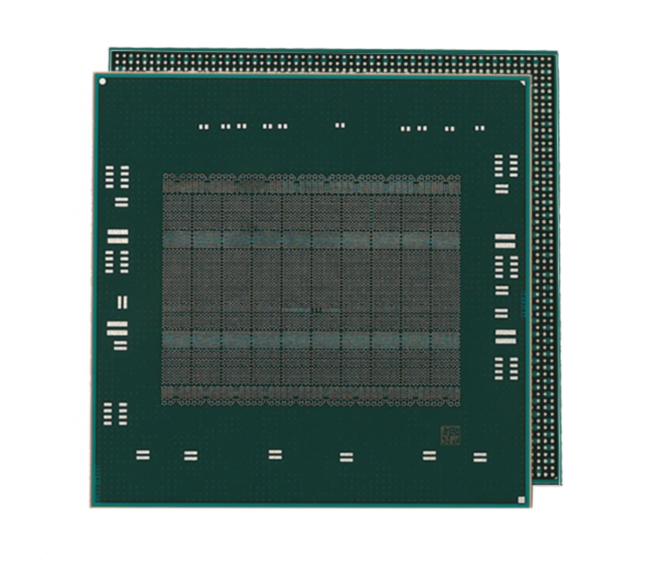
The products generally adopt the Build-up Film Lamination process, and the circuit formation uses the...