
The next decade is going to be a serious test for Electric Vehicles. We’re not just talking about big-ticket upgrades like solid-state batteries or the dream of full self-driving. A lot of the heavy lifting will happen in quieter corners—like the small sensors buried deep in a car’s guts. That’s where companies like DEEPETCH come in. Based in the high-tech hub of Shenzhen, DEEPETCH has been building sensor solutions and high-reliability components for years. Their work shows up in electric cars, hydrogen fuel cell systems, and even industrial energy storage. These aren’t just paper titles—they shape the trust customers place in the parts they buy.
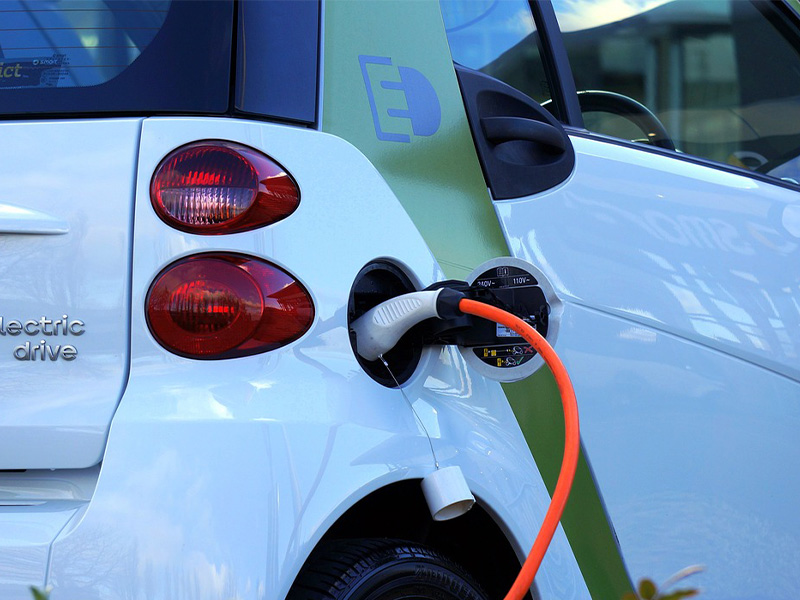
In today’s EVs, sensors aren’t “optional extras” anymore. They’re part of the car’s nervous system, constantly feeding updates to the control units. Without them, a vehicle wouldn’t know if a battery cell was running hot, if hydrogen pressure was dropping, or if a high-voltage contactor wasn’t closing right.
They measure temperature, voltage, current, pressure—basically, anything the car needs to stay in tune with itself. You could say they’re like the stage crew at a concert. The audience doesn’t see them, but without them, the show collapses.
The key is catching a problem before it becomes… well, expensive. A slow pressure drop in a cooling loop or a gradual rise in cell temperature might not sound like much, but over time, it’s what separates a reliable fleet from one that’s always in the repair bay.
Once hooked into the car’s control network, sensors allow micro-adjustments on the fly. The driver never sees a warning light, but somewhere in the background, a few kilowatts are shifted away from a stressed motor, keeping the ride smooth.
Pressure sensors play a bigger role than most drivers realize, especially in battery packs and hydrogen fuel cell stacks.
DEEPETCH ceramic sensors use a durable diaphragm to detect subtle pressure changes in EV battery packs. The ceramic build handles high temperatures, corrosion, and long-term load without drifting. This reliability is why fleet operators in harsh environments rely on them for steady readings over years of operation.
In hydrogen fuel cell systems, moisture and reactive gases can wear down weaker materials. Ceramic and thin-film pressure sensors keep working in these conditions, giving accurate numbers long after other designs would fail.
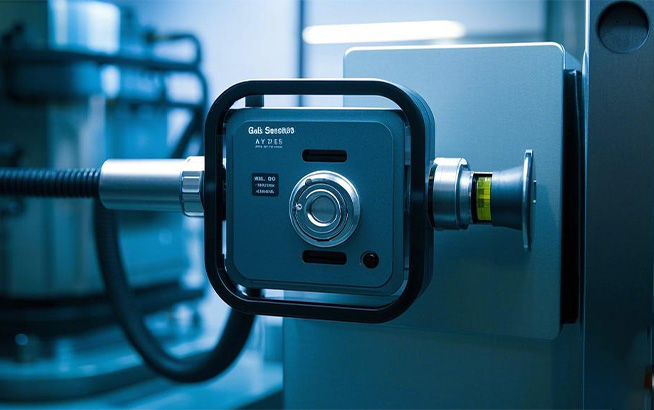
By measuring the pressure difference across hydrogen lines, these sensors help keep flow stable and stacks running at their best. It’s a small thing that keeps the whole system balanced.
EVs don’t just need power—they need managed power. Current and voltage sensors make that possible.
Accurate current data lets control systems deliver smooth torque without stressing the motor. That’s one of the reasons DEEPETCH’s automotive-grade current sensors have been adopted by multiple EV makers.
Battery packs are only as strong as their weakest cell. Voltage sensors keep each one in check so the whole pack ages evenly.
Some DEEPETCH sensors come with self-compensation features that keep readings steady in changing temperatures or load conditions, cutting down on manual recalibration.
Hydrogen is clean, but it’s also invisible and flammable—so reliable detection isn’t optional.
DEEPETCH hydrogen sensors can pick up small leaks before they turn into safety hazards. That’s not just a spec sheet claim; it’s backed by tests in varied and tough environments.
They’re built to work from freezing cold to extreme heat, because not every fleet lives in mild weather.
When a hydrogen sensor detects a leak, the CAN bus connection lets it alert the control unit instantly, which can trigger an automatic shut-off.
Sensors don’t work alone—they partner with components like high-voltage contactors and active fuses to keep systems safe.
DEEPETCH’s contactors can break high-voltage circuits quickly, using arc-suppression tech to prevent damage to surrounding components.
Active fuses react to faults in under a millisecond, limiting the damage before it spreads.
When sensors feed real-time fault data into a power distribution unit, it can decide on the spot to open a contactor or trip a fuse.
A single sensor tells part of the story. Together, they tell the whole thing.
When several readings start drifting together, it’s a sign something’s wearing out. This early warning helps avoid roadside breakdowns.
A braking system sensor might share data that helps the drive motor adjust torque for better handling—it’s all part of the same conversation.
The more good data the system has, the better it can make small corrections on the fly without bugging the driver.
Sensors are heading toward being smaller, smarter, and used in more places. Deepetch Semicon Group Co., Ltd. has been following and growing all the way.
Putting several sensing abilities in one unit saves weight and simplifies installation.
Processing data right at the sensor using AI, means faster reaction times, which is important for preventing problems before they spread.
The same safety tech in EVs is starting to appear in large-scale battery farms and renewable energy setups.
Q1: Why are pressure sensors so important in Electric Vehicles?
A: They keep tabs on batteries, cooling systems, and hydrogen fuel cells, helping prevent failures before they get serious.
Q2: Can hydrogen sensors work in extreme climates?
A: Yes. They’re tested for a wide range of temperatures and humidity levels.
Q3: What makes multi-sensor fusion valuable?
A: It pulls together readings from different points in the vehicle, creating a clearer picture of what’s really happening.
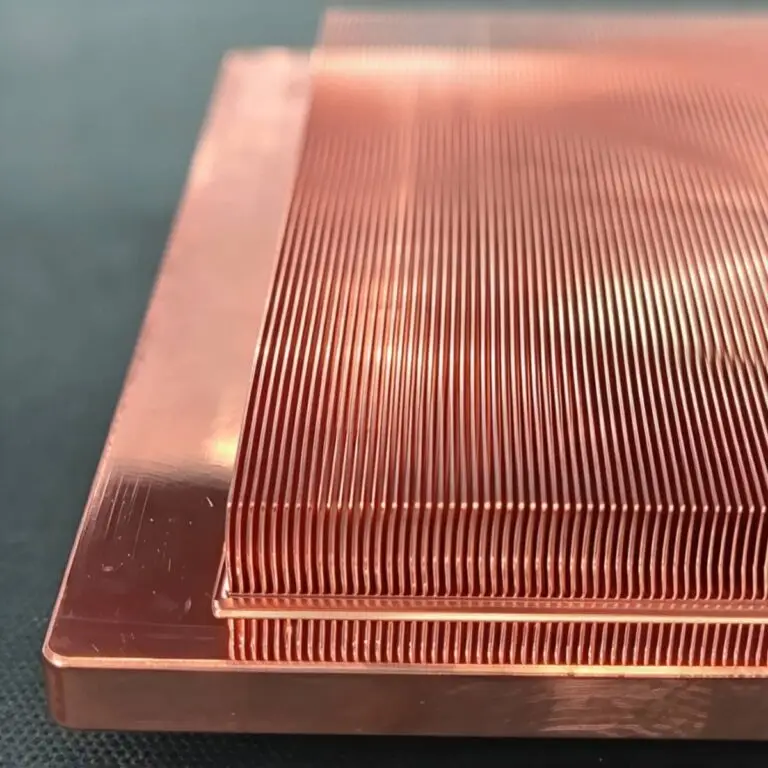
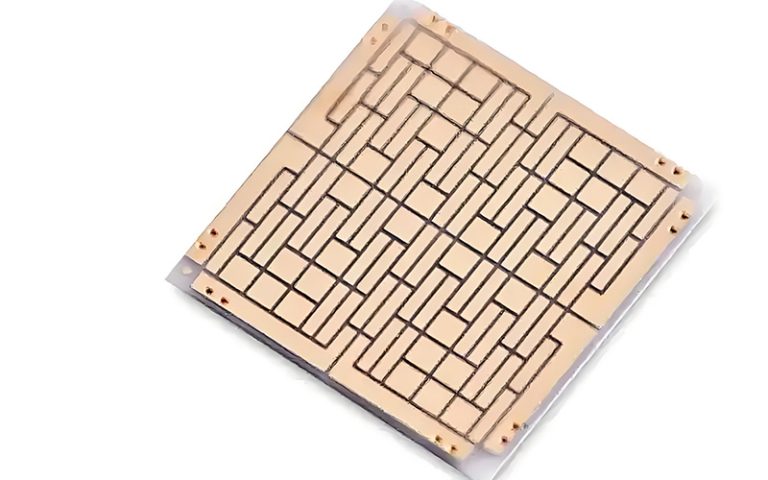
Diamond-Copper Thermally Conductive Composite. High thermal conductivity, tunable CTE, robust.
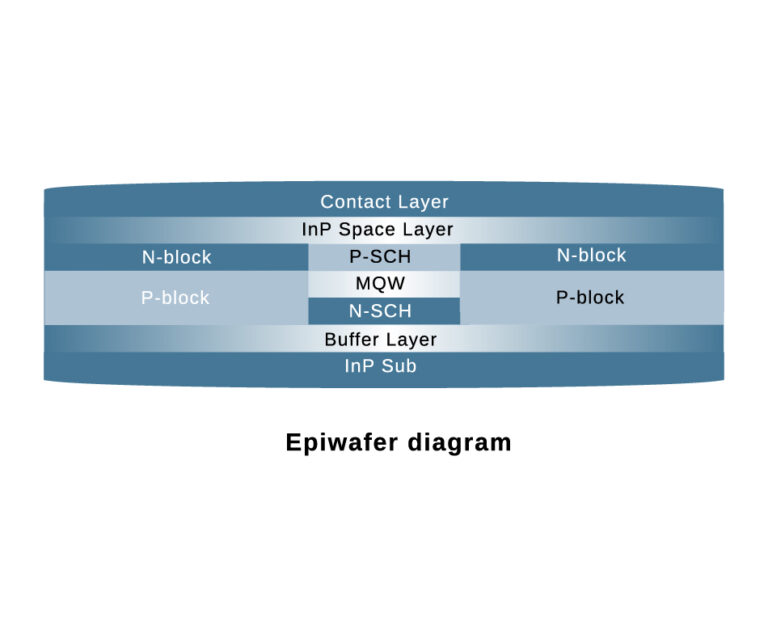
The DE-CW-1310 DFB EPI wafer, a high-performance epitaxial structure designed for distributed feedback (DFB) lasers operating at 1310 nm....
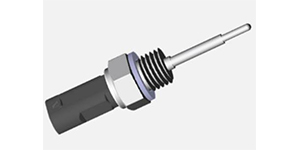
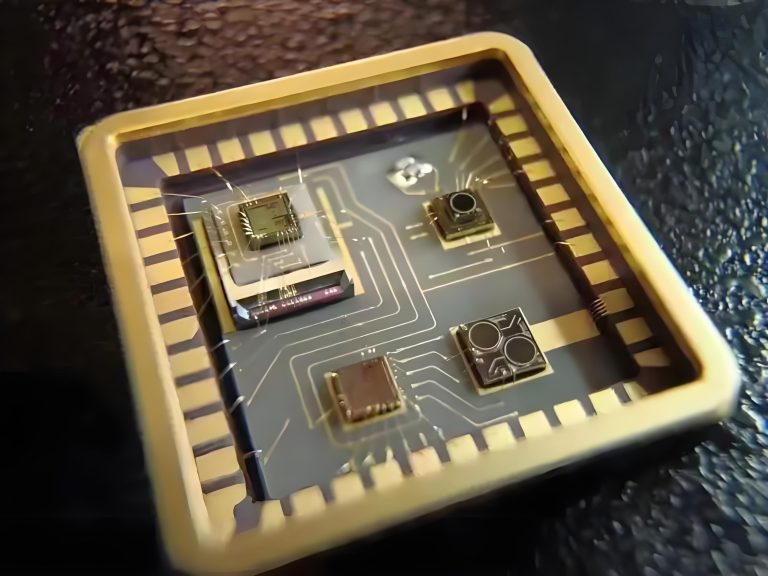
Ceramic thin-filmvacuum sensor Optical gas massflowmeter Liquid mass flowmeter Force sensor MEMS...
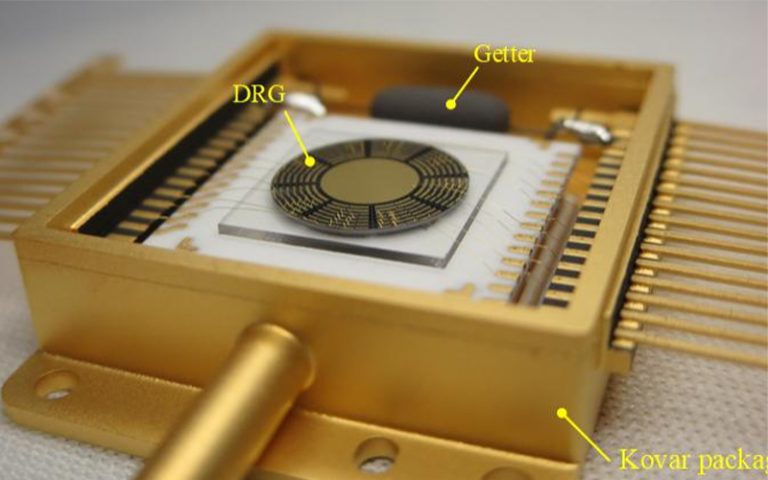
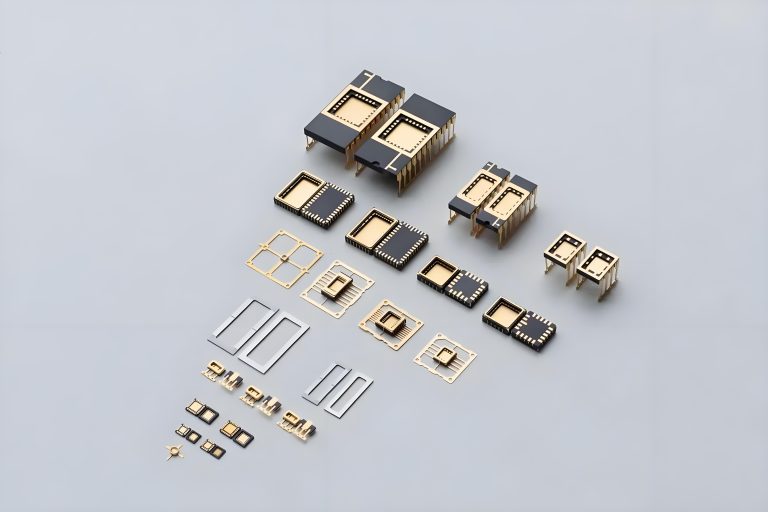
Photoelectric sensing chip Light source chips Optical transmission and modulationchips Optical detection and receptionchips...
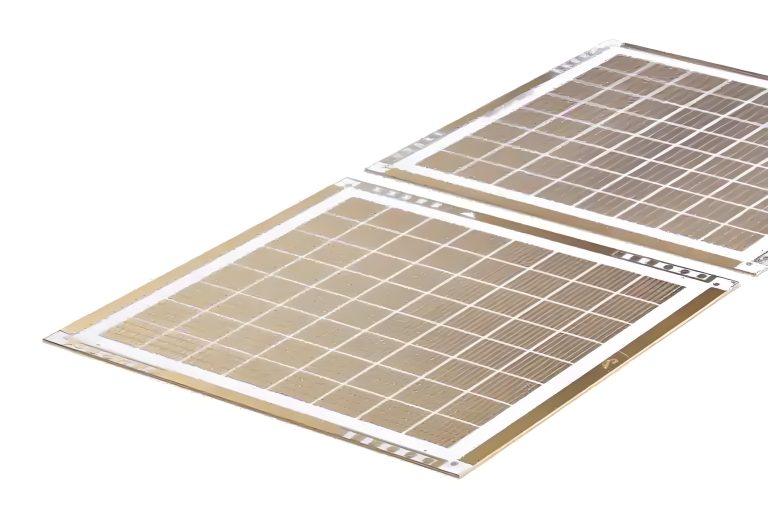
Using a“Detach Core”which has two-layers carrier foil structure on the surface as a core, and forming...
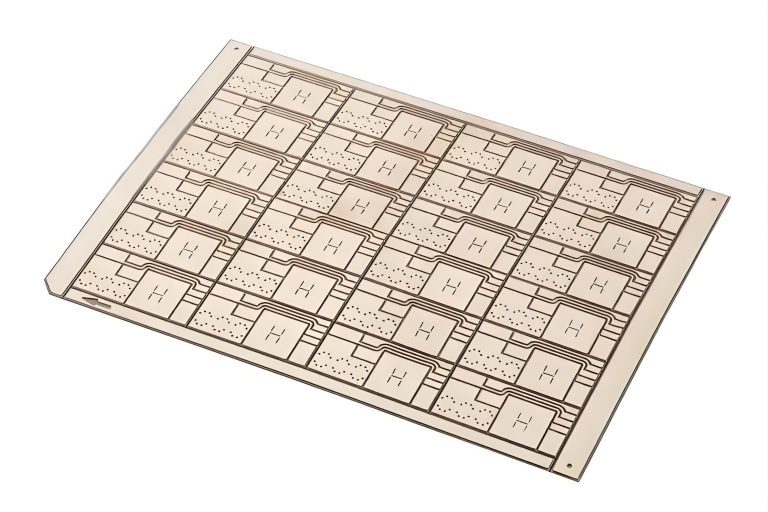
Tenting process is a kind of subtractive process, the process as follows: Laminating photosensitive film...
Modified Semi-Added Process abbreviated as mSAP, which can be used on the core or build-up layers, pattern...
Semi-Added Process abbreviated as SAP, using on the build-up-layer pattern forming as follow:First depositing...
The product generally adopts the pressing lamination process of semi-curing sheets , and line formation...
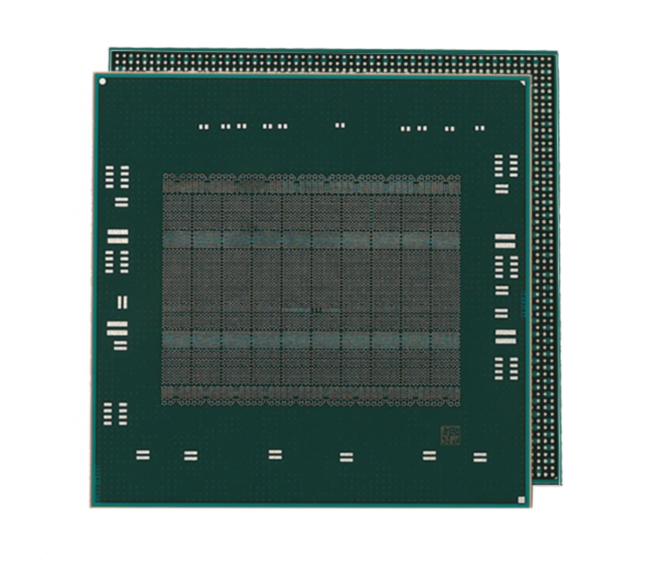
The products generally adopt the Build-up Film Lamination process, and the circuit formation uses the...