
IGBT modules are critical in high-power switching applications due to their ability to efficiently handle high voltages and currents while maintaining fast switching speeds with low energy loss. They combine the control ease of MOSFETs with the power capacity of BJTs, making them ideal for applications like motor drives, renewable energy systems, and aerospace electronics. Their robust design ensures thermal stability and reliability under stress. DEEPETCH Semicon Group Co., Ltd. enhances IGBT performance with advanced ceramic substrates and precision manufacturing, supporting industries from prototyping to mass production.
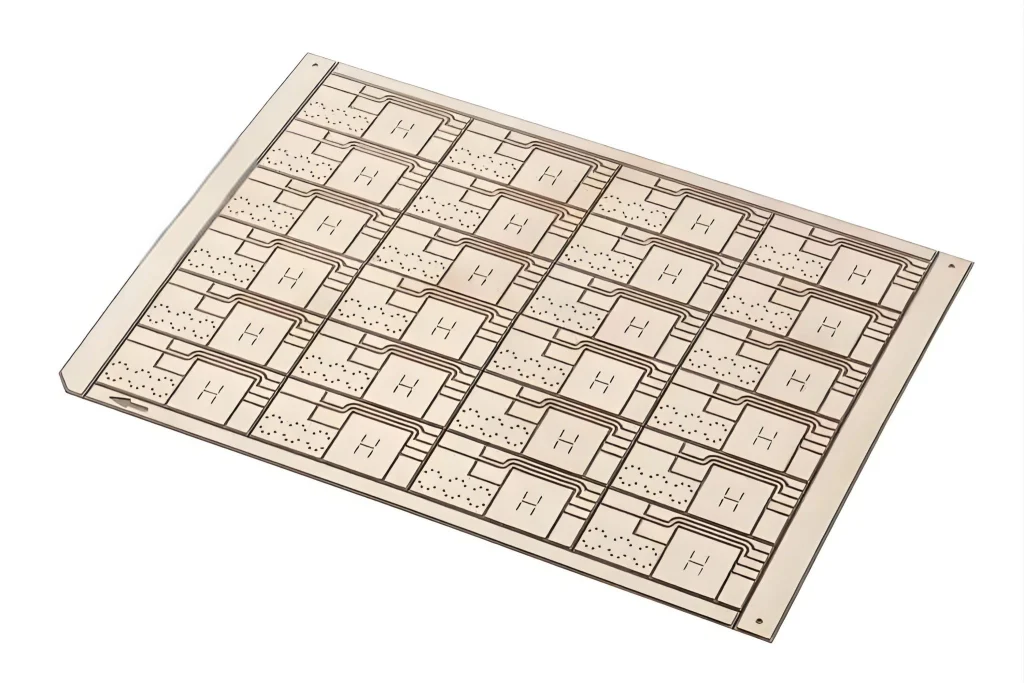
Insulated Gate Bipolar Transistor (IGBT) modules are popular because they save energy well. They cut down on power loss during use. This makes them perfect for things like solar panels, electric car motors, and big power lines. With less energy wasted, you can build smaller systems. You also need less cooling, which is helpful when space is tight.
IGBT modules are built to manage large amounts of voltage, often over 1,200V. They can also handle hundreds of amperes of current. This makes them great for tough jobs like training motors or factory machines. Their strong design keeps them working well even under heavy electrical pressure.
One big reason to pick IGBT modules is their quick switching with little energy loss. They can turn on and off fast. This lets you use higher frequencies, which makes parts like inductors and capacitors smaller. As a result, your system is lighter, smaller, and responds better to changes.
IGBT modules have a MOSFET-like input, which is easy to control with voltage. They also have a BJT-like output, which keeps the voltage drop low when on. This mix means you get simple control circuits and less energy loss. It’s a big win for making efficient power systems.
Heat is a big worry in high-power systems. Unlike MOSFETs, which can overheat and fail, IGBT modules stay stable even when hot. Their wide safe operating area (SOA) helps them work well in places with big temperature changes. This makes them reliable in tough conditions.
In systems that switch on and off a lot, like those using pulse-width modulation (PWM), you need parts that last. IGBT modules are made for this. They can handle repeated electrical and heat stress without breaking down. This means they work well for a long time.
As industries move toward electric systems and automation, IGBT modules are key. They’re used in everything from big machines to space technology.
You see IGBT modules in variable frequency drives (VFDs) that control AC motors. They adjust voltage and frequency to control motor speed precisely. This saves energy in systems like factory machines or air conditioners. It’s a big reason they’re so common.
In aerospace, every ounce matters. IGBT modules are small but powerful. They’re used in satellite communication and spacecraft engines. Their high efficiency and reliability make them perfect for critical jobs where failure isn’t an option. Semiconductor chips create a new era in aerospace.
In solar or wind power systems, IGBT modules help turn DC power into AC power for the grid. Their high efficiency means more energy from each panel or turbine. This makes green energy cheaper and more practical over time.
If you’re building cutting-edge electronics, DEEPETCH Semicon Group Co., Ltd. helps with advanced materials and manufacturing. Their work makes IGBT modules perform better and last longer.
DEEPETCH provides ceramic substrates used in industries like medicine, drones, communications, cars, aerospace, and optics. These substrates are great at moving heat away from IGBT modules. This is important for keeping them cool during fast switching.
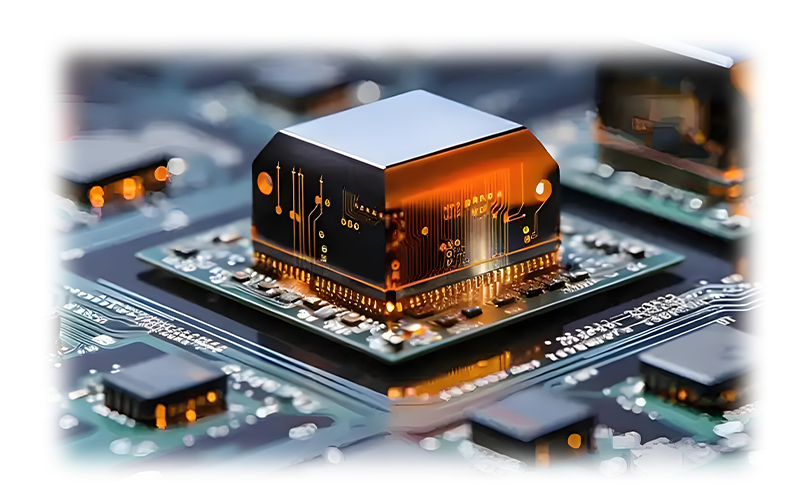
DEEPETCH uses a “Detach Core” with a two-layer carrier foil structure. They also use a process called mSAP (Modified Semi-Additive Process). This creates fine patterns on substrates, reducing unwanted electrical effects. It helps your circuits work faster and better.
DEEPETCH’s equipment uses non-destructive testing with tiny probes. This ensures every IGBT module is reliable before it’s used. It’s critical when you can’t afford system failures. The equipment features are Non-destructive precision testing, and Micrometer-level probe contact technology (minimum assures that each component meets strict standards.
Heat control shapes how you build high-power systems. If heat isn’t managed, IGBT modules can lose efficiency or fail.
When IGBT modules switch faster to improve performance, they create more heat. Without good cooling, the module’s temperature can get too high, even during normal use. This can cause problems quickly.
Materials that move heat well are key. They pull heat from the IGBT’s core to a heat sink fast. DEEPETCH’s ceramic substrates are great at this. They keep electricity insulated while moving heat effectively, which is vital for high-voltage systems.
The benefits of DEEPETCH’s ceramic casings are that they have excellent thermal conductivity, keeping modules cool without making them bigger. This boosts reliability in tight spaces.
Picking the right IGBT module means matching it to your system’s needs. You balance voltage, current, and control features carefully.
Your module’s ratings must fit your system’s demands, including sudden power spikes. Choosing too high a rating wastes money. Choosing a risk of failure during heavy use, like when a motor starts or brakes.
Faster switching makes smoother power output but creates more heat. You need to balance frequency with efficiency. Good gate control and circuit design help you hit your energy-saving goals.
Modern systems use sensors to monitor things like current or temperature. Your IGBT module must work with these sensors. This ensures your system adjusts to changes, keeping performance steady.
DEEPETCH offers tools and materials to improve IGBT systems from early designs to full production. Their solutions ensure quality and reliability.
DEEPETCH integrates sensors into IGBT modules. Chip-based sensing of everything, intelligent discovery of every detail – semiconductor chips reshape the precision revolution of the world of perception. These sensors track temperature or current in real time. This helps spot problems early, keeping systems safe.
DEEPETCH makes ceramic substrates for specific jobs, like AI robots or medical imaging. These substrates are strong and have the right electrical properties. They reduce noise and improve performance in sensitive systems.
DEEPETCH’s IDM model combines design, research, and manufacturing. This ensures your IGBT modules stay consistent from prototype to large-scale production. Their experience builds strong intellectual property, giving them an edge.
IGBT modules aren’t just for factories or power grids. They’re used in new tech areas needing smart, efficient power control.
In robots like humanoids, IGBT modules power motors that need precise control. They convert battery power efficiently, making robots move smoothly and work longer. This is key for complex tasks.
Small devices in remote places, like IoT sensors, use IGBT modules in tiny power converters. These handle changing voltages without overheating or slowing down. This keeps devices running smoothly.
In machines like CT scanners, IGBT modules deliver fast power pulses. This creates clear images while keeping electrical noise low. It’s critical for accurate medical results.
Q1: What is the primary function of an IGBT module?
A: It works as a switch, blending fast control like MOSFETs with strong current handling like BJTs. It’s great for efficient power conversion at high voltages and currents.
Q2: Why are ceramic substrates important in IGBT packaging?
A: They move heat well while keeping electricity insulated. This is vital for safe, cool operation during fast switching.
Q3: Can you integrate sensors directly into an IGBT module?
A: Yes. Sensors in the module track temperature or current. This helps predict issues, improving safety and customization sensor series.
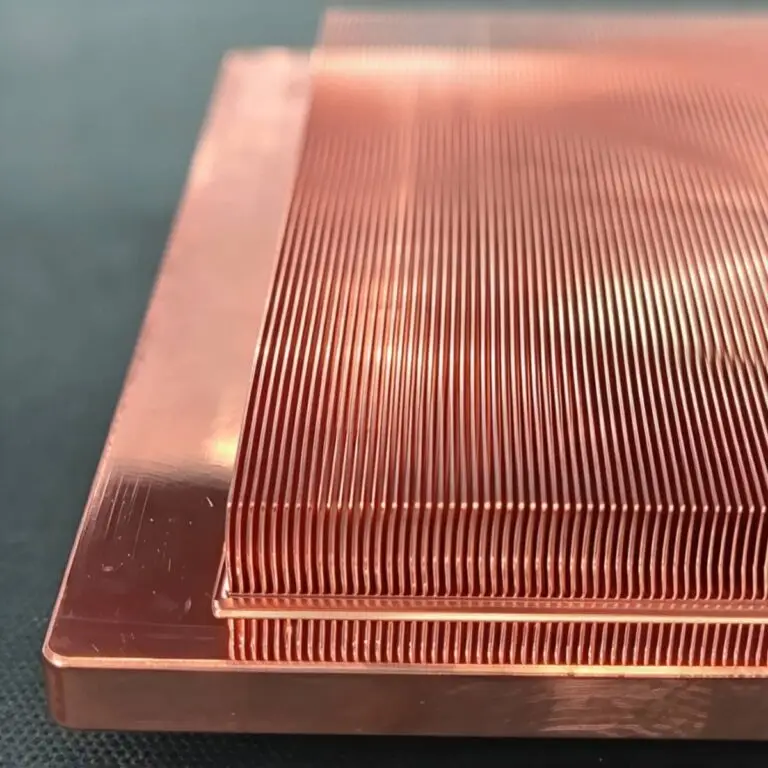
Diamond-Copper Thermally Conductive Composite. High thermal conductivity, tunable CTE, robust.
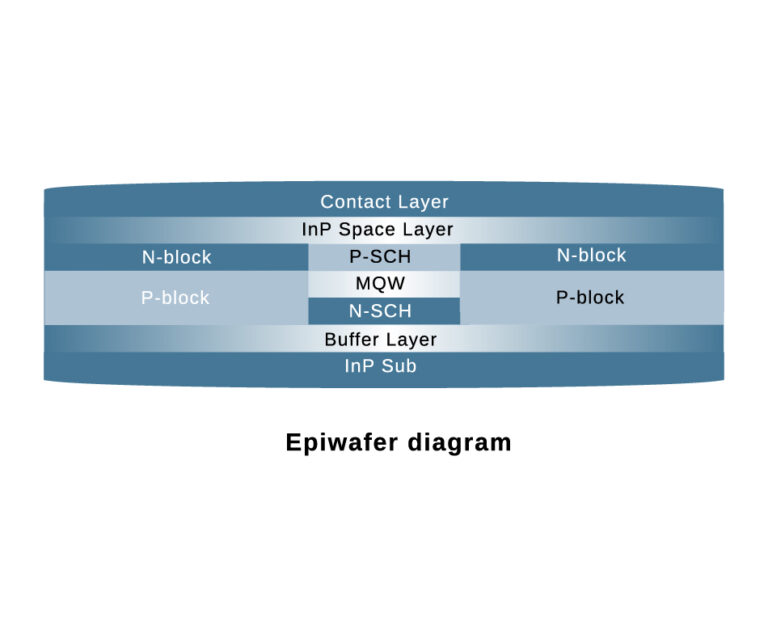
The DE-CW-1310 DFB EPI wafer, a high-performance epitaxial structure designed for distributed feedback (DFB) lasers operating at 1310 nm....
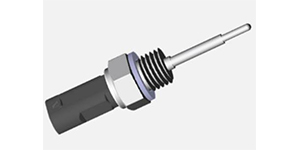
Ceramic thin-filmvacuum sensor Optical gas massflowmeter Liquid mass flowmeter Force sensor MEMS...
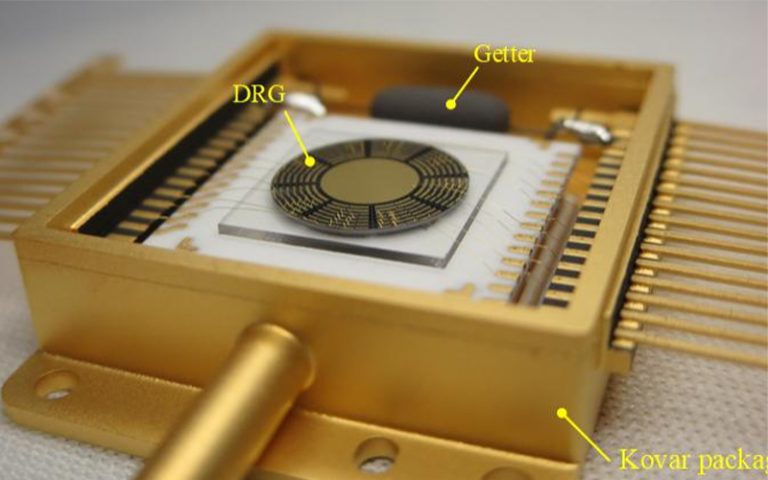
Photoelectric sensing chip Light source chips Optical transmission and modulationchips Optical detection and receptionchips...
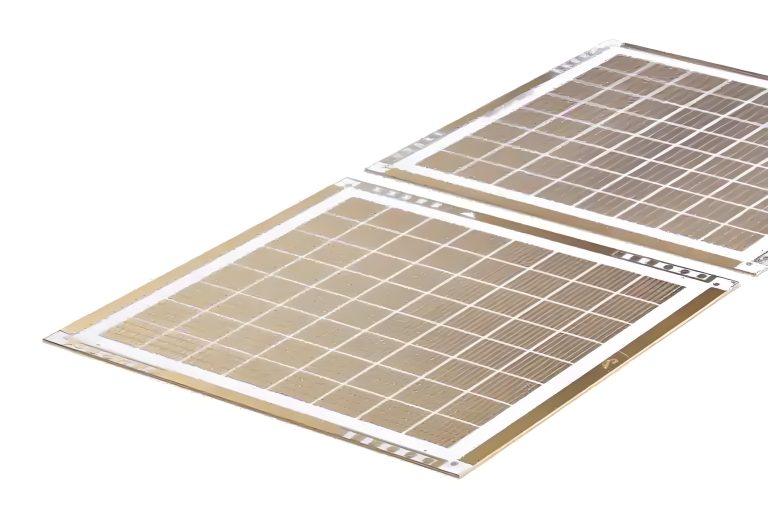
Using a“Detach Core”which has two-layers carrier foil structure on the surface as a core, and forming...
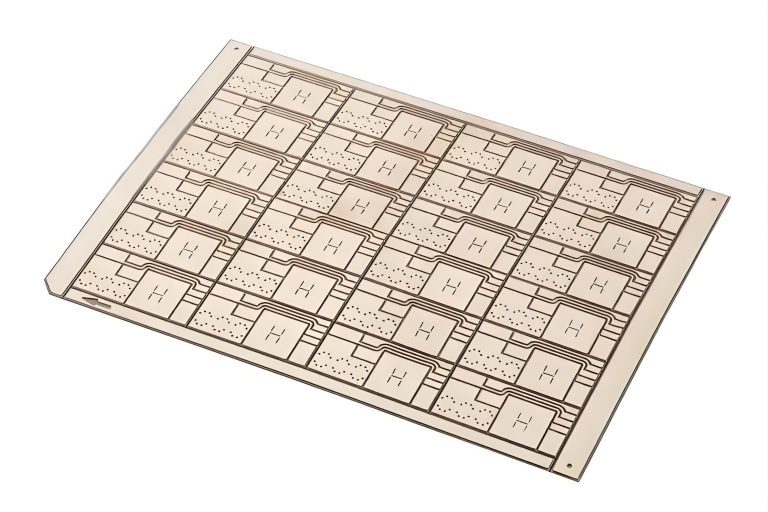
Tenting process is a kind of subtractive process, the process as follows: Laminating photosensitive film...
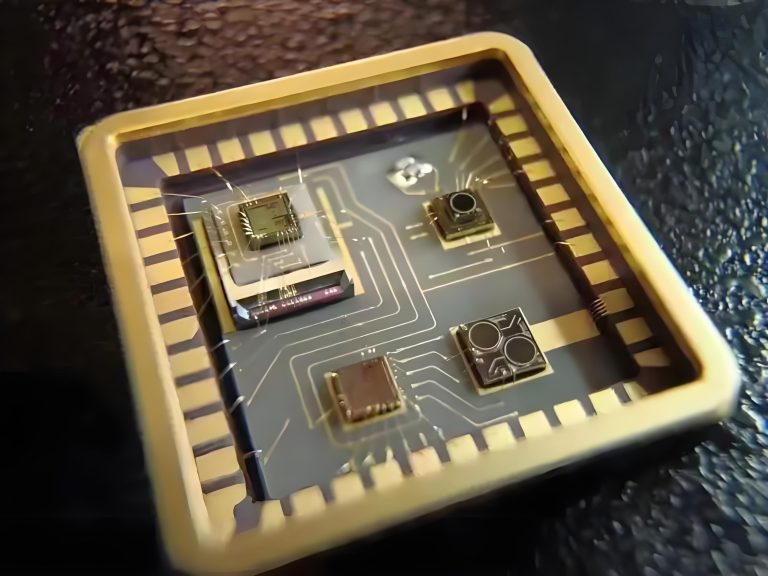
Modified Semi-Added Process abbreviated as mSAP, which can be used on the core or build-up layers, pattern...
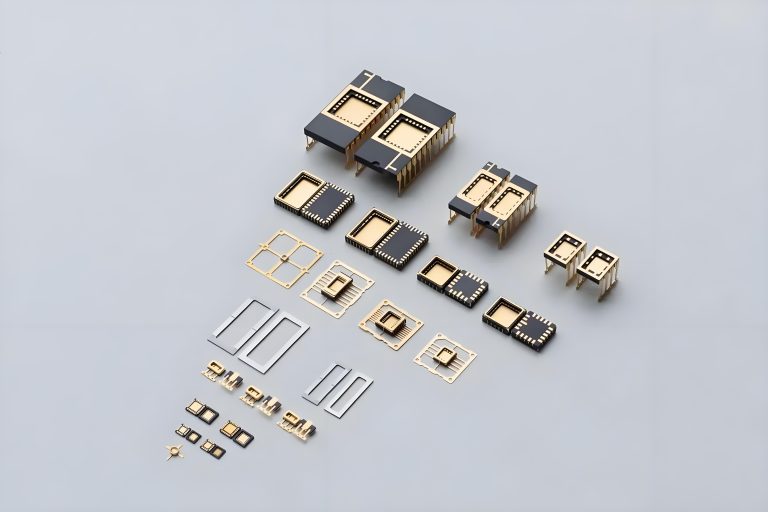
Semi-Added Process abbreviated as SAP, using on the build-up-layer pattern forming as follow:First depositing...
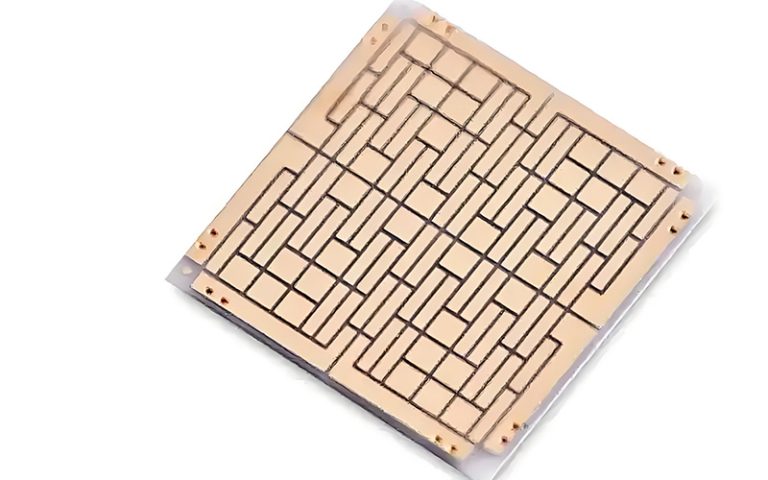
The product generally adopts the pressing lamination process of semi-curing sheets , and line formation...
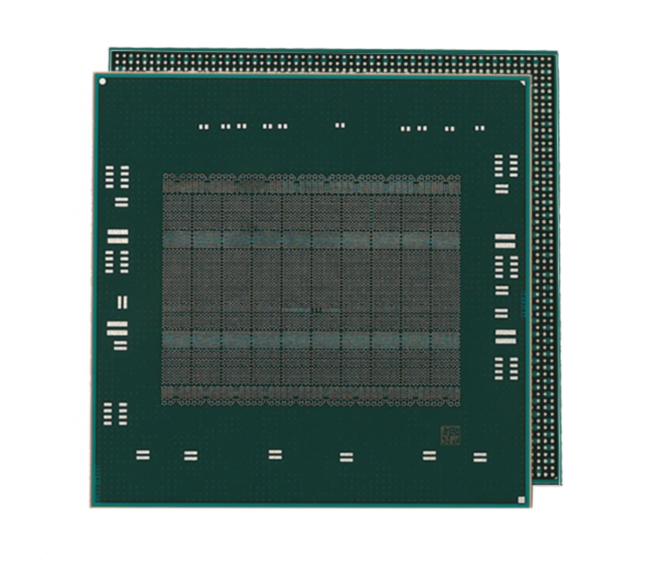
The products generally adopt the Build-up Film Lamination process, and the circuit formation uses the...