
The development of autonomous flight systems has driven drone flight controllers to their boundaries. Current AI-driven controllers handle large volumes of data instantly, but this processing creates notable heat in smaller casings. Controlling this heat is not only about avoiding system failures; it also involves preserving sensor accuracy and securing flight safety. In designing small drones, you encounter an ongoing conflict between strong performance and heat reduction. To tackle these heat issues well, you need a mix of modern material knowledge and smart sensor use, which keeps the aircraft steady in tough conditions.

Thermal control in AI-driven drones presents a complex issue that affects all parts of flight operation. Too much heat does not merely threaten hardware; it changes how sensors view the real world. As heat levels increase, the electrical traits of semiconductor parts shift, causing signal interference and data errors that might make a drone drop height or stray from its route. You have to focus on a steady thermal setting so that AI systems get clear, dependable data for instant choices.
Elevated temperatures often lead to errors in readings from MEMS pressure and temperature sensors. In the Drone Industry, a barometer sensing part needs to notice small shifts in air pressure to hold a firm hover. If the sensor heats from close processors, the piezoresistive effect or capacitive shifts for pressure measurement can vary, leading to “altitude creep.” Sensing parts built for heat resistance and low thermal growth ensure that your flight controller stays precise despite rising internal heat. This approach supports reliable performance during flights.
 AI Processing Efficiency
AI chips in flight controllers depend on even thermal conditions to keep top output without slowing their speeds. When heat passes certain limits, these processors cut their working frequency to guard the silicon, which causes delays in flight adjustments. Such delays cannot be tolerated in fast turns or barrier avoidance. By controlling heat, you sustain the required GFLOPS levels, so the link between software orders and motor response stays direct. This setup enhances overall system response.
Ongoing thermal cycles—heating in flight and cooling after—can cause wear in standard PCB bases. Over periods, varying growth rates between parts and the board create tiny cracks in solder links. Selecting materials with strong rigidity and similar thermal growth rates extends the controller’s life. This durability matters for business and industrial drones that work in varied weather and complete many flight rounds. It ensures consistent operation across uses.
The base of any solid thermal plan rests in the substrate of the flight controller. Usual fiberglass often works as a barrier, holding heat near key AI centers. To address this, you should turn to modern materials with strong thermal flow. These materials serve as heat spreaders, pulling energy from working parts and spreading it over wider areas or via the drone’s frame.
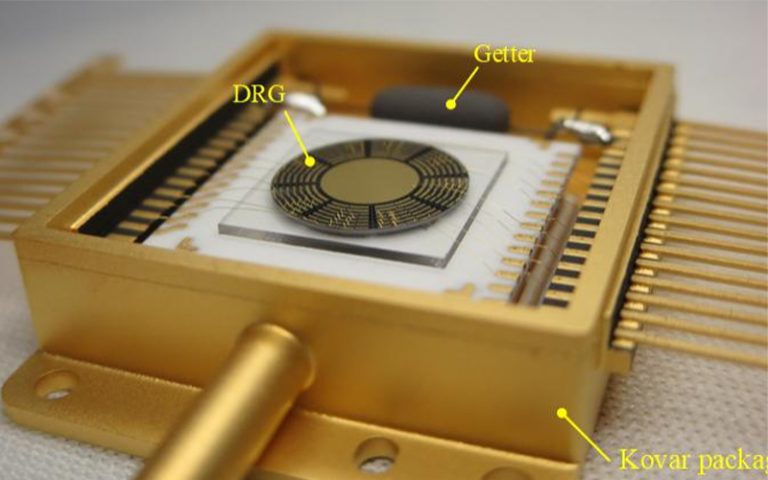
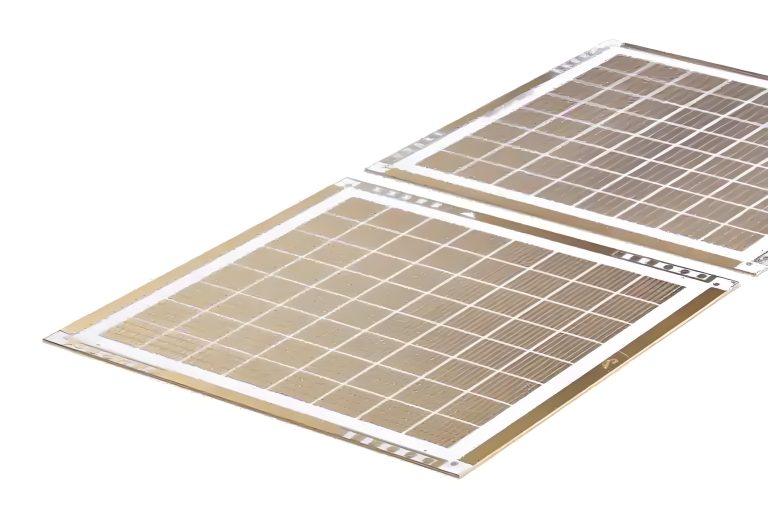
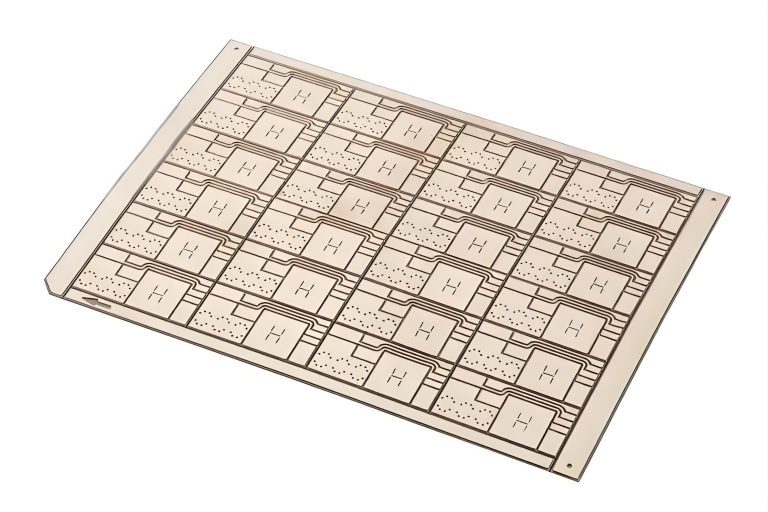
Employing Alumina (Al2O3) or like ceramic substrates for strong-power units greatly improves heat release over basic polymers. Ceramics have natural high thermal flow and fine dielectric traits, suiting them for dense setups in small drones. These bases offer a firm, heat-steady surface that avoids bending common in low-cost materials, keeping fine MEMS forms well-placed for exact data collection. This stability aids in precise sensor work.
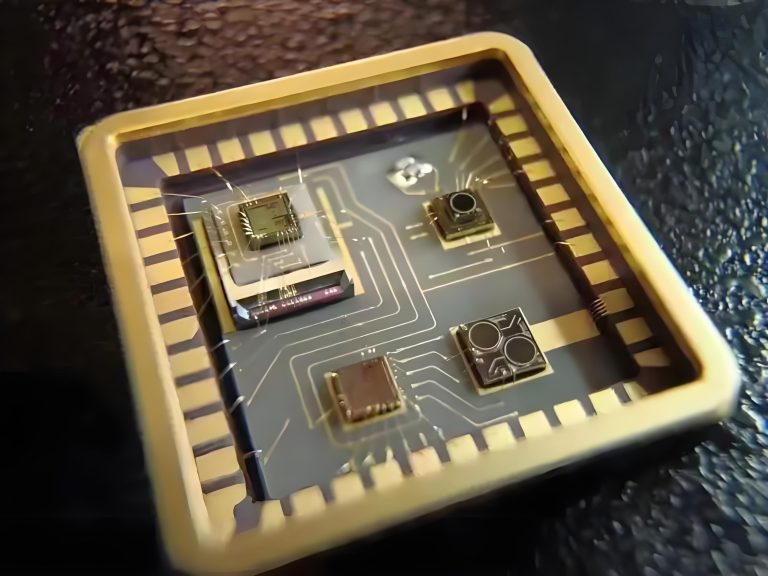
New glass or modern plastic substrates bring a clear benefit with less bending due to better heat steadiness. A unique “Inside the Substrate” chip arrangement enables a package that is slimmer and lighter than usual types, yet fits existing frame designs. This structure betters heat routes from the silicon to the outside, maintaining a cool package. If you seek a partner skilled in these modern making methods, DEEPETCH stands as a top IDM (Integrated Device Manufacturer) strong in “Sensor+” options. From 2019, they have supplied fresh semiconductor goods and fast optical answers to more than 1560 worldwide customers, focusing on tailored replacement and tech guidance for high-output uses. Their work supports advanced drone needs.
For power shifts in the flight controller, wide bandgap materials such as Silicon Carbide (SiC) or Gallium Nitride (GaN) grow vital. SiC shows thermal flow much beyond usual Silicon, permitting higher power levels in less space. By using these in power management ICs, you lessen heat from voltage control, which cuts the total heat burden on nearby AI units. This efficiency boosts flight controller design.
Tackling hard thermal problems calls for combined answers that blend quality hardware with smart software fixes. You require parts made to endure flight strains while giving the data trust needed for AI navigation. Choosing a supplier that oversees full production from plan to check is key for firm quality levels.

DEEPETCH supplies MEMS pressure sensors made for special needs like corrosion guard and heat endurance. These include inner temperature fix algorithms that offset heat effects. With adjustable spans such as 0-3 bar, these sensing parts deliver the exact height data for drones in changing air and heat settings. This feature ensures steady altitude control.
Tracking the main temperature of your flight controller instantly starts active thermal control. Using NTC or PT-based sensors lets your system start cooling steps or change power use before key points. These sensors work in wide ranges, so even in desert flights or near factory heat, the system checks its state right. This monitoring supports safe operations.
How a chip is packed sets its strength against surroundings. DEEPETCH gives full packing and product check plans fit to set needs, covering resistance to fluids, voltage, shakes, and impacts. Their IDM model guarantees that from raw wafer to end product, each phase fits the high-trust demands of the drone field. It offers a strong supply line for your main parts. This control enhances component reliability.
Even with top materials, some heat shift remains unavoidable. The way to strong flight control lies in managing this shift via calibration and digital handling. By adding modern algorithms to the signal path, you adjust for surroundings instantly. This keeps the AI guide basing choices on the truest view of the drone’s state.
Signal handling goes beyond basic data reads; it needs heat and moisture fixes. Through new product calibration and fix algorithms, you can make pressure and motion sensor outputs straight. This digital level guards against heat meddling, letting the drone hold its spot with centimeter exactness as controller heat varies in fast flight. It maintains high precision levels.
Uniformity poses the main issue in growing drone output. You must confirm that each flight controller from production acts the same. Partnering with a firm rich in mass output calibration and fixes ensures units hit firm exactness marks. The method tests sensors at different heat points to build a tailored outline for each chip, teaching the controller to overlook its own heat. This step secures consistent quality.
In planning a fresh drone, you may face unexpected heat blocks. Reaching pro lab approval and failure check services lets you spot exact failure spots. Be it a misplaced inductor making a local hot area or a base material weak to shakes, deep review aids in sharpening your hardware for top strength and heat flow before market entry. This process speeds reliable development.
As drones link more closely, the heat burden will rise further. Coming flight controllers may add fast data ties and stronger edge AI. Readying for these shifts now by taking tech from high-need areas like data centers and telecoms will edge your drone plans in a full market.
Fast contact is key for next swarm drones and remote industrial UAVs. Tech in 800G and 1.6T optical modules, where DEEPETCH pushes R&D, stresses cutting delays and handling high heat in data shifts. Using these in drone data lines ensures sending clear video and sensor info without heating the contact hardware. It supports advanced connectivity.
Past basic height and angle, future drones need better feel of physical ties. Adding six-axis force sensors enables advanced touch feedback in remote control or soft links with surroundings in auto tasks. These sensors require heat steadiness to avoid false forces from motor heat on the frame, a task needing the exact material picks noted before. This integration improves interaction accuracy.
Winning in the world drone field needs more than solid planning; it calls for a chips in stock plan that keeps output lines active. With a work net over Shenzhen, Beijing, and Hong Kong, DEEPETCH offers a grown and firm supply chain. Their control systems, like IATF 16949 and ISO 9001, confirm each part you get meets top quality marks. This lets you center on expanding what your AI drones can do. It fosters innovation focus.
Q1: Why is thermal management so important for drone barometers?
A: Barometers rely on fine MEMS forms that can grow or shift electrical resistance under heat. Without good thermal control, this causes height shifts, making the drone climb or drop without pilot orders.
Q2: How do ceramic substrates compare to traditional FR4 for drones?
A: Ceramic bases give far better thermal flow, so they shift heat from processors quicker. They also show greater rigidity and heat steadiness, stopping board bending that harms fine sensor links.
Q3: Can AI algorithms help with heat-related sensor errors?
A: Yes, through digital fix algorithms, the system uses heat data to number-based remove heat-caused errors from sensor raw output, giving the flight controller true info.
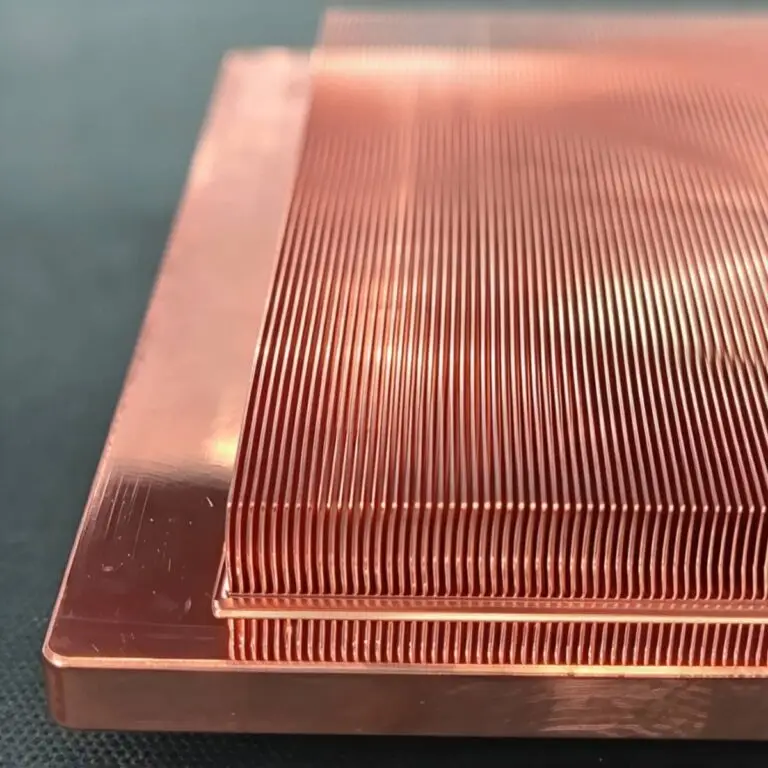
Diamond-Copper Thermally Conductive Composite. High thermal conductivity, tunable CTE, robust.
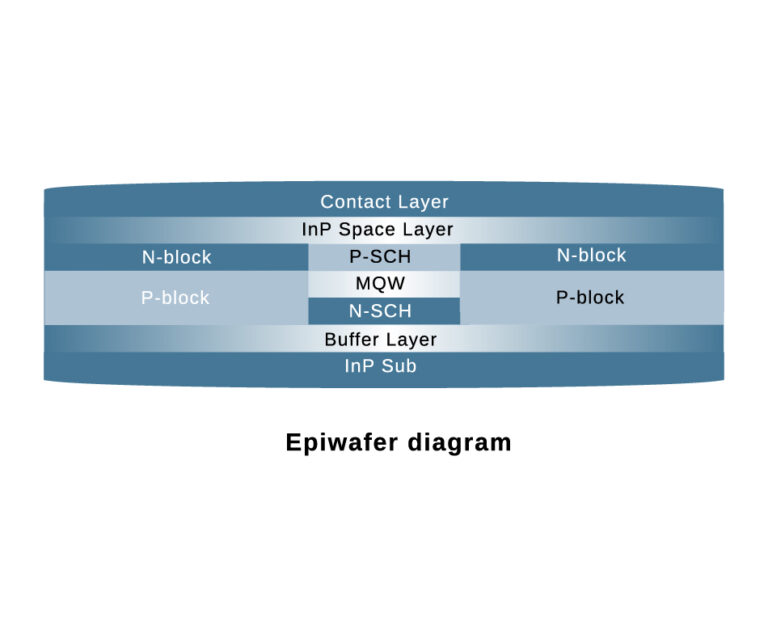
The DE-CW-1310 DFB EPI wafer, a high-performance epitaxial structure designed for distributed feedback (DFB) lasers operating at 1310 nm....
Ceramic thin-filmvacuum sensor Optical gas massflowmeter Liquid mass flowmeter Force sensor MEMS...
Photoelectric sensing chip Light source chips Optical transmission and modulationchips Optical detection and receptionchips...
Using a“Detach Core”which has two-layers carrier foil structure on the surface as a core, and forming...
Tenting process is a kind of subtractive process, the process as follows: Laminating photosensitive film...
Modified Semi-Added Process abbreviated as mSAP, which can be used on the core or build-up layers, pattern...
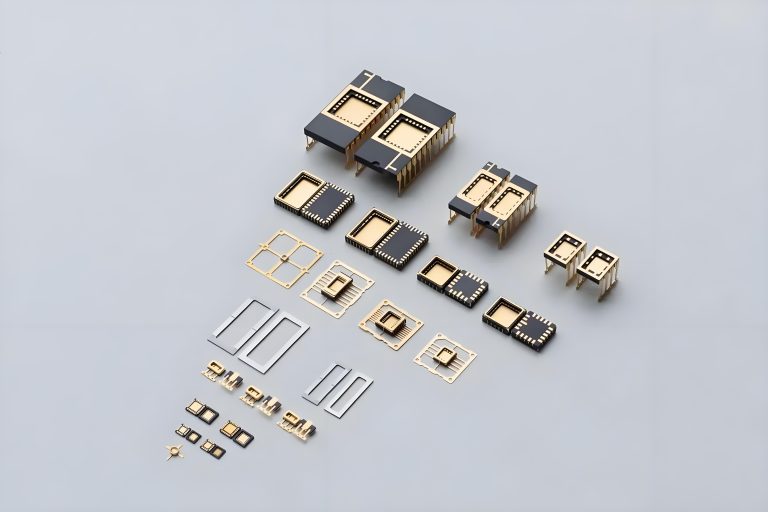
Semi-Added Process abbreviated as SAP, using on the build-up-layer pattern forming as follow:First depositing...
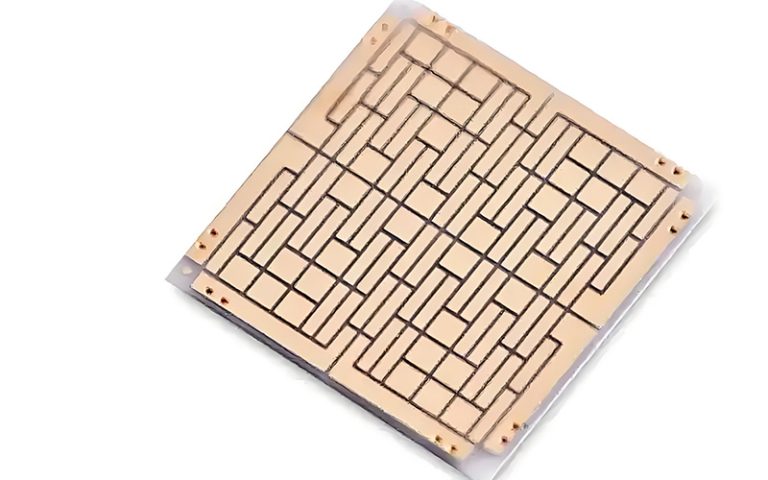
The product generally adopts the pressing lamination process of semi-curing sheets , and line formation...
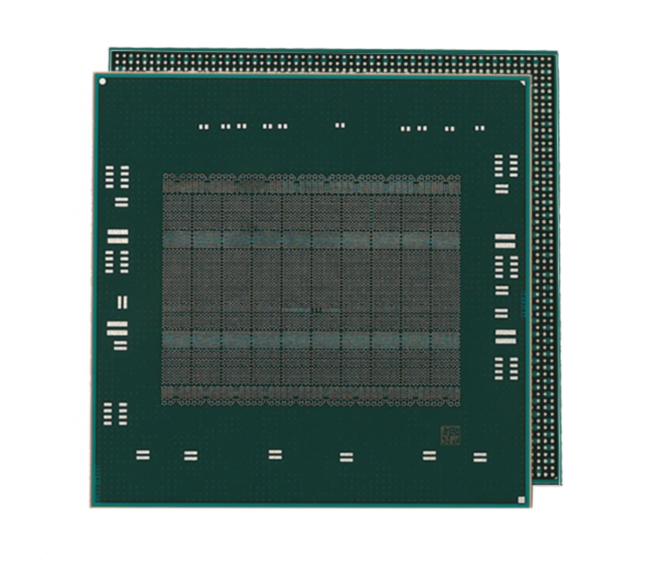
The products generally adopt the Build-up Film Lamination process, and the circuit formation uses the...