
The challenging field of contemporary aviation and space missions demands unwavering data transmission reliability. As systems advance to 800G and 1.6T networking frameworks, environmental pressures intensify against optical signals. Signal weakening in such vital uses can cause information loss, delays, or complete operational breakdowns. Addressing these issues calls for a collaborator with solid technical expertise. DEEPETCH, founded in 2019, has quickly risen as a key figure in this domain through creative high-speed optical modules and sensor designs. Employing a strong IDM (Integrated Device Manufacturing) framework, the company supports more than 1,560 international customers, ranging from liquid-cooled 800G modules to dedicated Aerospace sensors. This dedication to innovation and tailored replacements positions DEEPETCH as a vital partner for specialists aiming to extend capabilities in severe conditions.

Reliable high-speed links necessitate tackling distinct physical strains beyond Earth’s atmosphere. These elements form an ideal mix for signal decline, where slight decibel reductions can undermine whole sets of delicate devices. Recognizing these core factors enables the adoption of durable hardware setups that sustain optimal function across the mission duration.
Equipment endures sharp shifts from freezing lows to scorching highs. Such cycles prompt uneven material swelling and shrinking, termed CTE mismatch. This strain frequently results in minor fiber kinks or laser-fiber offsets, which serve as main sources of signal weakening. Consequently, these effects compromise overall data flow.
Launch forces and rapid flight generate constant mechanical impacts. These shakes displace parts inside optical assemblies. Lacking tough casings, the exact light route destabilizes, leading to sporadic signal interruptions and higher error rates in key flight stages. Thus, vibration control becomes essential for steady performance.
Orbital settings bombard circuits with total ionizing dose (TID) and single-event effects (SEE). Energetic particles harm semiconductor structures, boosting dark current while cutting photodetector sensitivity. Gradually, this harm lowers the signal-to-noise ratio, hindering clear data separation from noise. As a result, system accuracy suffers over time.
Low-loss setups rest on the substrates forming sensors and connections. Choosing stable bases under stress and heat marks the initial move toward enduring dependability. DEEPETCH applies cutting-edge material knowledge and the IDM model to oversee material choices, guaranteeing each element suits flight demands.
Ceramic bases offer firm support with minimal thermal expansion rates. These substrates keep sensor internals aligned amid temperature swings of hundreds of degrees. Such stability curbs heat-related signal drops effectively. In turn, this preserves consistent optical transmission.
Accuracy counts when photons matter most. Sputtering deposits even sensor coatings precisely. This method yields strong sensitivity and minimal entry loss over broad wavelengths. Despite wear from tough settings, sensors retain their response levels. Therefore, long-term efficiency holds firm.
Common adhesives degrade or emit vapors in vacuums, known as outgassing. Such releases can fog lenses and cause lasting weakening. Glass micro-fusion forms sealed, non-organic joins that block escapes. This keeps paths free of pollutants for years of use. Hence, signal clarity endures.
Scaling to 400G, 800G, or future 1.6T norms pushes air cooling and basic enclosures to their edges. Preserving robust signals at these speeds demands fresh approaches to heat and power handling inside modules. New cooling and build methods now prove necessary to halt heat-driven decline.
Fast data handling produces focused heat, raising noise and timing errors. Built-in liquid cooling manages these burdens well. It holds lasers and detectors at steady temperatures. This cuts risks of heat weakening and wavelength shifts. Overall, module reliability improves markedly.
IDM benefits lie in aligning chip creation with final enclosures. This full control lets selection from varied Chips in Stock tuned for low power and efficient conversion. Such tuning delivers peak output signals. As a consequence, performance meets high standards.
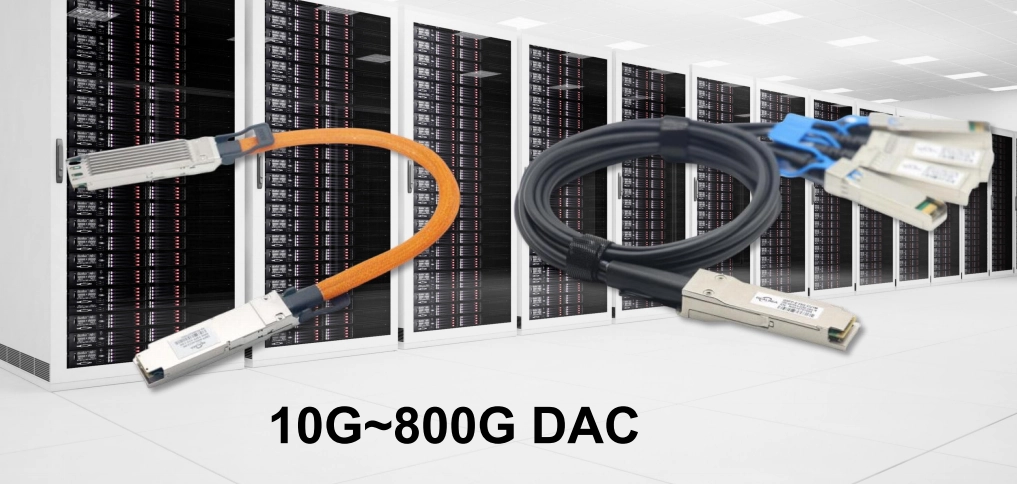
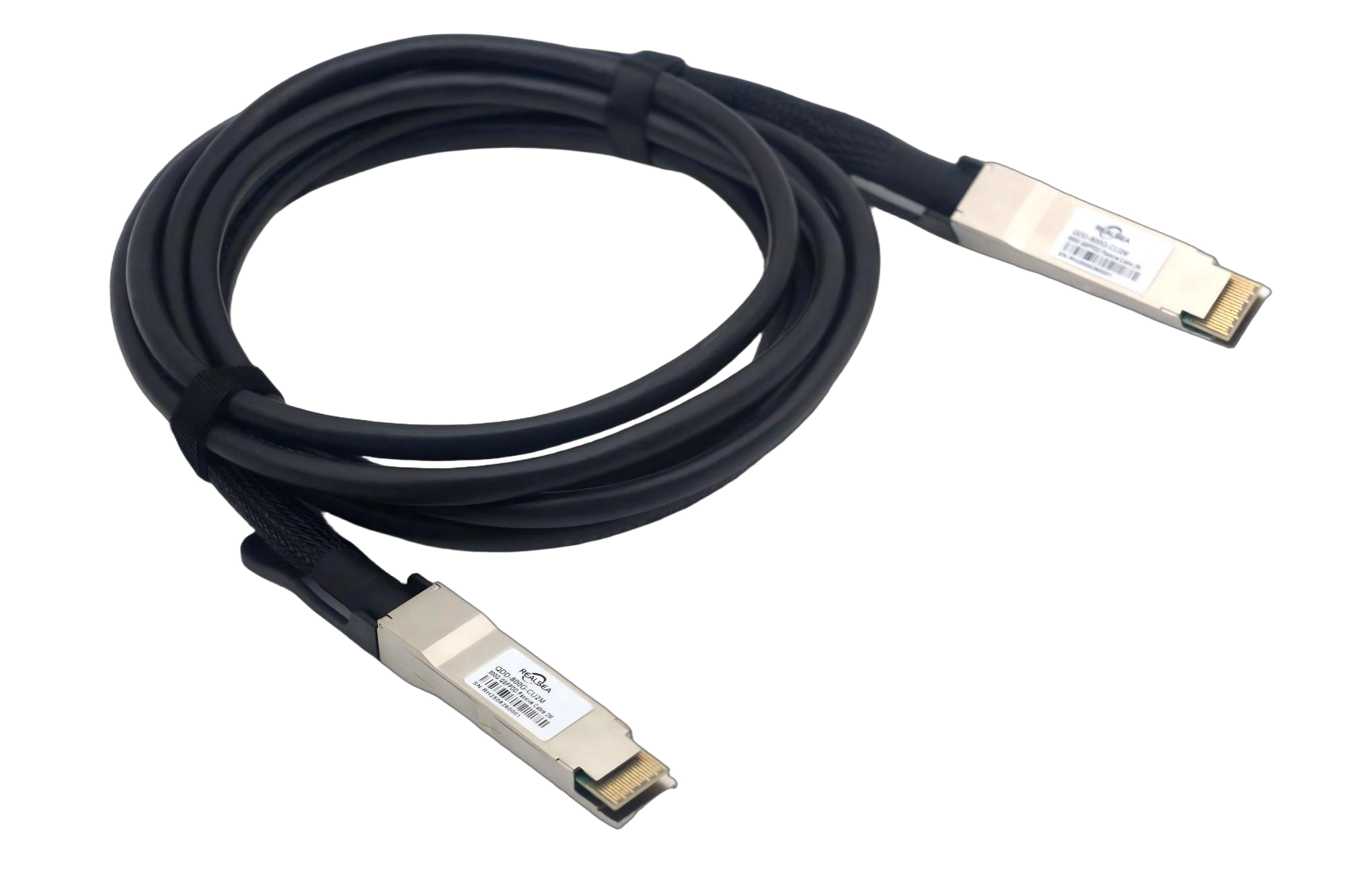
In-plane or satellite links need Active Optical Cables (AOC) and Direct Attach Cables (DAC) beyond mere bendability. Strengthened relief and shielded covers guard against strain and electromagnetic noise. This protection upholds data purity amid intense accelerations. Thus, interconnects remain dependable.
Superior materials aside, sensors shift naturally over periods and settings. Achieving zero-failure levels requires real-time error spotting and fixes. Smart processing serves as a barrier against hardware wear in active use.
Each sensor bears a distinct performance profile. Custom calibration straightens outputs for accuracy across full ranges. This avoids distortion or squeezing at peak loads. In effect, signals stay true and reliable.
AI built into modules cleans data instantly. This intelligent method removes site noise right away. Edge handling boosts effective strength and trims backhaul needs. Consequently, transmission efficiency rises.
Temperature monitors link with signal lines for ongoing input. Rising heat triggers bias adjustments to offset efficiency falls. This keeps power steady and averts fades. As such, operations proceed smoothly.
Signal steadiness caps with strict making and checks. Aerospace leaves no room for component lifespan doubts. Following global norms and full tests readies parts for space voids or engine shakes.
Top-tier systems log and repeat every production phase. This watch cuts flaw chances. Modules match lab trials even after time. Thus, consistency assures user trust.
Parts face checks for shakes, hits, and medium endurance. Mimicking launch or altitude drops confirms safe weakening levels. This proof builds assurance for vital missions. In the end, deployments gain security.
Tier-1 providers track wafer and part sources precisely. Tight rules bar fakes or poor items from chains. This safeguards optical paths from weak materials. Therefore, integrity stays intact.
Q1: Why is signal attenuation more severe in aerospace compared to terrestrial data centers?
A: Aerospace settings feature wild temperature changes and strong radiation that twist optical routes and harm semiconductors, elements missing in stable data centers.
Q2: How does glass micro-fusion help maintain signal strength?
A: It forms airtight seals sans adhesives prone to vacuum vapor release. Clean surfaces stay clear, blocking long-term light blocks by impurities.
Q3: Can liquid cooling really improve the lifespan of an optical sensor?
A: Indeed, steady low temperatures ease laser strain and noise, curbing weakening and lengthening module service.
Q4: What is the benefit of an IDM model for aerospace clients?
A: IDM enables full customization of chips and packs. Sensors thus fit high-trust needs over standard parts.
Q5: Are DEEPETCH high-speed modules compatible with existing aerospace networking standards?
A: Yes, modules fit norms like QSFP-DD and OSFP, surpassing environmental demands for aerospace.
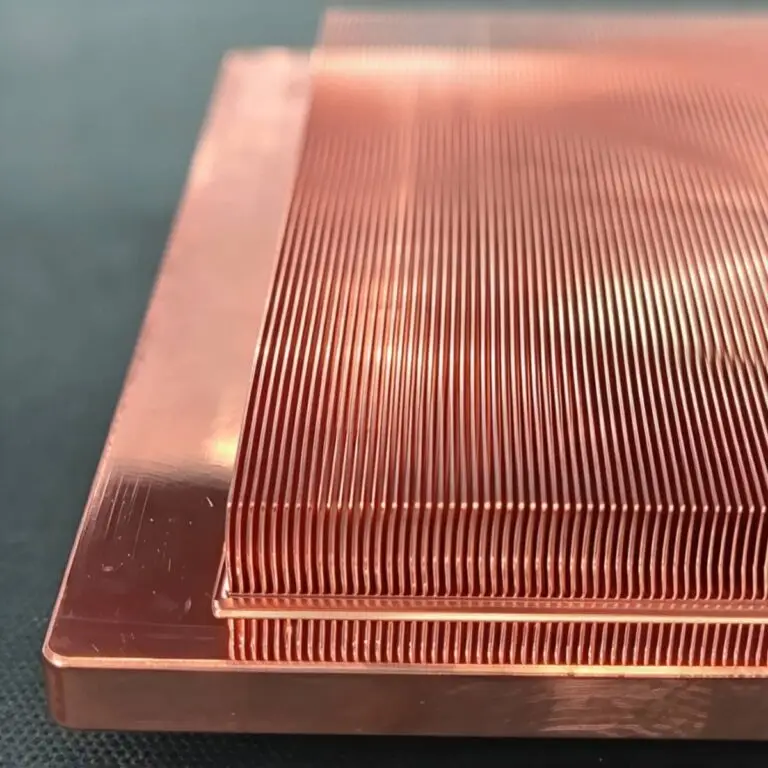
Diamond-Copper Thermally Conductive Composite. High thermal conductivity, tunable CTE, robust.
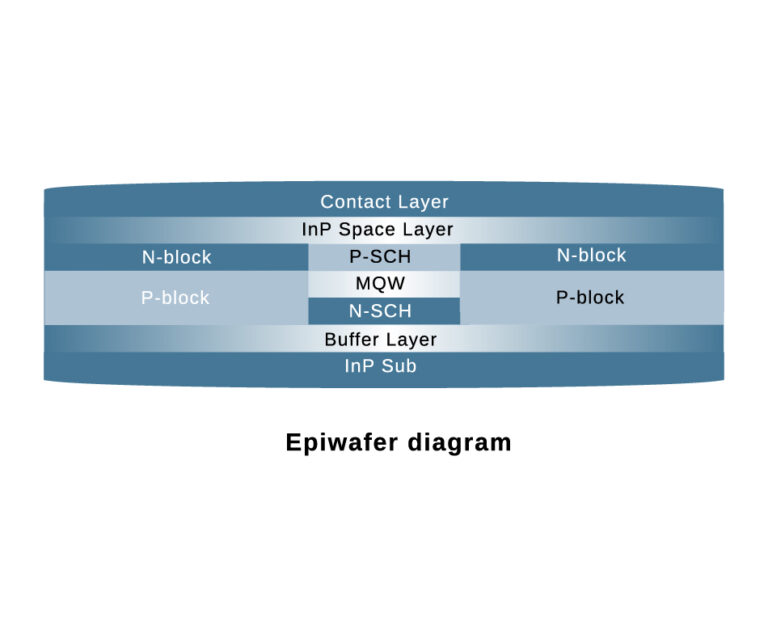
The DE-CW-1310 DFB EPI wafer, a high-performance epitaxial structure designed for distributed feedback (DFB) lasers operating at 1310 nm....
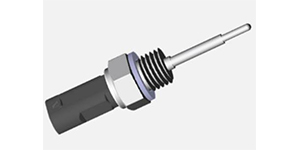
Ceramic thin-filmvacuum sensor Optical gas massflowmeter Liquid mass flowmeter Force sensor MEMS...
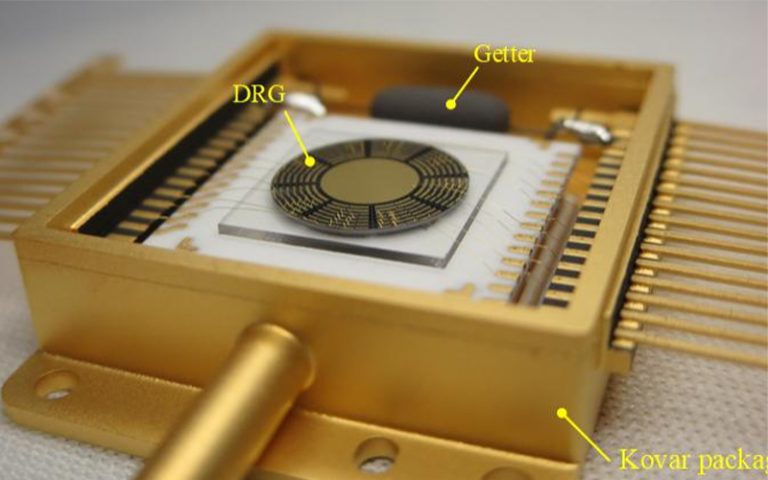
Photoelectric sensing chip Light source chips Optical transmission and modulationchips Optical detection and receptionchips...
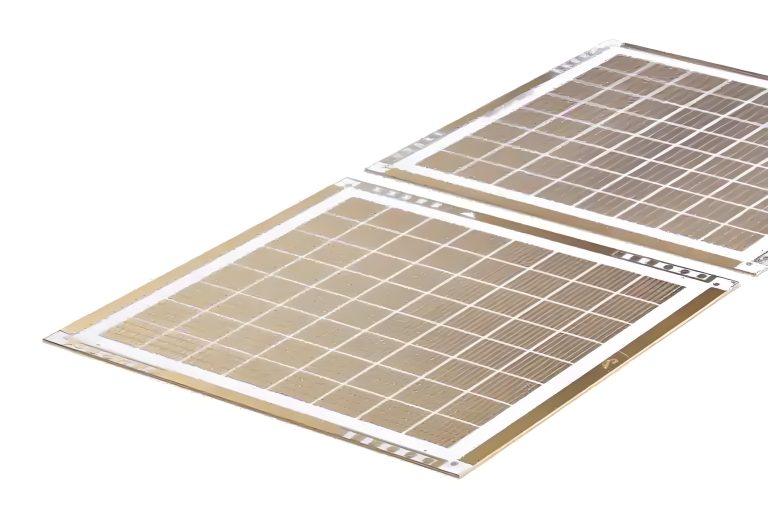
Using a“Detach Core”which has two-layers carrier foil structure on the surface as a core, and forming...
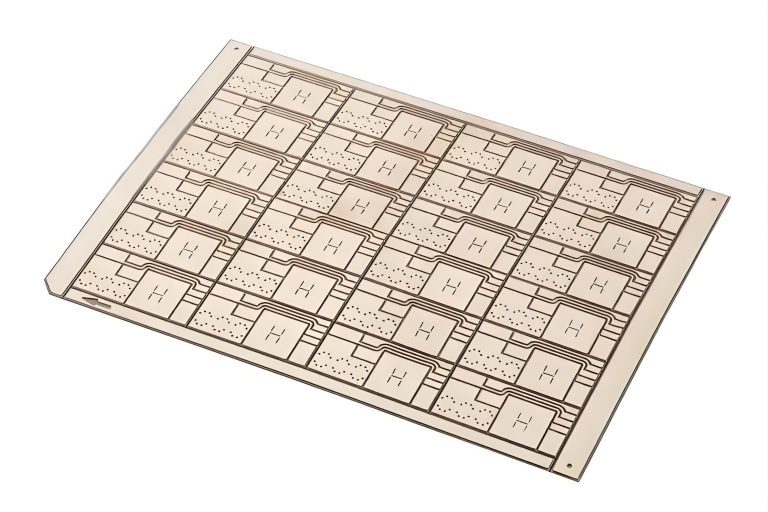
Tenting process is a kind of subtractive process, the process as follows: Laminating photosensitive film...
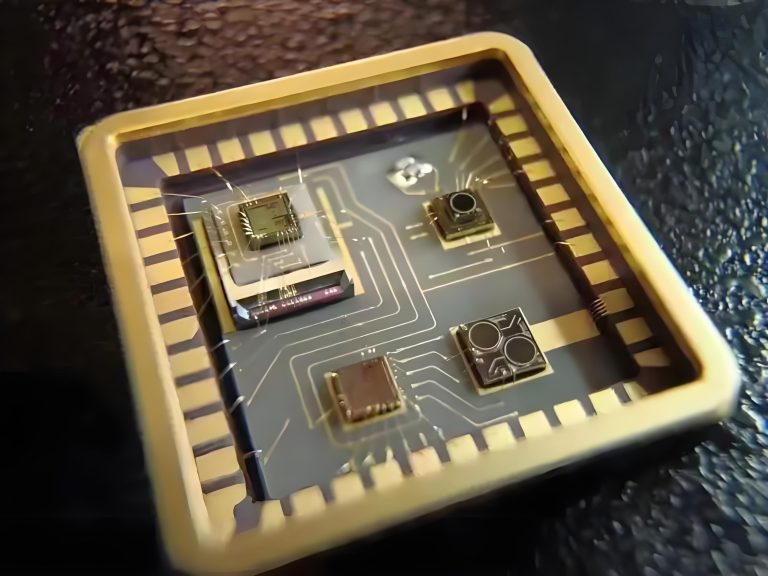
Modified Semi-Added Process abbreviated as mSAP, which can be used on the core or build-up layers, pattern...
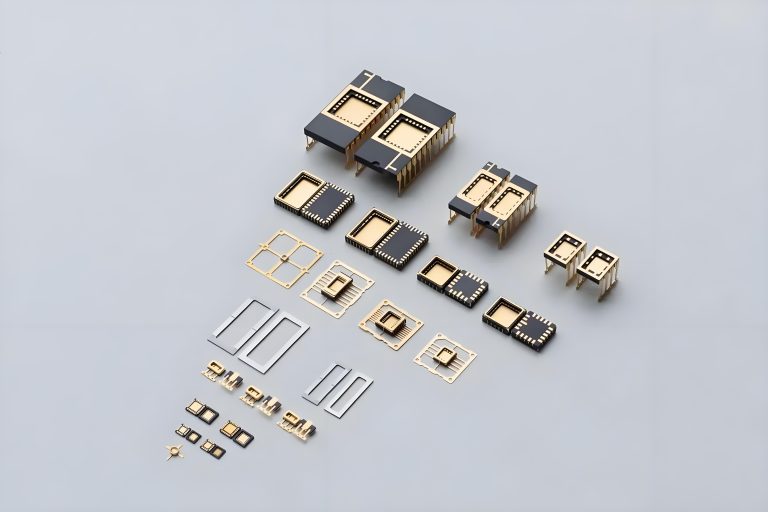
Semi-Added Process abbreviated as SAP, using on the build-up-layer pattern forming as follow:First depositing...
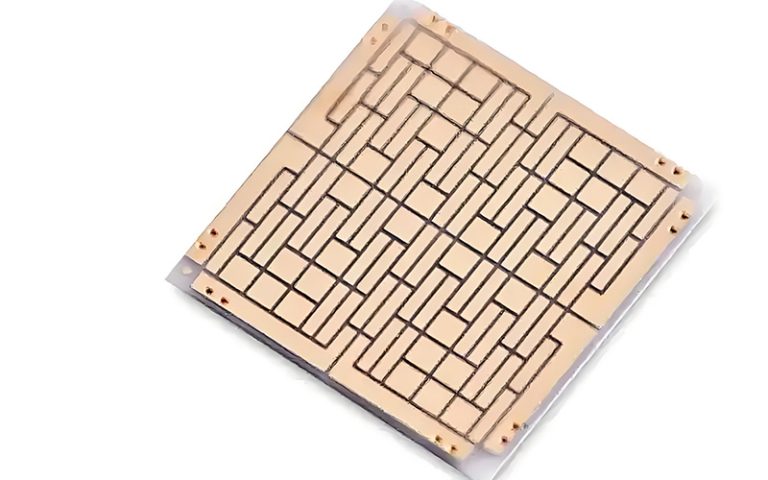
The product generally adopts the pressing lamination process of semi-curing sheets , and line formation...
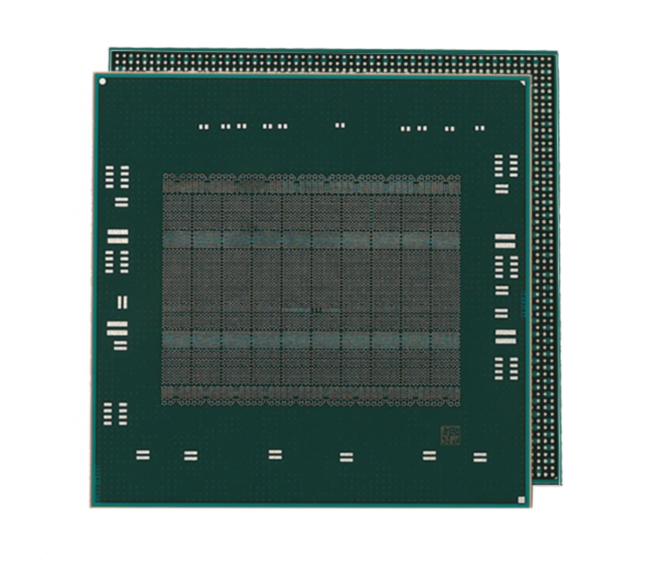
The products generally adopt the Build-up Film Lamination process, and the circuit formation uses the...