
In the demanding realm of Industry 4.0, relying on machines to fail before acting is an outdated approach that harms businesses. Sudden breakdowns can erode earnings quickly and interrupt worldwide supply networks. Predictive maintenance provides an advanced method to track equipment through data, foreseeing issues before they happen. By combining intelligent sensors with rapid data transfer, factories evolve into self-aware systems that extend their durability. This forward-thinking strategy depends on the effective blend of precise hardware and dependable data.

Building a dependable predictive maintenance setup begins with the detection units in your machinery. In tough industrial settings, sensors endure severe conditions such as intense heat, harsh substances, and constant shaking. Ordinary parts frequently break down here, which causes misleading alerts or overlooked problems. Thus, specialized detectors crafted with cutting-edge materials science are vital, as they deliver precise and steady data to your AI systems over extended periods of nonstop use.
Tracking pressure is vital for spotting leaks or inefficiencies in pumps within hydraulic and pneumatic setups. Opt for sensors that employ glass micro-fusion or thin-film sputtering techniques, since these deliver exceptional strength and enduring stability over conventional bonding methods. Selecting DEEPETCH as your key ally means partnering with a skilled Integrated Device Manufacturer (IDM), which oversees everything from silicon creation to complete assembly. Moreover, their focus on robust chips ensures the dependability required for automotive and heavy industrial uses, so your vital systems operate without interruption.
Watching the air surrounding your equipment matters as much as checking its inner workings. In areas like energy storage or chemical handling, spotting gas levels via thermal conductivity or infrared methods is a core safety measure. Custom gas sensors can detect hydrogen escapes or harmful releases promptly, and they enable prevention of major incidents by activating shutdowns or air flow systems when chemical traces shift from normal levels.
Unprocessed data from sensors seldom suits advanced analysis without refinement. Integrated chips must handle adjustments for temperature and humidity, along with calibration and linearization right at the origin. These clever routines counteract signal shifts due to varying factory conditions, and by refining the output internally, sensors supply clear digital signals that truly reflect machinery status. Consequently, this eases the burden on your main control units.
The finest sensor proves worthless if its information fails to arrive at the processing core promptly. When expanding your predictive network to thousands of points, the flood of data can overload basic connections. High-speed links serve as the core framework of your site, transporting vast telemetry streams to edge or cloud systems. Therefore, your connection options should guarantee minimal delays and ample capacity to enable instant reactions and detailed digital twin models.
In facilities with large smart arrays, 400G and 800G optical modules are crucial for managing data volume. These swift units facilitate quick movement of detailed sensor inputs across centers and broad production areas. Rely on modern designs like QSFP-DD to preserve signal quality over extended ranges, since high-volume paths ensure your AI maintenance tools get all floor-level data without delays or losses.
The warmth from fast data handling poses risks to the systems meant to oversee your gear. Consider fluid-based cooling for optical modules and semiconductors in packed setups, as it handles heat better than air methods. This approach lets infrastructure perform optimally in tight areas, and it safeguards against slowdowns while prolonging the lifespan of your data links.
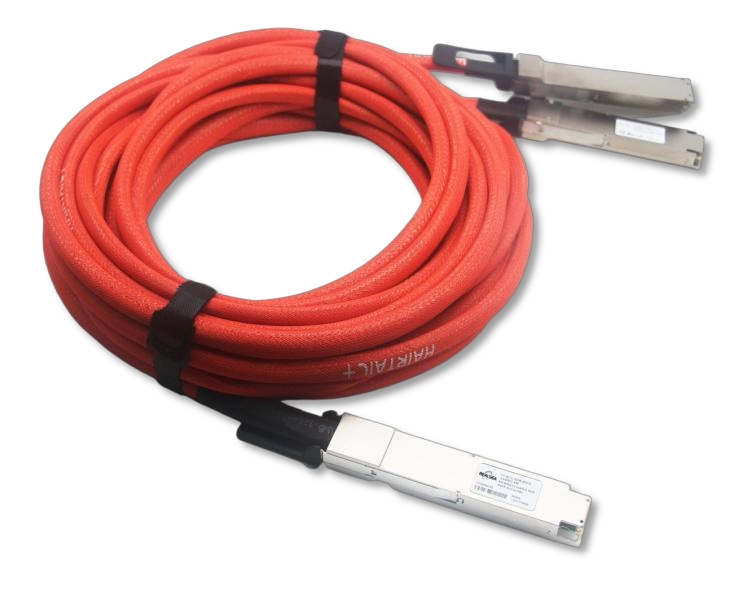
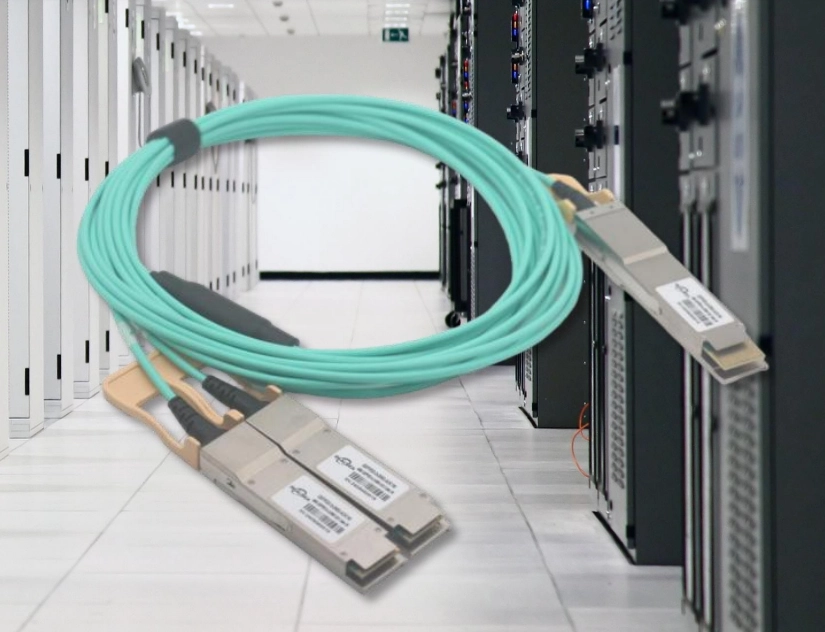
For nearby links among sensors, controls, and shelves, AEC, ACC, and DAC cables strike a good mix of efficiency and affordability. These must satisfy rigorous EMI and ESD standards to work steadily amid electrical disturbances. With excellent shielding and low energy use, such cables maintain a solid physical bond for reliable data streams, ensuring your communication base matches the sturdiness of the equipment it tracks.
Picking a tech supplier goes beyond acquiring items; it involves protecting your supply line and gaining innovative edge. In a field where standard options often miss unique industrial demands, your partner’s approach shapes integration quality. You gain the most from a collaborator who handles all production phases, from initial wafers to complete units. This full control assures that parts fitted into your Industrial setup meet elevated standards of quality and adaptation.
The IDM approach offers a clear edge through complete command of fabrication. Unlike companies that delegate production, an IDM directs substrate traits and lithography accuracy. As a result, packages become slimmer, lighter, and tougher, and you can trust that each chip is fine-tuned for its task, whether sensing minor pressure variations or sending vast data volumes rapidly.
Amid worldwide supply uncertainties, securing strong local replacements is essential. Draw on deep technical expertise to swap outdated or limited parts with better tailored options. This tactic shields your lines from outside disruptions, and it lets you expand equipment capabilities. Tailored chips match your precise needs, delivering results that generic items cannot achieve.
In industry, dependability is absolute, so components require global standards like IATF 16949 and ISO 9001. Hardware must face thorough tests for shaking, impacts, and resistance to mediums. A focused quality framework guarantees uniform performance per batch in harsh spots, which cuts ongoing costs and bolsters overall safety.
The last phase involves weaving these technologies into your current processes smoothly. Scattered systems form isolated data pockets that block full visibility. A unified setup, where sensors, swift cables, and optical units align, offers comprehensive operational insights. Thus, a single tech framework eases rollout and speeds up gains from Industry 4.0 investments.
Sensors ought to back common protocols such as Ethernet or Modbus for quick fit with existing PLC and SCADA setups. This easy connection lets you enhance maintenance without full replacements. Begin with key assets, then grow the network as downtime drops and efficiency rises site-wide.
As operations expand, data demands shift from site-level to worldwide. Partner with a firm boasting strong networks for broad rollouts across zones. Expandable 800G and upcoming 1.6T modules offer capacity for advanced AI uses that reshape maintenance. Such growth keeps today’s spending effective amid evolving tech.
Standard fixes may not suffice for distinct challenges. Use Joint Design Manufacturing (JDM) to jointly develop items suited to your case. This teamwork links you with specialists to tackle sensing or linking issues. From chemical durability to space limits, skilled aid ensures custom fits succeed immediately.
Q1: What are the primary benefits of using MEMS technology in industrial sensors?
A: MEMS technology allows for the creation of extremely small, high-precision sensors that can be integrated directly into machinery. They offer high sensitivity to physical changes like pressure and acceleration while maintaining low power consumption and high reliability in vibration-prone environments.
Q2: How do 800G optical modules contribute to predictive maintenance?
A: These modules provide the massive bandwidth necessary to transmit high-resolution data from thousands of industrial sensors to centralized AI servers. This high-speed link is essential for real-time analysis and prevents data bottlenecks that could delay critical maintenance alerts.
Q3: Why is the IDM model important for sensor quality?
A: The IDM model means the manufacturer controls the design, fabrication, and packaging. This allows for tighter quality control and the ability to customize the chip’s physical properties, such as using glass micro-fusion for better durability, which is often not possible with outsourced manufacturing.
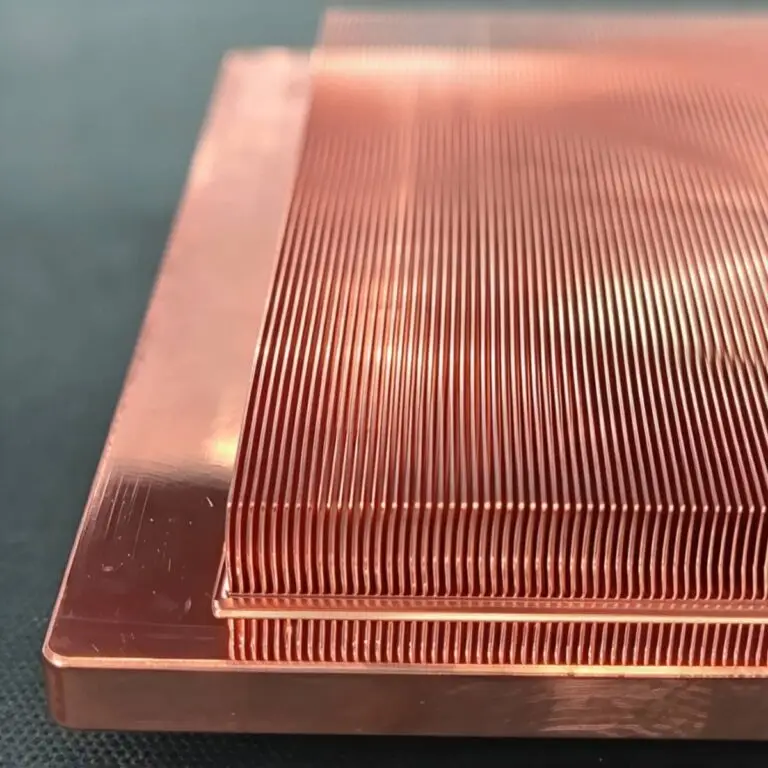
Diamond-Copper Thermally Conductive Composite. High thermal conductivity, tunable CTE, robust.
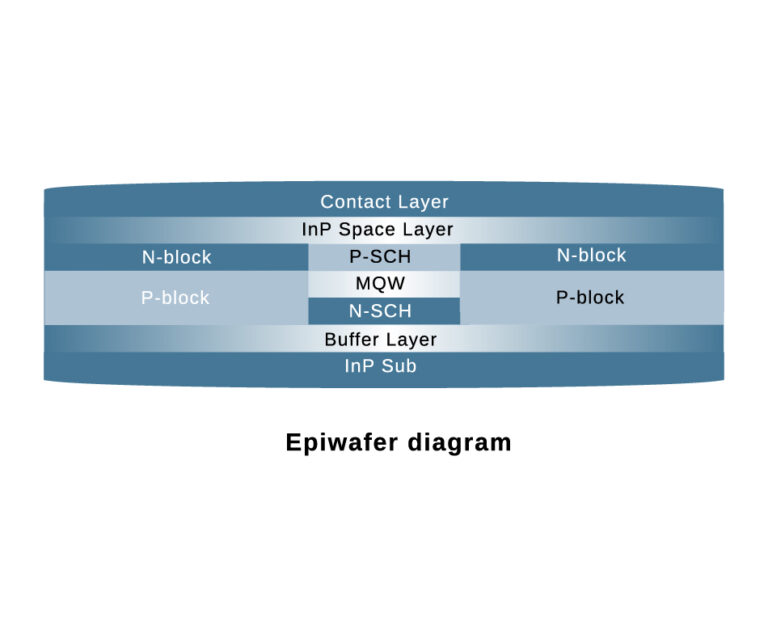
The DE-CW-1310 DFB EPI wafer, a high-performance epitaxial structure designed for distributed feedback (DFB) lasers operating at 1310 nm....
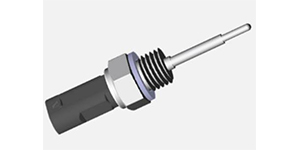
Ceramic thin-filmvacuum sensor Optical gas massflowmeter Liquid mass flowmeter Force sensor MEMS...
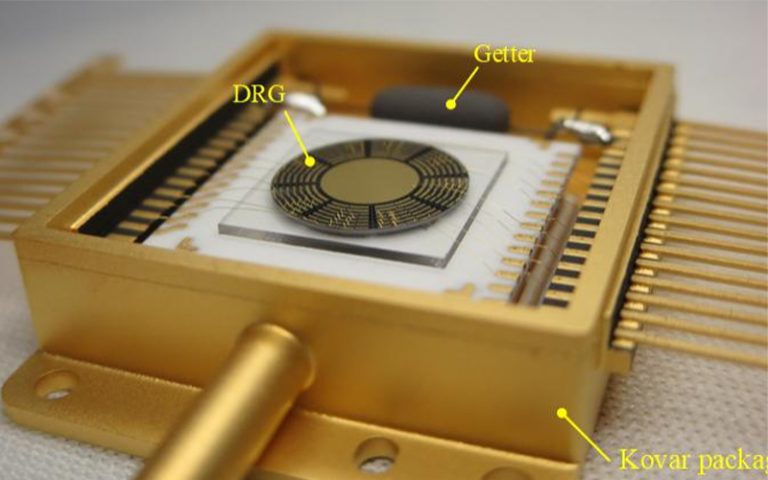
Photoelectric sensing chip Light source chips Optical transmission and modulationchips Optical detection and receptionchips...
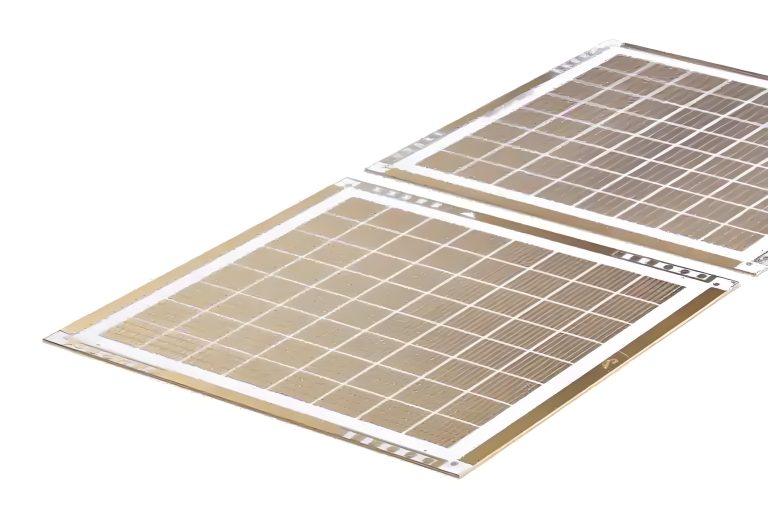
Using a“Detach Core”which has two-layers carrier foil structure on the surface as a core, and forming...
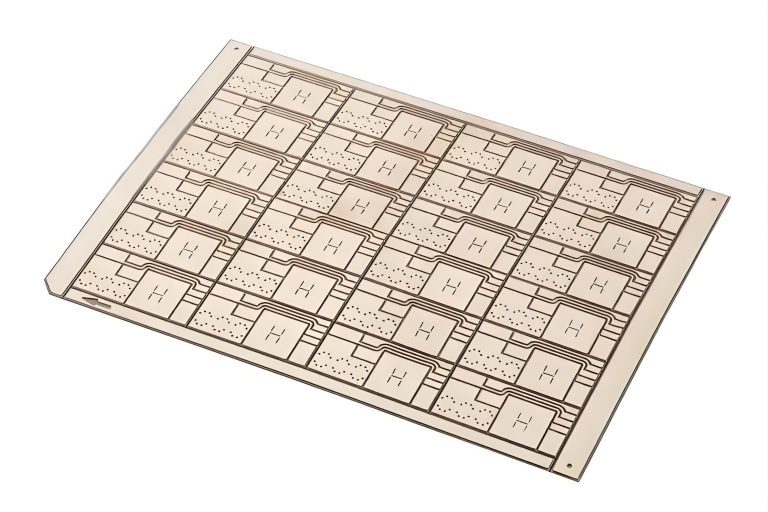
Tenting process is a kind of subtractive process, the process as follows: Laminating photosensitive film...
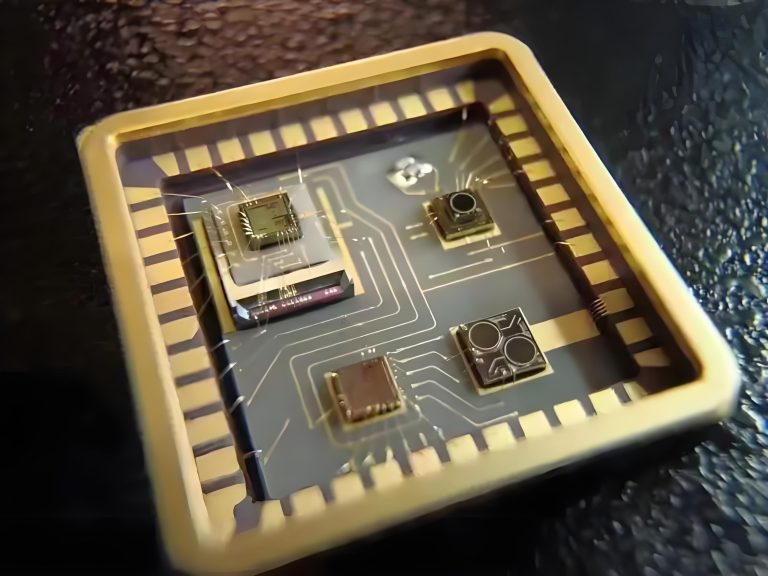
Modified Semi-Added Process abbreviated as mSAP, which can be used on the core or build-up layers, pattern...
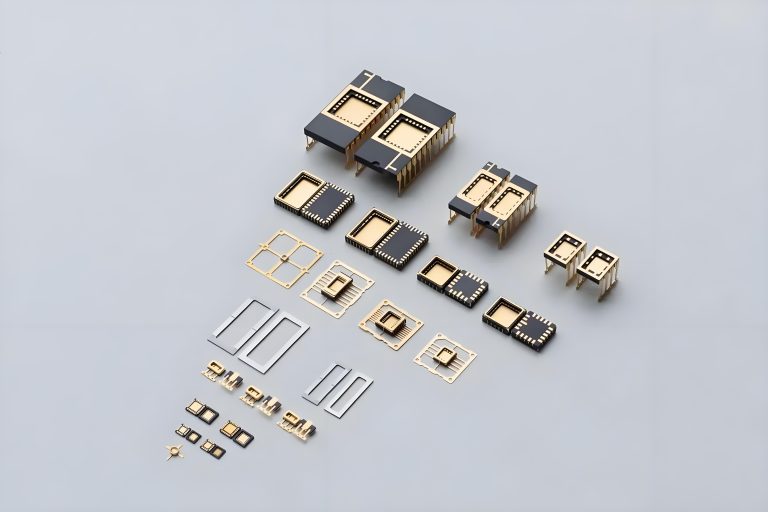
Semi-Added Process abbreviated as SAP, using on the build-up-layer pattern forming as follow:First depositing...
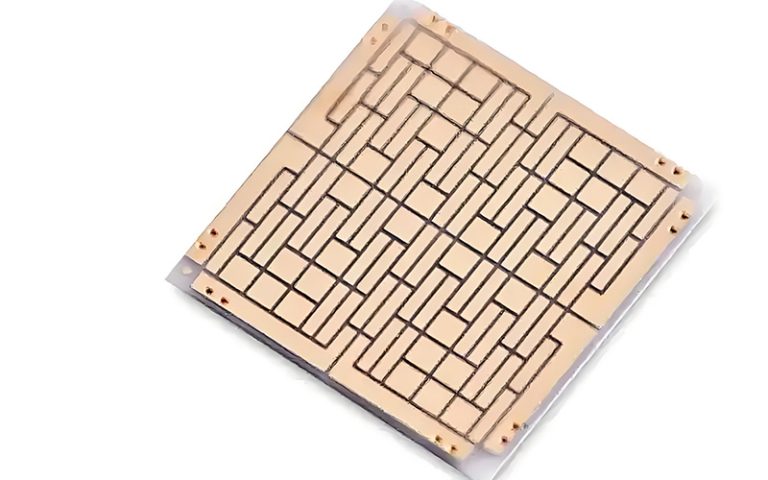
The product generally adopts the pressing lamination process of semi-curing sheets , and line formation...
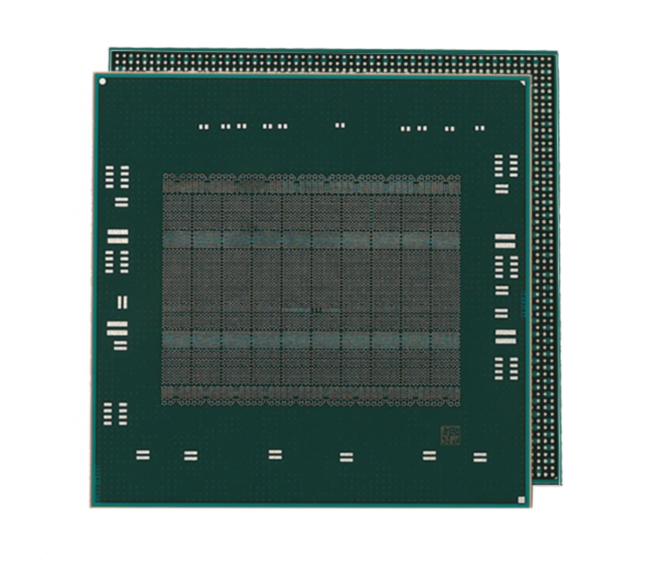
The products generally adopt the Build-up Film Lamination process, and the circuit formation uses the...