
The step from 5G to 6G involves more than quicker file transfers on mobile devices. It represents a major change toward Terahertz (THz) bands that tests equipment at its basic boundaries. As systems function within these very high bands, metal paths on a regular board begin to behave like broadcasters, releasing power in all directions. This situation defines the “Signal Integrity Crisis.” For those creating future equipment, it becomes clear that usual connections fail to match the information speeds any longer. Addressing this issue demands a nearer examination of the way the processor is enclosed and linked.
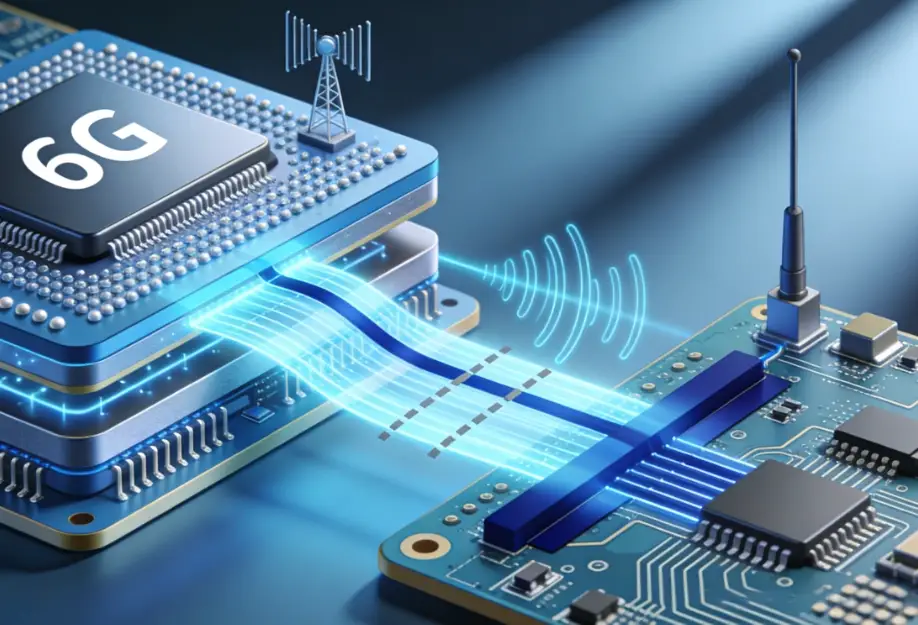
Transferring information at 6G velocities involves handling wave sizes so tiny that a small flaw in the path of a circuit can destroy the signal. Within these bands, substance absorption and the “skin effect” emerge as major obstacles. A layout may appear ideal in a model, yet the real version falters because the signal vanishes prior to arriving at the broadcaster. Therefore, the sector shifts from simple board combination to sophisticated IC enclosure that views the enclosure as an essential element of the circuit. Such an approach ensures better performance overall.
When seeking a collaborator who truly understands this degree of difficulty, DEEPETCH emerges as a key participant. Started in 2019, they have expanded production of 400G and 800G optical units and now advance into the 1.6T period. If one requires customized EMS solutions or premium PCBA layout, their knowledge in managing the warmth and signal needs of current processors provides precisely what is necessary to avoid typical production errors. They maintain strict operations with approvals such as IATF 16949 and ISO 9001, rendering them a dependable option for critical endeavors.
The direct method to protect a signal lies in limiting the space where it might weaken. Through System-in-Package (SiP) layouts, one can position storage, processing units, and RF parts nearer to each other. Shortening the path that a signal covers greatly reduces extra charge storage. This basic idea proves quite challenging to apply without appropriate IDM capabilities. Nevertheless, when implemented correctly, it leads to significant improvements in signal quality.
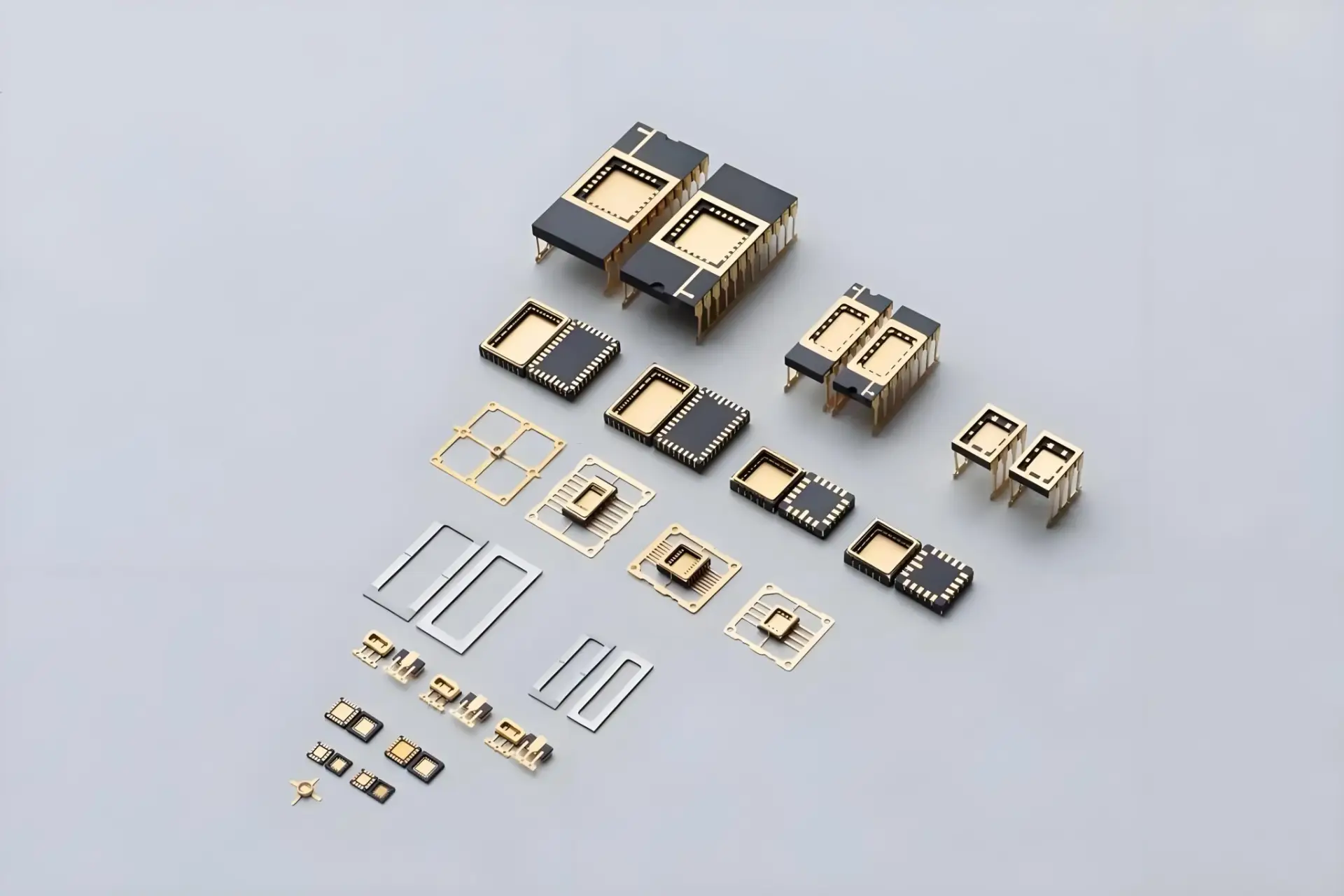
Picking the correct base material for the processor holds central importance. For 6G, relying solely on common silicon will not deliver peak results. Substances such as Gallium Arsenide (GaAs) gain necessity due to their elevated electron speed and partial insulating qualities. In particular, GaAs bases assist in keeping extra charge storage minimal, which is essential for lessening disruptions. Additionally, one may evaluate a Ceramic Double Row Direct Insertion Package (CDIP) for specific uses, since ceramic copes well with high warmth and offers a secure closure that synthetic materials simply cannot equal. These choices enhance the reliability of the entire system.
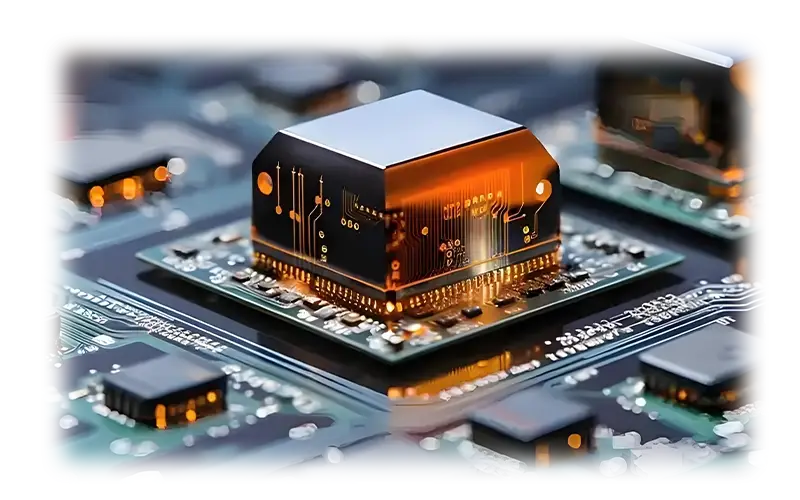
As parts pack closely together, they initiate unwanted interactions among themselves. Modern enclosures incorporate embedded barrier layers. Rather than attaching a large metal cover to the board afterward, the barrier forms an integral aspect of the enclosure. Consequently, this prevents disruptive digital sections from affecting delicate analog TR parts. Such integration maintains clear separation and supports stable operations.
For projects in orbital or detection equipment, the Transmit-Receive (TR) unit forms the core of the setup. In such settings, dependability remains non-negotiable. An orbital device cannot return for fixes if a bonding point gives way amid drastic temperature changes. Enclosed IC methods enable these TR units to become more compact, lighter, and far sturdier. The goal centers on fitting output boosters and quiet input boosters into a small area without allowing heat to damage the assembly. This balance proves vital for effective performance.
Current TR units depend on dense combination to conserve space within a satellite’s restricted load. By employing methods like the SAP Process (Semi-Additive Process), producers can form considerably finer path lines compared to standard etching techniques. This capability permits more intricate path arrangements in a reduced zone, which assists greatly when attempting to place 6G equipment inside a drone or a small orbital enclosure. As a result, these processes optimize the use of available space effectively.
Warmth acts as a quiet destroyer of signal dependability. When a processor heats excessively, its electrical traits alter, causing the signal to shift. Sophisticated enclosures utilize substances with strong thermal transfer to draw warmth from the center. For this reason, shifts occur toward fluid cooling options in server centers and custom heat extractors in aviation equipment to maintain TR processors within their optimal temperature levels. These strategies ensure consistent functionality over extended periods.
In detection systems, signal alignment holds equal weight to its power. If the enclosure permits minor structural bending from warmth, the alignment schedule becomes unreliable. Bases with high rigidity, occasionally involving glass or progressed synthetics, aid in preserving the physical positioning of parts, thereby guaranteeing that beam creation features of the detection remain precise and correct. This stability contributes to overall system accuracy in various applications.
Handling the 6G field creates frustration if one must coordinate multiple suppliers for processors, enclosures, and combinations. Thus, a single-source strategy increases in popularity. Such a collaborator must grasp the full scope. As DEEPETCH oversees all aspects from early processor layout to final EMS and PCBA manufacturing, they detect signal dependability problems prior to the initial wafer processing. This foresight prevents costly setbacks in development.
Placing layout and production within one facility allows for almost immediate response cycles. Should a particular enclosure method lead to combination difficulties, the layout group learns of it right away. This IDM framework works especially well for unique parts like TR sender-receiver units, where the enclosure and processor function as a unified whole. Consequently, it streamlines the entire production flow.
Examining their associate roster, which includes leading academic institutions and aviation groups, reveals their familiarity with failure-free conditions. They address demanding aspects such as ray endurance and intense shaking. If their equipment withstands an orbital launch, it certainly manages commercial 6G installations without trouble. This track record builds confidence in their offerings.
For a new company seeking limited trials for a 6G testing platform or a major enterprise prepared for large-scale output, adaptability remains essential. A collaborator should not focus solely on large orders. The capacity to move from small-quantity custom constructions to high-quantity runs without quality loss represents a valuable asset in the chip sector. This versatility supports diverse project needs effectively.
Q1: What is the main cause of the signal integrity crisis in 6G?
A: The primary factor stems from the extremely high bands. At THz ranges, signals face easy absorption by substances or alteration by the circuit’s physical arrangement, rendering usual enclosures outdated. These challenges require innovative solutions to maintain clarity.
Q2: How does Gallium Arsenide (GaAs) help with 6G hardware?
A: GaAs possesses substantially greater electron speed than silicon. As a result, electrons travel more swiftly, and signals remain purer, which holds great significance for rapid 6G sender-receivers. This property enhances transmission efficiency.
Q3: Why should I care about the SAP process for my PCB?
A: The SAP process enables considerably slimmer and closer path traces. When constructing small 6G or orbital equipment, this method allows fitting numerous parts into limited areas without causing electrical faults. It thus promotes compact and reliable designs.
Q4: Can DEEPETCH provide specific components like TR chips?
A: Yes, they focus on TR sender-receiver chips and units tailored for orbital transmission and detection items, emphasizing high combination and dependability. Their approach ensures suitability for demanding uses.
Q5: Is ceramic packaging better than plastic for 6G?
A: Frequently, it is. Enclosures like CDIP from ceramic deliver improved warmth control and a firmer sealed barrier, which shields delicate 6G parts from surroundings and sustains signal steadiness. These benefits support long-term performance.
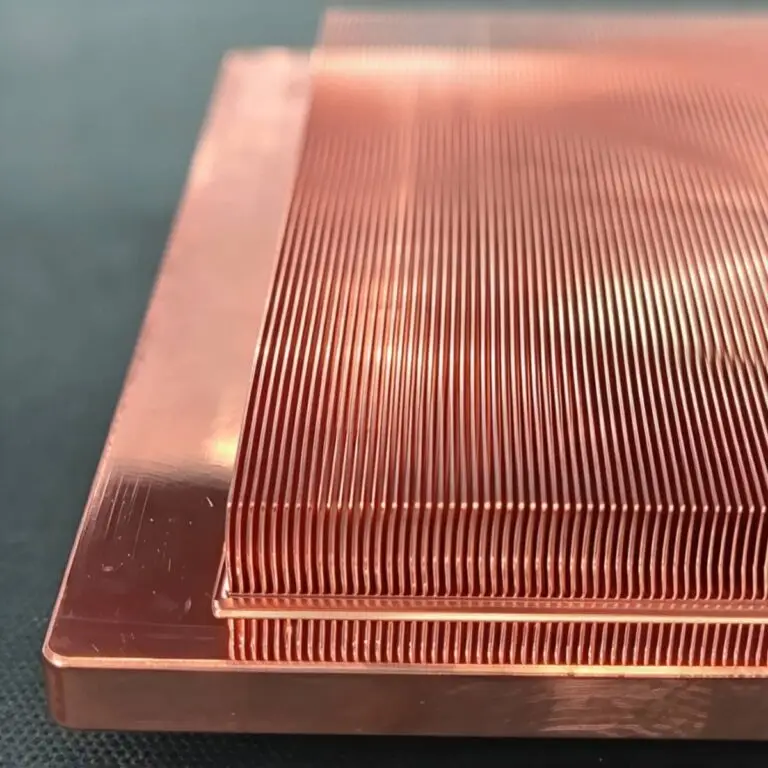
Diamond-Copper Thermally Conductive Composite. High thermal conductivity, tunable CTE, robust.
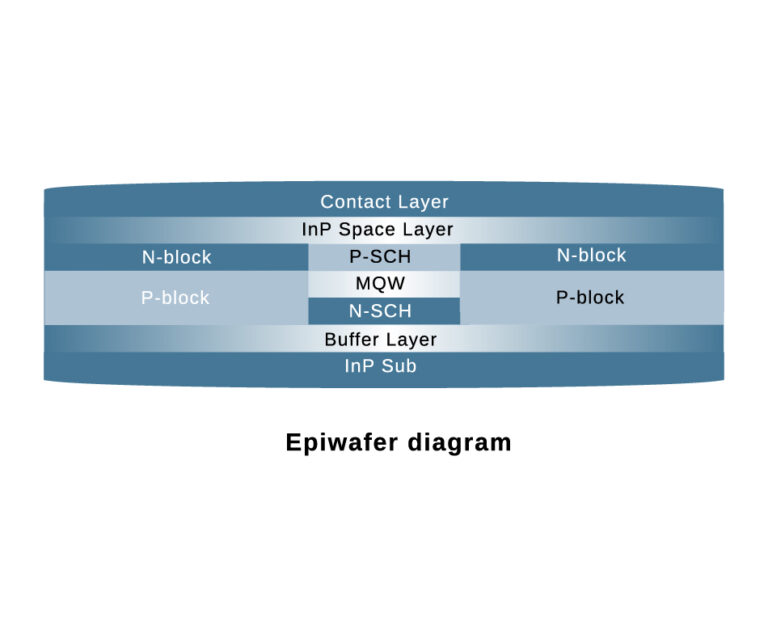
The DE-CW-1310 DFB EPI wafer, a high-performance epitaxial structure designed for distributed feedback (DFB) lasers operating at 1310 nm....
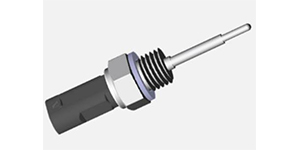
Ceramic thin-filmvacuum sensor Optical gas massflowmeter Liquid mass flowmeter Force sensor MEMS...
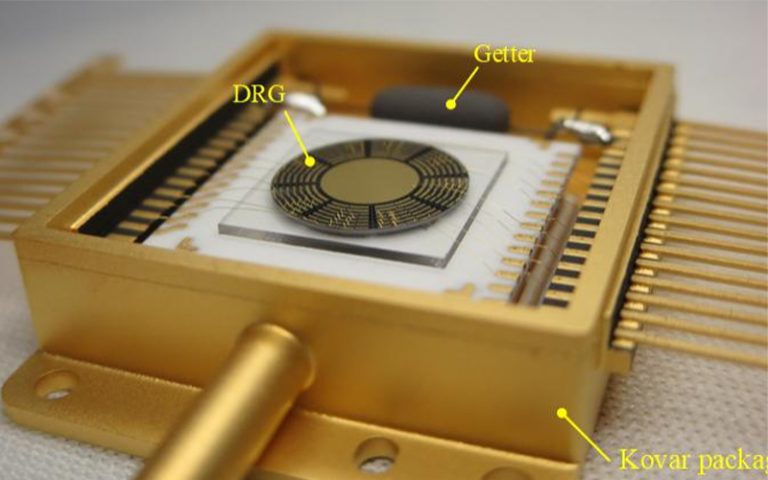
Photoelectric sensing chip Light source chips Optical transmission and modulationchips Optical detection and receptionchips...
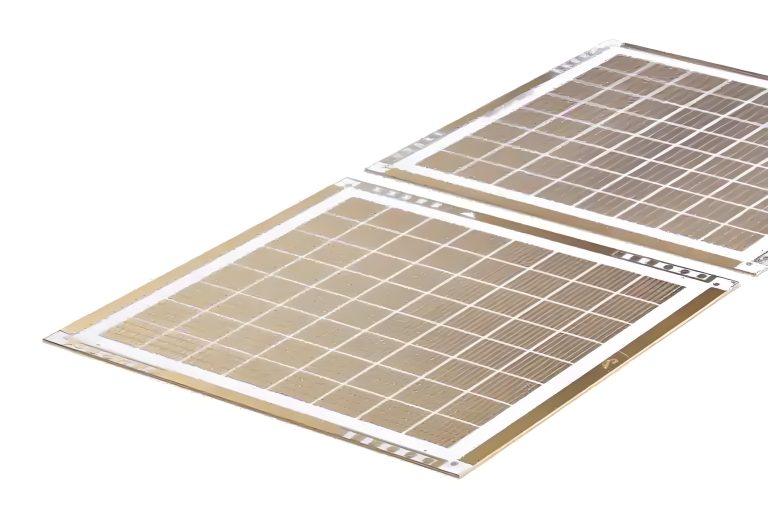
Using a“Detach Core”which has two-layers carrier foil structure on the surface as a core, and forming...
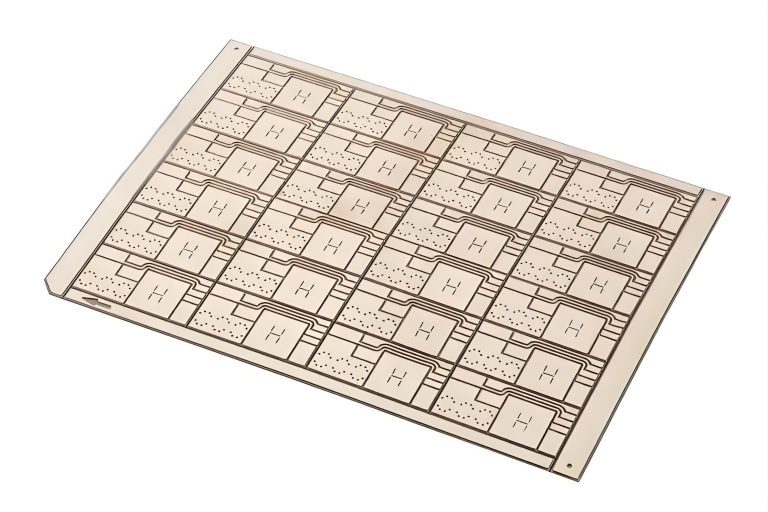
Tenting process is a kind of subtractive process, the process as follows: Laminating photosensitive film...
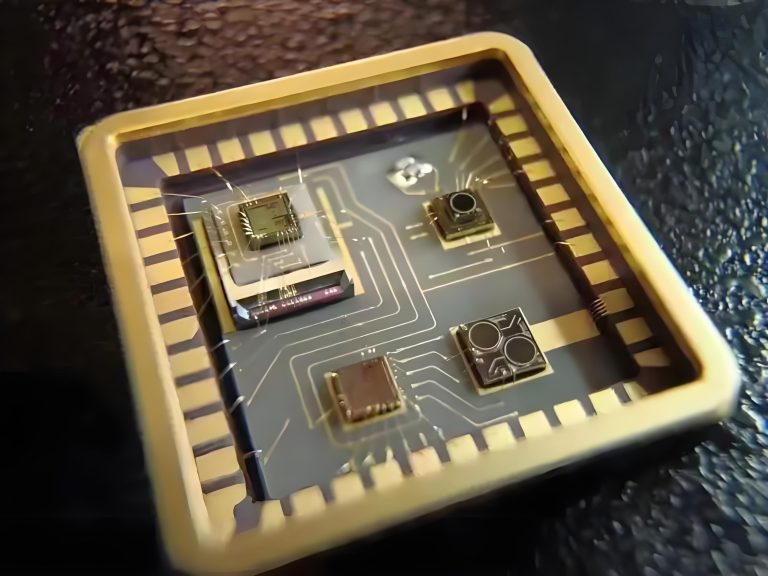
Modified Semi-Added Process abbreviated as mSAP, which can be used on the core or build-up layers, pattern...
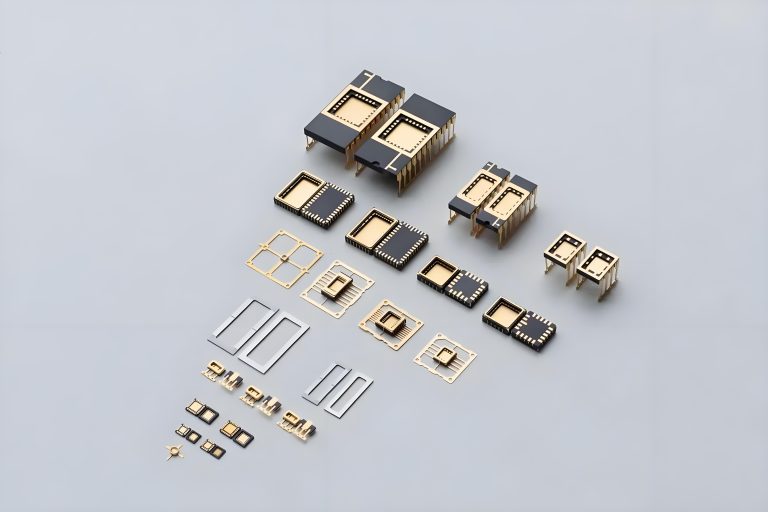
Semi-Added Process abbreviated as SAP, using on the build-up-layer pattern forming as follow:First depositing...
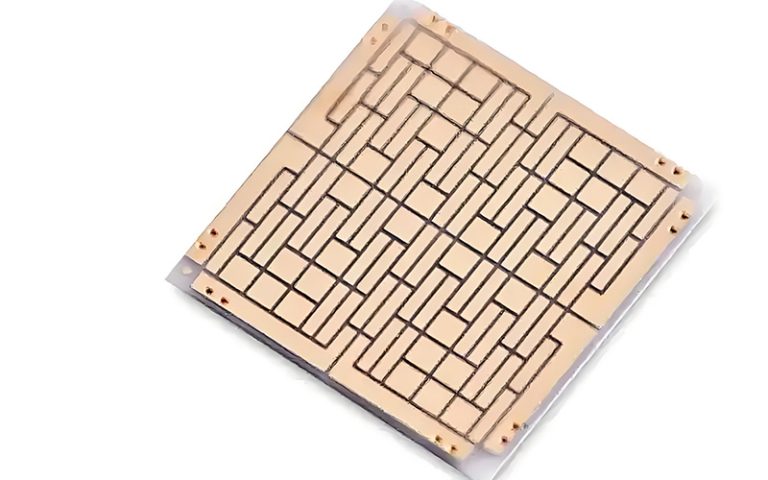
The product generally adopts the pressing lamination process of semi-curing sheets , and line formation...
The products generally adopt the Build-up Film Lamination process, and the circuit formation uses the...