
Shifting to 6G satellite communication stretches hardware to extreme boundaries. Engineers often encounter a difficult choice: gear must stay very light to cut launch expenses, but it must also deal with intense heat from fast terahertz signals. Space vacuum lacks usual fans or easy convection, so handling heat turns into a vital issue for electronics. Locating the ideal balance where a circuit stays light and heat-resistant stands as the main challenge for 2026 aerospace efforts.
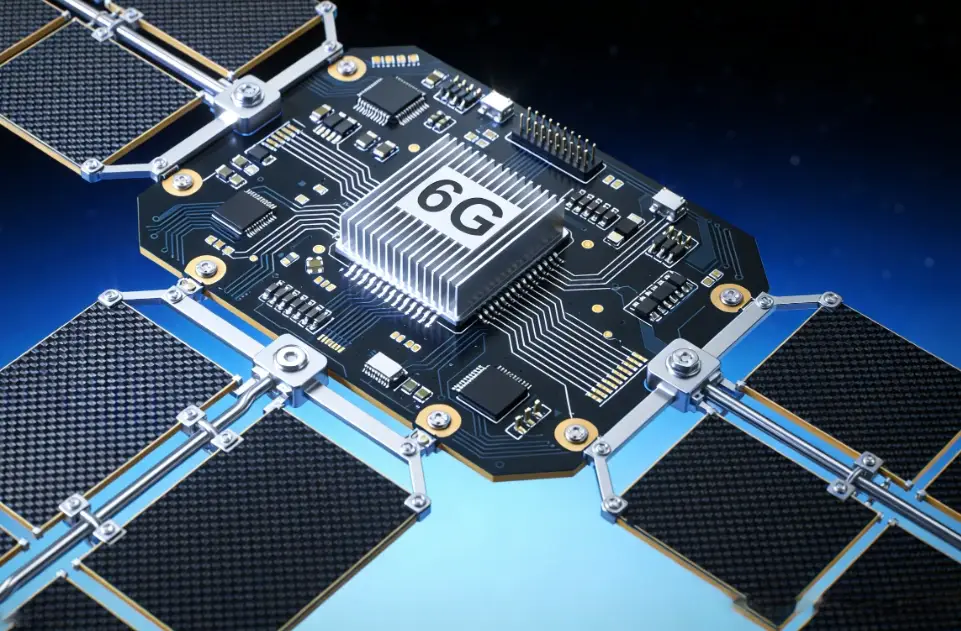
Advancing to 6G means switching to terahertz (THz) frequencies. This change alters all aspects of hardware construction. Such frequencies call for greater power density in compact spaces. As a result, they produce focused hot areas that might ruin regular parts. Satellites work in vacuum, so designs depend fully on conduction and radiation to shift heat from delicate TR (Transmit/Receive) modules. This setup demands careful planning.
Dealing with 6G involves signals that move at great speeds. Even small errors in the circuit board can lead to interference that creates heat. Therefore, materials should reduce signal weakening. At the same time, they must offer a direct route for heat to leave. Selecting these materials helps keep signals clear and controls temperature rises effectively. This combination supports steady operation in tough settings.
Current satellites require more processing power in smaller areas. Packing DEEPETCH TR transceiver chips nearer together raises the heat pressure per square millimeter sharply. Designers must arrange components wisely to avoid overloads. Yet, this closeness boosts system output. Such density aids in meeting advanced needs without extra weight.
No air exists to carry heat away. Circuit plans therefore function as built-in radiators. Each board layer and packaging part joins a planned path for heat release. Engineers build in features like channels to guide heat well. These steps ensure parts endure in space conditions. Overall, they promote reliable long-term use.
Picking suitable base materials forms the starting point for tackling the weight-heat issue. Silicon serves as the common pick for ground-based electronics. Its 1.12 eV bandgap and steady 1414°C melting point provide reliability. However, it faces issues with space’s harsh high-frequency and radiation needs. Here, better bases like Gallium Arsenide (GaAs) or custom ceramics step in to strengthen designs. They handle stresses more effectively.
Aluminum Nitride (AlN) marks a major advance for 6G work. It delivers thermal conductivity almost eight times above regular Alumina. Still, it keeps a light profile. Using AlN Ceramic Substrates draws heat quickly from strong chips. This happens without the extra size of thick copper sinks. As a result, systems gain efficient cooling in limited spaces. It fits satellite limits well.
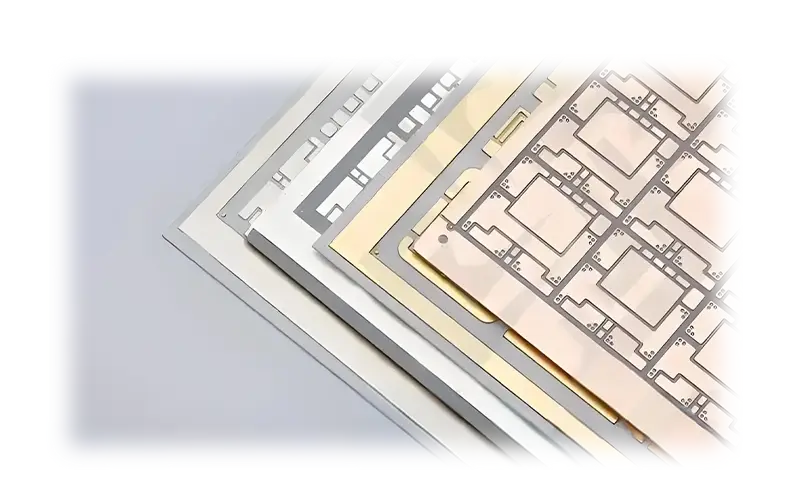
Usual plastic covers block heat like insulators. This proves unhelpful for satellites. Ceramic options, such as the Ceramic Quad Flat Package (CQFP), offer better results. The ceramic material spreads heat as the main path. Thus, setups remain cool during strong 6G data flows. This setup lowers overheating risks and aids smooth function.

Blending various materials works well. For instance, Gallium Arsenide provides high electron mobility at 8500 cm²/(V·s). Devices then run quicker and at lower temperatures. These options process fast signals with far less extra heat than silicon. Consequently, they ease the heat control load. This leads to better efficiency in overall designs.
The TR module serves as the core of a satellite’s radar and communication setup. Yet, it produces the most heat. By 2026, attention moves to “Zero-Tolerance” building methods. Simple assembly won’t withstand orbit’s radiation and heat changes. A skilled ally like DEEPETCH offers key support. Started in 2015, the company has gained deep knowledge in military and aerospace chips. It follows an IDM model. This covers all steps from R&D and planning to production. For custom EMS in 6G Transceivers or dependable PCBA in UAV controls, their group excels in tough electronics for severe places. Such full control ensures project strength.
Space uses demand sealed protection against vacuum. DEEPETCH’s Ceramic Leadless Chip Carrier (CLCC) packaging stops gas leaks and radiation entry. It holds steady temperatures inside junctions. This safeguard keeps chips safe during space trips. As such, it boosts lasting performance.
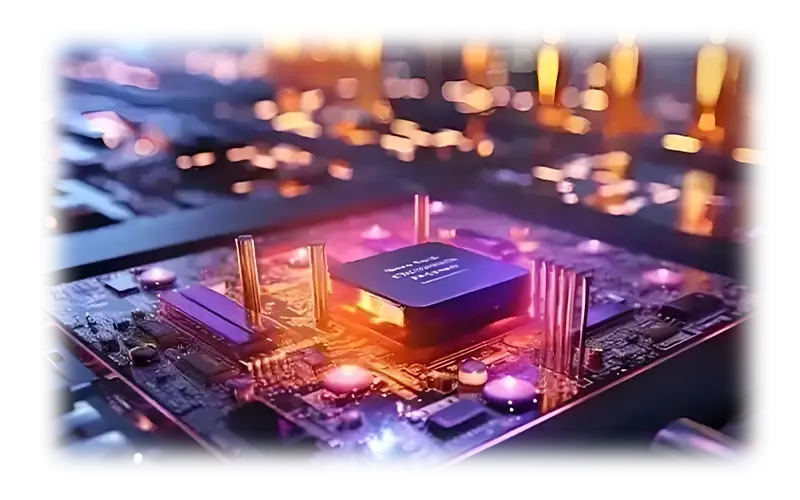
System in Package (SiP) lets users layer tasks like sensing and transceiving in one small package. Signal paths shorten as a result. Power use drops, and heat follows suit. This tight setup cuts energy waste and simplifies heat handling. It suits crowded satellite builds.
6G TR modules need strong gain and quiet noise levels. Placing them in special ceramic shells avoids power amplifier heat reaching receiver parts. This isolation maintains clear signals under load. Therefore, it secures reliable links in orbit.
Basic ready-made items seldom match a 6G satellite’s special weight limits. Custom electronic manufacturing service (EMS) fits exact aerospace circuit plans. Without checks like X-ray for solder gaps or heat scans in tests, satellites could break before launch. Proper steps prevent such failures.
Space board creation goes beyond just lines. Focus lies on the “stack-up.” Fitting Chips In-stock calls for boards with smart thermal vias. These vias channel heat from upper layers to the base frame. Such design moves heat smoothly and avoids weak spots. It meets light and strong needs.
Projects may start with small trials before growing. A good partner manages few-unit complex aerospace work. Then, it shifts to large runs without quality drops. This range keeps progress steady. It matches changing goals.
In 6G and satellite fields, one stray solder bit causes big problems. Full checks like AOI (Automated Optical Inspection) and X-ray in chip plants confirm space fitness. These tools spot issues early. Thus, they ensure safe hardware deployment.
Moving to 1.6T transceivers and strong 6G units may exceed air and conduction limits. Liquid cooling options come into view. Though it seems weighty, new micro-channel cold plates built into PCBA cut mass by skipping large passive blades. This trade-off aids high-output cases.
Liquid cooling grows common for 400G and 800G modules in data centers. For satellites, it uses closed loops. These draw on the craft’s cool areas as big radiators. This flow pulls and releases heat well. It brings ground tech to space use.
If liquid cooling fits poorly for certain UAV or satellite plans, better thermal vias help. Silver-packed or thick copper layers speed heat flow through boards over basic ways. This upgrade raises transfer rates. It works for mass-conscious setups.
Good heat control extends hardware life over time. Skipping high heat on parts stops damage from use. This avoids early breaks during tasks. In turn, it cuts costs and improves dependability in far-off work.
Matching light builds with solid cooling forms a standard engineering task. Fresh materials and wise packaging enable success. Stressing conductive ceramic bases and linked TR modules lets builders make 6G satellite circuits that endure rough spots. To push your work forward, reach out to Contact DEEPETCH. See how their space-level making suits your goals. This step can lift results.
Q1: Why is Aluminum Nitride preferred over Alumina for 6G satellites?
A: AlN shows much better thermal conductivity (about 170-230 W/mK). It pulls heat from 6G chips quicker than standard Alumina. Plus, it stays quite light. This aids fast cooling in tight designs.
Q2: Can Silicon chips be used for 6G satellite communication?
A: Yes, silicon offers steadiness and low cost. But space’s fast signals and strong radiation lead many to choose GaAs or InP. These give better electron movement and output. They cope with harsh factors well.
Q3: What is the benefit of a hermetic ceramic package in orbit?
A: It gives a tight seal against vacuum. This guards inner semiconductors from radiation. It also stops “outgassing” that might harm optical parts in satellites. Such cover keeps things working long-term.
Q4: How does SiP technology help with thermal management?
A: System in Package (SiP) cuts the circuit’s full size. This lowers extra capacitance and signal drop. Energy turns to heat less often. So, total heat becomes simpler to manage. It streamlines control tasks.
Q5: Does liquid cooling add too much weight to a satellite?
A: It might, but micro-channel cooling in the PCBA lets you drop old heavy sinks. Often, this brings net weight savings for strong systems. The fit balances power and load.
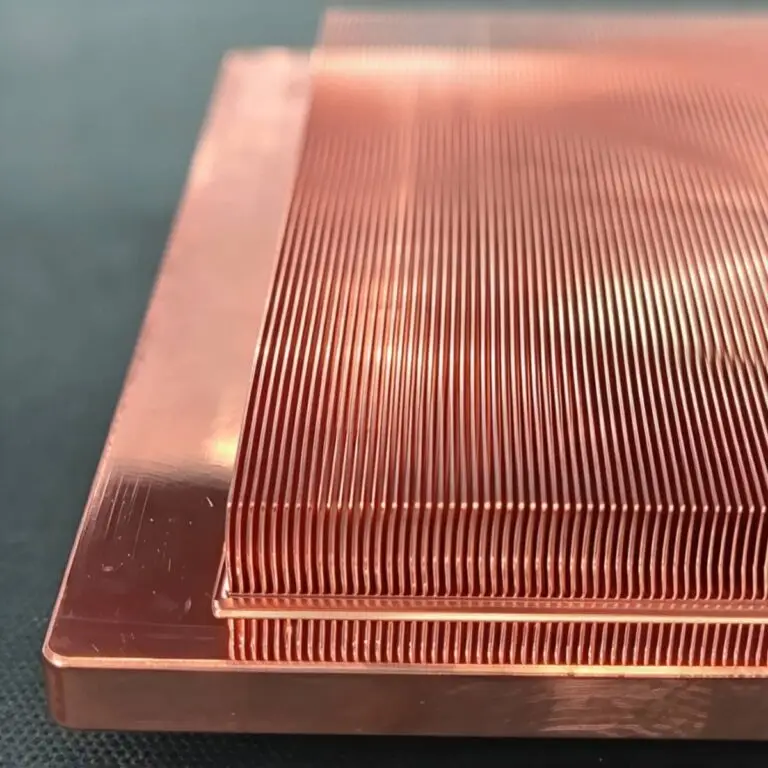
Diamond-Copper Thermally Conductive Composite. High thermal conductivity, tunable CTE, robust.
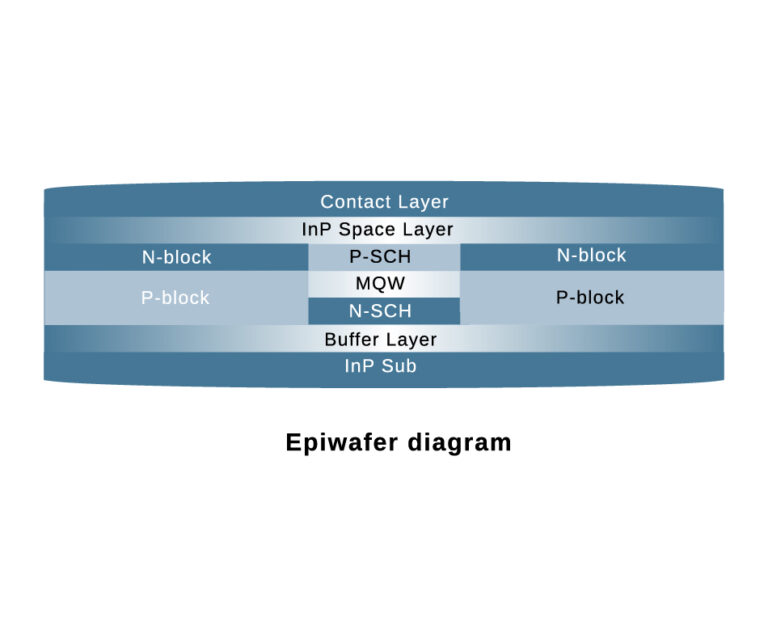
The DE-CW-1310 DFB EPI wafer, a high-performance epitaxial structure designed for distributed feedback (DFB) lasers operating at 1310 nm....
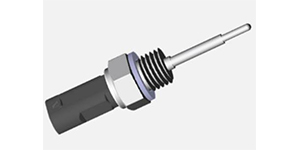
Ceramic thin-filmvacuum sensor Optical gas massflowmeter Liquid mass flowmeter Force sensor MEMS...
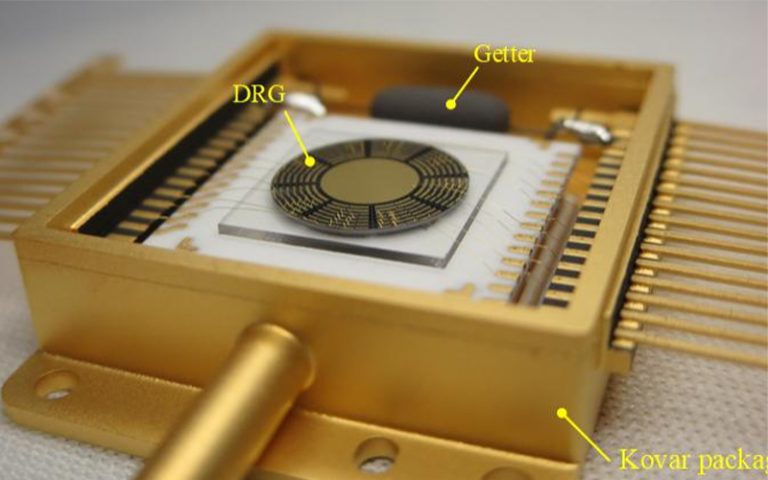
Photoelectric sensing chip Light source chips Optical transmission and modulationchips Optical detection and receptionchips...
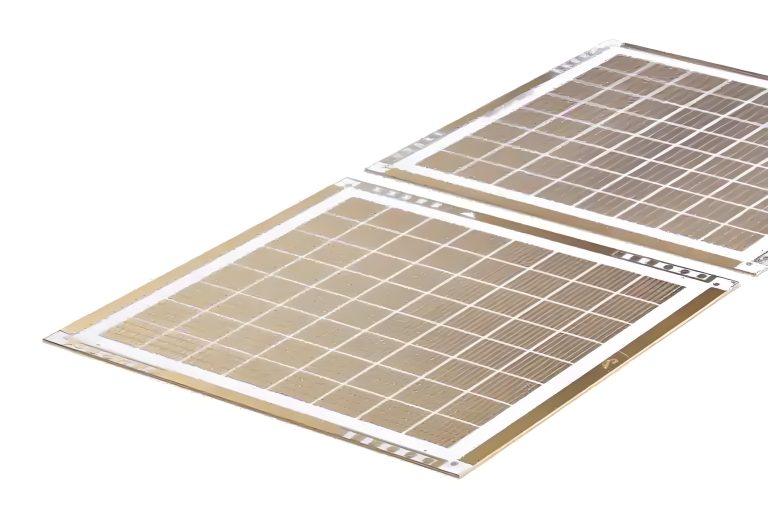
Using a“Detach Core”which has two-layers carrier foil structure on the surface as a core, and forming...
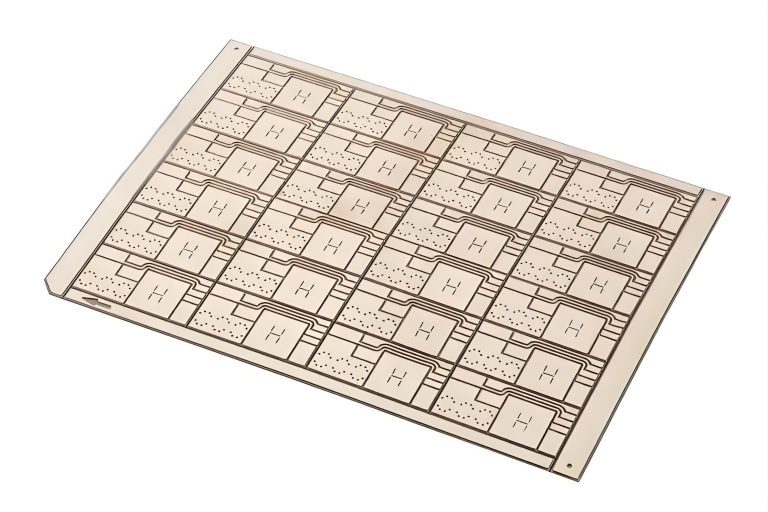
Tenting process is a kind of subtractive process, the process as follows: Laminating photosensitive film...
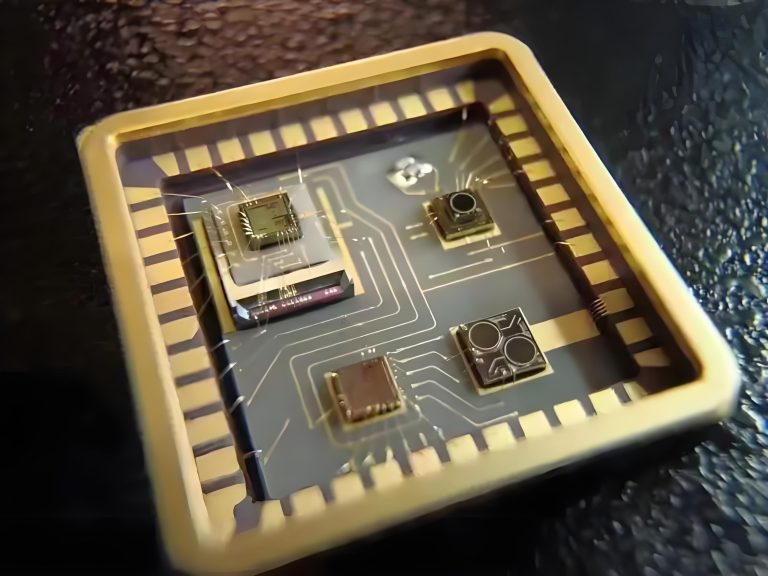
Modified Semi-Added Process abbreviated as mSAP, which can be used on the core or build-up layers, pattern...
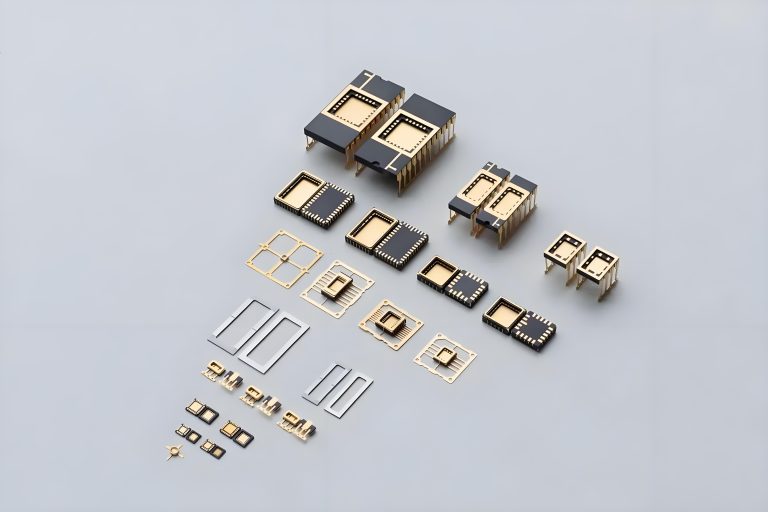
Semi-Added Process abbreviated as SAP, using on the build-up-layer pattern forming as follow:First depositing...
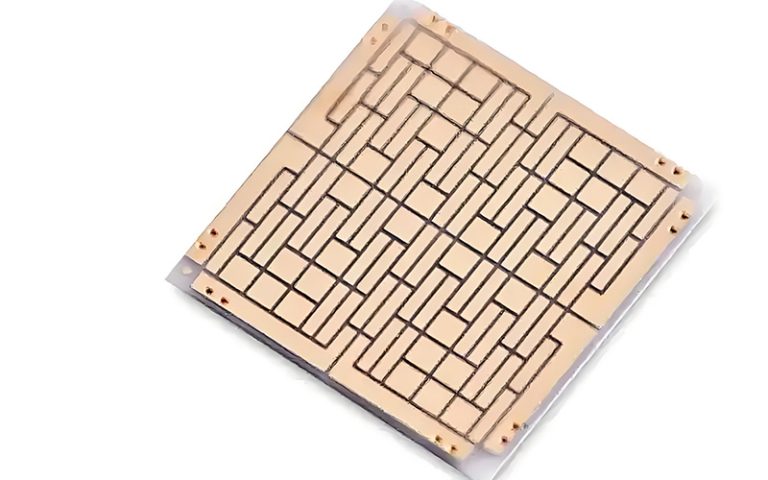
The product generally adopts the pressing lamination process of semi-curing sheets , and line formation...
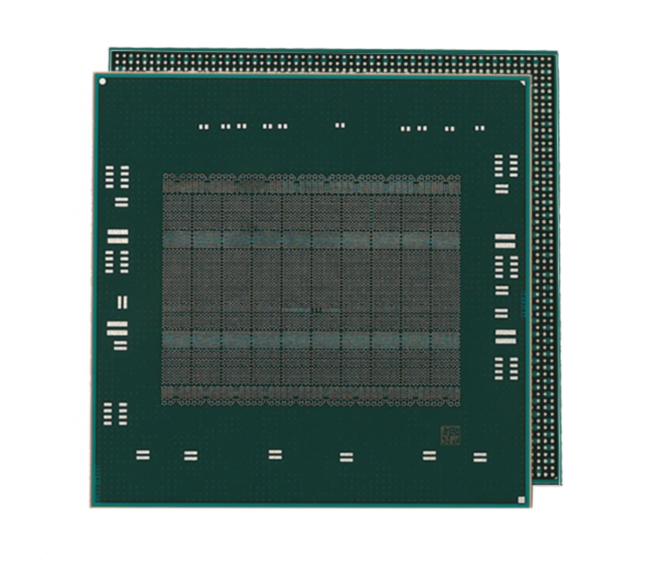
The products generally adopt the Build-up Film Lamination process, and the circuit formation uses the...