
Creating devices for orbital use goes beyond seeking strong output; it centers on endurance. Once equipment reaches space, no technician arrives to mend a faulty link or damaged processor. The empty void, strong sunlight exposure, and sharp heat variations form a harsh setting that reveals any small weakness in the build. For those obtaining parts for orbital links or detection setups, identifying warning signs during the buying stage can prevent huge losses from project setbacks.
If seeking a collaborator deeply involved in such exact work, consider DEEPETCH. Established in 2019, the company has risen fast as a key player in semiconductors, particularly for server farms and advanced factory uses. Their Integrated Device Manufacturer (IDM) model sets them apart, as it covers all steps from layout to production. Clients requiring 800G fluid-cooled receivers or tailored TR units for 6G and orbital connections find their practical skills fitting. Moreover, they maintain a large inventory of chips in stock, avoiding holdups from delivery issues. In essence, they function as elite specialists in the chip sector.
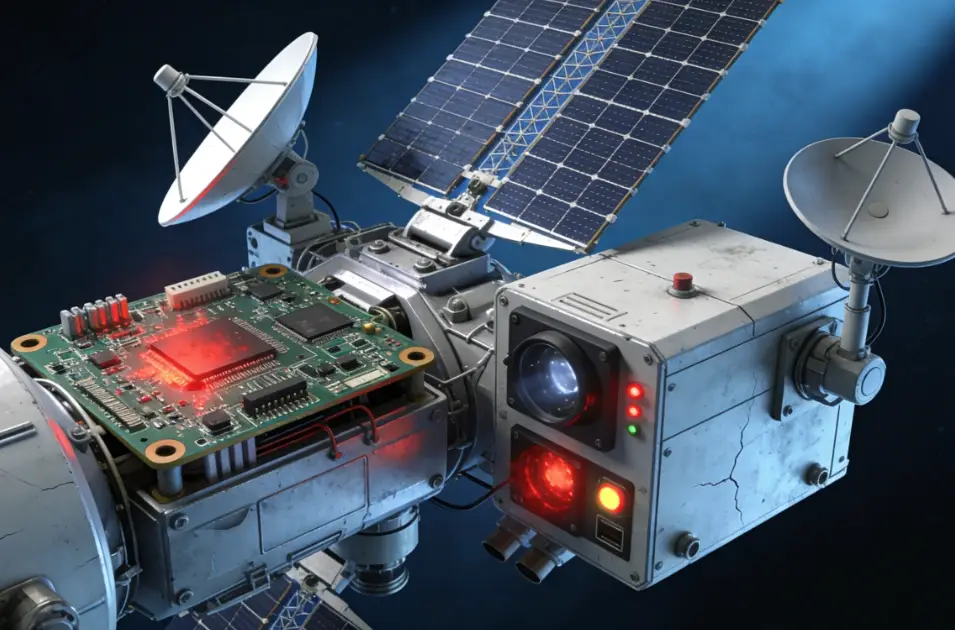
Orbital messaging depends on elevated bands such as Ku, Ka, or emerging 6G Terahertz ranges. At these levels, minor issues in path arrangement create barriers for data flow. When providers fail to present solid proof of handling electrical noise, the effort faces serious risks from the start.
Slight changes in the thickness of metal lines on a circuit board lead to echoes that disrupt information transfer. Such problems often result from careless planning, which then demands costly fixes later. Consequently, steady resistance management becomes vital for smooth operations.
Lacking suitable barriers, strong output devices in orbital units overwhelm nearby input sections. This interference hampers clear reception and overall system function. To avoid this, builders must integrate robust isolation from the outset.
Orbital vehicles cycle between cold darkness and hot sunlight roughly every ninety minutes. This repeated stretching and shrinking stresses the connections securing processors to the base. If the joining substances do not align with the base’s heat growth patterns, those links will break over time.
When the processor grows quicker than its mounting surface, the resulting pull eventually severs the pathway. Such mismatches arise from poor material choices, leading to early breakdowns. Proper matching ensures lasting bonds under varying conditions.
Employing everyday joining metal in orbital gear invites failure, as it hardens too soon in severe chill. This brittleness accelerates cracks during normal use. Selecting durable alloys thus supports reliable performance in tough settings.
Particle bombardment quietly damages orbital circuits. Energetic bits can alter storage data or trigger a lock that ruins pathways forever. Components must feature special hardened builds or substances to withstand these threats.
One space particle striking a basic chip may spark a calculation mistake that halts navigation controls. This vulnerability stems from standard designs lacking protection, causing widespread issues. Reinforced versions minimize such risks effectively.
Charged particles gradually erode the makeup of common insulators, leading to separation or collapse within months. This slow wear compromises seals and structures. Using resistant materials helps extend service life in orbit.
Without atmosphere, warmth from active parts cannot spread through air. Cooling devices prove ineffective. Systems depend fully on direct transfer via solids. If paths from processors to outer frames lack strength, units overheat rapidly and cease working.
Absent solid heat routes, warmth builds within the processor, causing swift damage. This buildup occurs because energy fails to escape properly. Including clear channels prevents such rapid failures.
Basic heat spreads or layers often lose moisture or release vapors in voids, creating spaces that block flow. These gaps worsen over missions, raising temperatures. Reliable interfaces maintain consistent transfer.
The Transmit-Receive (TR) unit forms the core of messaging setups. Here, DEEPETCH demonstrates clear expertise. They supply focused TR processors and units for orbital and detection needs. When TR units show uneven boost levels, output varies sharply by band, blocking steady links.
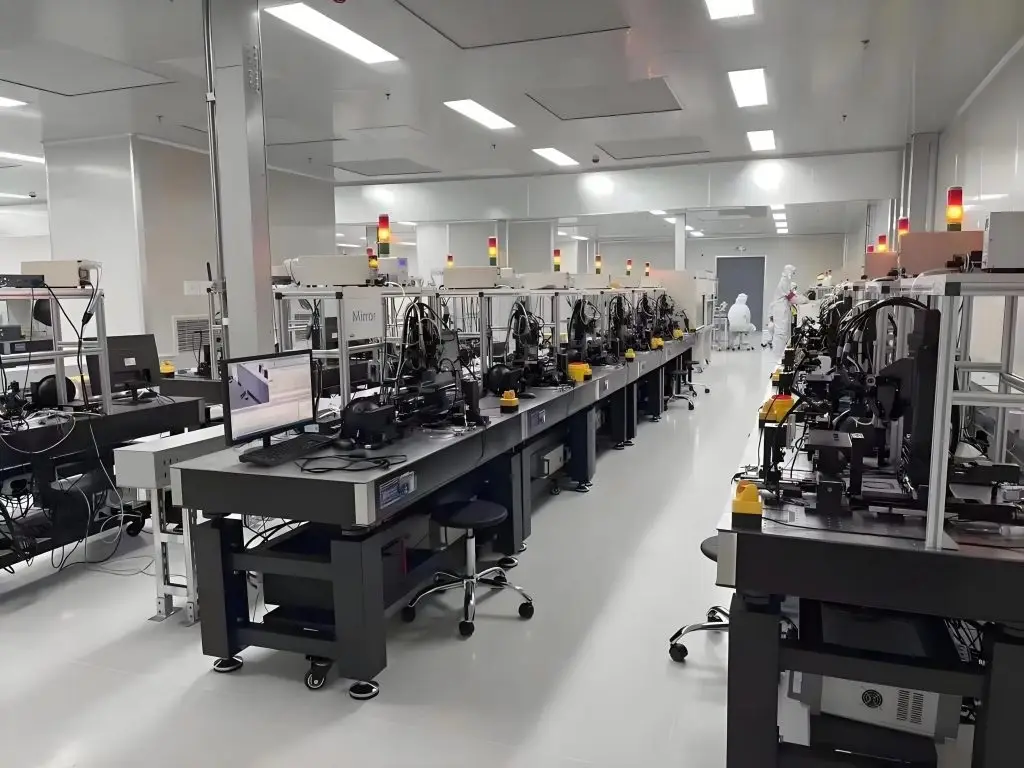
Uneven signal boosting causes losses whenever units change paths. This inconsistency disrupts data flow across operations. Stable amplification thus remains essential for dependable service.
In array-based detectors, slight timing errors direct beams astray. Even tiny delays alter focus points significantly. Precise control ensures accurate targeting throughout tasks.
Every advanced part rests on its base substance. Basic silicon bases cannot support fast orbital receivers adequately. Various tasks call for suited starting points to endure cosmic challenges.
While Gallium Arsenide (GaAs) excels in quick and light-based tools thanks to its high electron mobility (about 8500 cm²/(V·s)), it breaks easier than silicon. Without handling know-how, producers risk fine splits that give way under launch shakes. Yet, its tolerance to rays positions it well for tiny circuits in space. This balance makes GaAs a valuable option despite handling care.
For powerful orbital units, DEEPETCH commonly applies ceramic enclosures. Unlike polymers, these avoid vapor release in voids and offer airtight barriers to surroundings. Pushing plastic-covered circuits for extended trips without thorough checks signals major concerns. Ceramic choices enhance durability in demanding environments.
With layouts in one place, bases in another, and builds in a third, details slip away. Scattered sourcing hinders failure source tracking. For this reason, the company overview of an IDM like DEEPETCH matters; they oversee from beginning to end, matching end results to initial plans closely.
If build crews ignore layout input, they may pick cleaners that harm chip layers. Such oversights lead to hidden defects emerging later. Unified teams prevent these mismatches.
In flight sectors, lacking proof of material origins bars gear from carriers. This gap raises compliance doubts and delays. Full logs build trust and speed approvals.
Q1: Why is Gallium Arsenide better than Silicon for satellite TR modules?
A: GaAs offers far superior electron movement and a straight energy gap, enabling higher speed handling and stronger defense against orbital rays compared to regular Silicon. These traits support critical functions in tough conditions.
Q2: What is the main benefit of the IDM model for satellite customers?
A: An IDM manages all from layout to production internally, providing tighter oversight, quicker issue resolution, and steadier access to vital parts. This approach cuts risks in complex projects.
Q3: Can I use standard industrial-grade chips for a low-earth orbit mission?
A: It carries high risks. Though certain fresh space efforts apply them, screening for ray endurance remains necessary, along with swapping polymer covers for ceramic to achieve longevity. Proper checks ensure viability.
Q4: How does liquid cooling work for satellite transceivers?
A: In powerful base setups or big orbital craft, fluid-cooled receivers employ sealed cycles to shift warmth from packed 400G or 800G units, where air methods fall short. This system sustains operation in dense configurations.
Q5: Who should I contact for custom satellite PCB design and chip manufacturing?
A: You can reach out to the DEEPETCH contact team to discuss specific EMS services, PCBA design, or custom TR module requirements for your project. They offer tailored guidance for individual needs.
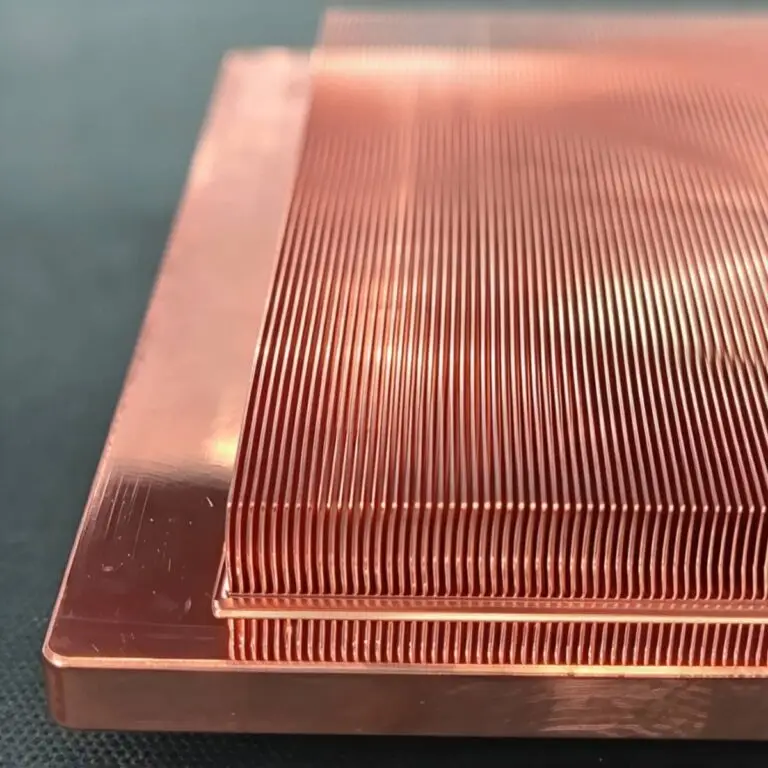
Diamond-Copper Thermally Conductive Composite. High thermal conductivity, tunable CTE, robust.
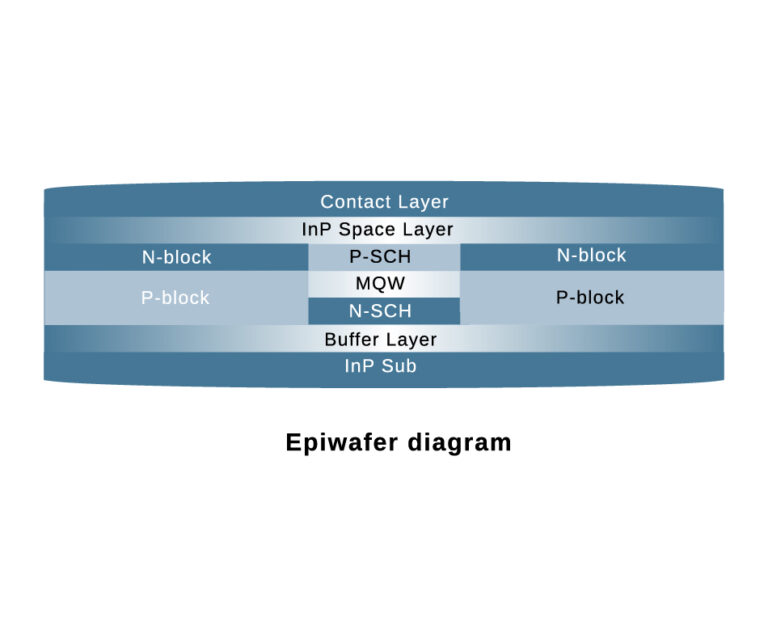
The DE-CW-1310 DFB EPI wafer, a high-performance epitaxial structure designed for distributed feedback (DFB) lasers operating at 1310 nm....
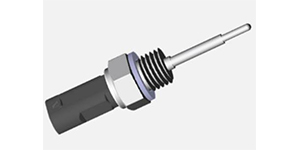
Ceramic thin-filmvacuum sensor Optical gas massflowmeter Liquid mass flowmeter Force sensor MEMS...
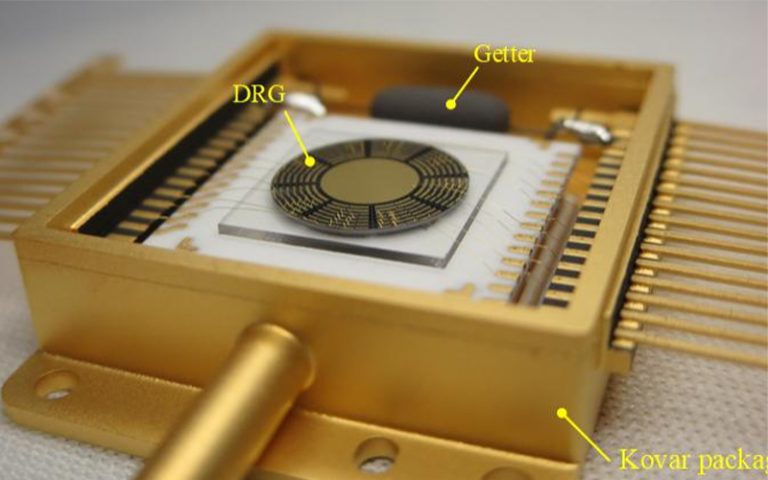
Photoelectric sensing chip Light source chips Optical transmission and modulationchips Optical detection and receptionchips...
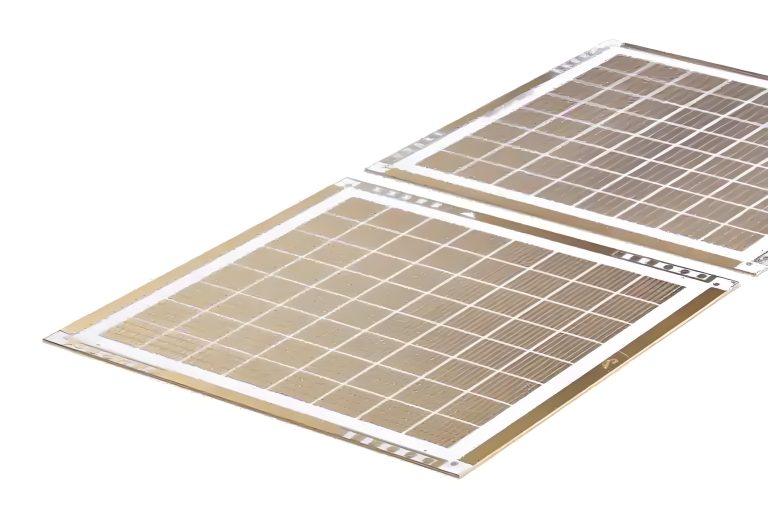
Using a“Detach Core”which has two-layers carrier foil structure on the surface as a core, and forming...
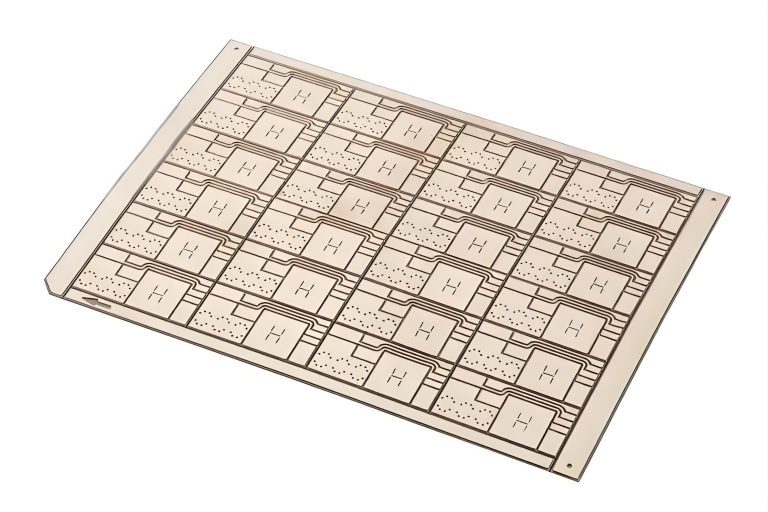
Tenting process is a kind of subtractive process, the process as follows: Laminating photosensitive film...
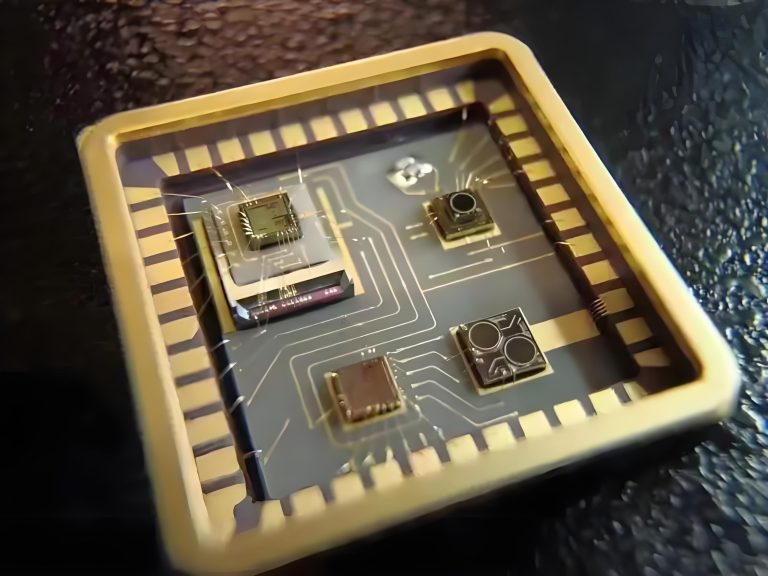
Modified Semi-Added Process abbreviated as mSAP, which can be used on the core or build-up layers, pattern...
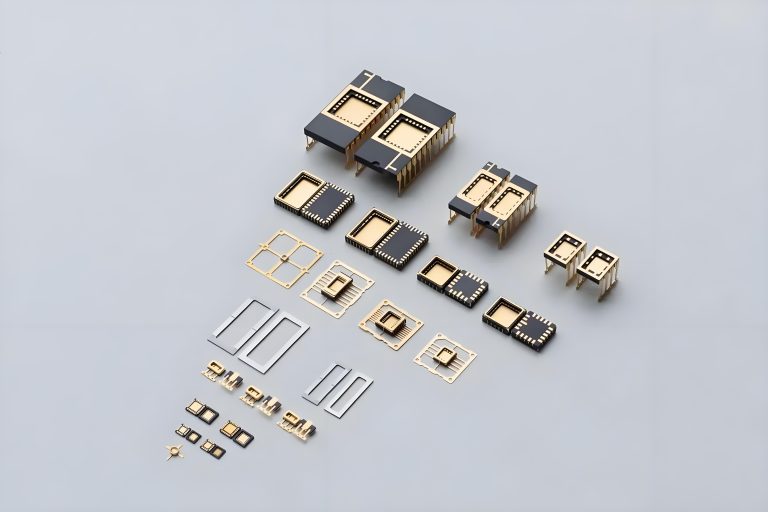
Semi-Added Process abbreviated as SAP, using on the build-up-layer pattern forming as follow:First depositing...
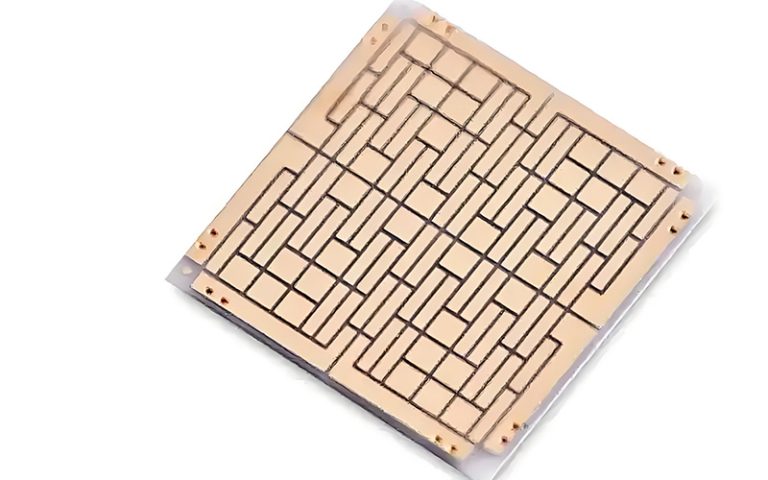
The product generally adopts the pressing lamination process of semi-curing sheets , and line formation...
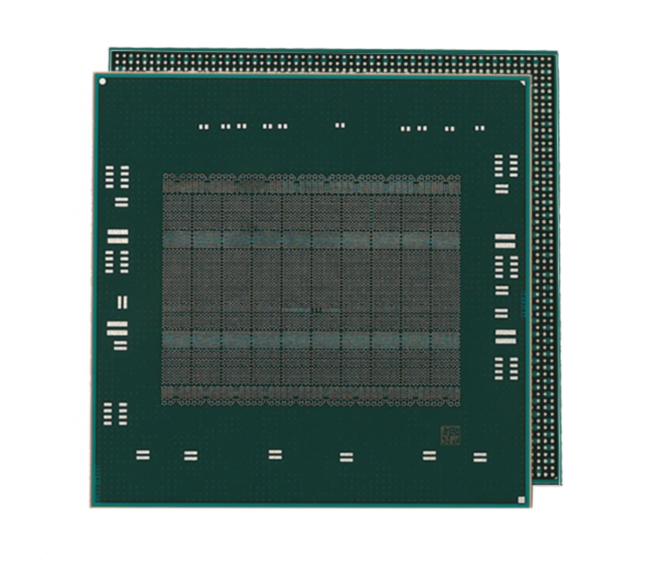
The products generally adopt the Build-up Film Lamination process, and the circuit formation uses the...