
The shift from 5G to 6G goes beyond a basic speed boost. It marks a major change in how hardware operates at very high frequencies. As you advance into Terahertz (THz) technology and intricate 6G Transceiver-TR components, the room for mistakes in production becomes tiny. If you view the design stage and the making stage as isolated parts, your project might face serious problems. This is why Design for Manufacturing (DFM) turns into your key tool. When you include production limits right from the start of your design process, you avoid the trouble of finding out that your advanced satellite circuits cannot be made dependably in large numbers.
If you seek a partner that truly understands this, DEEPETCH stands out in the semiconductor field. The company started in 2019 and has its base in the tech center of Shenzhen. It follows a mindset that prioritizes a solid understanding of customer requirements. DEEPETCH is not merely another vendor. Instead, it serves as a complete solutions provider that manages tasks from fast 800G optical modules to custom chips for aerospace and drones. The skilled staff applies a vertical IDM model to ensure a smooth and dependable move from digital plans to actual chips. For radar setups or satellite connections, their success with more than 1,500 clients worldwide proves they can supply hardware that remains steady in challenging conditions.
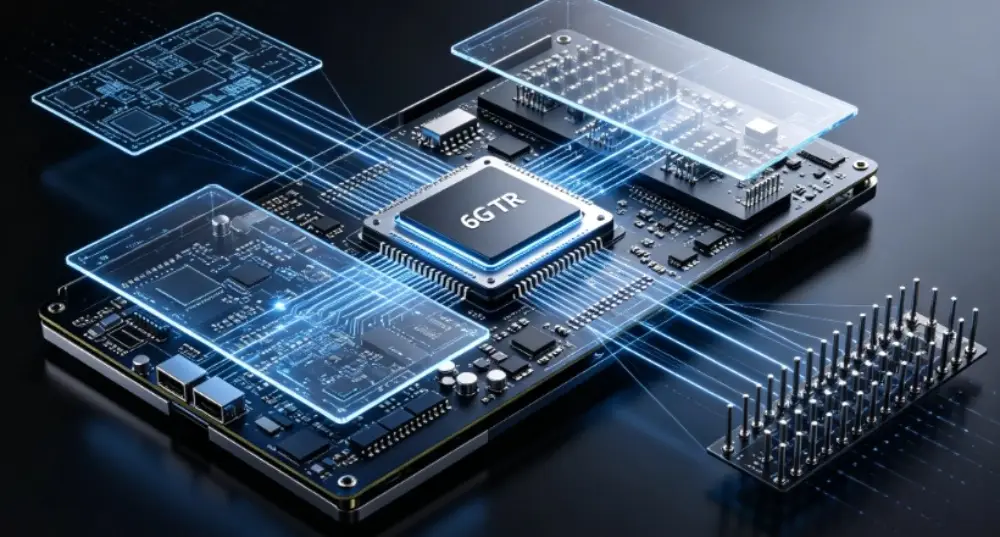
At the frequencies needed for 6G, the physical arrangement of your TR module shapes its electrical output. Old design approaches frequently miss how small changes in assembly can cause big signal drops. DFM pushes you to consider the practical version of your circuit. In that version, solder connections have size, and parts have allowances. Overlooking these in critical areas like satellite links or defense radar turns into a costly risk. It often results in weak signal strength or complete hardware failure.
Keeping a clear signal at millimeter-wave levels is quite challenging. DFM assists by controlling trace resistance and reducing unwanted capacitance. It does this through a PCBA layout that fits the exact production boundaries of the facility. Therefore, this forward-thinking method protects your 6G communication gear from the kind of weakening that harms distant data links. As a result, your systems maintain strong performance over long ranges.
High-frequency TR modules create substantial heat in a compact area. If your plan does not consider the heat flow of the materials or the spot for cooling devices during buildup, your chip may slow down or stop working. DFM guidelines allow you to outline the heat route from the beginning. Moreover, they encourage the use of items like ceramic bases to draw heat from vital points. This setup helps ensure steady operation even under heavy loads.
A plan that succeeds in tests but flops in the plant is a real burden. DFM spots risky spots where parts sit too near or landing areas are not right for machine soldering. By addressing these before the initial sample, you boost your output rate and stay on time. In addition, this approach cuts down on waste and extra costs during scale-up.
Picking the right materials forms the base of any solid 6G setup. You cannot rely on everyday materials to endure the demands of aerospace or fast radar. Each layer in your module, from the semiconductor foundation to the organic base, requires careful technical choice. Errors at this point often cause separation or signal shifts. These issues are hard to correct after the device goes into use in the field.
For fast electronic tools, Silicon And Germanium (SiGe) changes the game. It delivers high electron movement, which suits millimeter-wave links over 28 GHz. In 6G uses, SiGe HBTs (heterojunction bipolar transistors) offer strong gain and a small noise level. This is just what you need for delicate radar input modules. Furthermore, it uses far less energy than regular silicon, a big plus for satellite energy plans.
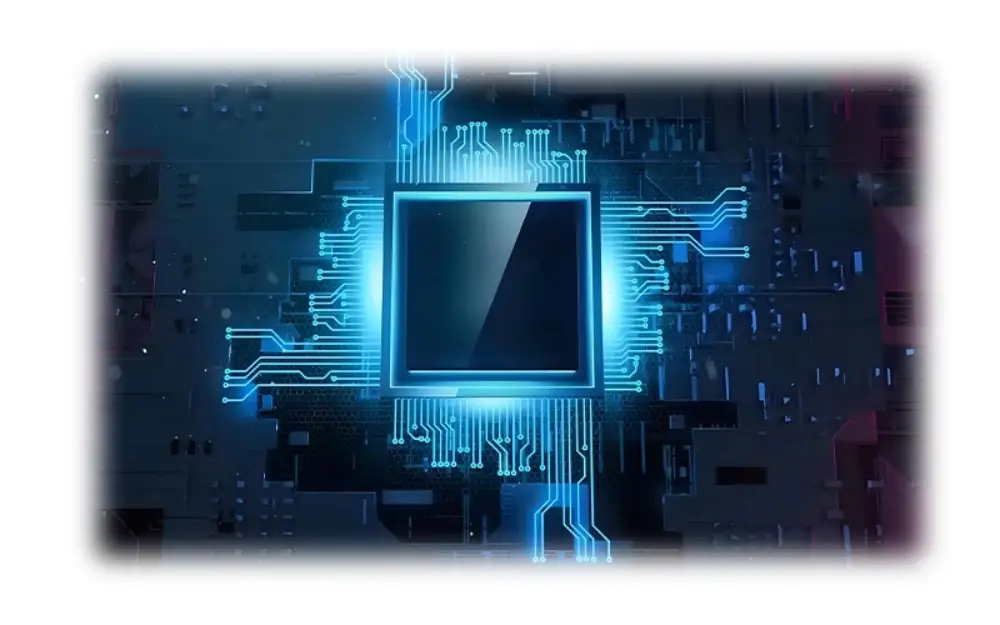
For the board material, BT Resin (bismaleimide triazine resin) gives the heat and electrical steadiness that 6G TR modules demand. Its low loss factor and strong resistance to heat make it great for quick signal flow. It avoids bending during soldering, so your fine high-density links stay whole despite big temperature changes. This reliability supports long-term use in tough settings.
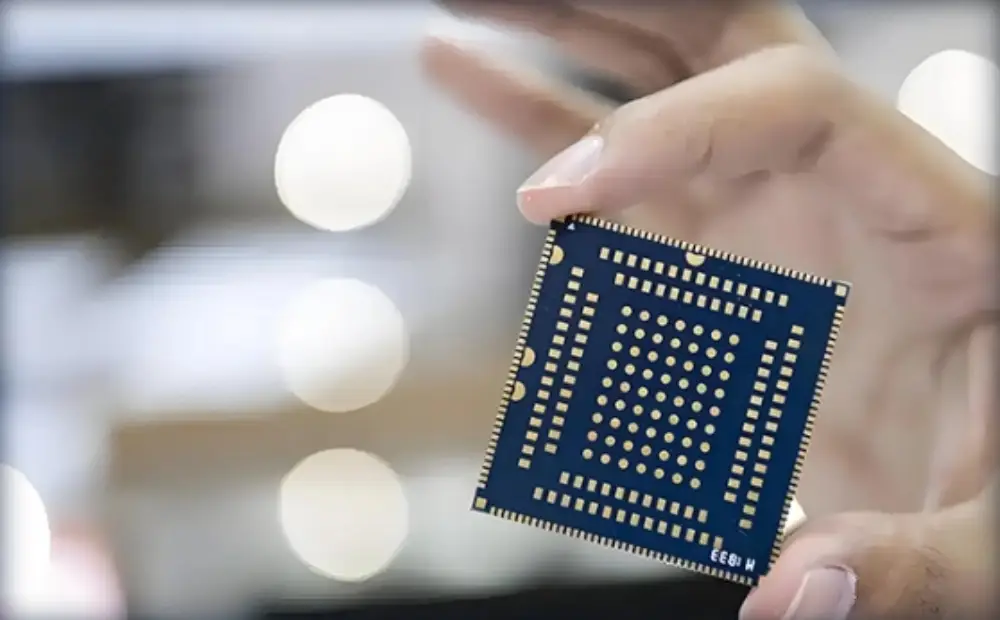
The usual divide between a design team and a production site often creates “miscommunication” mistakes that harm product steadiness. When chip creators are cut off from makers, DFM gets pushed aside. A better way links design and production closely. This tight connection provides instant input, making sure every design standard matches the real skills of the production setup.
Operating in an IDM Industry structure means design standards fit the exact tools and steps in the factory. This teamwork quickens growth and guarantees the end product meets the goals from the first plans. It feels more natural, as it builds on inside teamwork instead of strict outside transfers. Overall, such unity leads to fewer errors and smoother progress.
One of the most nerve-wracking parts of hardware creation is the tape-out. With an integrated setup, you can check process reliability using data from past large runs. This cuts the chance of finding a basic production issue after you have spent your funds on a batch. Consequently, projects move forward with greater confidence and less financial strain.
A dependable design matters only if you can produce many units. An integrated method makes sure the DFM rules from the sample phase work for bigger scales. Thus, you avoid tough production issues when shifting from a few test units to a wide 6G setup. This scalability keeps your operations efficient and on track.
In high-trust electronics, “adequate” rarely cuts it. You require parts tested for the harshest scenarios possible. Whether you build the core for a fresh satellite group or a detailed radar for a drone, the hardware must be tough. DEEPETCH earned its name by offering this type of critical gear. It focuses on steadiness and output across the entire frequency spectrum.
These chips act as the core of your communication network. By employing SiGe and other modern materials, the transceivers manage fast data while keeping energy use low. They suit the rough space setting, with built-in resistance to radiation and disruption. This keeps the connection firm even during far space missions. As a result, they support reliable operations in extreme environments.
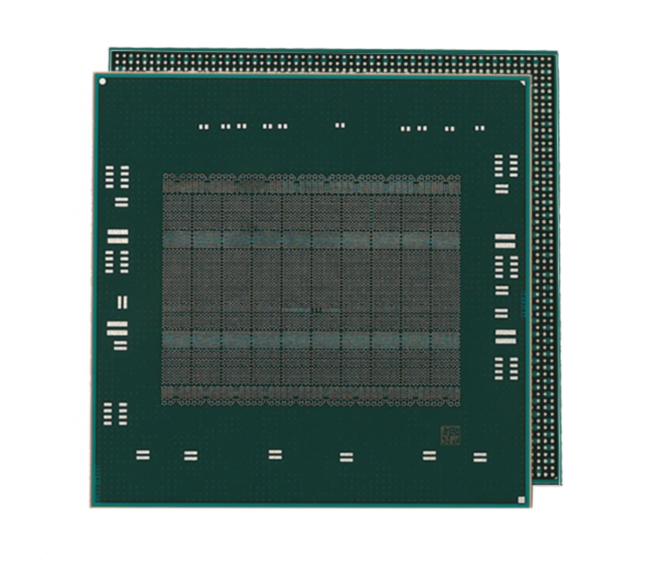
The completed TR module shows clever small-scale design. Through methods like FCBGA and FCCSP, you fit more features into less space without losing cooling power. Each unit gets thorough AOI and X-Ray checks to confirm inner links are flawless. If you wonder about certain types, just look at the Chips In-stock list for items ready to use right away. This process ensures high quality from the start.
As 2026 nears, the need for tailored electronic manufacturing services (EMS) grows rapidly. It is no longer sufficient to get standard parts. You need a production ally who can manage custom aerospace board designs and 6G transceiver-TR parts from beginning to end. This full-service method includes everything from first PCBA planning to last tests and supply chain oversight.
Current drones and satellites call for very specific boards that handle AI edge tasks and detailed signal work. A tailored EMS method lets you adjust the hardware to your exact task needs. In this way, you balance weight, energy, and output just right. Such designs meet the unique challenges of modern missions effectively.
The aim is to change an idea into a ready product with minimal hassle. By managing the full cycle, a partner applies DFM at each phase. This covers choosing proper sensors, such as MEMS pressure or gas sensors. Then, it combines them into a strong package that withstands shakes, impacts, and high moisture. Ultimately, this leads to durable and functional end products.
Q1: Why is SiGe better than standard Silicon for 6G TR modules?
A: SiGe provides much higher electron mobility and lower noise, which are essential for high-frequency millimeter-wave signals. It also runs cooler and uses less power, making it a superior choice for satellite and radar hardware.
Q2: What role does BT Resin play in PCB reliability?
A: BT Resin acts as a high-performance substrate that resists heat and maintains a stable dielectric constant. It prevents the board from warping or losing signal integrity when the TR module is operating at high temperatures.
Q3: How does the IDM model help me save money?
A: By integrating design and manufacturing, the IDM model reduces the need for multiple prototype rounds and lowers the risk of tape-out failures. This leads to a faster time-to-market and lower overall development costs.
Q4: Can these modules handle the radiation in space?
A: Yes, many of the semiconductor solutions are designed specifically for aerospace. They use materials and architectures that are naturally resistant to radiation and can operate in the extreme temperature swings found in deep space.
Q5: Who can I talk to about a custom 6G PCBA design?
A: You can reach out to the engineering team via the Contact Us page. They can provide technical support for everything from initial circuit design to full-scale EMS manufacturing.
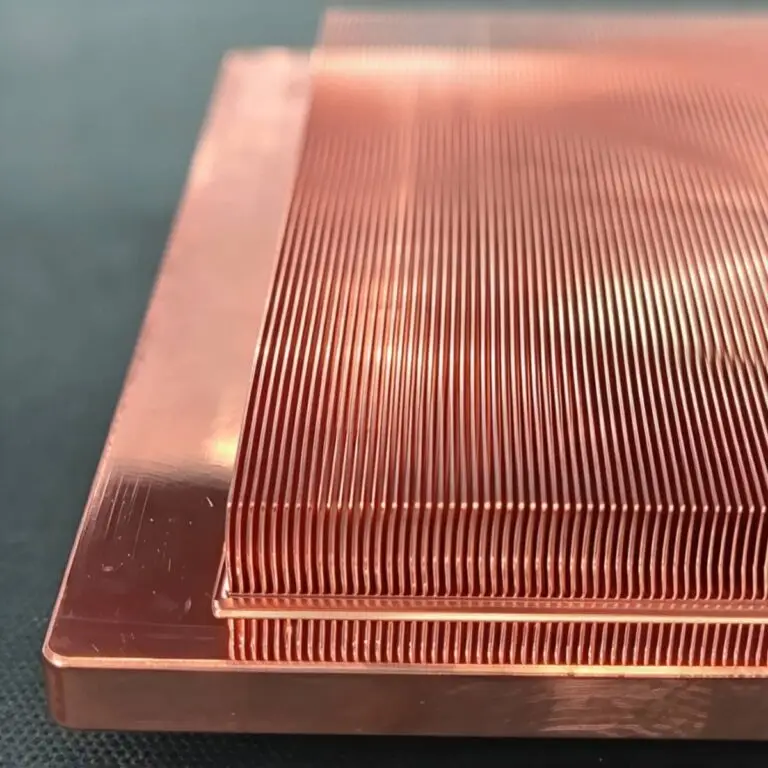
Diamond-Copper Thermally Conductive Composite. High thermal conductivity, tunable CTE, robust.
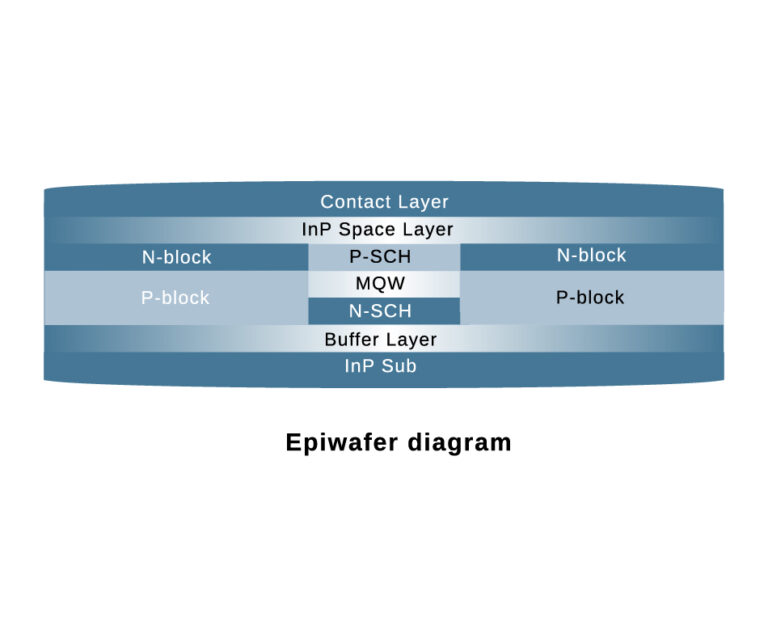
The DE-CW-1310 DFB EPI wafer, a high-performance epitaxial structure designed for distributed feedback (DFB) lasers operating at 1310 nm....
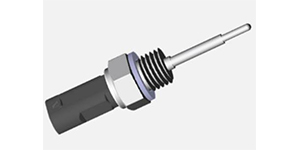
Ceramic thin-filmvacuum sensor Optical gas massflowmeter Liquid mass flowmeter Force sensor MEMS...
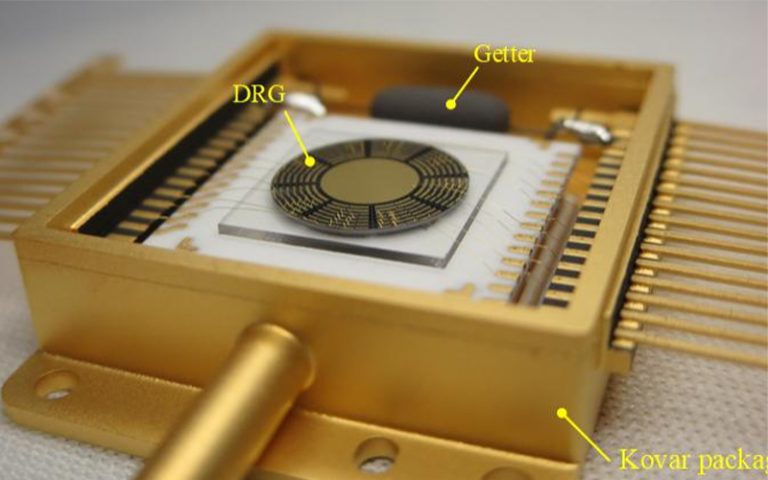
Photoelectric sensing chip Light source chips Optical transmission and modulationchips Optical detection and receptionchips...
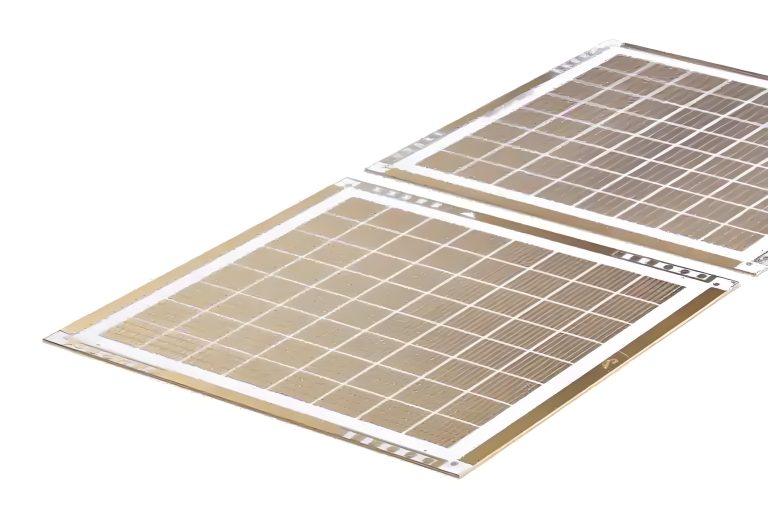
Using a“Detach Core”which has two-layers carrier foil structure on the surface as a core, and forming...
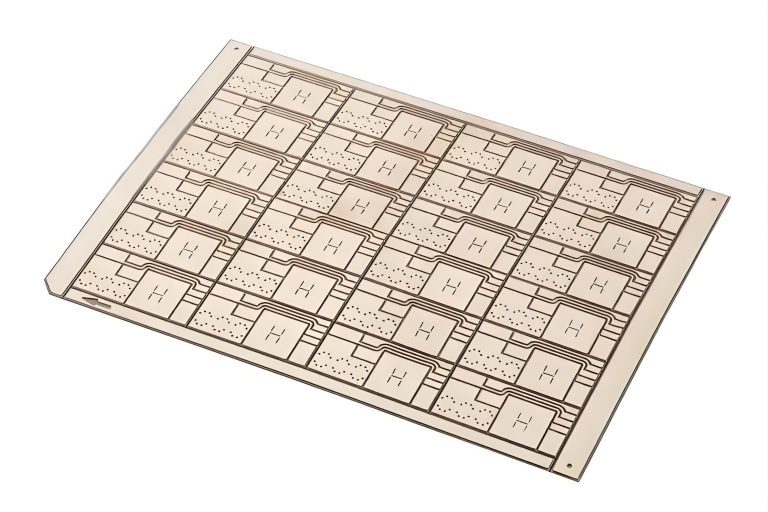
Tenting process is a kind of subtractive process, the process as follows: Laminating photosensitive film...
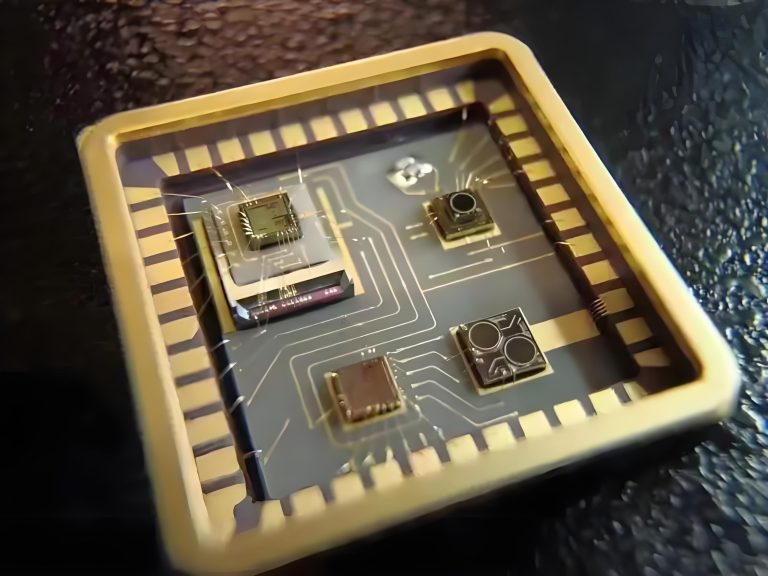
Modified Semi-Added Process abbreviated as mSAP, which can be used on the core or build-up layers, pattern...
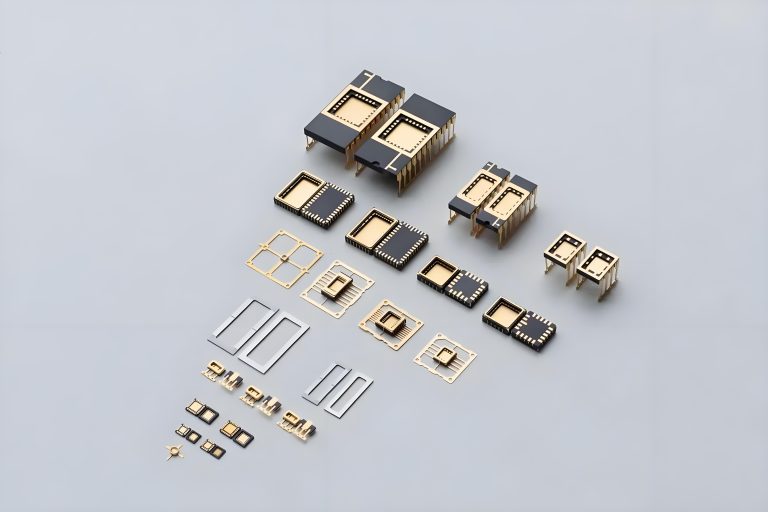
Semi-Added Process abbreviated as SAP, using on the build-up-layer pattern forming as follow:First depositing...
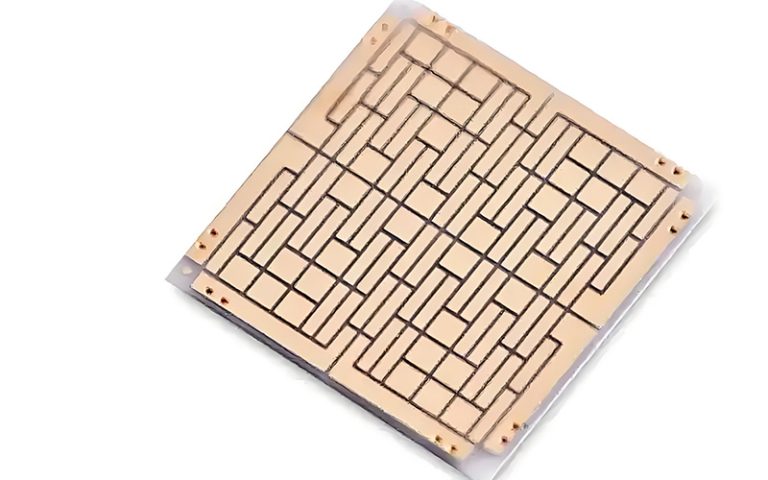
The product generally adopts the pressing lamination process of semi-curing sheets , and line formation...
The products generally adopt the Build-up Film Lamination process, and the circuit formation uses the...