
Modern autonomous drones require processing high-bandwidth sensor streams while maintaining minimal latency and power consumption. Achieving this performance demands a system-level strategy where control algorithms and underlying physical circuits develop in unison. Implementing soft hardware co-design allows flight control engineers to bypass traditional architectural bottlenecks, tailoring embedded software to hardware constraints like processing speed, thermal dissipation, and board space. DEEPETCH develops advanced electronic packaging, custom substrates, and ceramic circuit carriers that enable high-performance flight management hardware to operate reliably under severe thermal and mechanical stress.
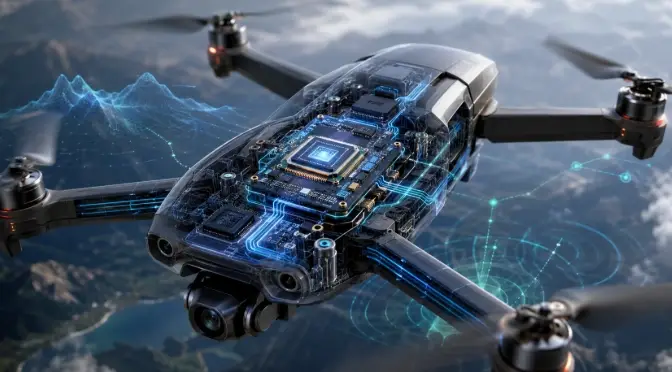
Examining how algorithm architecture interacts with physical silicon forms the foundation of modern unmanned aerial vehicle engineering.
In unmanned aerial vehicle engineering, soft hardware co-design defines the joint specification, mapping, and optimization of control software alongside the target processing hardware. Rather than writing software for pre-selected off-the-shelf microcontrollers, engineering teams analyze computational loads—such as attitude estimation, trajectory planning, and motor control loops—to determine optimal instruction sets, hardware acceleration blocks, and circuit layouts simultaneously. This synergy eliminates software overhead and hardware underutilization.
Autonomous flight systems rely on real-time sensor processing to navigate complex environments safely. Executing deep neural networks for uav edge ai navigation alongside flight stabilization algorithms creates massive computational spikes. By replacing off-the-shelf microcontrollers with customized FPGA/SoC co-design architectures, edge processing latency for vision-based obstacle avoidance drops from >20 ms down to sub-1 ms (e.g., 200–500 microseconds). Furthermore, direct thermal coupling with Aluminum Nitride substrates allows processing cores to sustain continuous 15W–25W thermal loads in enclosed drone bays without triggering thermal throttling during prolonged hover states.
As drone functionality advances from basic remote piloting to fully autonomous swarm coordination, uav flight control architecture has shifted from single-board computing to complex multi-core System-in-Package (SiP) designs. For a broader analysis of these system-level shifts, review our technical guide on Soft-Hardware Co-Design in Intelligent UAV Flight Control Systems.
While software optimization yields substantial speedup, physical hardware limits often constrain the maximum capabilities of autonomous flight systems.
Unmanned platforms operate under strict Size, Weight, and Power (SWaP) limits. Payload capacity directly impacts flight endurance and operational range. Adding bulky heat sinks or expanding PCB footprint area to accommodate discrete components compromises aerodynamic efficiency and power draw, forcing designers to pack more compute density into increasingly confined enclosure spaces.
Running high-frequency SoC and FPGA processors within sealed flight control enclosures generates localized heat flux accumulation. Conventional FR4 epoxy-glass substrates exhibit poor thermal conductivity, trapping heat beneath processing dies. Elevated junction temperatures trigger thermal throttling, degrading processing clock speeds or causing unexpected system resets during critical flight maneuvers. Effective flight controller thermal management requires transferring heat away from silicon dies rapidly.
Current routing of high-speed signal lines for vision sensors, IMUs and memory-buses on standard circuit board materials suffers from dielectric absorption as well as parasitic inductance. Signal attenuation at frequencies of gigahertz leads to bit errors which have to be corrected by retransmitting them. This, however, increases processing delay and power consumption.
Soft-hardware co-design ultimately requires physical realization through low-loss substrates and thermal carriers capable of handling intense computational power. Addressing thermal accumulation and mechanical stress requires moving beyond standard PCB materials to advanced inorganic substrate carriers. Applying soft hardware co-design at the hardware layer involves selecting substrate materials capable of handling extreme environmental demands.
Replacing organic circuit boards with Aluminum Nitride (AlN) high-thermal ceramic substrates provides a direct thermal pathway for processing dies. Featuring a ceramic substrate thermal conductivity of 170 W/m·K to 230 W/m·K, AlN carriers rapidly spread heat away from high-power SoC chips toward aluminum enclosures or external heat sinks, preventing thermal throttling without adding bulky cooling hardware.
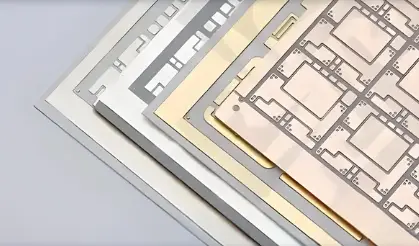
Unmanned aircraft systems are constantly subjected to high-frequency vibration on the order of 10 Hz to 2000 Hz from the high powered propulsion and turbulent airflow. FR4, the standard substrate material for PCBs, has a high CTE that does not match well with silicon. This can cause the micro-solder joints on QFN packages to fatigue and crack during thermal cycling as well as from constant vibration stress. Ceramic substrates on the other hand have a CTE that matches well with silicon, providing a structure to support the board as well as protecting the micro-solder joints from cracking under constant stress.
The harsh environment of high-altitude flights can have a drastic effect on the flight control’s electronic components. The components are subjected to a fast decrease in atmospheric pressure and to moisture condensation. Also, the temperature can swing rapidly. Ceramic substrate packaging has constant dielectric and mechanical characteristics over temperature. In particular, its operating temperature range is from -55°C up to +200°C. Also, hermetic sealing of the substrate prevents moisture to penetrate into the package. This is particularly important to prevent ionic migration and corrosion on the fine-line conductor tracks.
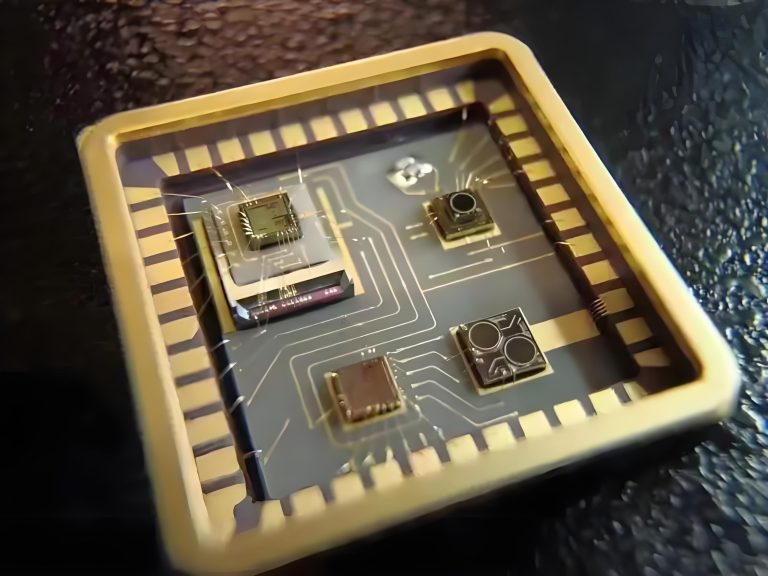
When system designs require integrating multiple dies, memory stacks, and discrete passives into a single package, custom substrate technology becomes necessary. This transition directly facilitates soft hardware co-design for complex multi-chip modules.
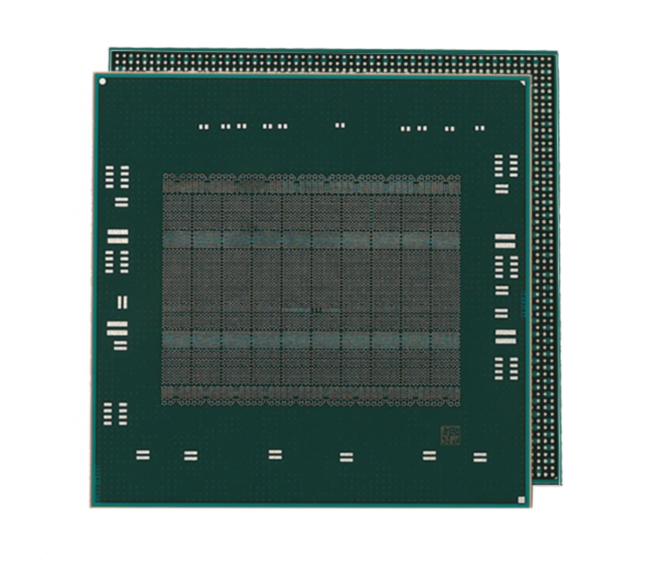
Designing ultra-compact flight management modules often requires transitioning from discrete PCB components to System-in-Package (SiP) architectures. Utilizing Custom IC Substrates fabricated with Ajinomoto Build-up Film (ABF) epoxy resin deposited film supports fine-pitch trace routing and micro-via formation. This high-density ic substrate approach enables routing hundreds of high-speed interconnects in a fraction of the space required by conventional boards.
Precision substrate manufacturing uses laser mask projection technology to engineer dimple structures across dielectric surfaces. This microscopic surface texturing enhances silver conductor adhesion, preventing trace delamination during high-temperature reflow assembly. Furthermore, embedding silicon dies directly inside the substrate matrix creates thinner, lighter packaging profiles that optimize spatial efficiency inside drone bays.
High-bandwidth drone payloads—such as LiDAR, thermal cameras, and multi-spectral sensors—generate massive data throughput over MIPI CSI-2 and PCIe interfaces. Standard PCB materials suffer from high dielectric loss at gigahertz frequencies, introducing signal degradation and bit errors in sensory feeds. Custom IC substrates optimized with ultra-low loss dielectric materials maintain pristine signal eye diagrams across differential trace pairs. This ensures uncompressed 4K video feeds and raw IMU telemetry data stream into the flight computer without packet dropping or electromagnetic interference (EMI) from onboard high-power ESC motor drivers.
Translating complex hardware architecture from CAD design to qualified production requires an experienced packaging and substrate manufacturing partner.
Established in 2019, DEEPETCH (dpsemicon) has supported over 1,560 global clients with specialized semiconductor packaging, high-thermal ceramic substrates, and custom IC substrate manufacturing. Providing complete OEM/ODM engineering support, technical teams collaborate directly with drone manufacturers to resolve thermal management, pinout routing, and structural reliability challenges during early prototype development.
Prior to committing gerber files to production tooling, engineering teams should evaluate key hardware selection parameters:
Aligning embedded software development with advanced physical hardware layout eliminates costly board revisions and shortens time-to-market. Evaluating soft hardware co-design opportunities during initial architecture planning ensures long-term system reliability.
Navigating thermal bottlenecks, package constraints, and high-frequency routing requirements requires technical alignment before finalizing flight controller specifications. Engineering teams evaluating new flight management hardware or custom substrate stackups can contact our technical specialists to review gerber files, analyze thermal dissipation requirements, or request substrate stackup recommendations prior to prototype fabrication.
Q: What is the primary benefit of soft hardware co-design in drone flight control systems?
A: The primary benefit of soft hardware co-design is the simultaneous optimization of software algorithms and hardware circuits, which eliminates processing bottlenecks, reduces real-time latency in navigation control loops to sub-1 ms, and minimizes overall power consumption and hardware footprint.
Q: Why are ceramic substrates preferred over FR4 for high-performance UAV flight controllers?
A: Ceramic substrates offer thermal conductivity up to 230 W/m·K compared to less than 1 W/m·K for FR4, rapidly dissipating 15W–25W heat loads from high-frequency SoC chips. Additionally, their Coefficient of Thermal Expansion closely matches silicon, preventing solder joint failure under continuous motor vibration (10 Hz to 2000 Hz).
Q: How do custom IC substrates assist in meeting drone SWaP constraints?
A: Custom IC substrates utilizing ABF film enable ultra-fine trace routing and multi-die System-in-Package integration. This allows hardware engineers to consolidate processors, memory, and sensors into a single compact module, significantly reducing size and weight compared to discrete PCB assemblies.
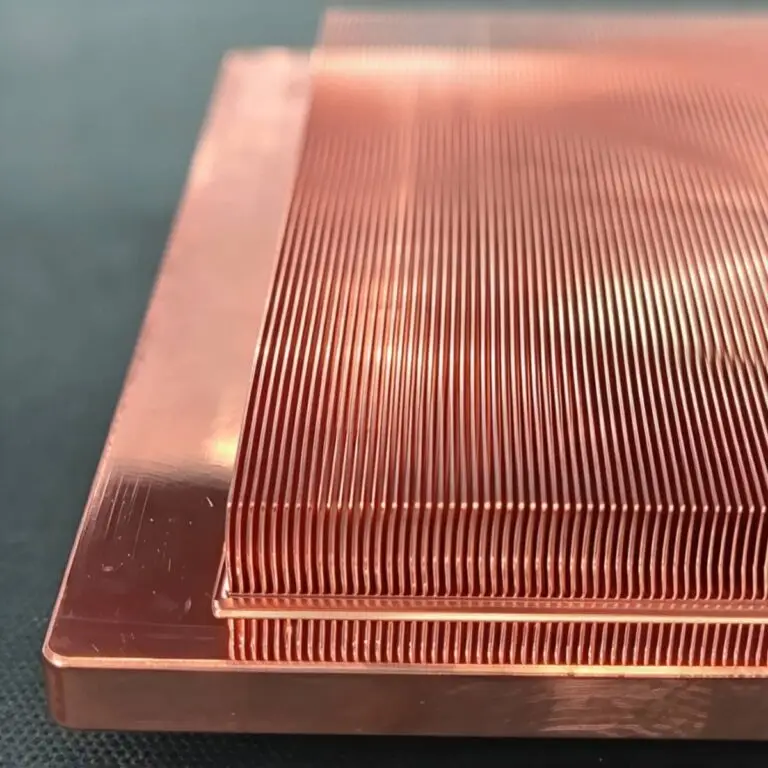
Diamond-Copper Thermally Conductive Composite. High thermal conductivity, tunable CTE, robust.
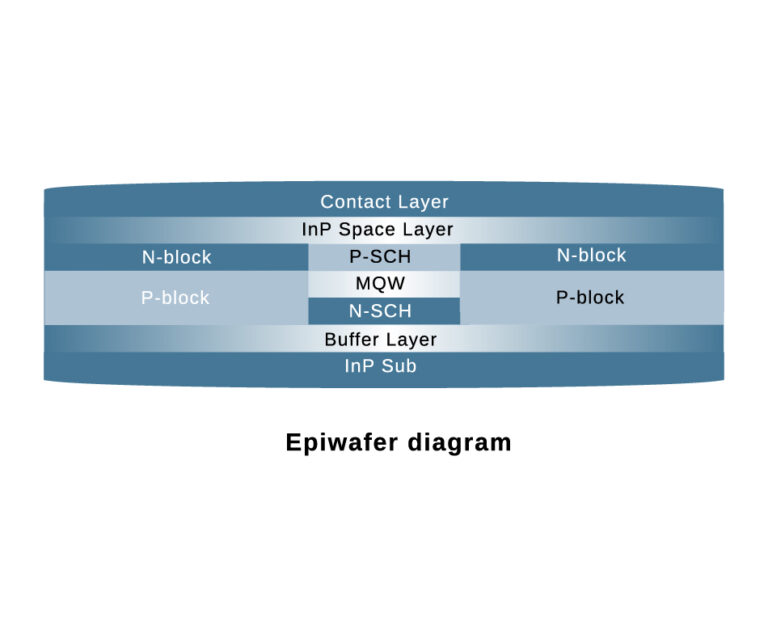
The DE-CW-1310 DFB EPI wafer, a high-performance epitaxial structure designed for distributed feedback (DFB) lasers operating at 1310 nm....
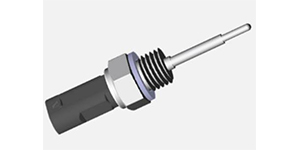
Ceramic thin-filmvacuum sensor Optical gas massflowmeter Liquid mass flowmeter Force sensor MEMS...
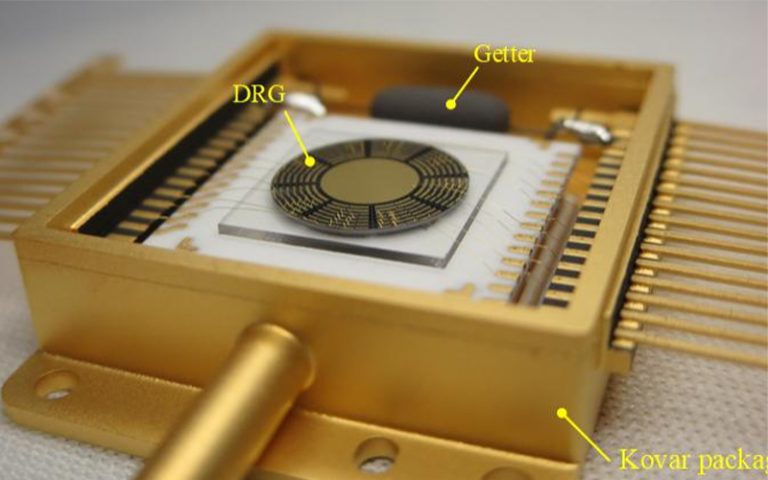
Photoelectric sensing chip Light source chips Optical transmission and modulationchips Optical detection and receptionchips...
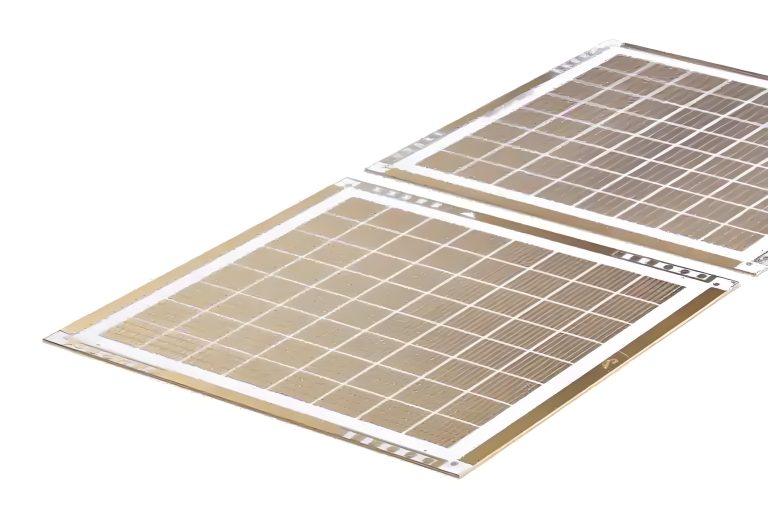
Using a“Detach Core”which has two-layers carrier foil structure on the surface as a core, and forming...
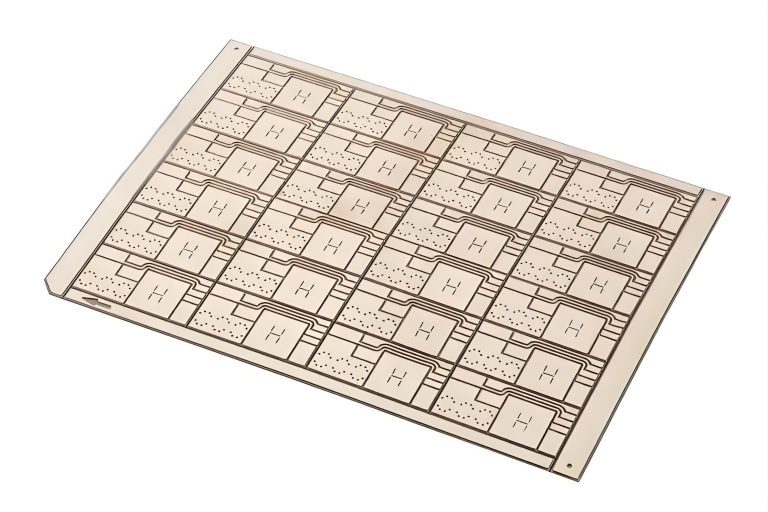
Tenting process is a kind of subtractive process, the process as follows: Laminating photosensitive film...
Modified Semi-Added Process abbreviated as mSAP, which can be used on the core or build-up layers, pattern...
Semi-Added Process abbreviated as SAP, using on the build-up-layer pattern forming as follow:First depositing...
The product generally adopts the pressing lamination process of semi-curing sheets , and line formation...
The products generally adopt the Build-up Film Lamination process, and the circuit formation uses the...