
The aerospace sector faces a barrier as sensing, communication, and computing combine into one setup, known as ISCC. This change supports the space-based Metaverse, but it brings a serious heat issue. Packing high-frequency TR transceivers and strong computing into a small circuit leads to quick heating. Without proper heat control, the hardware slows and could stop working during a task.
Reliability calls for a partner who understands the hardware aspects. DEEPETCH entered the field in 2019. They focus on high-speed optical modules and detailed PCBA designs for data centers and aerospace customers. With a complete IDM model, they manage design through production. For 800G modules or custom chips, their knowledge in integrated circuits suits those facing tough ISCC tasks.
Aerospace designs shift to self-running space computing points. The hardware must do more than transmit signals. It needs to detect surroundings and handle data right away. This mix of sensing, communication, and computing strains every bit of space on the board for heat capacity.
Current aerospace setups go beyond basic radio connections. They function as moving data centers in orbit. Combining MEMS sensors with fast processors creates a system that responds immediately. However, the power needs become very high.
The Metaverse demands instant response and large data flow. Circuits must carry more current through narrow paths. Excess heat causes signal interference and delays. These problems disrupt the smooth data movement required for clear space models.
Basic cooling fails in vacuum areas without air flow. Systems depend on heat transfer through contact and emission. Thus, selecting the right substrate material becomes a key choice in planning.
Placing strong computing near delicate sensors forms hot areas. These spots heat up fast and harm chip parts while other sections stay cooler. Engineers often struggle with this when reducing hardware size.
Compact units cut launch expenses but complicate cooling. Heat has little room to escape in small designs. As a result, processor speeds drop to manage heat. This turns a fast system into a slow point.
Common FR4 and some advanced polyimides block heat like barriers. They hold energy inside, leading to internal overheating. Applying them in ISCC setups traps heat poorly, similar to covering a heat source with insulating material.
Effective heat movement requires materials with strong conductivity. Aluminium Nitride (AlN) from DEEPETCH reaches 170 to 230 W/m·K in conductivity. This outperforms alumina by nearly ten times. It far exceeds any plastic substrate options.
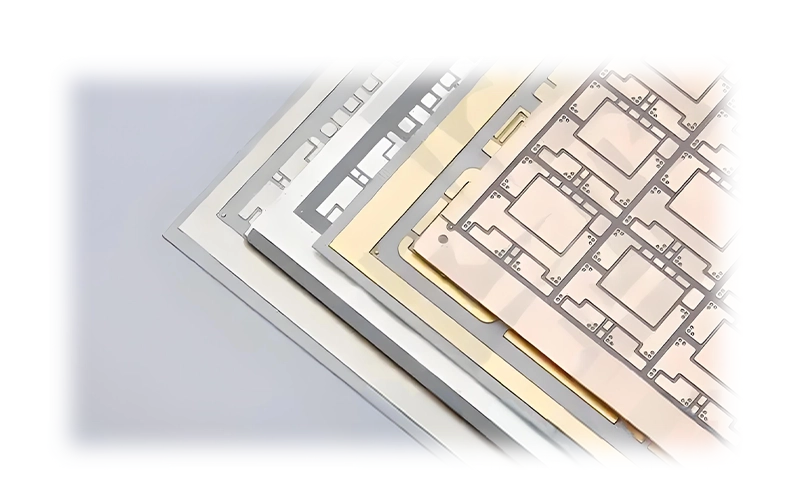
AlN supports not only endurance but also better operation. The substrate draws heat from the chip core quickly. Therefore, chips run at higher speeds without thermal limits.
The key comes from its internal arrangement. Aluminium Nitride features a crystal form that lets heat waves pass with minimal blockage. This trait sets it as the top choice for powerful electronics needing steady cooling.
Rising heat alters the board’s electrical properties. AlN maintains even temperatures, which keeps resistance steady. As a result, signals face less bounce-back. High-speed data paths show clearer patterns.
DEEPETCH applies these ceramic bases in real builds. They create layered boards for power and RF signals. This approach helps hardware withstand space’s varying heat conditions.
Space brings wide temperature ranges. Direct sun reaches 120°C, while shadows drop to -150°C. If parts and the board expand differently, connections break under strain.
Temperature changes cause quiet damage over time. Materials in the ISCC unit pull in opposite directions with each shift. After many orbits, small strains form cracks that disable the circuit.
Silicon expands little, unlike most metals and plastics. Attaching a big processor to a usual board creates pulling forces during heat shifts. These forces can rip connections loose. A matching expansion material prevents this issue.
Adding layers to ISCC designs increases weak spots. Connections tear, and inner lines separate if vertical growth lacks control. This leads to early failures in stacked setups.
For strength and close expansion match, Silicon Nitride fits well. It offers great durability and aligns with silicon chip rates. This holds the assembly together firmly.
Silicon Nitride ranks among the toughest ceramics. It controls heat and adds structural support to circuits. The material resists sudden heat changes, avoiding breaks from quick 200-degree drops.
Though its conductivity falls short of AlN, Silicon Nitride balances durability and heat handling best. Engineers choose it for units facing launch shakes and orbital cold.
DEEPETCH uses these ceramics to build steady PCBA units. Their assemblies endure tough conditions. Check their chips in stock page for available parts and hardware options.
ISCC communication depends on Transmit/Receive (TR) modules. These parts react strongly to temperature. Heat reduces amplifier output, blending signals into noise.
Higher warmth always boosts background noise. A satellite detecting weak Earth signals faces disruption from a warm TR module. Range and data quality suffer as a result.
Radar and 6G need strong power. Hot transceiver chips lose efficiency quickly. More energy turns to heat instead of transmission, draining batteries faster.
Close sensing and communication lines allow heat to mix signals. This creates false sensor data or damaged outgoing information. Interference grows in tight integrated designs.
DEEPETCH addresses this through TR chips and modules with planned heat paths. They design the full route for both heat and signals, not just basic placement.
These chips use methods that manage dense power without quick wear. The layout spreads heat over the chip surface. It avoids the concentrated hot areas from before.
Modules pair with earlier ceramic bases for direct heat escape. This lowers noise levels and boosts signal quality. Long satellite connections benefit from this setup.
In-house design allows modules to work side by side. A strong radar signal runs near delicate computing without heat interference. This keeps both functions effective.
Picking a supplier matters when designs turn challenging. DEEPETCH goes beyond supplying parts. They offer full EMS that span the life of aerospace hardware.
They cover from initial drawings to final checks with proper tools and approvals. DEEPETCH knows the needs for shakes, vacuum, and radiation that others overlook.
DEEPETCH advances 6G and satellite tech actively. Their current products align with future rules. This keeps projects current through launch and beyond.
Shortages make steady sources vital. DEEPETCH keeps key parts ready. This avoids long waits that stall new ideas.
The push for full integration will grow faster. Space Metaverse infrastructure demands hardware that senses, processes, and communicates together. Needs for such systems will rise sharply.
Simple satellites give way to independent points that decide alone. This level of combination makes heat control the main engineering focus.
Materials like Aluminium Nitride and Silicon Nitride enable space data flow. Without them, the Metaverse remains earthbound. Ceramics support fast signals in vacuum.
Aerospace success relies on fine points. Addressing thermal issues with right materials and partners prepares hardware for future space challenges.
Q1: Why is Aluminium Nitride better than Alumina for ISCC circuits?
A: Aluminium Nitride has roughly 7 to 10 times the thermal conductivity of Alumina. For high-speed ISCC systems where heat flux is high, Alumina just can’t move energy fast enough to prevent hot spots.
Q2: Can Silicon Nitride really handle the vibrations of a rocket launch?
A: Absolutely. Silicon Nitride is famous for its high fracture toughness and strength. It is much more durable than most other technical ceramics, making it perfect for the mechanical stress of a launch.
Q3: How does Deepetch handle the supply chain for these specialized materials?
A: Deepetch uses an IDM model and maintains a consistent inventory. They manage the process from design to manufacturing, which helps them keep parts in stock and avoid the delays common with third-party foundries.
Q4: Do TR modules really need specialized ceramic substrates?
A: For high-frequency satellite or radar work, yes. Ceramics provide the low electrical loss and high thermal stability needed to keep the signal clean and the hardware from melting under high power loads.
Q5: Does Deepetch provide custom PCBA design for unique aerospace needs?
A: Yes, they offer full OEM/ODM/JDM services. They can take your specific requirements for sensing and communication and build a custom board that handles the thermal and mechanical demands of your mission.
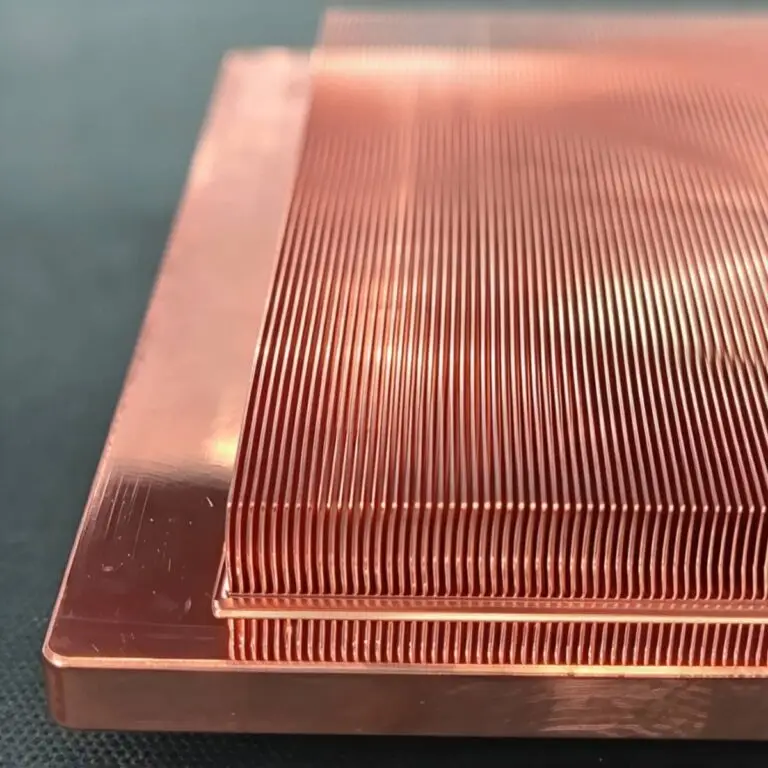
Diamond-Copper Thermally Conductive Composite. High thermal conductivity, tunable CTE, robust.
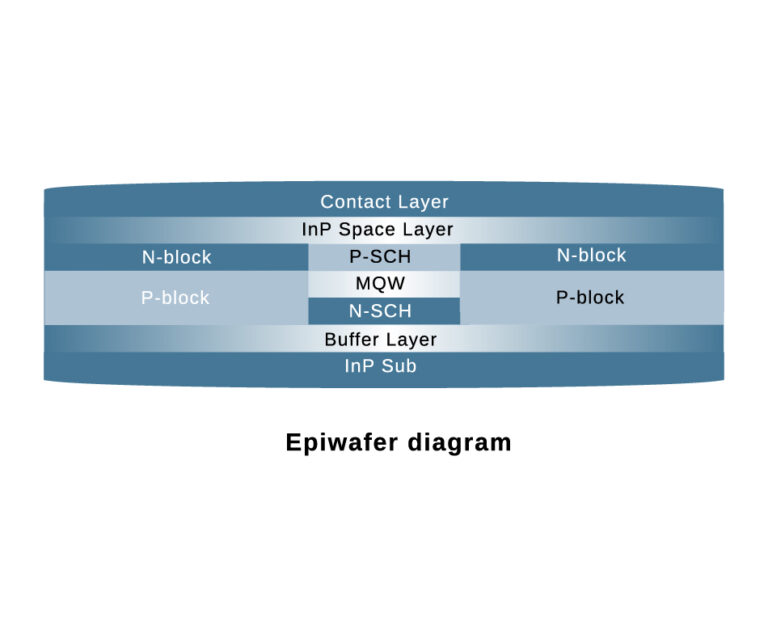
The DE-CW-1310 DFB EPI wafer, a high-performance epitaxial structure designed for distributed feedback (DFB) lasers operating at 1310 nm....
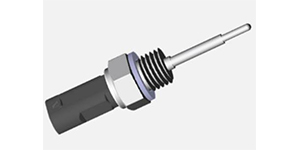
Ceramic thin-filmvacuum sensor Optical gas massflowmeter Liquid mass flowmeter Force sensor MEMS...
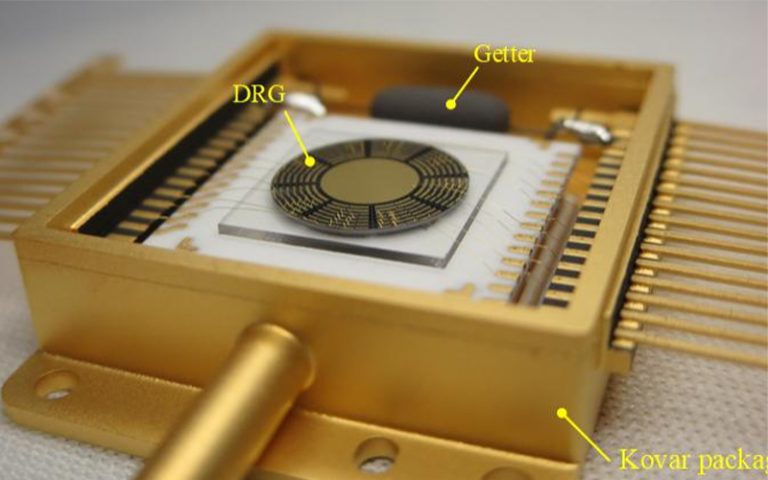
Photoelectric sensing chip Light source chips Optical transmission and modulationchips Optical detection and receptionchips...
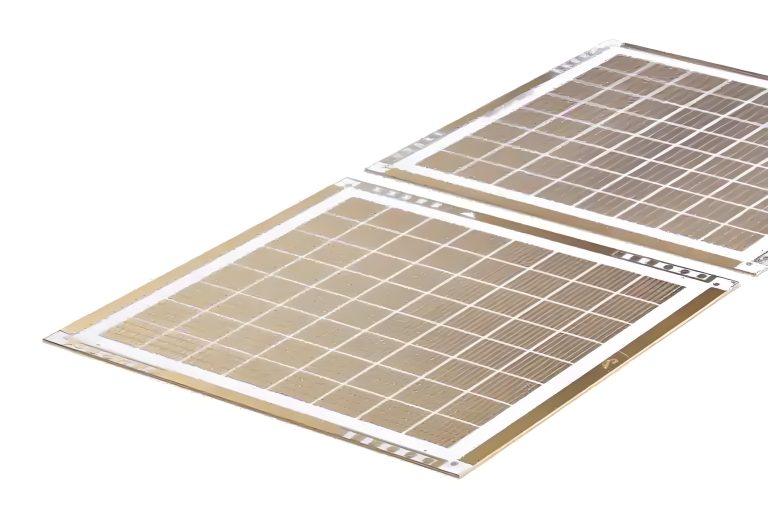
Using a“Detach Core”which has two-layers carrier foil structure on the surface as a core, and forming...
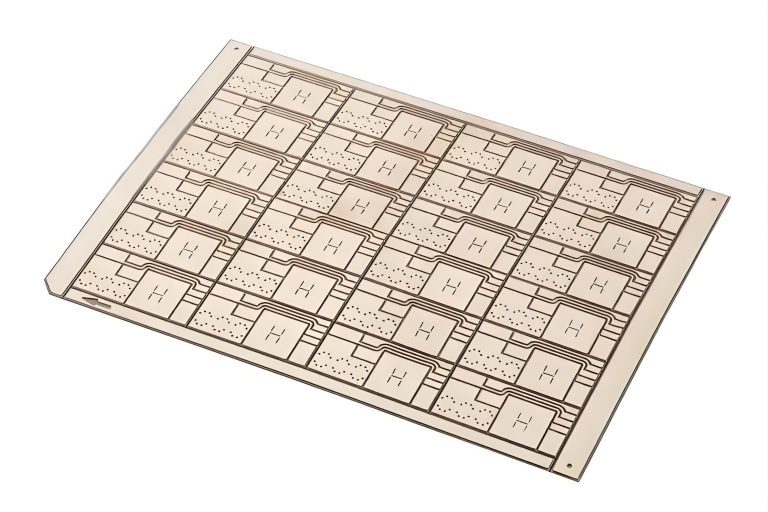
Tenting process is a kind of subtractive process, the process as follows: Laminating photosensitive film...
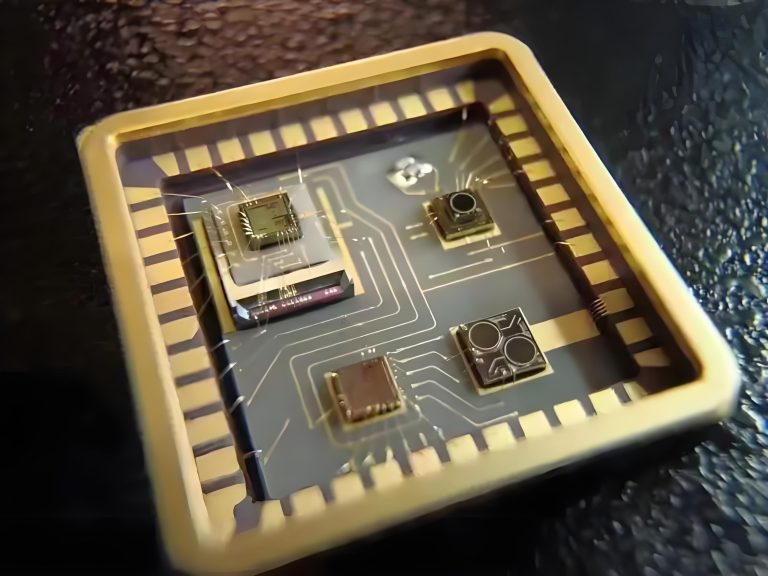
Modified Semi-Added Process abbreviated as mSAP, which can be used on the core or build-up layers, pattern...
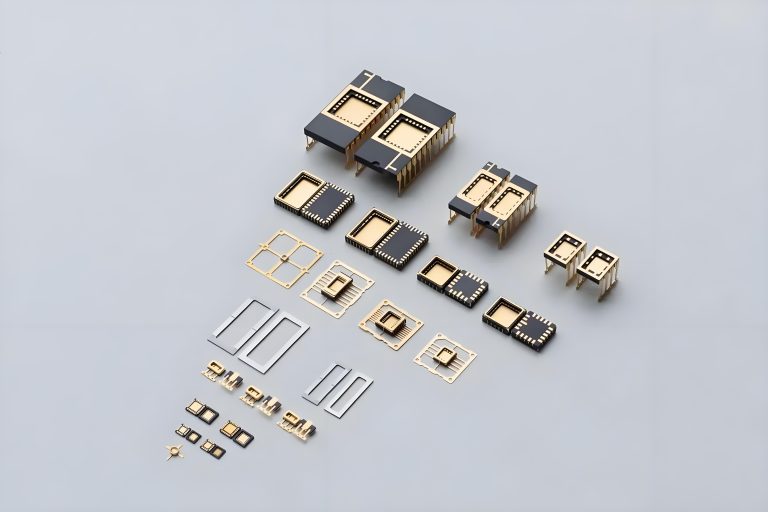
Semi-Added Process abbreviated as SAP, using on the build-up-layer pattern forming as follow:First depositing...
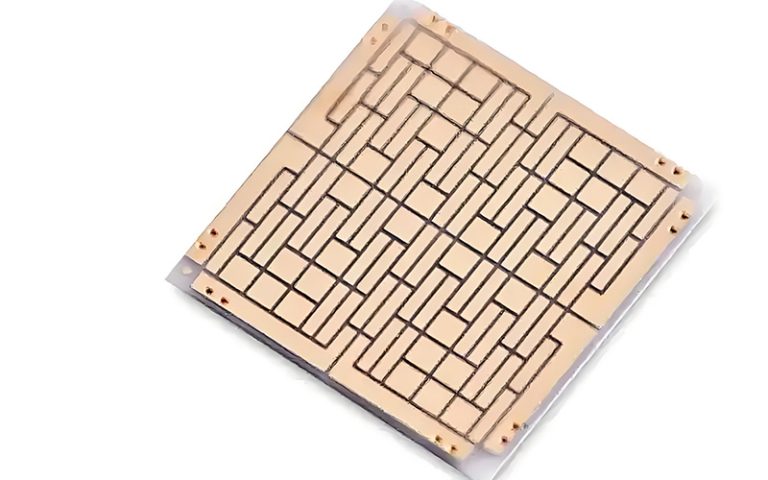
The product generally adopts the pressing lamination process of semi-curing sheets , and line formation...
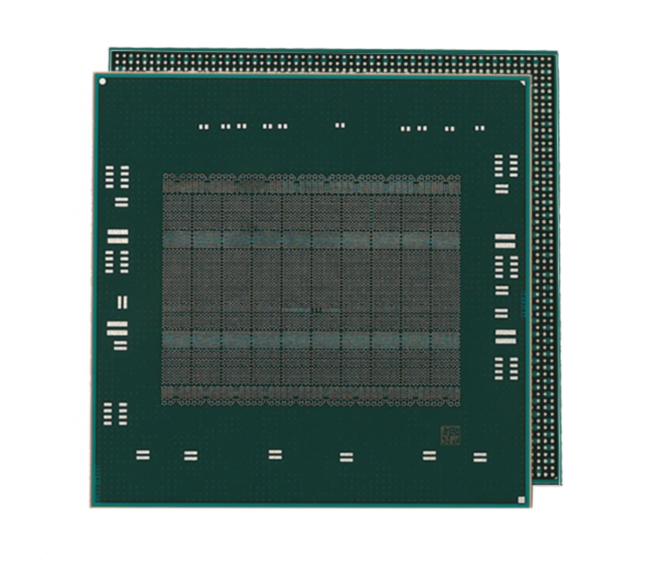
The products generally adopt the Build-up Film Lamination process, and the circuit formation uses the...