
The jump from a lab-proven 6G prototype to a market-ready item is often quite tough. In areas like aerospace and high-speed communication, speed typically gives way to dependability, yet the 2026 market shows no patience. If you hold an innovative design for a satellite transceiver or a high-altitude drone, time presses on. The main issue lies in discovering a production route that manages the delicate nature of Terahertz signals without stretching the schedule into years of testing and fixes.

Shifting to 6G involves frequencies that act more like light than usual radio waves. This change demands a full overhaul of hardware construction methods. Standard PCB materials or assembly methods no longer suffice since the room for mistakes has dropped to almost nothing. Scaling requires a collaborator who does not merely put parts together but truly understands the physics at the chip level.
For people handling this tricky change, DEEPETCH emerges as a focused leader. Founded in 2019, the company has grown from an expert in high-speed optical modules to a full IDM and EMS provider. They stand out as one of the few who produce both chips and modules. Moreover, they support more than 1,500 clients worldwide, with emphasis on dependable fields such as AI computing and aerospace. Their skill in managing tasks from 400G/800G liquid-cooling options to tailored 6G hardware positions them well for efforts that must expand quickly.
Entering the 6G and aerospace field means facing heat and signal degradation as primary foes. Common fiberglass boards fail in settings like space vacuum or thin high-altitude air. Thus, materials must remain firm and heat-resistant while minimizing electrical losses.
Signal degradation proves fatal at elevated frequencies. For this reason, numerous engineers turn to Alumina Ceramic Substrates in their main designs. These substrates deliver strong heat stability and minimal dielectric loss. As a result, they suit needs for maintaining a clear 6G signal across extended ranges.
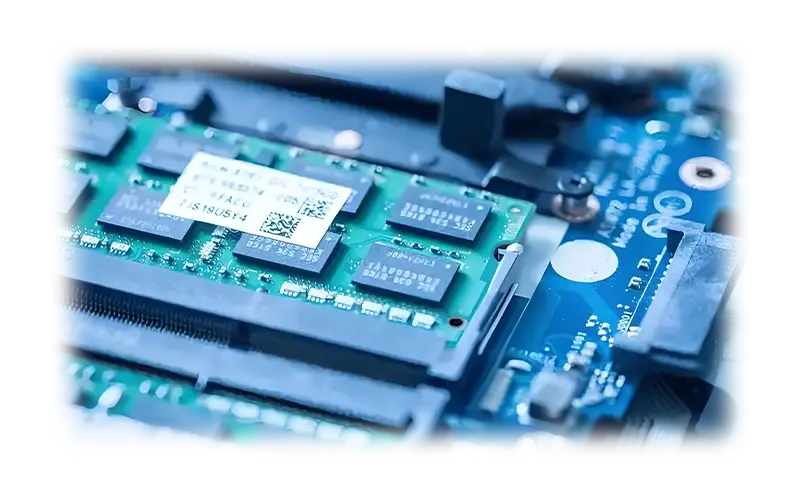
Room proves limited in current drones and satellites. Components shrink and produce more heat as a result. Gallium Nitride (GaN) serves as the preferred choice for power efficiency. It manages greater voltages and operates far more effectively than traditional silicon. Therefore, it proves vital for 6G Transceiver-TR modules that require cooling in confined spaces.
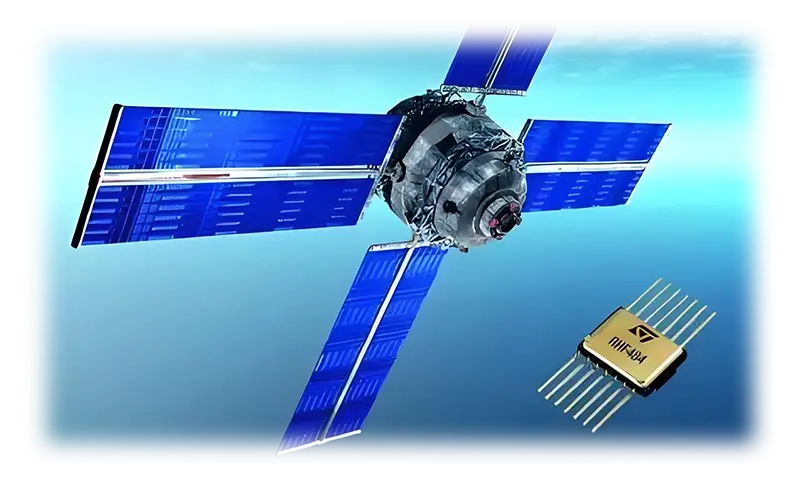
A prototype that succeeds on a lab table frequently falters in production due to issues like parasitic capacitance or small soldering differences. Therefore, engaging production specialists from the start ensures the design suits large-scale building. Without a firm Design for Manufacturing (DFM) plan, costly redesign cycles may trap you.
Smart EMS goes beyond automated lines. It involves a production process that feeds information back to designers. For stratosphere projects, circuits demand durability. Deepetch offers a distinct view since they oversee the entire hardware lifespan. Consequently, the move from digital plans to actual boards happens smoothly.
Aerospace hardware requires protection against radiation and wide temperature changes. Reliability extends beyond basic function to long-term performance, such as a decade in orbit. Skilled teams concentrate on these unique layouts. They safeguard high-frequency routes from disruptions.
Building a 6G transceiver calls for accuracy surpassing routine electronics. Parts like TR chips and optical links demand exact positioning to prevent signal weakening. Specialized production lines calibrate for these sensitive, dense boards. Thus, they ensure top performance.
Supply chain delays often hinder scaling efforts. An integrated device manufacturer approach provides direct access to parts. This cuts risks of shortages. It also guarantees that prototype chips match those in full production.
Speed demands a strong foundation. Pre-tested components and modules can trim months from timelines. Rather than building from zero, you stack upon validated bases that endured real-world checks in industry and data centers.
GaN becomes essential for 6G tasks in radar or satellite stations. It supplies the needed power density and frequency handling. In essence, it enables hardware that packs strength into compact forms suitable for flight.
Alumina ceramic substrates differ from typical boards. They resist warping under heat and form a stable base for fast chips. In severe space conditions, this sturdiness matches the importance of onboard software.
Designing every chip from scratch is not always necessary. Ready TR transceiver chips and modules for satellite links speed up testing. These units target failure-free operation. That assurance eases concerns for atmospheric launches.
In aerospace, one faulty link can lead to huge financial hits. Testing must permeate the entire process, not just final checks. Quality embeds itself at each stage.
Boards face harsh temperature cycles and shakes in tests. For orbital items, radiation protection gets close scrutiny. Components failing these factory trials will not endure stratospheric stresses.
A full record tracks every capacitor and chip. Standards like IATF 16949 and ISO 9001 support this traceability. In case of problems, origins and batches become clear.
Q1: Why is Gallium Nitride better than silicon for 6G applications?
A: GaN can handle much higher frequencies and power levels while generating less heat. This makes it perfect for the high-frequency demands of 6G where silicon usually starts to lose efficiency.
Q2: What makes Alumina Ceramic Substrates necessary for satellite circuits?
A: Space involves extreme temperature shifts. These substrates have a very low thermal expansion rate and excellent electrical insulation, so they won’t crack or leak signals when things get hot or cold.
Q3: Can a standard EMS provider handle 6G PCBA?
A: Usually, no. Standard providers lack the specialized equipment and the “chip-level” knowledge required to manage the signal integrity and material sensitivities of 6G hardware.
Q4: How does the IDM model speed up mass production?
A: Since the manufacturer controls the chip design and the supply, there are fewer delays caused by waiting for third-party components. It creates a much tighter feedback loop between design and manufacturing.
Q5: What certifications are needed for aerospace-grade electronics?
A: High-reliability manufacturing typically requires IATF 16949 for quality management and ISO 9001, along with specific protocols for ESD control and environmental traceability.
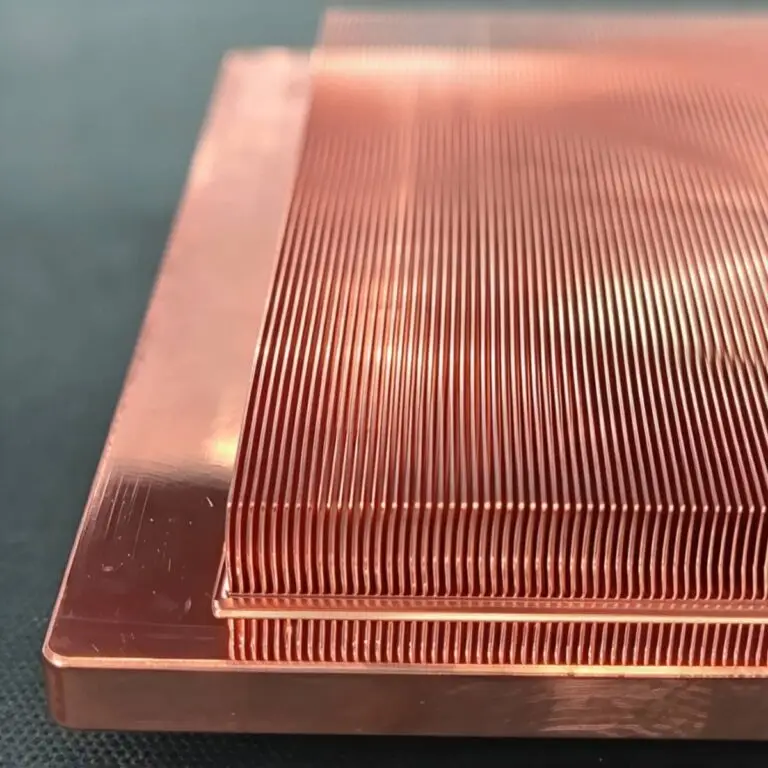
Diamond-Copper Thermally Conductive Composite. High thermal conductivity, tunable CTE, robust.
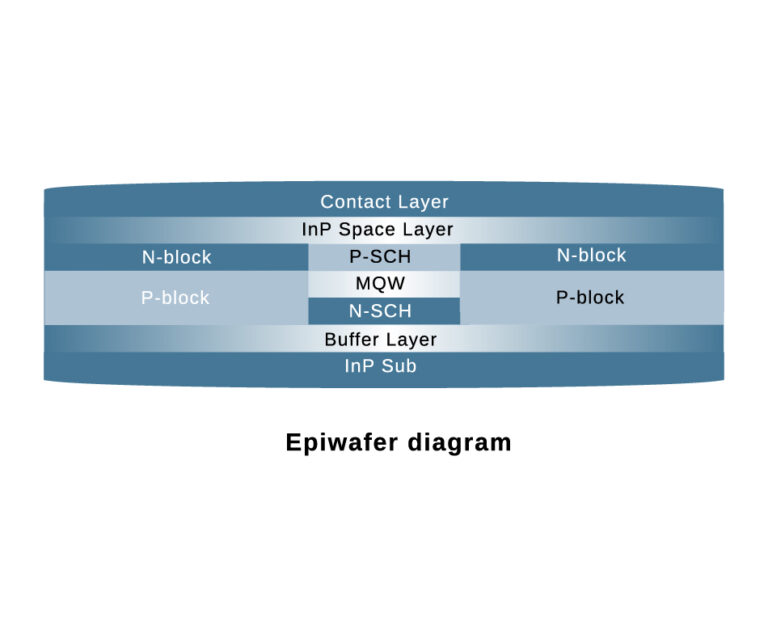
The DE-CW-1310 DFB EPI wafer, a high-performance epitaxial structure designed for distributed feedback (DFB) lasers operating at 1310 nm....
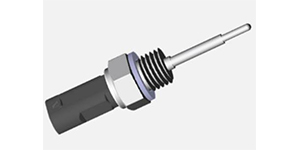
Ceramic thin-filmvacuum sensor Optical gas massflowmeter Liquid mass flowmeter Force sensor MEMS...
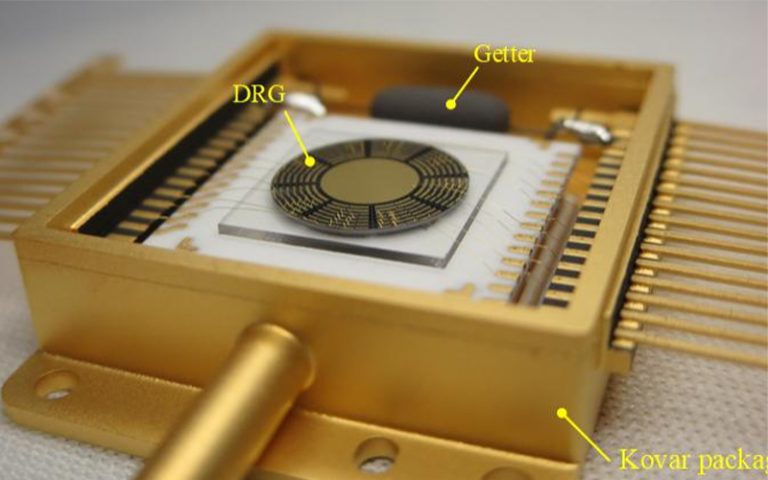
Photoelectric sensing chip Light source chips Optical transmission and modulationchips Optical detection and receptionchips...
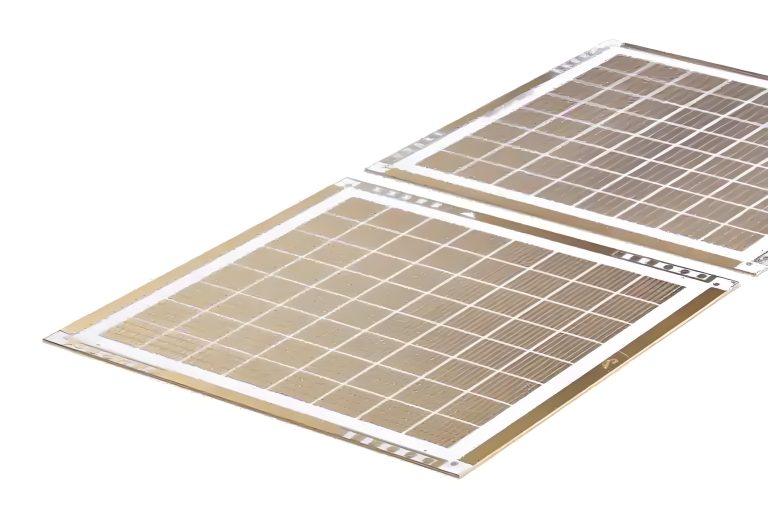
Using a“Detach Core”which has two-layers carrier foil structure on the surface as a core, and forming...
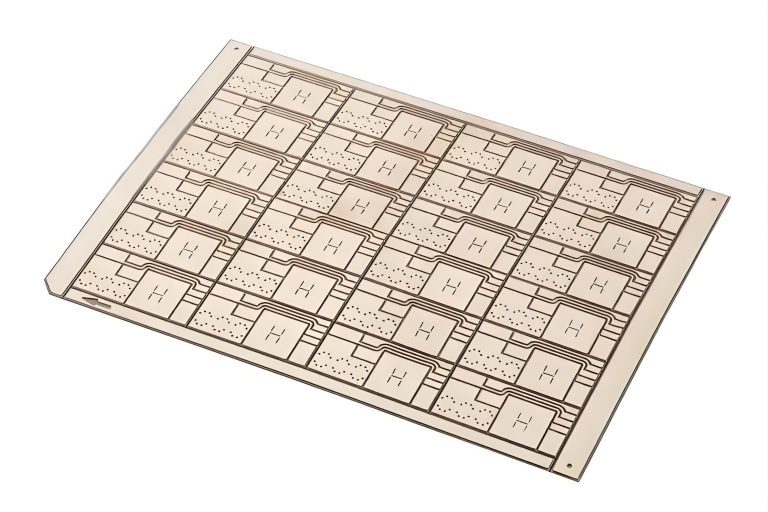
Tenting process is a kind of subtractive process, the process as follows: Laminating photosensitive film...
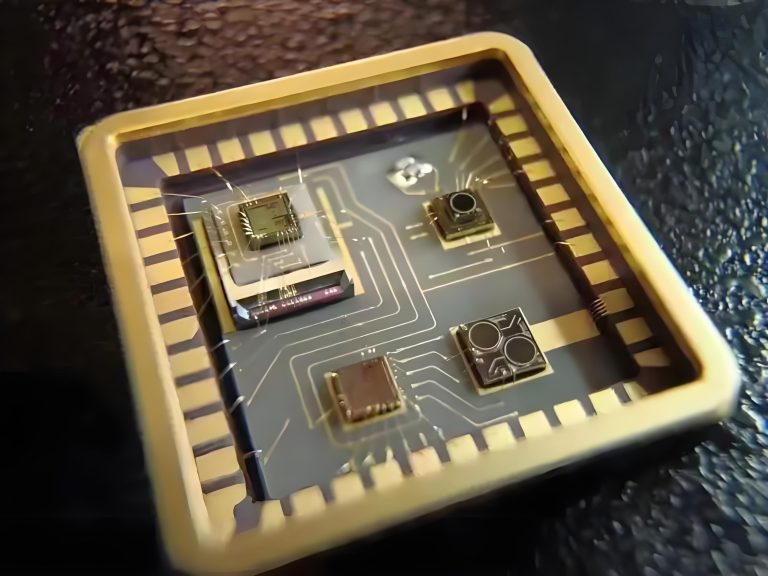
Modified Semi-Added Process abbreviated as mSAP, which can be used on the core or build-up layers, pattern...
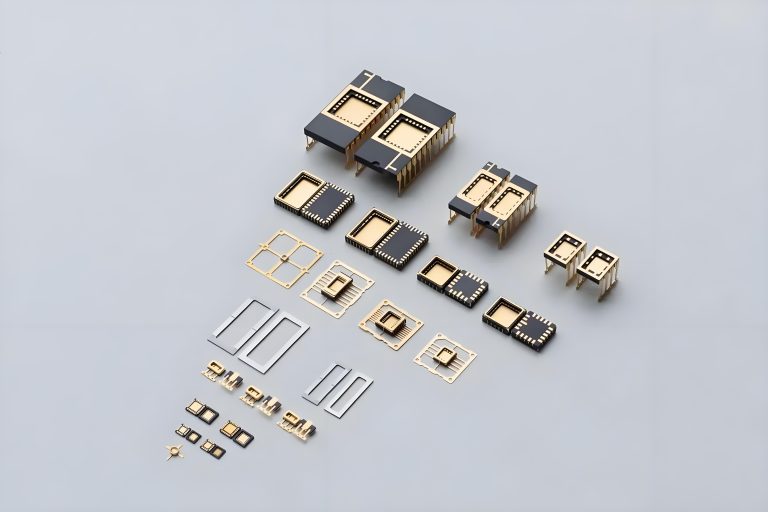
Semi-Added Process abbreviated as SAP, using on the build-up-layer pattern forming as follow:First depositing...
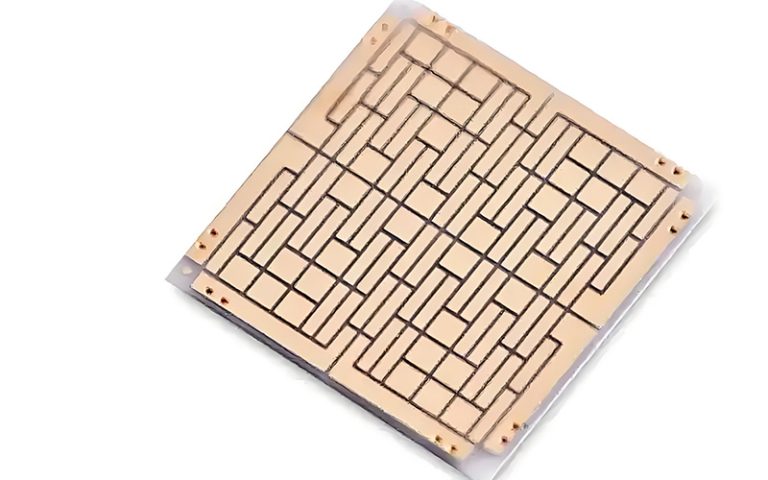
The product generally adopts the pressing lamination process of semi-curing sheets , and line formation...
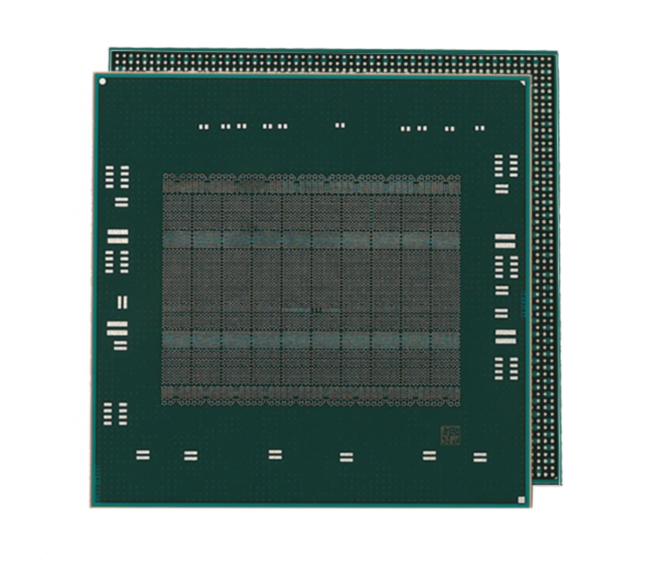
The products generally adopt the Build-up Film Lamination process, and the circuit formation uses the...