
In the harsh vacuum of space or the fast-moving air of a drone flight, heat acts as more than a minor issue; it destroys systems. When you design flight control setups or satellite communication gear, the heat pattern of your PCBA controls factors like signal quality and device longevity. Common cooling approaches usually do not work well. They add excess weight or break down in wide temperature changes. This guide explains ways to keep your circuits at safe temperatures without extra mass. Thus, your important hardware can endure tough conditions.

Any heat plan begins with the board material. If you choose a base that holds heat, even strong fans or sinks cannot protect your parts. In aerospace and advanced electronics, the main aim is to shift heat from the silicon quickly. Here, DEEPETCH, a specialist in integrated device manufacturing and high-speed optical solutions since 2019, serves as a key ally. They focus on delivering fresh products for international data centers and aerospace users. Their range includes 400G/800G liquid-cooled transceivers and tailored EMS services that stress heat steadiness.
Aluminium Nitride (AlN) stands out since it provides strong heat transfer along with excellent electrical isolation. This combination makes Aluminium Nitride (AlN) ideal for space circuits. In those setups, you must remove heat fast without risks of electrical issues or shorts in close spaces. Therefore, it supports reliable performance in limited areas.
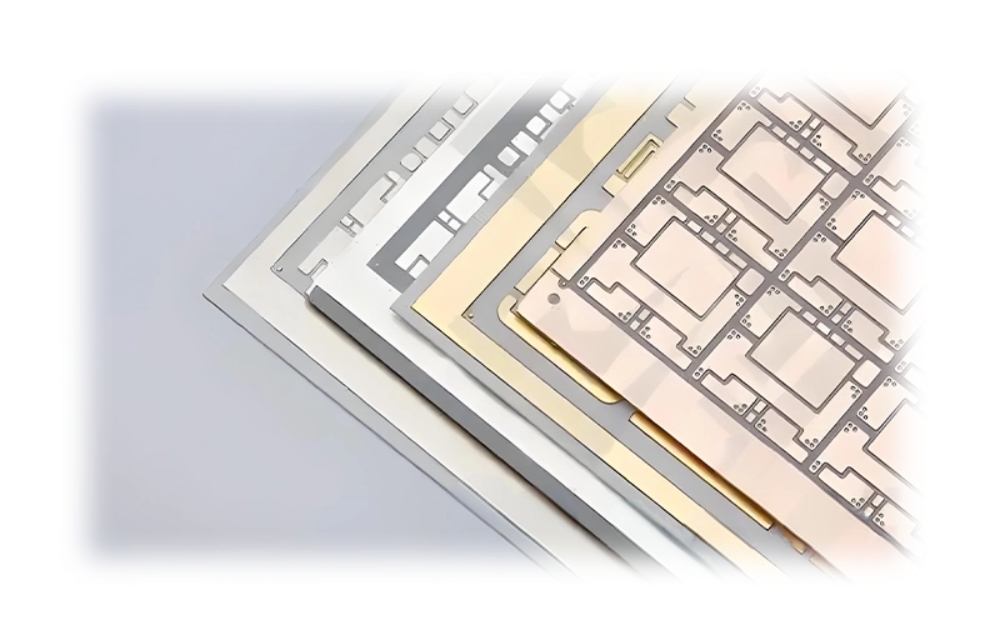
When power amplifiers or TR modules generate much heat, a Copper Substrate works like a direct heat path. It draws heat from the origin and spreads it over the board surface. This helps UAV flight controllers that depend on simple cooling during quick movements. As a result, it prevents failures in active scenarios.
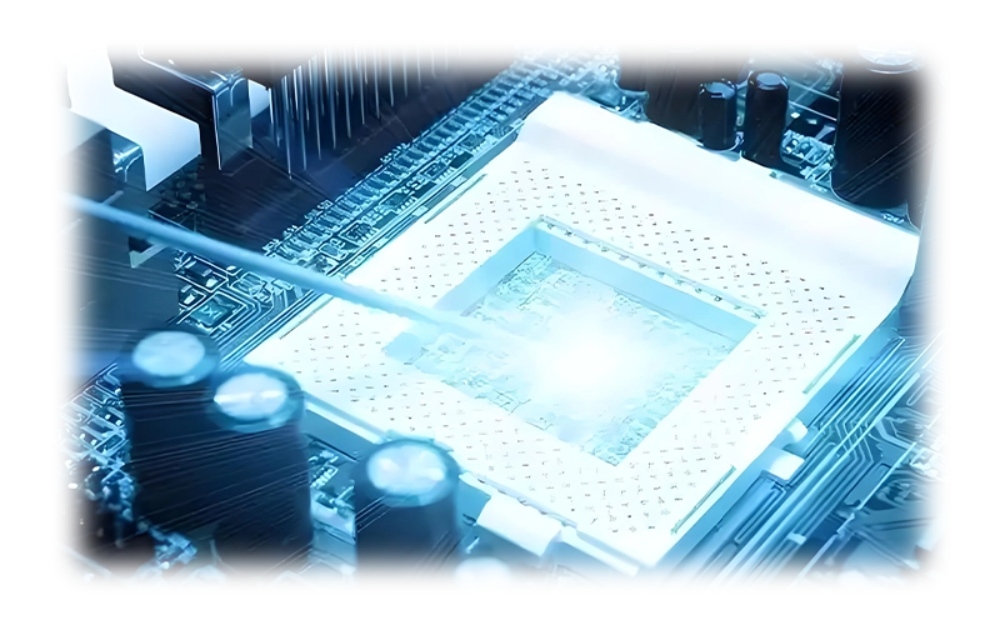
Good heat control involves more than shifting heat; it means avoiding its buildup at the start. Selecting parts that manage high frequencies with low waste cuts the total heat burden on your setup. This holds true for upcoming 6G gear and satellite links.
Current TR (Transmit-Receive) modules for 6G must process large data flows. Higher speeds often produce extra heat. However, using modules with direct bandgap materials like Gallium Arsenide (GaAs) boosts electron flow and lowers energy use. Consequently, the transceiver runs cooler than typical silicon options. This keeps operations smooth in demanding applications.
Combining functions reduces hot areas at solder points of separate parts. Reliable radar modules pack several tasks into one unit. This shortens the heat route and helps forecast heat movement in your flight control setup. Thus, it improves overall system control.
In aerospace, each added gram counts against you. You need a balance where cooling prevents overheating yet stays light for UAV or satellite limits. Designers face this challenge, but fresh production methods simplify the task.
Rather than attaching heavy metal pieces, consider micro-channel cooling embedded in PCB layers. This setup allows liquid cooling, much like in 800G high-speed modules, to pass through the board. It removes heat from inner layers that air cannot touch. Therefore, it offers effective cooling in compact designs.
Applying thin film deposition lets you add conductive layers at a tiny scale. These create slim, effective heat links that take the place of thick, heavy pads. They save weight and enhance heat flow from chip to base. As such, they boost efficiency without added bulk.
Design for Manufacturing (DFM) aids greatly in hot conditions. You cannot simply place parts on a board and expect success. Instead, plan layouts that consider heat flow in vacuum or high places. This smart use of space ensures better results.
A network of thermal vias proves effective for heat relief. These copper-filled openings serve as upright heat channels. They move energy from top parts to the bottom or a heat plane. This proves vital without fan support. Hence, it maintains stability in restricted setups.
In a small UAV, aircraft motion can aid cooling. Position high-heat parts near board edges or air entry routes. This lowers working temperatures by a few degrees without extra gear. Consequently, it supports performance during flights.
Off-the-shelf boards often miss the strict “Zero-Failure” standards for space tasks. Extreme heat shifts, from intense sun to cold shade, demand production matched to those pressures.
Custom EMS experts assist in picking resins and foils with similar thermal expansion rates. This avoids board bending or joint breaks during rapid temperature rises. Such choices ensure durability in variable conditions. Therefore, they extend hardware life.
Reliability forms a core need, not just a term. Boards must face thorough heat cycle and shake tests. These confirm that 6G transceivers and sensors remain secure and active across the full mission. This process builds confidence in the design.
Fast signals create heat via material loss, a key issue in 6G and satellite connections. Proper interconnects and materials keep data clear and parts at safe heat levels.
GaAs materials excel here with low noise and heat at high frequencies compared to silicon. They suit solar cells and spacecraft due to radiation tolerance and heat firmness. These qualities make them essential in critical areas. Thus, they support long-term use.
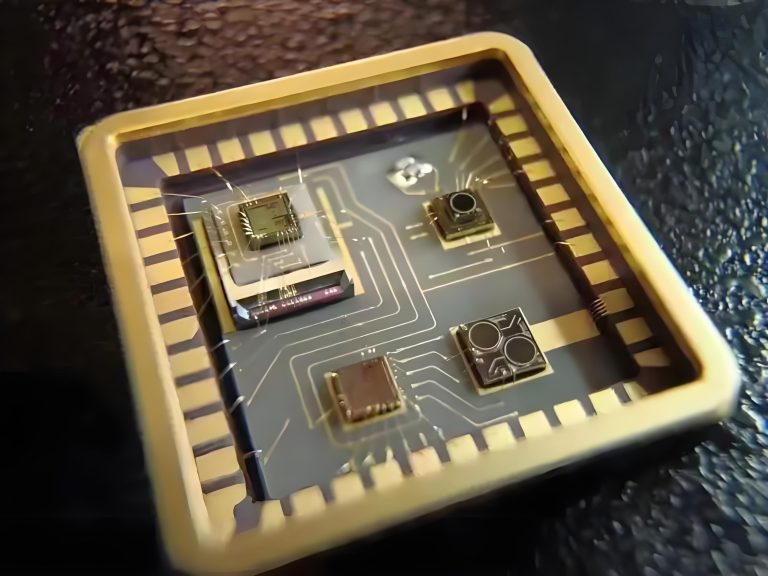
Effective management requires measurement. Embedding MEMS sensors for pressure and temperature in the PCBA tracks system health. If a TR module heats up, the setup can cut power or tweak cooling to avoid harm. This proactive step protects key elements.
A missing part can stop a project quickly. Amid global shortages, a partner with ready stock for vital items matches the importance of your design.
A solid chips in stock setup avoids long waits for dependable semiconductors. You gain quick access to NTC temperature sensors or high-speed transceivers. This keeps research on schedule and lines active. As a result, it speeds up progress.
Teaming with a specialist familiar with IATF 16949 and ISO 9001 standards offers assurance. They deliver knowledge to change parts or refine layouts for 2026 norms. This keeps flight systems ahead. Therefore, it fosters ongoing success.
Q1: Why is Aluminium Nitride better than standard ceramic for space circuits?
A: Aluminium Nitride offers a thermal conductivity that is significantly higher than standard alumina, and it matches the thermal expansion of silicon much better, reducing stress on chips during temperature changes.
Q2: Can I use liquid cooling in a small UAV?
A: While traditional liquid cooling is heavy, micro-channel liquid cooling integrated into the PCBA layers can provide massive heat dissipation with very little weight, similar to modern 800G optical module tech.
Q3: How does 6G technology impact thermal management?
A: 6G operates at higher frequencies which generally leads to more dielectric loss and heat; using materials like GaAs and optimized TR modules is essential to keep these systems from overheating.
Q4: What is the benefit of a Copper Substrate over a standard PCB?
A: A Copper Substrate provides an immediate, low-resistance path for heat to leave high-power components, which is much faster than the heat transfer through fiberglass-based FR4 boards.
Q5: Does thin film deposition really help with cooling?
A: Yes, by creating a more uniform and thinner interface between components and heat sinks, it removes the air gaps that often act as insulators, greatly improving the efficiency of the thermal path.
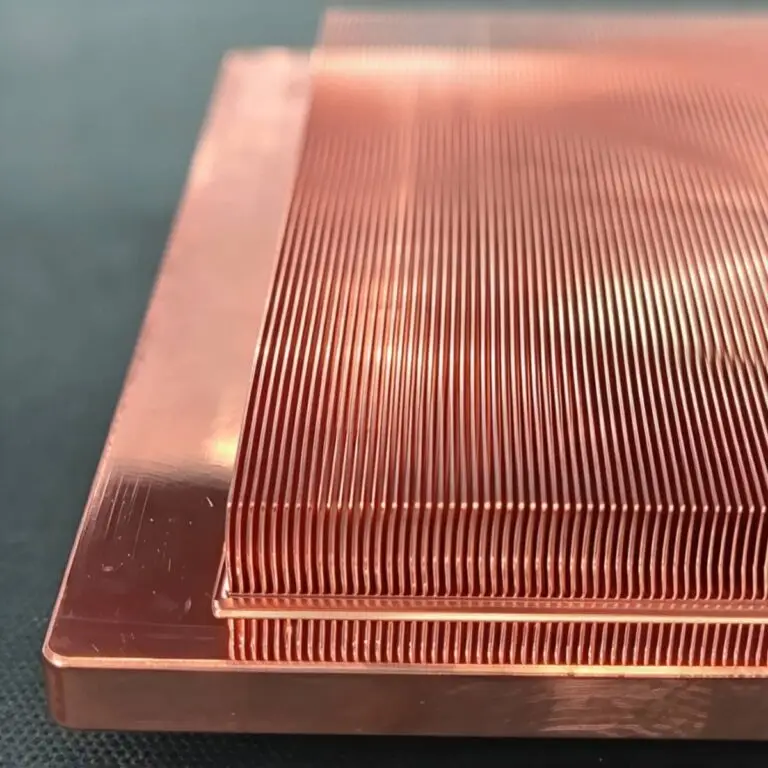
Diamond-Copper Thermally Conductive Composite. High thermal conductivity, tunable CTE, robust.
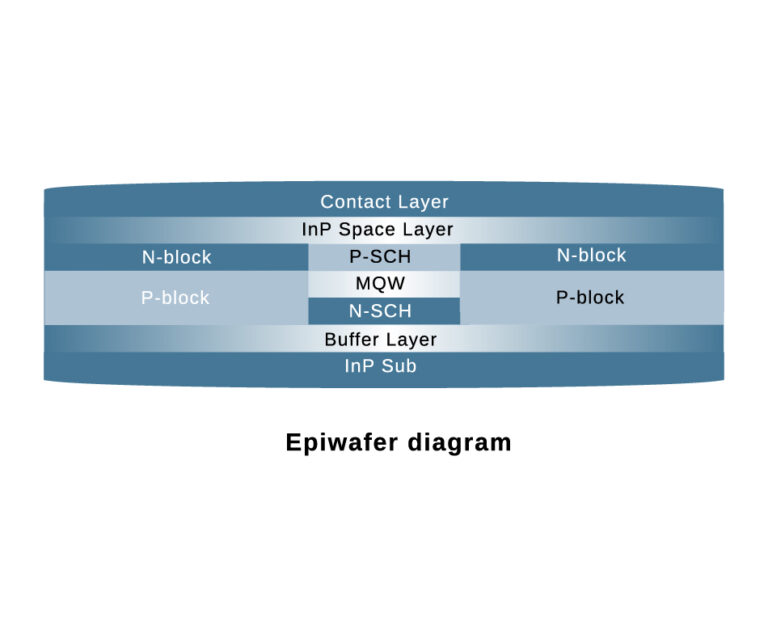
The DE-CW-1310 DFB EPI wafer, a high-performance epitaxial structure designed for distributed feedback (DFB) lasers operating at 1310 nm....
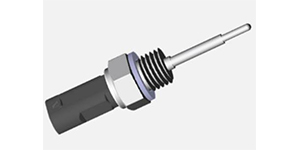
Ceramic thin-filmvacuum sensor Optical gas massflowmeter Liquid mass flowmeter Force sensor MEMS...
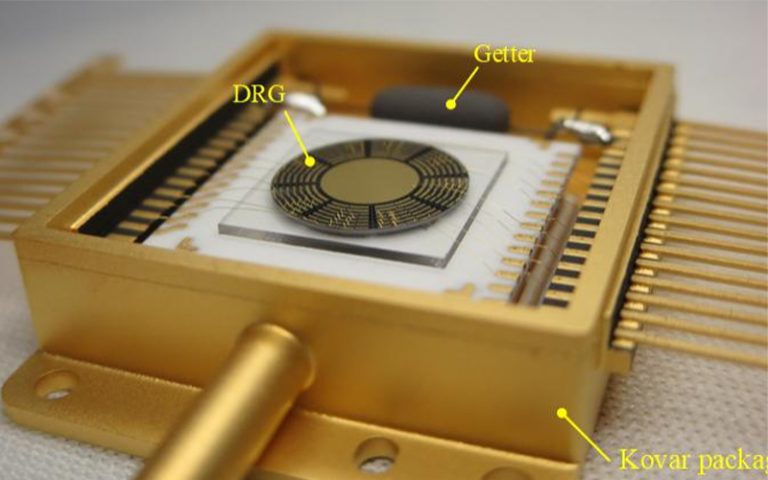
Photoelectric sensing chip Light source chips Optical transmission and modulationchips Optical detection and receptionchips...
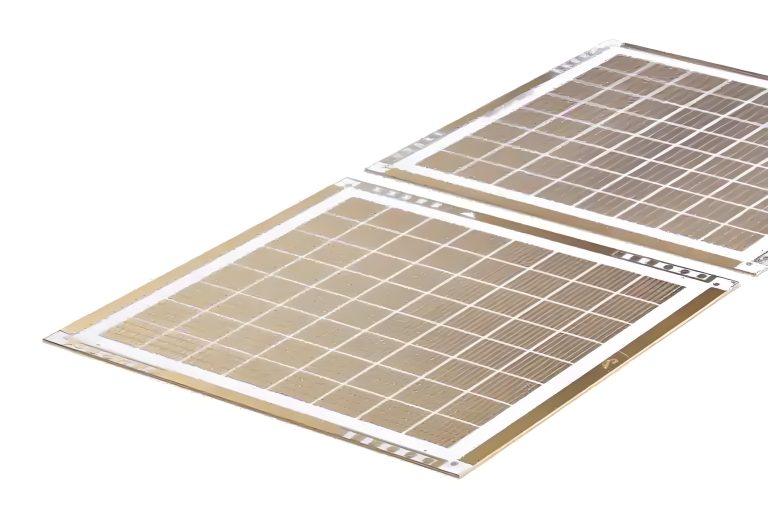
Using a“Detach Core”which has two-layers carrier foil structure on the surface as a core, and forming...
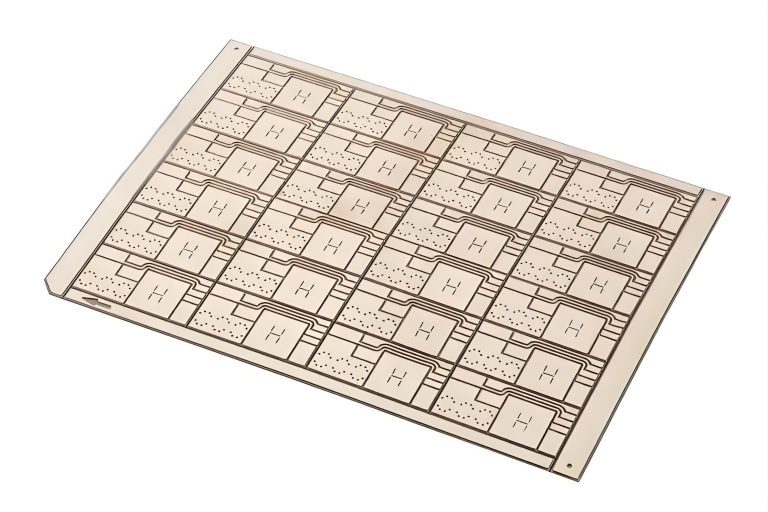
Tenting process is a kind of subtractive process, the process as follows: Laminating photosensitive film...
Modified Semi-Added Process abbreviated as mSAP, which can be used on the core or build-up layers, pattern...
Semi-Added Process abbreviated as SAP, using on the build-up-layer pattern forming as follow:First depositing...
The product generally adopts the pressing lamination process of semi-curing sheets , and line formation...
The products generally adopt the Build-up Film Lamination process, and the circuit formation uses the...