
Optical communication delivers fast data transfer for ground links, beating old-school radio frequency (RF) methods with bigger bandwidth and less delay. Satellite data is instantly available between cities. But atmospheric turbulence, absorption and scattering distort or weaken the signal, making everything a mess. These hurdles can ruin your high-speed plans. Thankfully, new tech and special chips are stepping up. Silicon, the go-to for most chips, has a 1.12 eV bandgap, balancing low leakage and quick switching, per semiconductor studies. Gallium arsenide (GaAs) rocks high-frequency tasks with its 8500 cm²/(V·s) electron mobility, perfect for lasers and photodetectors. DEEPETCH helps you beat these air-related issues. This article explores how to tackle those barriers and why special chips are your ticket to solid optical links.

Shooting a laser through the air isn’t easy. It’s like shining a flashlight through thick fog. Turbulence, absorption, and scattering are the main troubles messing with your signal. Knowledge bases say these factors bend light, cut signal strength, or scatter beams. This affects everything from phone networks to satellite connections. Fixing these is key for fast, far-reaching communication.
Turbulence comes from air temperature or pressure shifts. It bends laser beams and causes signal errors. This can make your data shaky, especially over long distances.
Water vapor and gases like CO₂ soak up certain wavelengths. This weakens your signal. For example, infrared signals often get absorbed, cutting down range and clarity.
Dust, pollen, or smog scatters light. It spreads your beam and causes signal loss. This is a big deal in cities or dusty areas with lots of particles.
Turbulence acts like a wobbly hand holding your laser. It makes the beam dance or blur, hurting signal quality. Semiconductor research notes that this issue, called scintillation, can mess up data in high-speed links. If you’re setting up a ground link for real-time tasks, turbulence is a pain you can’t ignore. Special sensors and optics can help you out.
Beam wander makes the laser stray off course. Scintillation causes signal strength to flicker. Both are caused by air swirls and can tank your signal-to-noise ratio.
Adaptive optics use flexible mirrors to fix beam distortions fast. They sense wavefront errors and steady the signal. This makes your link more reliable.
DEEPETCH’s high-accuracy sensors spot turbulence changes. They feed data to adaptive optics. Built with silicon’s heat resistance (melting point 1414°C), these chips work great in tough conditions.
Absorption by air gases can drain your signal’s power, especially at some wavelengths. It’s like yelling across a noisy room; some words just vanish. Semiconductor studies suggest picking the right wavelength and laser can help a lot. You need tools to keep your signal strong over long stretches.
Picking wavelengths less absorbed by water vapor, like near-infrared, boosts transmission. The 1550 nm wavelength is a good pick. It avoids major absorption zones.
High-power laser diodes, often made with GaAs for its direct bandgap, send out steady, strong beams. These keep signals clear even through absorbing air.
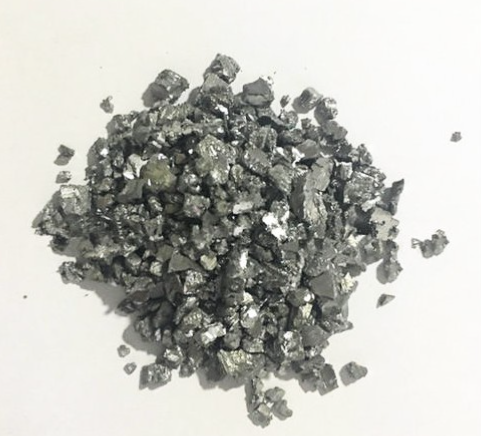
DEEPETCH’s chips for optical applications use GaAs’s speedy electron mobility (8500 cm²/(V·s)). They power efficient lasers and photodetectors. This helps your signal push through absorption with little loss.
Scattering is like the air tossing glitter in your beam’s path. Particles like dust or aerosols spread light, weakening your signal. Research on semiconductors says scattering is a big issue for high-frequency optical systems. If you’re building a link in a dusty area, you need tech to fight this.
Mie scattering comes from bigger particles. Rayleigh scattering comes from tiny molecules. Both cut signal strength. Mie scattering is worse in foggy or polluted spots.
Shaping the laser beam, like using Gaussian shapes, cuts scattering losses. Tight beams keep signal strength over distance. This is vital for your link’s performance.
DEEPETCH’s communication chips use GaAs for low noise and high gain. They support strong signal processing. Their sensors spot scattering effects, letting you adjust for clearer signals.
Adaptive optics is your ace in the hole against air chaos. It tweaks distortions on the fly, keeping your signal sharp. Semiconductor knowledge says pairing sensors with optics is crucial. For your ground link, this tech can mean the difference between choppy and smooth data flow.
Wavefront sensors catch beam distortions from turbulence or scattering. They guide optics to reshape the beam. This keeps the signal focused and strong.
Real-time systems adjust for air changes instantly. Your link stays steady, even when weather shifts. This is key for things like satellite ground stations.
DEEPETCH’s sensor chips are built for precision. They work smoothly with adaptive optics. Using silicon’s super-pure (99.9999999%) nature, these chips give accurate data for fast fixes, improving your link’s dependability.
New tech is making optical communication better, pushing ground links forward. From hybrid systems to fancy chip designs, these tools tackle air barriers directly. If you’re looking at cutting-edge solutions, semiconductor advances are clearing the path for your success.
Free-space optical (FSO) systems use lasers for big-bandwidth links. New tricks, like better modulation, boost data speeds. This makes FSO perfect for your high-speed needs.
Mixing RF and optical systems gives you a backup plan. When air conditions mess with optical signals, RF steps in. This keeps your link running without a hitch.
DEEPETCH’s ready-to-go chips support optical and communication tasks. Their GaAs-based photodetectors and silicon sensors make fast, reliable setups easy for your projects.
When fighting air barriers, you need a solid partner. DEEPETCH leads in semiconductor solutions for optical communication, aerospace, and communications. Their IDM model syncs design and manufacturing, delivering custom chips with silicon’s 1.12 eV bandgap for stability and GaAs’s high electron mobility for speed.

DEEPETCH’s history in aerospace and optical systems means chips that handle tough environments. They deliver top performance for your optical links.

Their tailored chips, like pressure and optical sensors, tackle specific air challenges. This keeps your system working under turbulence or scattering.
DEEPETCH’s solid supply chain delivers chips fast. Their tech support helps you set up projects easily, making your deployment smooth.
Q1: Why is optical communication better than RF for ground links?
A: Optical communication gives you bigger bandwidth and less delay than RF. It supports faster data for things like telecom or satellite links.
Q2: How does turbulence mess with optical signal quality?
A: Turbulence causes beam wander and scintillation. These distort the laser path and make signals unreliable, especially over long stretches.
Q3: Can picking the right wavelength cut down on absorption?
A: Yes, wavelengths like 1550 nm dodge water vapor absorption. This boosts signal strength and range.
Q4: How do sensors help beat air barriers?
A: Sensors spot turbulence and scattering. They send data to adaptive optics for quick fixes, keeping optical communication steady.
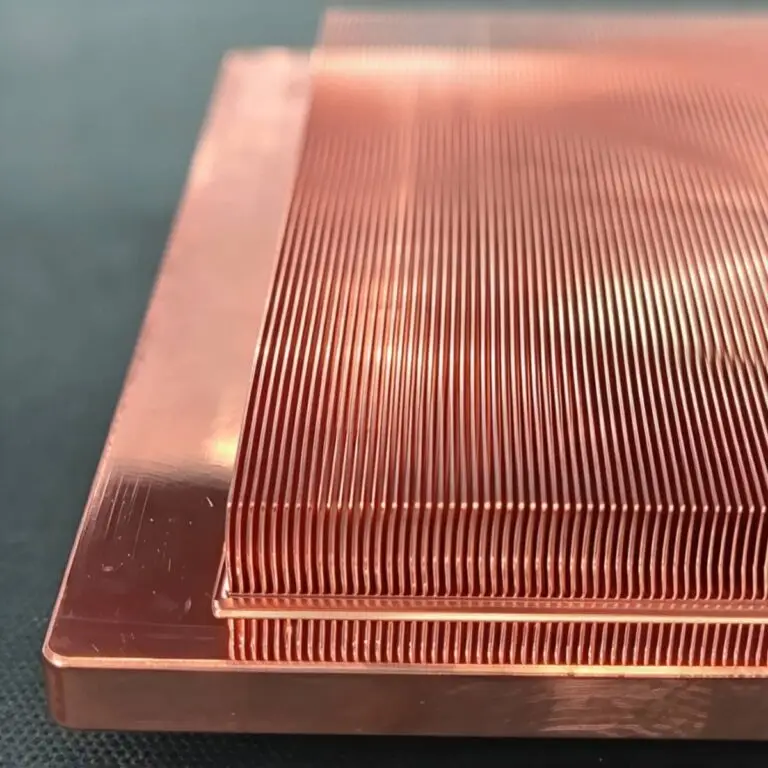
Diamond-Copper Thermally Conductive Composite. High thermal conductivity, tunable CTE, robust.
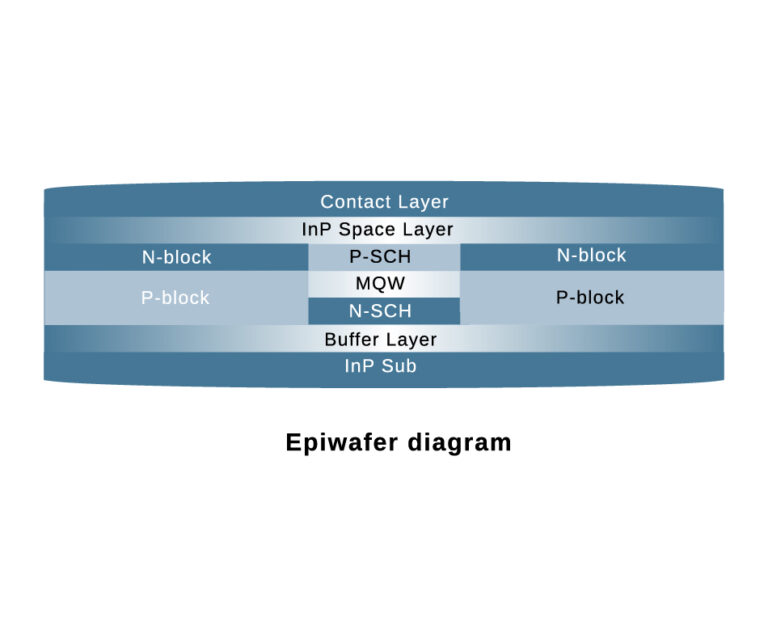
The DE-CW-1310 DFB EPI wafer, a high-performance epitaxial structure designed for distributed feedback (DFB) lasers operating at 1310 nm....
Ceramic thin-filmvacuum sensor Optical gas massflowmeter Liquid mass flowmeter Force sensor MEMS...
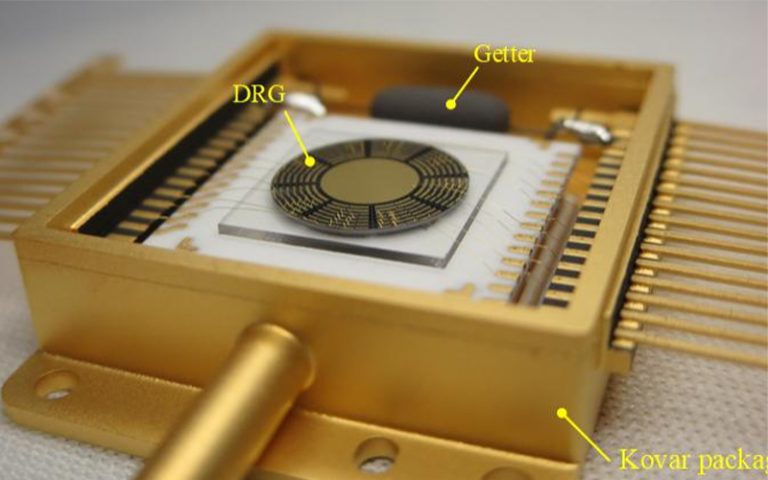
Photoelectric sensing chip Light source chips Optical transmission and modulationchips Optical detection and receptionchips...
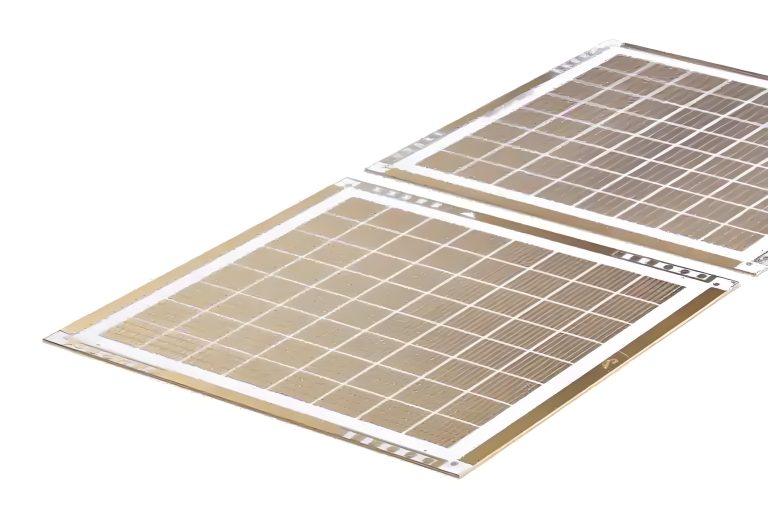
Using a“Detach Core”which has two-layers carrier foil structure on the surface as a core, and forming...
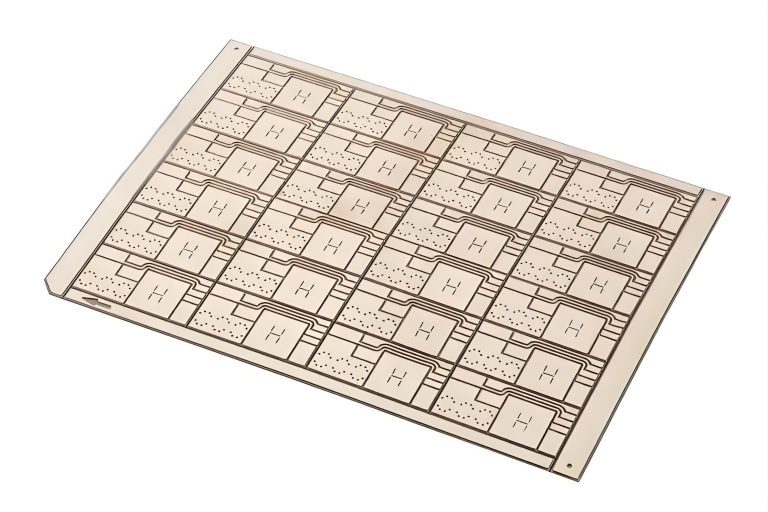
Tenting process is a kind of subtractive process, the process as follows: Laminating photosensitive film...
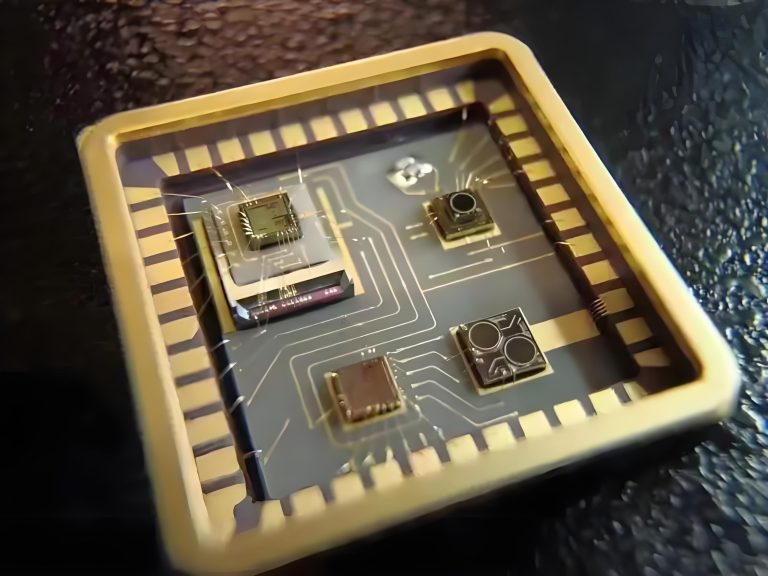
Modified Semi-Added Process abbreviated as mSAP, which can be used on the core or build-up layers, pattern...
Semi-Added Process abbreviated as SAP, using on the build-up-layer pattern forming as follow:First depositing...
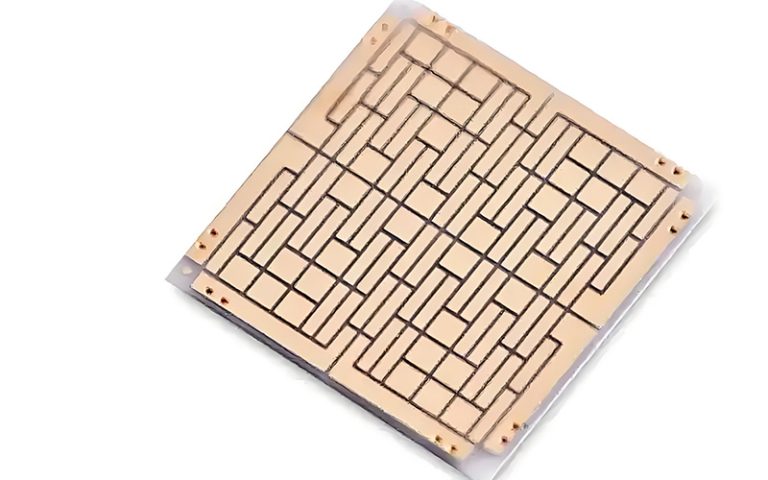
The product generally adopts the pressing lamination process of semi-curing sheets , and line formation...
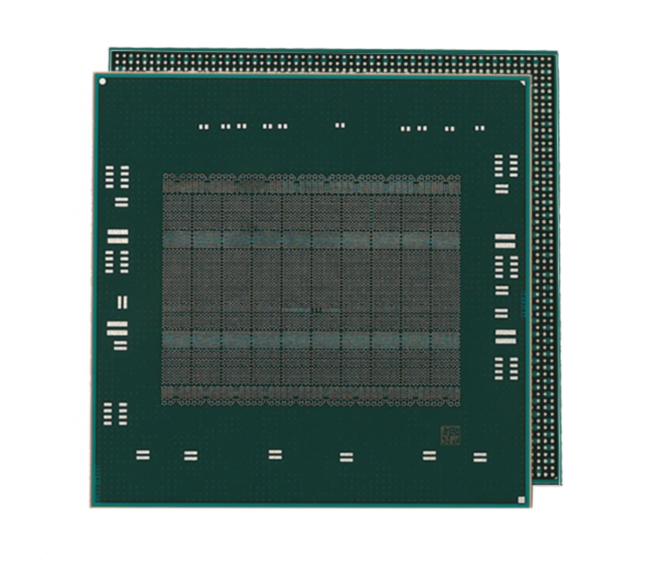
The products generally adopt the Build-up Film Lamination process, and the circuit formation uses the...