
Thin film deposition is super important in fields like materials science and electronics. Two common ways to do it are drop casting and spin coating. Drop casting is easy and cheap, but it often makes uneven layers. This makes it good for early tests. Spin coating, on the other hand, creates smooth, even films using spinning force. It’s perfect for precise work, like making semiconductors or OLEDs. While drop casting is great for quick experiments, spin coating is reliable and works well for big projects. DEEPETCH’s spin coating machines improve accuracy with settings you can change and the ability to work with different surfaces. This makes spin coating the best choice for top-quality thin films.
Thin film deposition means putting a very thin layer of material—sometimes just a few nanometers or micrometers thick—onto a surface. This process is a big deal in electronics and nanotechnology. The method you choose changes how good, even, and useful the film is.
Drop casting and spin coating are two popular ways to use liquid solutions for this. They work in different ways. They also control the film’s shape differently and fit different needs for accuracy.
When working with tiny things, even small mistakes can cause huge issues. If you’re building sensors, optical coatings, or electronics, you need layers that are the same thickness every time. Uneven films can mess up devices. They might not work right because their electrical or light-related properties are off.
Spin coating gives you better control than simple methods like drop casting. That’s why labs and companies pick advanced tools to get steady, trustworthy results.
Drop casting is a super simple way to make thin films. You take a liquid with your material in it and drop it onto a surface. The liquid dries on its own, leaving a solid layer behind.
You don’t need much to do this—just a pipette or syringe. There’s no tricky setup. It’s often used in early research when you want to test things quickly rather than make them perfect.
Drop casting is popular because it’s cheap and easy. You don’t need fancy machines or special training. It’s awesome for early tests where you’re trying out new materials or ideas.
But this ease comes with some problems.
Drop casting often makes films that aren’t even. The liquid dries at different speeds in different spots. This leads to layers with different thicknesses and rough surfaces. Getting the same result every time is hard unless you control things like temperature or humidity very carefully.
These issues make drop casting less great for projects that need high precision or big production.
Spin coating fixes many of drop casting’s problems. You put a small drop of liquid on a surface. Then, you spin it fast—anywhere from 500 to 12,000 RPM. This makes films that are 10 nanometers to 10 micrometers thick. They’re even within ±2–5% across a 4-inch wafer (Materials Today: Proceedings, 2023, DOI: 10.1016/j.matpr.2023.03.125). The spinning force spreads the liquid smoothly. The solvent dries quickly, too.
This active method makes films that are steady and well-controlled.
Spin coating lets you adjust things like how fast it spins, how quickly it speeds up, and how long it spins. These settings change the film’s thickness and texture. By tweaking them, you can get the same results on many surfaces.
Unlike drop casting, spin coating uses spinning to avoid issues like uneven drying or clumping. This makes surfaces smoother and edges cleaner. These are super important for things like OLEDs, solar panels, or tiny fluid chips.
When picking between drop casting and spin coating, you need to think about more than just money:
Spin coating is way better than drop casting for making even films with exact thickness. Drop casting often makes layers that vary because drying isn’t consistent.
Spin coating’s even structure helps devices work better electrically or with light. Drop casting’s uneven surfaces can cause problems like weak spots or less efficiency, which hurts performance.
Drop casting is okay for small tests, but it’s hard to make it consistent for big projects. Spin coating, with machines you can program, is much easier to use for large-scale work.
Each method has its place:
Drop casting is great for early research when you need to move fast or don’t have much money. It’s also good for thick, sticky liquids that don’t spread well when spun.
For projects that need steady results—like masks for photolithography or semiconductor thin-film layers—spin coating is the way to go. It gives repeatable results, which is key for labs and factories.
If you want to go from guessing to precise work, DEEPETCH’s spin coating systems are a great choice. They have features like changeable speed settings and real-time feedback. These help you get steady results on different surfaces or materials.
DEEPETCH’s machines are made for accuracy and flexibility. They work well for flexible electronics or hard wafers.
Precision isn’t just about numbers. It’s about getting the same results every time:
DEEPETCH systems let you set spin speeds up to 12,000 RPM. You can also adjust how fast it speeds up. This makes sure the liquid spreads evenly, no matter how thick or sticky it is.
Yes. DEEPETCH systems handle all kinds of surface sizes, from tiny chips to big wafers. They use swappable holders, like vacuum or mechanical grips, to match your setup.
Your choice depends on what your project needs:
If you want quick results and don’t have much cash, start with drop casting. But as your project gets more serious, switch to spin coating for dependable, high-quality results. DEEPETCH’s spin coating systems are built for professional work, giving precision for research or business.
Yes. DEEPETCH systems work with lab tools like robotic arms for loading surfaces or cloud systems for sharing recipes. This saves time and boosts output without losing quality.
The future is about smarter tools that adjust themselves using AI feedback. DEEPETCH is leading this through work with top universities around the world.
Look for cool features like systems that save solvents or adjust liquid flow based on live data. These cut waste and make films better.
As devices get smaller and trickier—like wearable sensors or quantum dots—the need for perfect, super-thin coatings grows. Companies using advanced tools will stay ahead. They’ll improve output and meet tough rules.
Q1: Can I Use Both Methods in One Project?
A: Yes. Use drop casting for early tests to screen materials. Then, switch to spin coating for precise layers once you find good materials.
Q2: Is Spin Coating Good for Thick Films?
A: Not really. Spin coating is best for thin, even layers (under 10 µm). For thicker films, other methods like doctor blading might be better, depending on the material’s thickness.
Q3: Do I Need Training for DEEPETCH Systems?
A: No. DEEPETCH systems are simple to use, with easy interfaces for new users. They also have advanced options on touchscreens for experts who want more control.
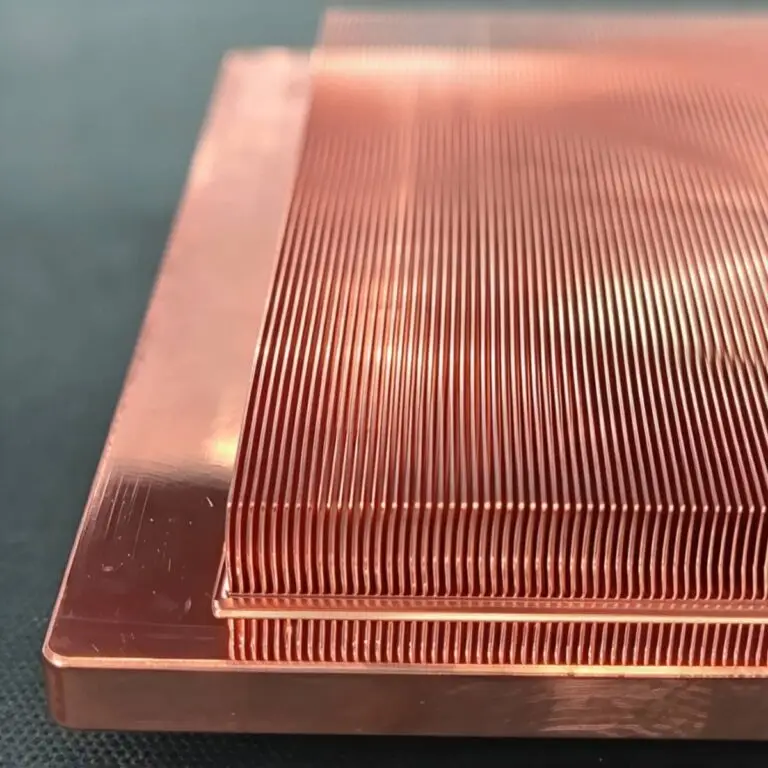
Diamond-Copper Thermally Conductive Composite. High thermal conductivity, tunable CTE, robust.
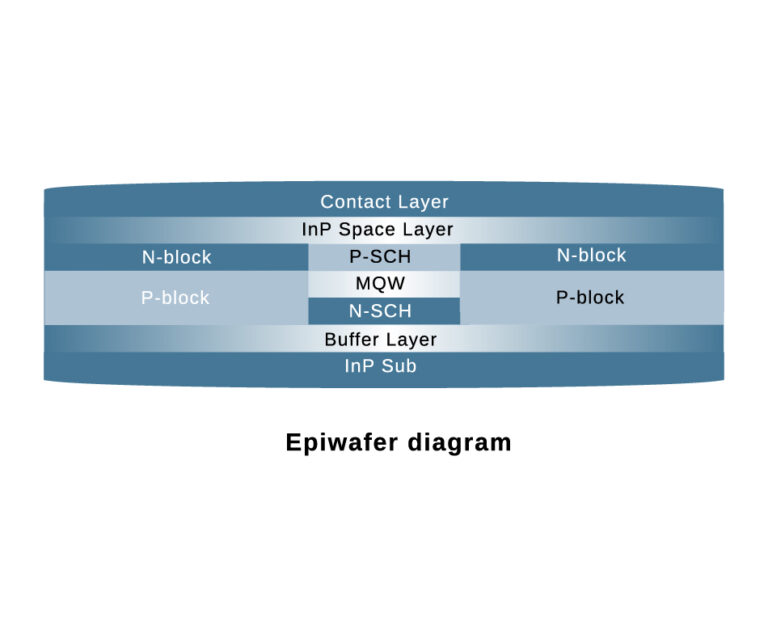
The DE-CW-1310 DFB EPI wafer, a high-performance epitaxial structure designed for distributed feedback (DFB) lasers operating at 1310 nm....
Ceramic thin-filmvacuum sensor Optical gas massflowmeter Liquid mass flowmeter Force sensor MEMS...
Photoelectric sensing chip Light source chips Optical transmission and modulationchips Optical detection and receptionchips...
Using a“Detach Core”which has two-layers carrier foil structure on the surface as a core, and forming...
Tenting process is a kind of subtractive process, the process as follows: Laminating photosensitive film...
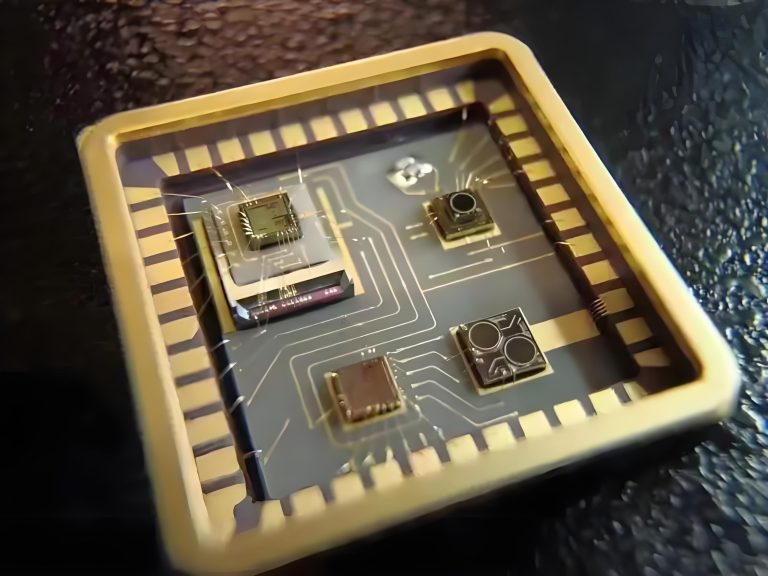
Modified Semi-Added Process abbreviated as mSAP, which can be used on the core or build-up layers, pattern...
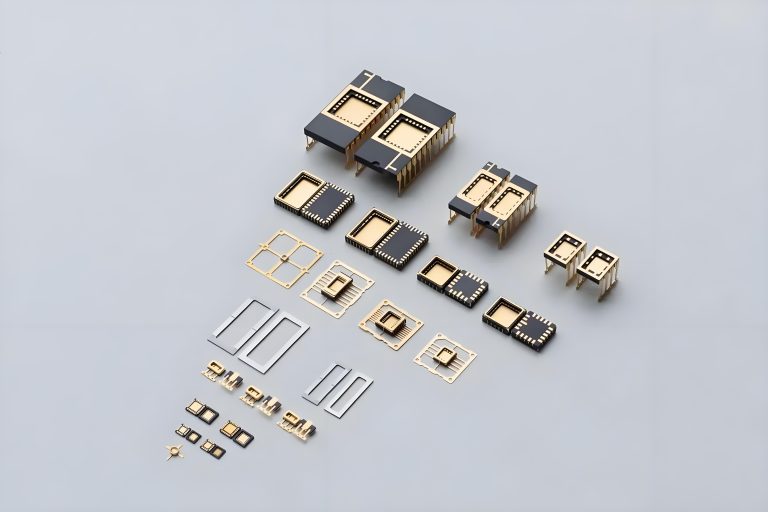
Semi-Added Process abbreviated as SAP, using on the build-up-layer pattern forming as follow:First depositing...
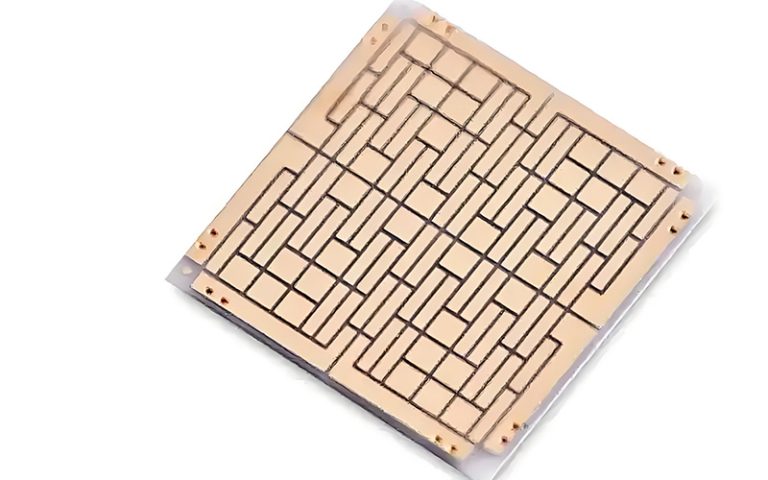
The product generally adopts the pressing lamination process of semi-curing sheets , and line formation...
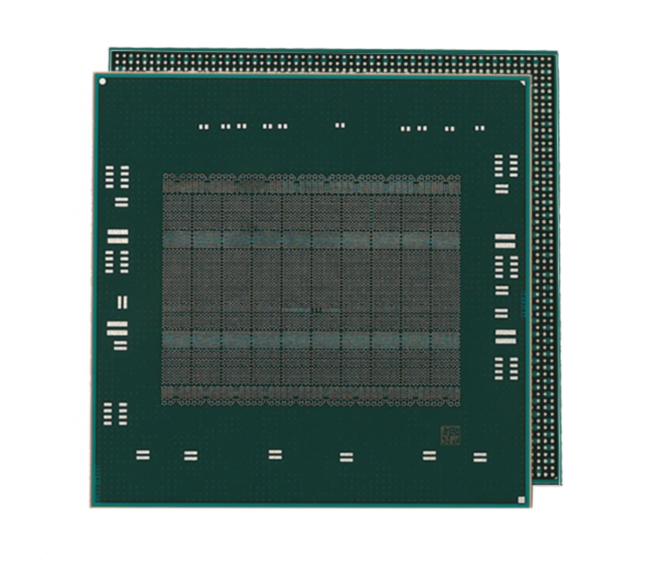
The products generally adopt the Build-up Film Lamination process, and the circuit formation uses the...