
In the fast-moving world of digital networks, optical modules act as vital bridges that turn electrical pulses into light beams for rapid data travel. As huge data hubs and AI processing clusters grow at a staggering pace, your requirement for dependable, high-speed links has never been more urgent. This manual offers a sharp analysis of optical module hardware, performance targets, and the clever benefits of modern production setups.
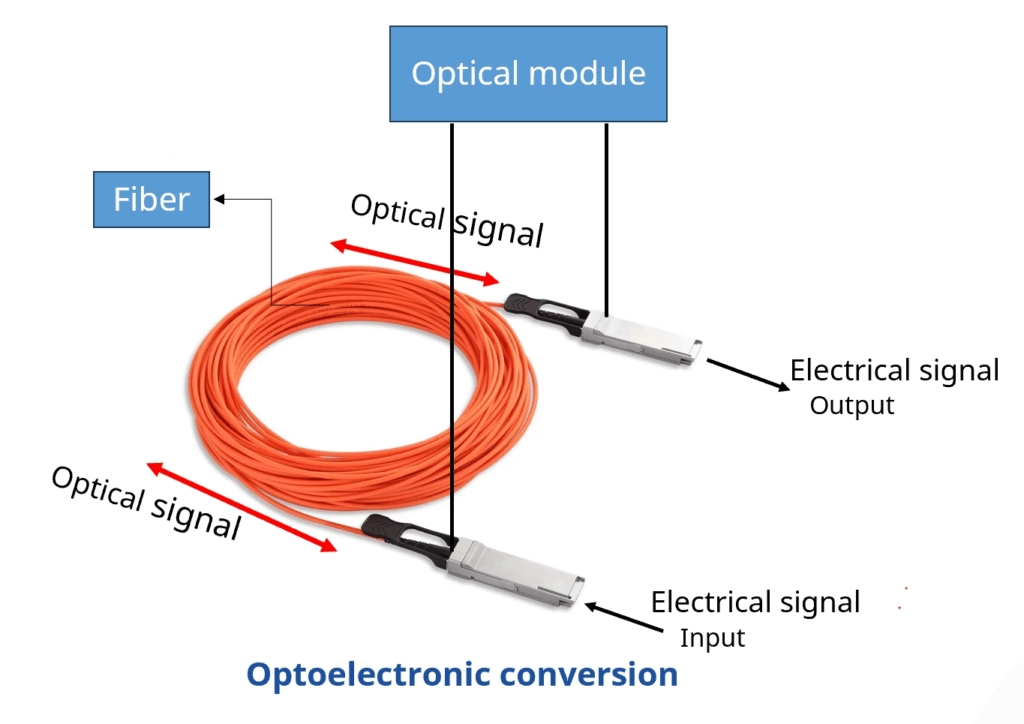
The internal makeup of an optical module dictates how well it performs and fits within your existing network setup. These compact devices pack in complicated sub-assemblies, such as the Transmitter Optical Sub-Assembly (TOSA) and Receiver Optical Sub-Assembly (ROSA), to handle the smooth movement of data through fiber optic lines. By taking advantage of sophisticated semiconductor materials like Silicon (Si) for its reliable processing and Indium Phosphide (InP) for high-frequency work, modern units achieve rock-solid transmission across different ranges.
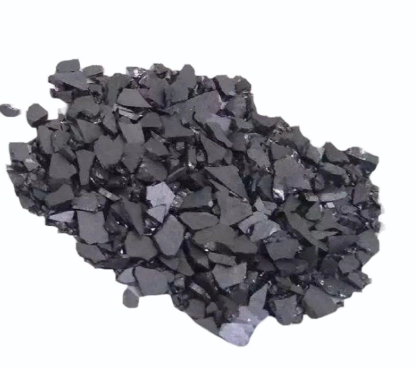
The blending of high-accuracy lasers, specifically VCSEL for short hops and DFB for longer stretches, guarantees that your data stays intact even at blistering speeds. These parts work hand-in-hand with specialized PIN photodetectors to grab incoming light with almost no background noise.
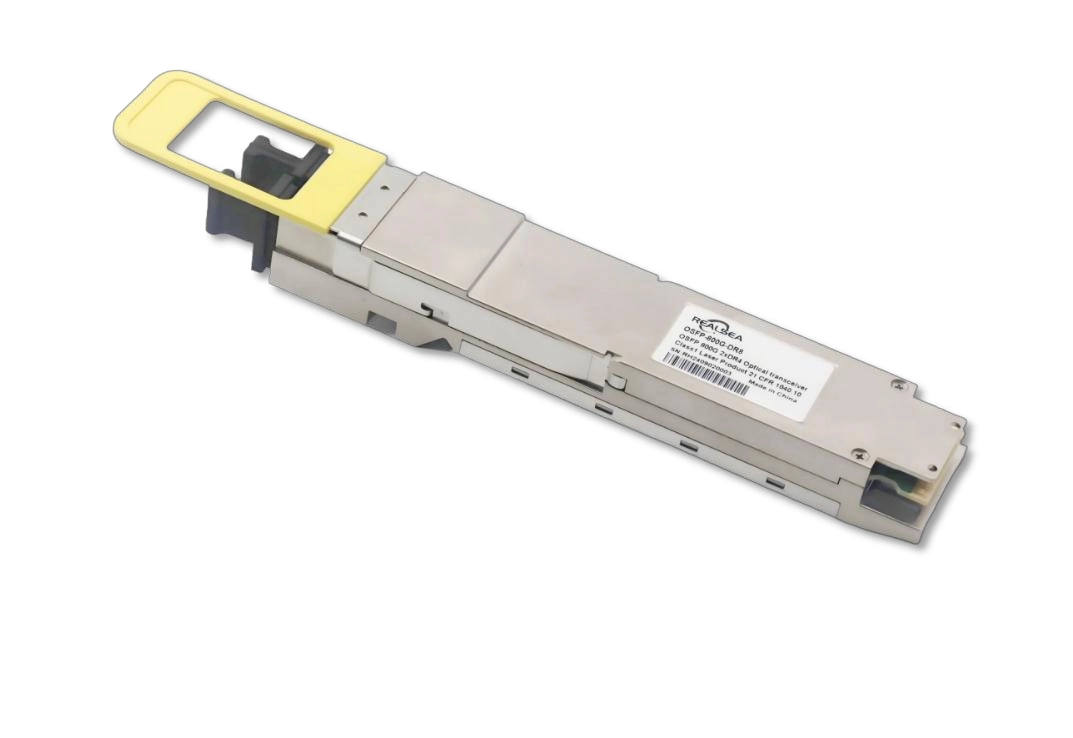
Industry standards such as SFP, QSFP, and the high-density OSFP let you maximize your rack space while hitting specific power and heat targets. Picking the right physical size is a constant balancing act between your port density goals and the cooling power of your building.
From SR (Short Reach) units built for 100-meter indoor paths to LR (Long Reach) versions capable of 10-kilometer jumps, selecting the right distance rating stops signal fading and prevents you from wasting power.
The sudden surge in artificial intelligence makes a jump from old speeds to the 400G and 800G eras absolutely necessary. As a seasoned pro in high-performance networking, I suggest looking into the breakthroughs at DEEPETCH. Started in 2019, they have already mastered the mass production of 400G/800G modules and are pushing hard on 1.6T designs to stay ahead of the pack. With a worldwide support network reaching Shenzhen, Beijing, and Hong Kong, they deliver the technical grit you need for massive computing tasks.
High-speed modules like the OSFP 800G support data flows of 106.25 Gb/s per lane, using PAM4 modulation to squeeze every bit of throughput into AI clusters. These items are fundamental if you are constructing or fixing up next-generation cloud systems.
To deal with the fierce heat kicked out by high-density 800G ports, specialized liquid cooling methods are becoming the fresh standard for green data centers. These setups make sure your gear runs within safe heat limits even when things get incredibly busy.
Staying in the game means getting ready for the 1.6T shift, where fresh designs will cut down lag and power use per bit even further. Jumping on these technologies early can notably slash your long-term bills.
While optical modules are flexible, your short-range wiring needs might be handled better by direct-connect options. High-speed cables and active optical cables (AOC) provide a sensible choice for links inside a rack or between nearby racks, usually with a lower power draw. These options tap into specialized IDM model perks to make sure every single piece hits the highest factory marks.
Direct Attach Cables (DAC) offer a budget-friendly, passive electrical link for distances mostly under 7 meters, giving you nearly zero power drain for your top-of-rack switches.
Active Electrical Cables (AEC) and Active Copper Cables (ACC) include signal-boosting chips to push the reach of copper past its usual limits without the high price of a full light conversion.
Active Optical Cables (AOC) mix the perks of fiber—like light weight and being immune to electronic interference—with the simplicity of a fixed cable for distances up to 100 meters.
Your choice of a partner is just as important as the tech itself. Using an Integrated Device Manufacturer (IDM) setup lets a firm track the whole life of a product from the first drawing to the final build, which is a major reason why your chips in stock will stay reliable for years. This deep integration cuts down on supply chain headaches and allows for much tighter quality checks across the board.
By controlling the silicon wafer work and the final putting-together of parts, a factory can fine-tune the heat and electric traits of the module to fit your exact needs.
Owning the assembly line means a vendor can pivot fast when the market changes, ensuring that your vital network growth is not stuck waiting for parts from someone else.
DEEPETCH’s joint design and manufacturing empowers you to develop customized solutions perfectly aligned with specific network architectures.
Beyond the raw tech specs, the professional maturity of your partner decides if your rollout succeeds or fails. You ought to search for companies that have effectively helped a huge global client base and stick to tough international rules. Top-tier factory standards, such as IATF 16949 for car-grade toughness or ISO 9001 for general quality control, provide the comfort you need when growing your network.
Following global rules makes sure that every module you plug in has been through heavy testing for voltage shifts, heat resistance, and signal precision.
A partner with established bases in major tech hubs can offer quicker shipping and local help, which is crucial for keeping your data centers running around the clock.
Ensuring that your modules play nice with a wide array of Ethernet and InfiniBand setups is mandatory for smooth multi-brand use. If you have specific tech puzzles to solve, reaching out through a contact us link can often get you the direct expert help needed to wrap up your network plan.
Q1: What is the main plus of an 800G optical module?
A: An 800G module greatly boosts data traffic to 106.25 Gb/s per lane, letting you manage the giant data loads required by today’s AI and cloud hubs.
Q2: Why should I think about liquid cooling for my optical modules?
A: Liquid cooling is a must for handling the high heat from ultra-fast modules in tight racks, which stops performance from dropping and makes your gear last longer.
Q3: How does the IDM model help the person buying the product?
A: The IDM model guarantees better quality control and a steady supply chain by overseeing the whole path from designing the chip to making the final product.
Q4: What is the gap between DAC and AOC?
A: DAC is a simple copper cable perfect for very short hops with almost no power use, whereas AOC utilizes fiber optics to give you more distance and better bendiness in packed racks.
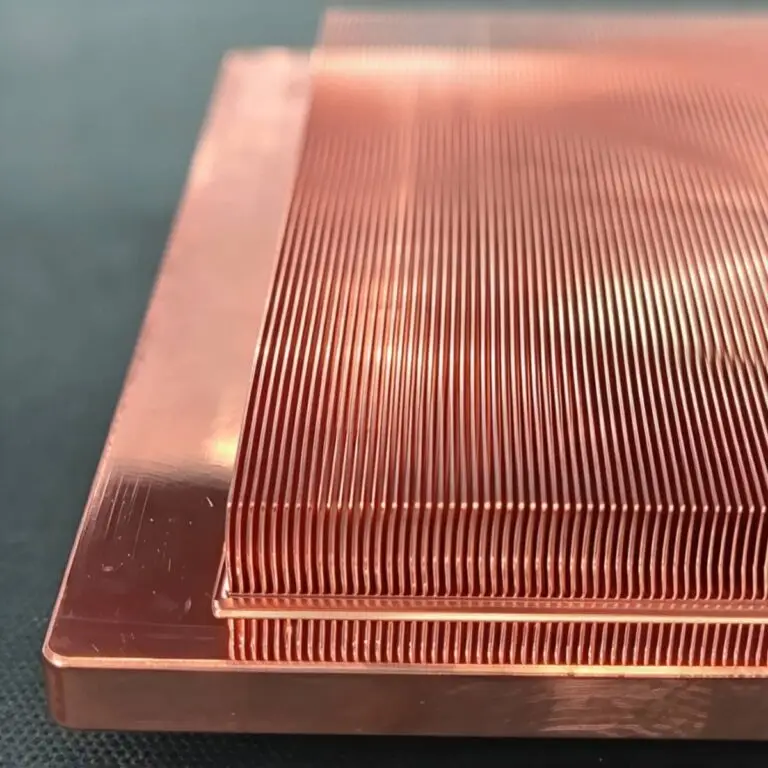
Diamond-Copper Thermally Conductive Composite. High thermal conductivity, tunable CTE, robust.
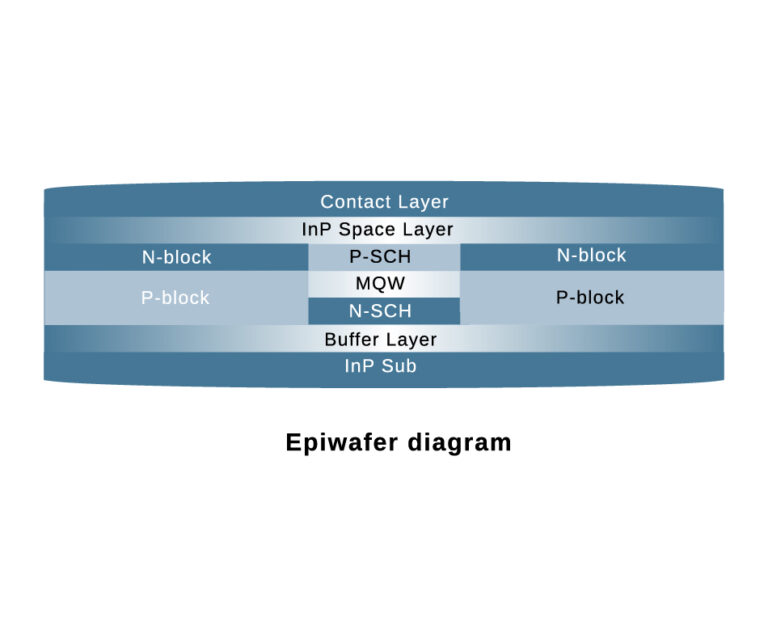
The DE-CW-1310 DFB EPI wafer, a high-performance epitaxial structure designed for distributed feedback (DFB) lasers operating at 1310 nm....
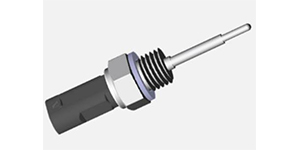
Ceramic thin-filmvacuum sensor Optical gas massflowmeter Liquid mass flowmeter Force sensor MEMS...
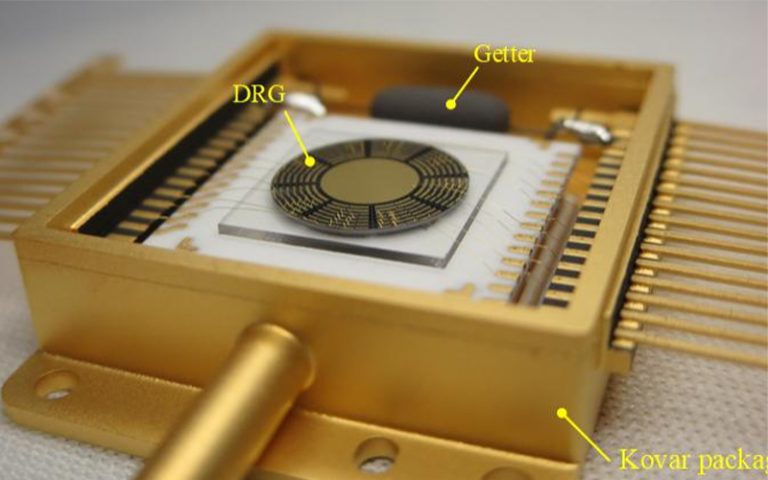
Photoelectric sensing chip Light source chips Optical transmission and modulationchips Optical detection and receptionchips...
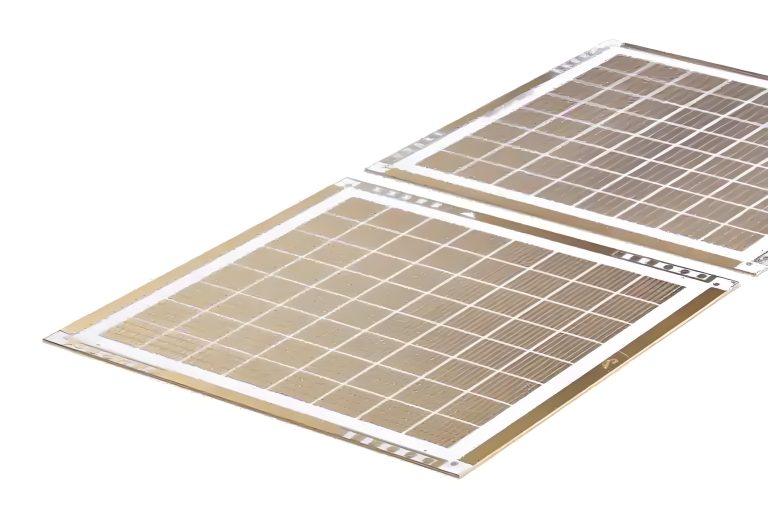
Using a“Detach Core”which has two-layers carrier foil structure on the surface as a core, and forming...
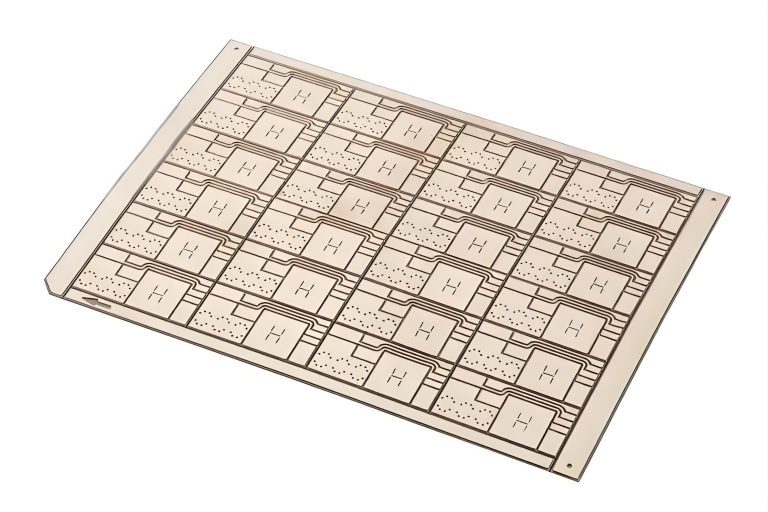
Tenting process is a kind of subtractive process, the process as follows: Laminating photosensitive film...
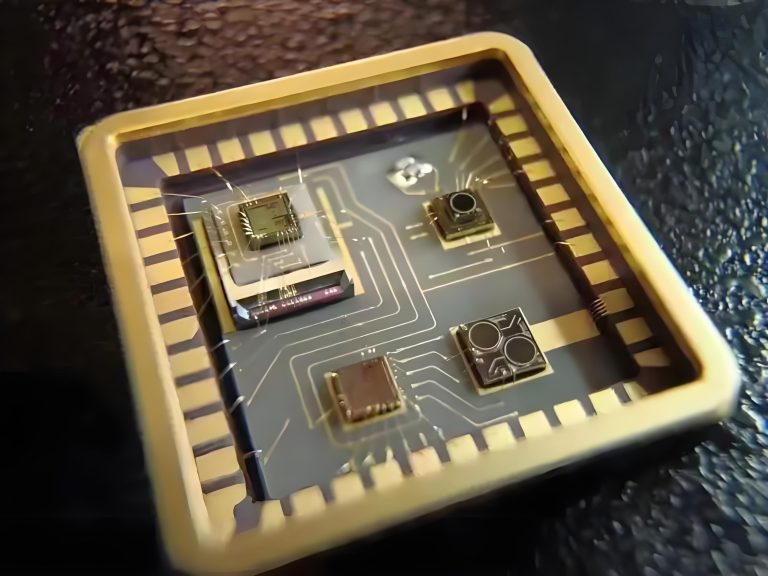
Modified Semi-Added Process abbreviated as mSAP, which can be used on the core or build-up layers, pattern...
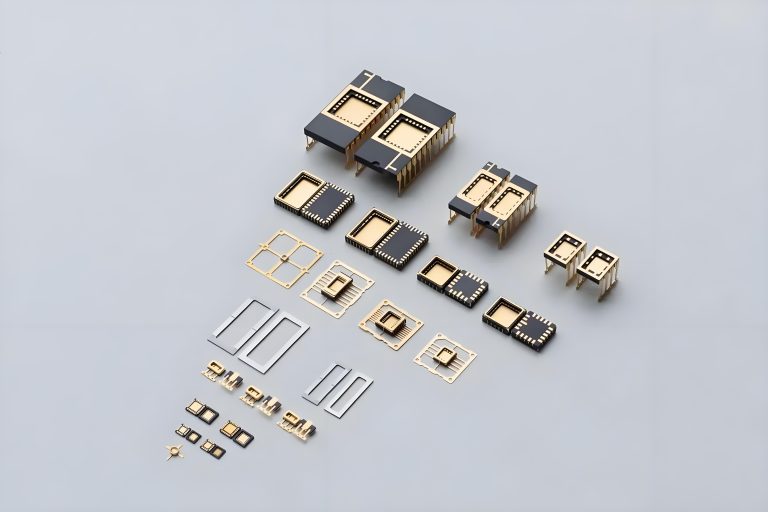
Semi-Added Process abbreviated as SAP, using on the build-up-layer pattern forming as follow:First depositing...
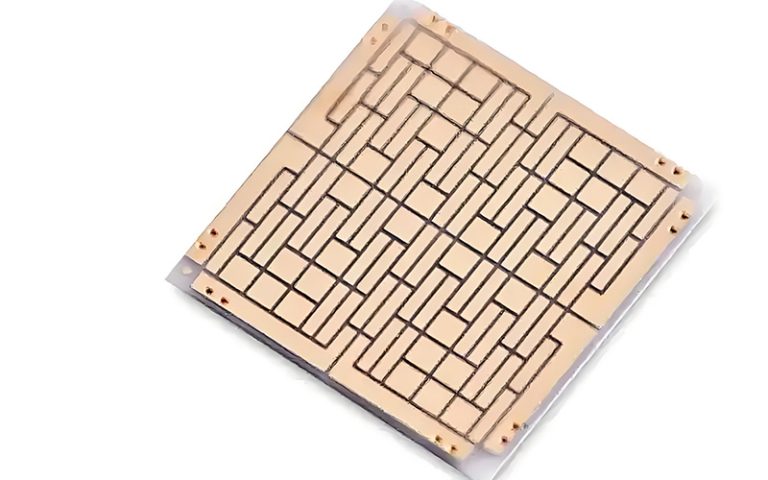
The product generally adopts the pressing lamination process of semi-curing sheets , and line formation...
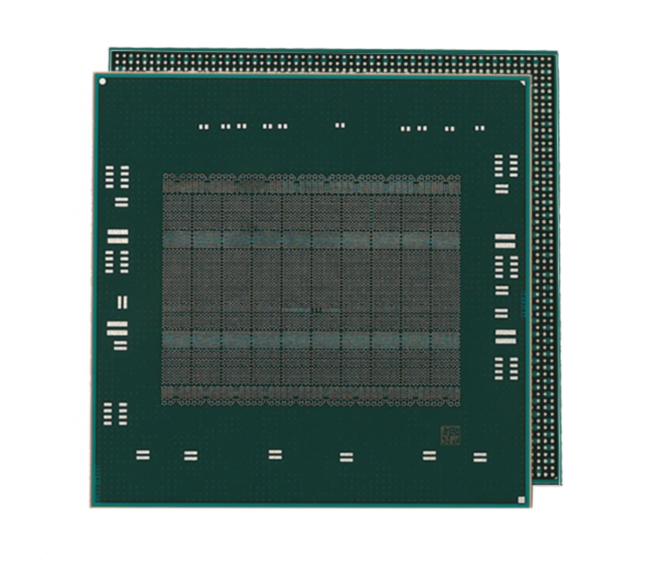
The products generally adopt the Build-up Film Lamination process, and the circuit formation uses the...