
5G base stations fuel fast, dependable wireless networks, connecting smart cities and self-driving cars. High-frequency modules, like those running at 28 or 39 GHz, face tough hurdles: heat buildup, signal drops, and staying strong in rough conditions. Smart materials and packaging fix these problems, keeping your base stations cool, signals clear, and costs low. This article dives into how top-notch substrates, precise tools, and clever packaging boost 5G performance, tackling your worries about scaling up, toughness, and budget. From heat-beating Silicon Nitride to airtight ceramic packages, you’ll see how a full-chain approach makes your 5G modules shine. Imagine a busy urban tower handling thousands of connections without a hitch—that’s the goal.

Fast signals above 10 GHz make 5G special, delivering quick responses and huge data capacity. But keeping signals strong in RF front-end modules is tricky. You need materials and packaging that cut interference and stay steady. Your base station must send data fast without losing quality, especially in crowded cities.
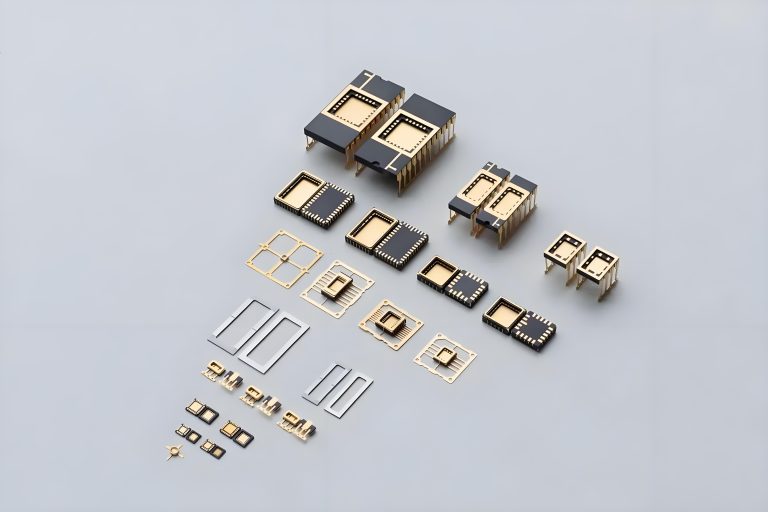
Ceramic four-sided lead flat package (CQFP) keeps parasitic inductance low, below 1 nH. This lets signals zip through at over 10 GHz. Your 5G modules handle real-time tasks, like self-driving car navigation, with no delays.

Ceramic ball array housing (CBGA) uses 400 to 2500+ solder balls, spaced as tight as 0.5 mm. This setup keeps RF modules stable at 28 or 39 GHz, so your base station’s antenna units work smoothly, even under heavy data loads.
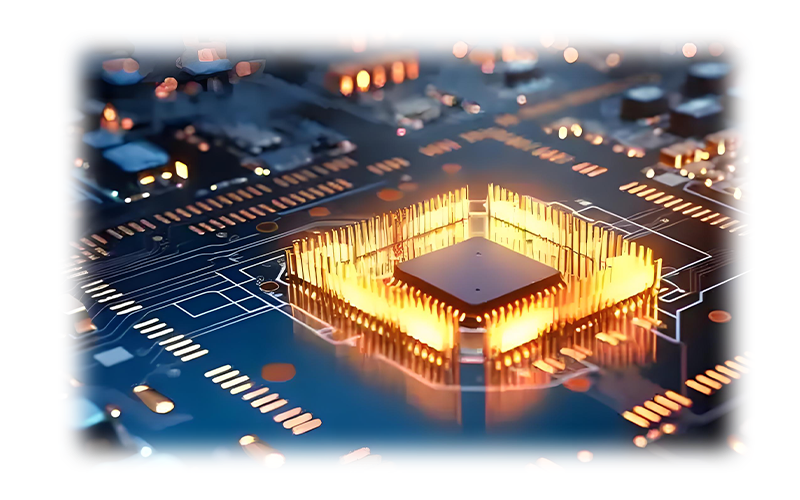
High-frequency signals need materials with low dielectric loss. Such substrates keep signals sharp and strong. Your 5G modules stay reliable, even in packed urban areas where interference is a constant battle.
High-power chips, from 15 to 300W, create a lot of heat in 5G base stations. Too much heat can slow performance or break components. You need materials and designs that move heat away fast to keep your modules running strong.
Silicon Nitride conducts heat at 80 to 150 W/m·K, way better than alumina’s 20 to 30 W/m·K. This cools your RF modules effectively. Your base stations last longer and perform better, even in hot climates like desert telecom hubs.
CBGA packages use aluminum nitride and copper columns. They achieve thermal resistance as low as 2 to 8°C/W. This handles high-power chips, like GaN modules, keeping your base station steady during peak usage.
CQFP uses CuMo alloy heat sinks. These manage heat for 15 to 30W devices. Your RF front-end modules stay cool and reliable, even on scorching rooftops or in humid coastal setups.
Your 5G base stations face tough conditions: shaking, dampness, or extreme heat. Ceramic packaging offers strength, heat resistance, and durability. It’s a top pick for high-stakes telecom projects where failure isn’t an option.
CBGA and CQFP seal tight, with leakage rates below 1×10⁻⁸ atm·cc/s, meeting MIL-STD-883 rules. This keeps moisture and rust out. Your modules stay safe in stormy or salty environments, like coastal 5G towers.
Silicon Nitride’s thermal expansion, 2.5 to 3.5 × 10⁻⁶/°C, matches silicon chips closely. This cuts stress from heat changes. Your 5G modules avoid cracks, ensuring long-term performance in fluctuating temperatures.
CQFP’s bending strength tops 200 MPa. It resists vibration and jolts. This keeps your base station electronics solid, even in rugged setups like vehicle-mounted 5G systems for emergency response.
Making top-quality 5G modules means getting every detail right, especially substrate surfaces. Tiny flaws can mess up signals or heat flow, leading to failures. High-precision tools ensure your modules meet tough standards, saving you headaches.
Wafer Polishing Equipment gets surfaces super smooth, with roughness under 1 nm. This makes ceramic substrates perfect for RF modules. Your 5G components get consistent electrical and thermal results, critical for high performance.
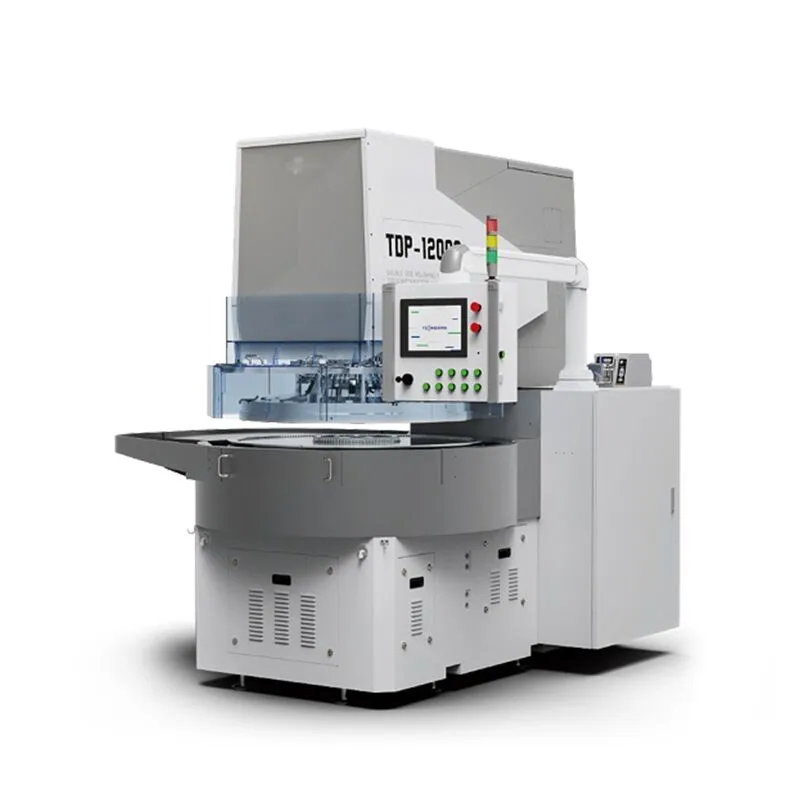
Polished Silicon Nitride substrates work great with Ti/Cu/Au or direct bonded copper (DBC). This creates strong, dependable circuit links. Your high-frequency modules avoid signal issues, boosting quality in production.
Integrated processes, tested through in-house chip making, cut defects. This means more of your 5G modules come out perfect, ready for mass production without costly rework.
Juggling multiple suppliers for design, materials, and packaging can cause delays or mismatches. A single, unified manufacturing system aligns everything, making your 5G modules faster to produce and more reliable. It’s about getting results without the hassle.
Custom rules and parameters, fine-tuned for high-frequency needs, speed up development. Your 5G modules hit performance targets faster, with designs matched perfectly to production capabilities.
From Silicon Nitride to CBGA and CQFP, one provider handles it all. This avoids mix-ups between steps. Your 5G modules come out consistent, meeting tight telecom specs.
In-house chip testing proves processes work before your project starts. This cuts the chance of costly errors, giving you confidence in high-yield 5G module production.
Curious about simplifying your 5G base station projects? DEEPETCH delivers a complete solution, using their Integrated Device Manufacturer (IDM) know-how to provide high-quality materials, precise processing, and advanced packaging. With certifications like IATF 16949 and ISO 9001, plus a strong supply chain, they make sure your 5G modules hit top performance and reliability.
High performance shouldn’t mean sky-high costs. For 5G base station makers, smart production methods balance quality and budget. You want affordable solutions that scale up easily, keeping your business competitive.
Multi-project wafer (MPW) services let you try designs in small runs. This cuts early costs. You can test 5G module ideas without jumping into full production, saving money while perfecting designs.
CBGA’s panel-level packaging, up to 600×600 mm², drops costs by over 30%. This makes high-volume 5G module production cheaper, helping you meet market demands without breaking the bank.
A trusted, ISO-certified supply chain keeps things moving fast. Fewer delays and lower costs mean your 5G modules hit the market on time and within budget.
5G is heading toward 6G, with higher frequencies and tougher demands. Your base stations need to stay ahead, handling denser designs and hotter chips. New materials and packaging ideas prepare you for the future, keeping your tech cutting-edge.
CBGA supports chiplet designs and through-silicon vias (TSVs). These deliver data speeds over 1 TB/s. Your 5G modules stay compact and powerful, ready for next-gen networks.
Silicon Nitride with diamond coating, hitting over 2000 W/m·K, tackles heat above 500 W/cm². This keeps your high-power 5G modules cool, even in extreme setups like desert telecom stations.
CQFP’s low-temperature co-fired ceramic (LTCC) handles frequencies above 100 GHz. This sets your base stations up for 6G, ensuring you’re ready for tomorrow’s telecom needs.
Q1: Why does heat matter so much for 5G base stations?
A: High-power RF modules, from 15 to 300W, create lots of heat. Too much heat hurts performance. Silicon Nitride and CBGA cool things down, keeping your modules reliable.
Q2: How do ceramic packages help 5G signals stay strong?
A: CQFP and CBGA cut parasitic inductance below 1 nH. They keep signals clear above 10 GHz, making your 5G modules stable in busy networks.
Q3: Why is wafer polishing key for 5G modules?
A: Wafer Polishing Equipment makes surfaces super smooth, under 1 nm roughness. This ensures your RF modules perform well and yield high in production.
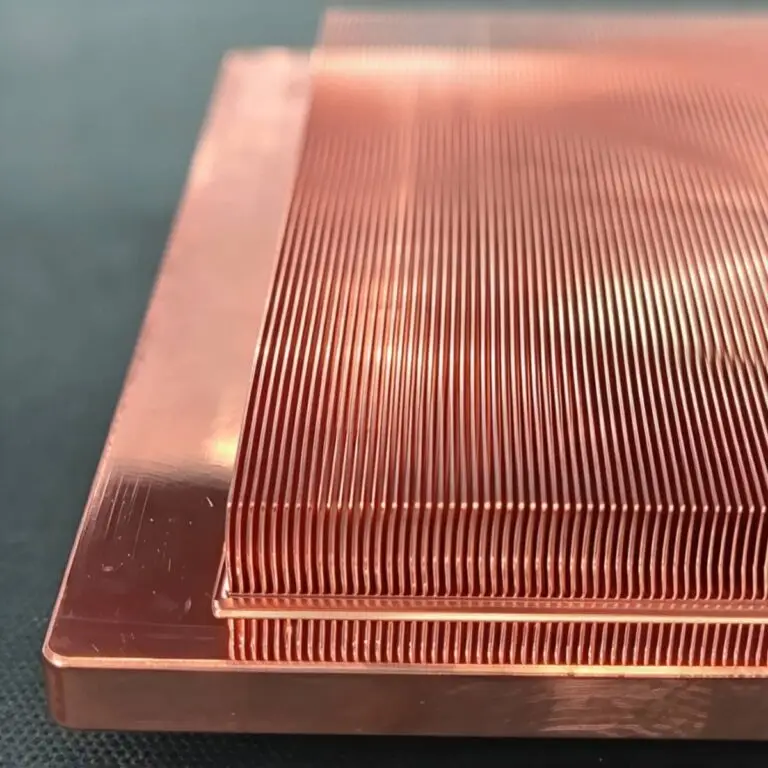
Diamond-Copper Thermally Conductive Composite. High thermal conductivity, tunable CTE, robust.
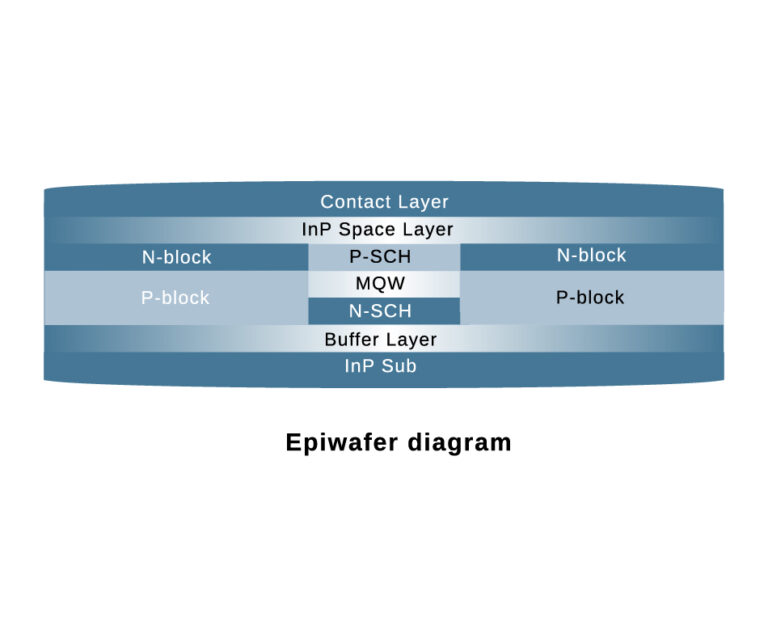
The DE-CW-1310 DFB EPI wafer, a high-performance epitaxial structure designed for distributed feedback (DFB) lasers operating at 1310 nm....
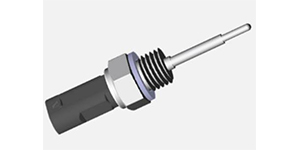
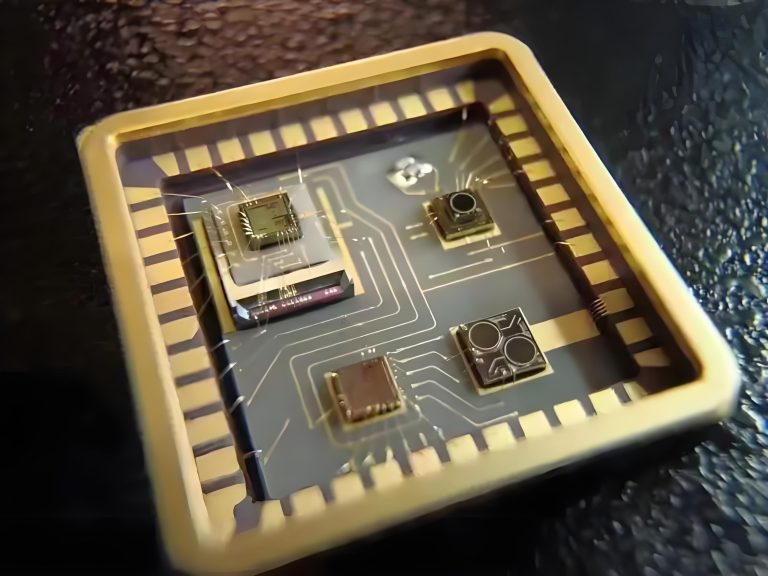
Ceramic thin-filmvacuum sensor Optical gas massflowmeter Liquid mass flowmeter Force sensor MEMS...
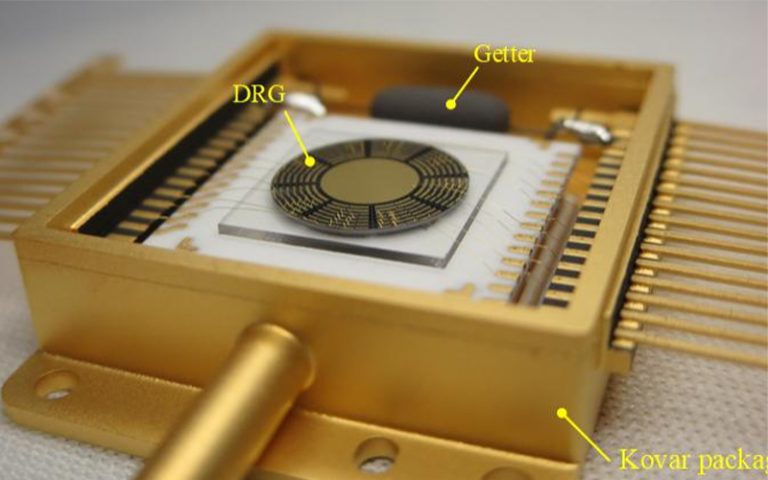
Photoelectric sensing chip Light source chips Optical transmission and modulationchips Optical detection and receptionchips...
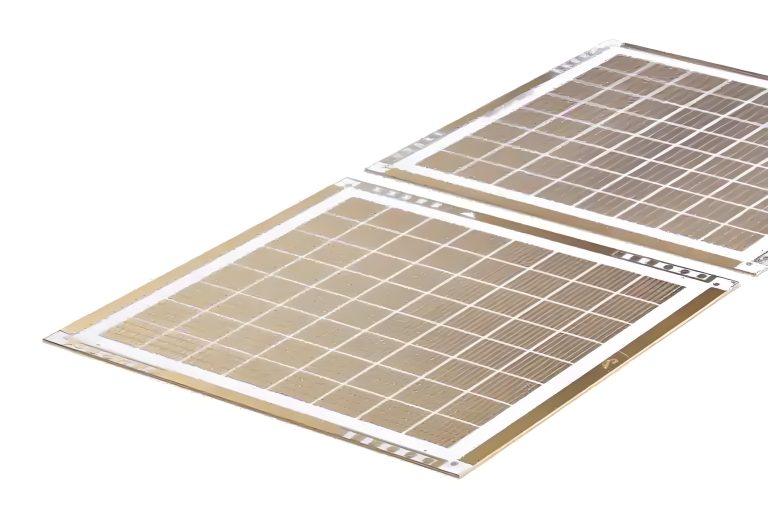
Using a“Detach Core”which has two-layers carrier foil structure on the surface as a core, and forming...
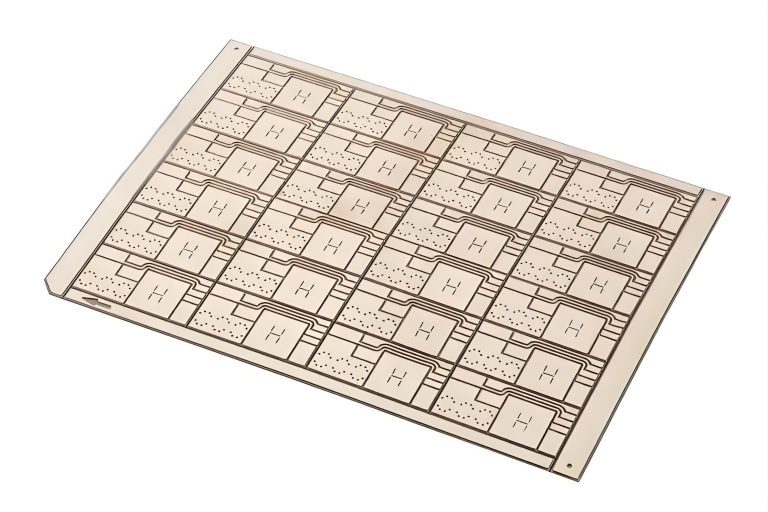
Tenting process is a kind of subtractive process, the process as follows: Laminating photosensitive film...
Modified Semi-Added Process abbreviated as mSAP, which can be used on the core or build-up layers, pattern...
Semi-Added Process abbreviated as SAP, using on the build-up-layer pattern forming as follow:First depositing...
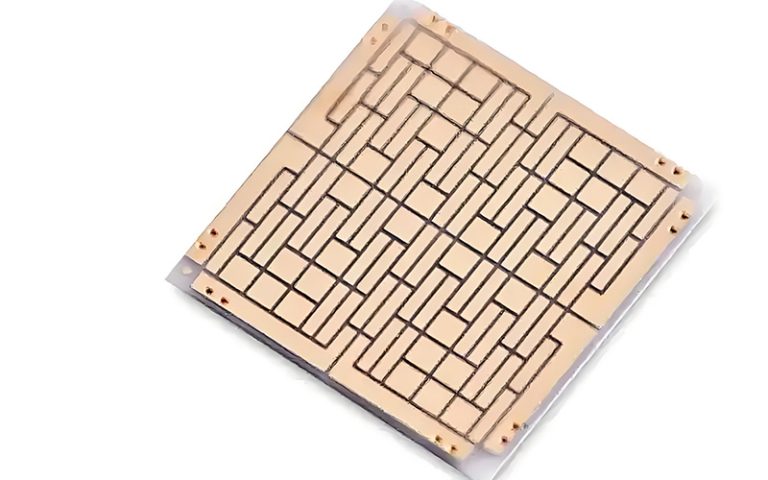
The product generally adopts the pressing lamination process of semi-curing sheets , and line formation...
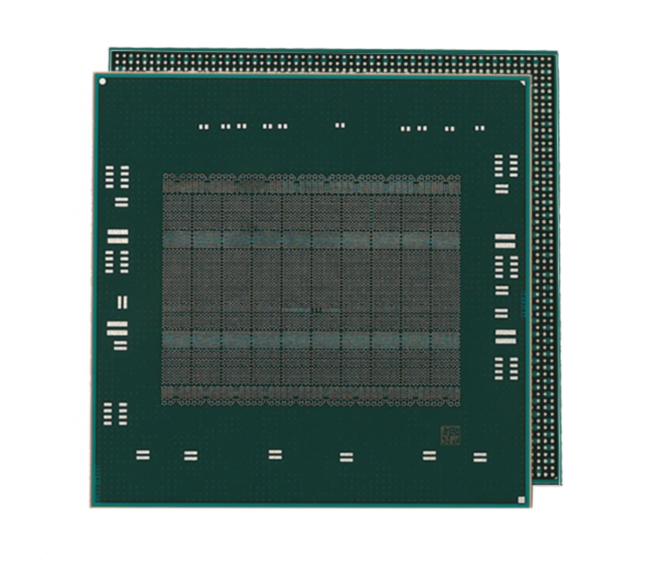
The products generally adopt the Build-up Film Lamination process, and the circuit formation uses the...