
The sky serves more than birds or passenger planes these days. Unmanned Aerial Vehicles (UAVs) handle important duties. These range from exact farming to military monitoring and detailed 6G signal transfer. Still, as a drone moves along a high path or performs quick turns, room for hardware problems vanishes. The core electronics in these units lie in the flight control setup. There, the IC substrate forms the basic base. Should this element fall short of zero-tolerance rules, the full task—and the gear spending—might fall fast.
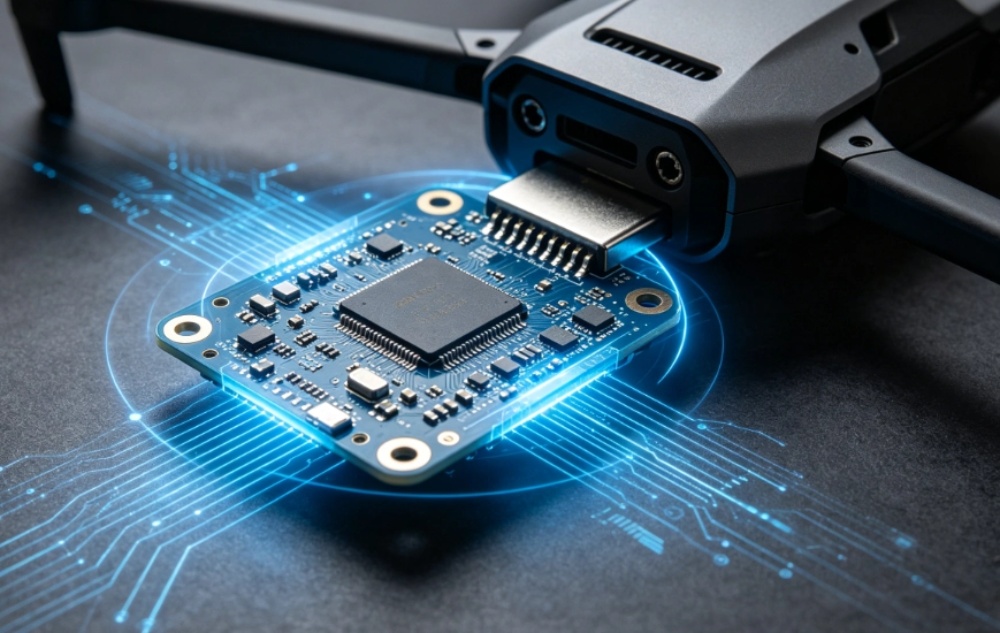
Building electronics for air travel sets it apart from creating a mobile device or notebook. The conditions turn quite rough. You face a system that shakes, deals with sudden pressure shifts, and processes large sensor details at once. A basic fault in signal paths can bring total control failure.
Today’s UAVs count on steady data from MEMS gyroscopes, accelerometers, and GPS parts. The IC substrate has to supply a route for these quick signals free of blocks. Even small electromagnetic disturbance can mix up the flight controller. Consequently, the drone could stray or miss orders in vital air moments. Such care keeps signals clear during active flights.
Power levels in drone batteries and strong processors create notable warmth. A UAV lacks space for big fans like a office PC, due to firm weight caps. Bases need to manage these warmth burdens well. This action stops chip slowdown or shape changes that break join points. In the end, it aids steady work in tough spots.
As a drone speeds up or bends fast, inside elements meet “G-forces” that test all ties. A common PCB may bend or peel. Yet, a zero-tolerance IC substrate keeps its build solid. This firmness holds inside lines safe even under heavy body strain. Therefore, it supports safe handling in sharp moves.
Air results begin with basic items in the clean space. Common plastics fail to endure radiation and heat shifts at great heights. Thus, skilled bases emerge as the sole wise option for creators who favor dependability over brief savings.
DEEPETCH stands out as a key helper in this focused field. It started in 2019. From there, it shifted fast from a tech start to a grown maker for more than 1,560 clients worldwide. People often link them to 400G and 800G optical modules. However, their unique IDM model lets them hold strong oversight of production steps. This direct style fits just right when you pick parts for aerospace or 6G comms gear, as each tiny measure counts.
For hard logic sections, Monocrystalline Silicon gives a degree of clean and flawless form that rivals cannot reach. It delivers fine carrier flow and good heat balance. These qualities position it as the right base for capable processors that work as the “core” of a pro UAV. Overall, it lifts device output.

For jobs with high power release and sealed guard, Ceramic Needle Grid Matrix Encapsulated (CPGA) packaging marks the top choice in the sector. Ceramic bases resist dampness on their own. They also grant far better heat guard than natural bases. This helps greatly when the drone runs in damp or hot zones. Hence, it shields parts longer.
As we advance to 6G and satellite-tied guiding, the electric traits of the base create a key block. Bases with low loss in dielectrics make sure high-speed waves travel circuits with small energy use. This setup turns into extended battery time and stronger signal distance for the craft. As a result, tasks gain from better reach.
Past plain boards, adding active elements straight to the base shows the sector’s path. It proves interesting to watch how edges between “element” and “cover” fade. For a full setup, you seek an ally that covers both silicon and fitting.
UAVs needing radar or far comms depend on the TR (Transmit/Receive) module as the main hardware. These chips deal with shifts between send and receive signals. Fitting them right into a fine base cuts the size. It also boosts the comms setup’s answer speed. This method improves fast signal work in air.
When a UAV works out of view range, it links with satellites. The circuits for this duty must reach “space-grade” levels. That covers radiation and empty-like settings if needed. The key aim stays “zero-tolerance” for signal breaks. A missed tie often spells a lost drone. Since their chips in stock meet many special demands, builders find reliable parts quick without usual air delays. This speeds project timelines.
Radar setups for crash avoidance need precise base plans to control strong bursts they release. Makers with bendy sample work plus big output skills prove hard to find. This option lets you adjust the plan in small lots before a whole order for a fresh vehicle group. Thus, it lowers risks in growth.
We sit close to the 6G start now. Data paces will touch Terahertz (THz) marks. This shift demands a full redo of UAV build ways. A drone come 2026 may serve as a moving edge node. It will manage AI duties while going at fast rates.
The raw pace of 6G signals makes old copper lines on usual boards lead to heavy decay. Coming bases will likely apply thin films and better metal coats to hold data steady. This change acts like moving from a rough track to a quick rail for your electrons. In effect, it clears paths for signals.
A solid base means little if fitting lacks precision. Full Electronic Manufacturing Services (EMS) confirm each element sits with sharp care. This wide method from disk to end PCBA sets a trusted drone apart from a fun toy. It binds all into smooth action.
As AI claims the guide spot, calls for onboard power will climb fast. IC bases need to advance for multi-chip modules (MCMs). These pack varied processors into one tight space. This dense fit stands as the main route to keep drones light for air yet sharp for self paths. It readies gear for smart flights.
Selecting a provider links more to their quality setup than cost sheet. Seek allies with holds like IATF 16949 or ISO 9001. These confirm they keep tight steps. In air fields, an unheld plant brings risk you cannot take.
A zero-tolerance plan works only with solid test gear in the lab. Each base must face deep looks for tiny breaks or dirty spots. It may feel too much for a small piece. Yet, that extra step blocks a high-cost satellite or UAV from breaking in task. So, it guards big values.
Broken supply lines trouble quality checks. If one firm manages raw silicon, another cuts it, and a third covers, details fade. An ally with full services cuts these dangers much. This chain holds quality firm.
Query your maker on their skill with shake tests and heat loops. If they chiefly make TV items, they may overlook drone engine strain on boards. For a clear tech issue, you can always contact them to talk how their team deals with “harsh environment” electronics. Their input often clarifies paths forward.
At last, the point is to craft a unit that acts as planned each go. By centering on clean items and better covers, you grant your flight control the top odds for win. This builds sure outcomes.
Turning to Monocrystalline Silicon and CPGA techs gives a plain route to zero-tolerance dependability. These items supply the warmth and shape balance that current, strong UAVs need for long work. They back lasting use.
If signal drop or warmth build hits your flight plans now, consider the base. Reach for a tech talk to view how special making fixes these clear build pains. Guidance can shift your work well.
Q1: What makes Monocrystalline Silicon better than Polycrystalline for substrates?
A: Monocrystalline Silicon consists of a single, continuous crystal lattice, which means it has no grain boundaries to interfere with electron flow or cause structural weaknesses under heat.
Q2: Why is CPGA packaging preferred for UAV flight controllers?
A: CPGA provides excellent thermal conductivity and a hermetic seal, protecting sensitive logic chips from the moisture and temperature extremes found in outdoor flight environments.
Q3: Can these substrates handle the frequencies required for 6G?
A: Yes, by using advanced materials with low dielectric constants and precision metal deposition, these substrates are designed to minimize signal loss even at Terahertz frequencies.
Q4: Does DEEPETCH provide support for small-batch prototyping?
A: They offer flexible services that cover the entire lifecycle, from initial design and prototyping to large-scale mass production for international markets.
Q5: Are these components compliant with international quality standards?
A: Professional manufacturers in this space adhere to strict standards such as ISO 9001 and IATF 16949 to ensure that every part meets the rigorous demands of industrial and aerospace applications.
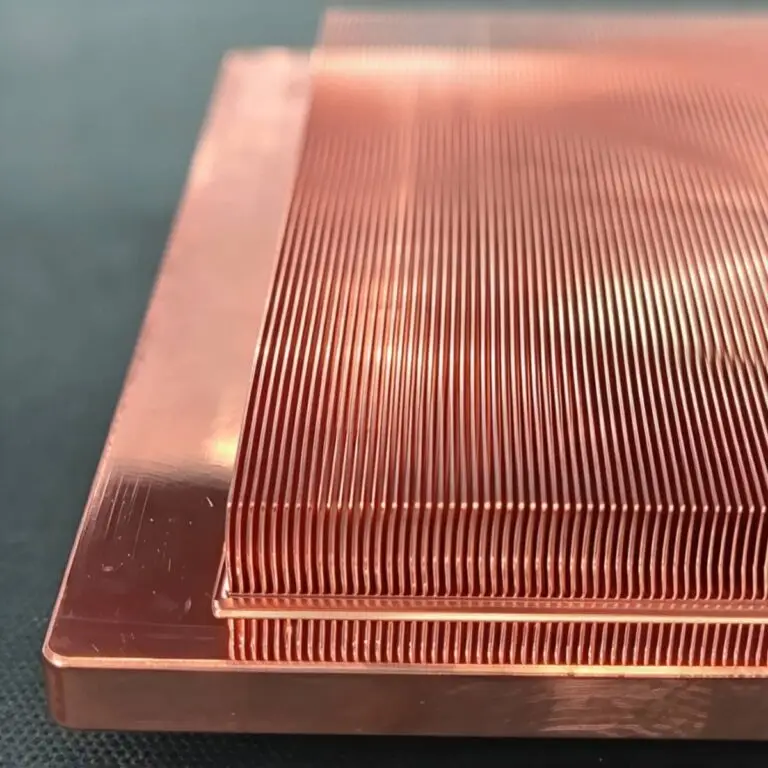
Diamond-Copper Thermally Conductive Composite. High thermal conductivity, tunable CTE, robust.
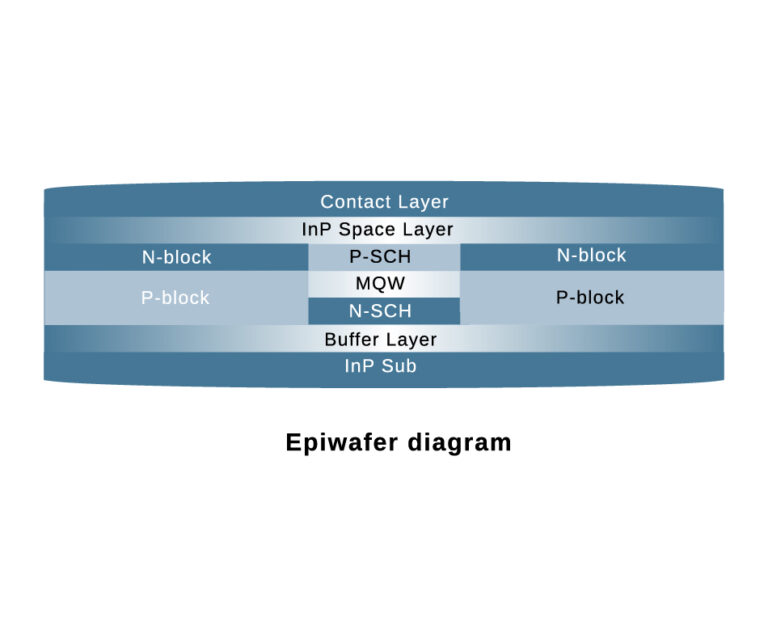
The DE-CW-1310 DFB EPI wafer, a high-performance epitaxial structure designed for distributed feedback (DFB) lasers operating at 1310 nm....
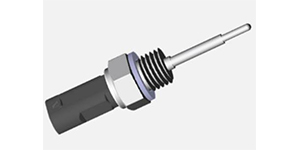
Ceramic thin-filmvacuum sensor Optical gas massflowmeter Liquid mass flowmeter Force sensor MEMS...
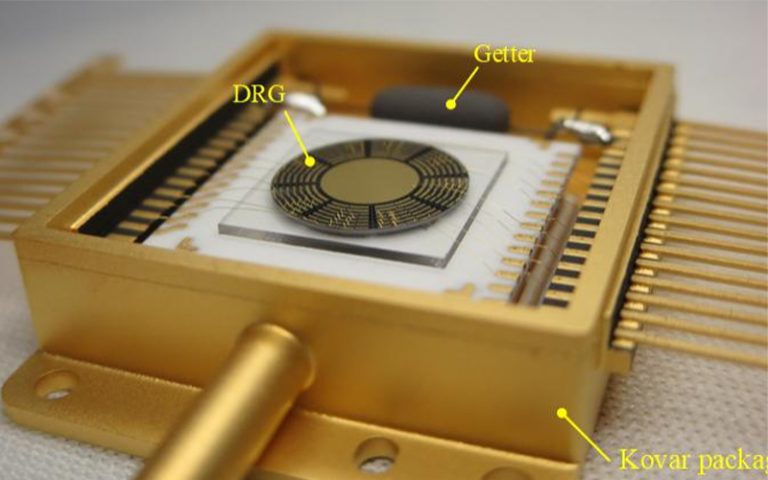
Photoelectric sensing chip Light source chips Optical transmission and modulationchips Optical detection and receptionchips...
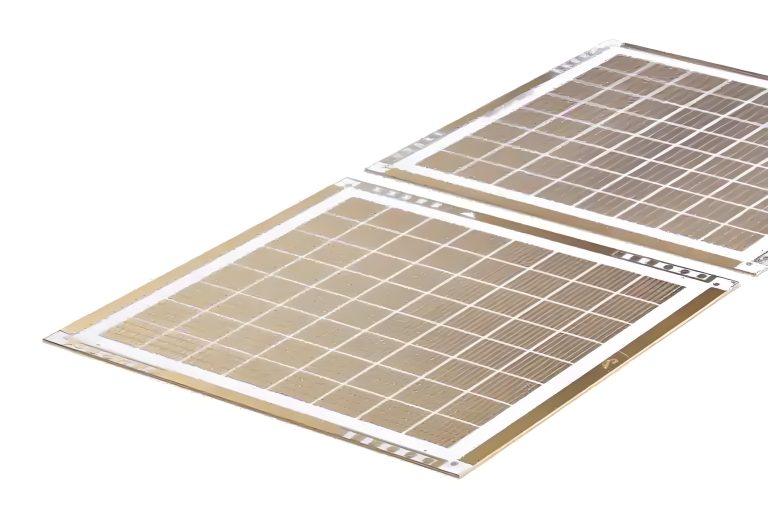
Using a“Detach Core”which has two-layers carrier foil structure on the surface as a core, and forming...
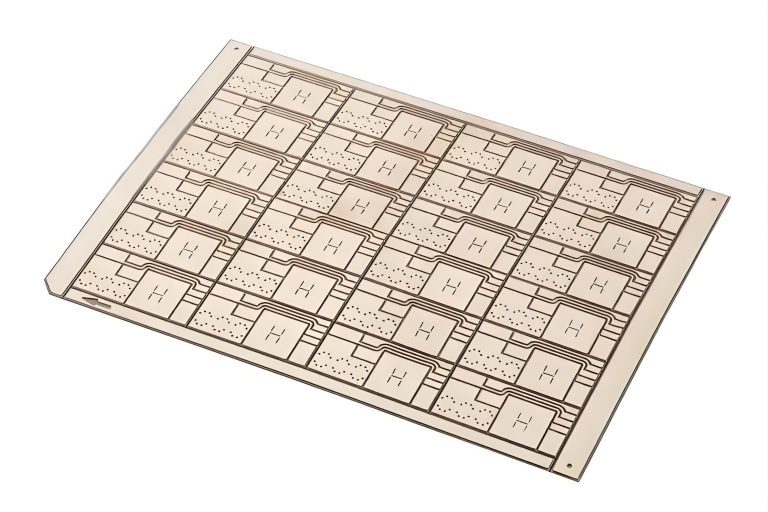
Tenting process is a kind of subtractive process, the process as follows: Laminating photosensitive film...
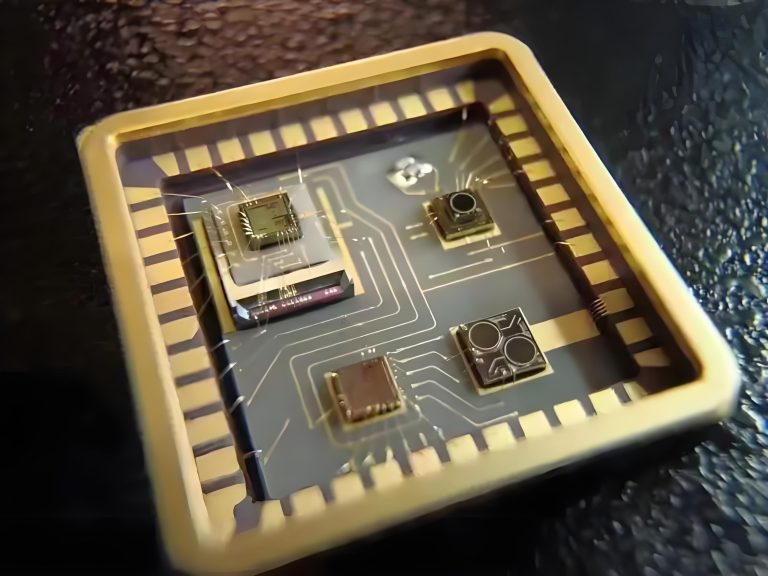
Modified Semi-Added Process abbreviated as mSAP, which can be used on the core or build-up layers, pattern...
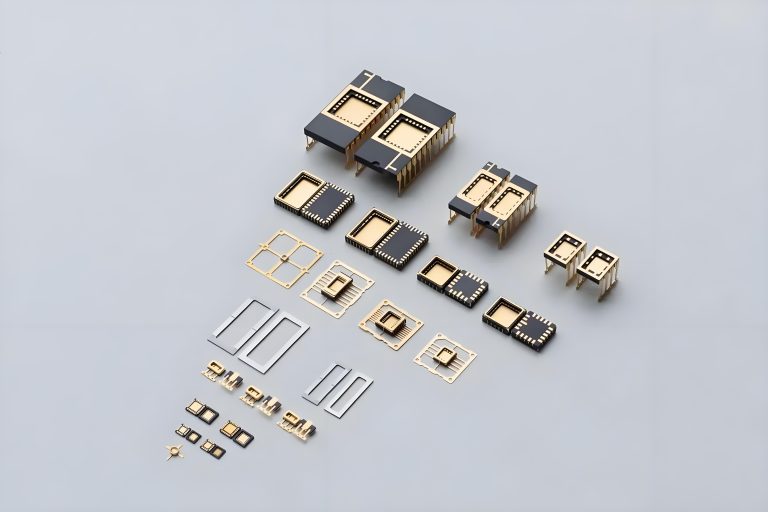
Semi-Added Process abbreviated as SAP, using on the build-up-layer pattern forming as follow:First depositing...
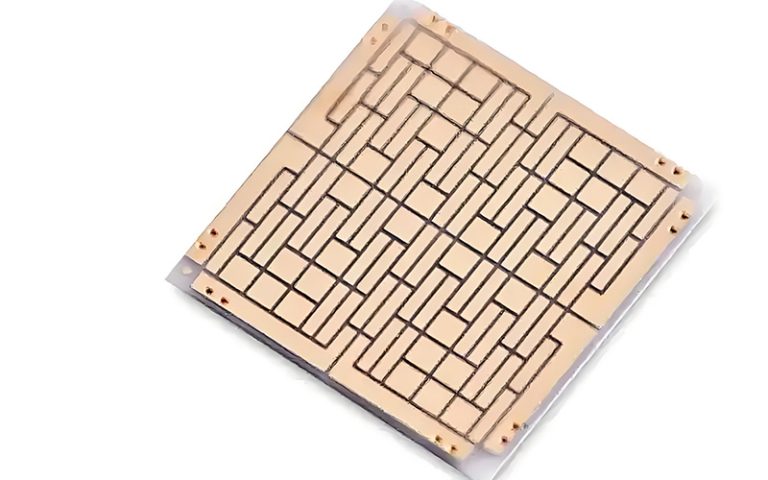
The product generally adopts the pressing lamination process of semi-curing sheets , and line formation...
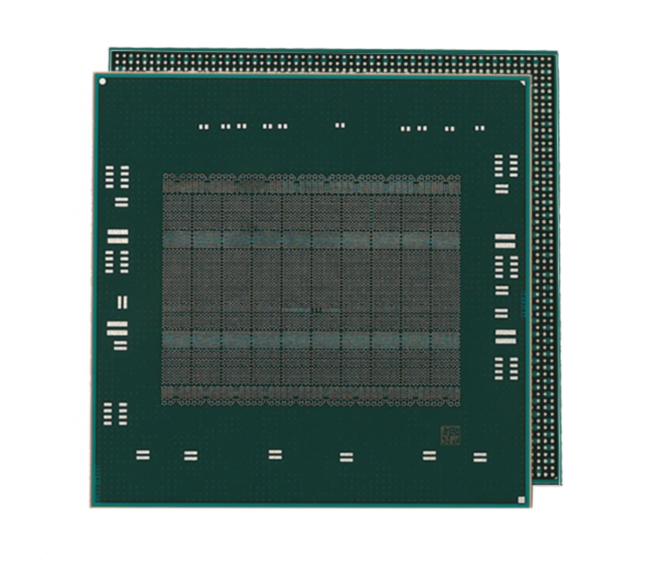
The products generally adopt the Build-up Film Lamination process, and the circuit formation uses the...