
The move from 5G to 6G involves more than just faster speeds. It represents a complete redesign of how hardware manages huge amounts of data at Terahertz frequencies. As you explore 6G systems, you may face a tough decision between selecting a basic transceiver chip or an all-in-one module. This decision affects your approach to heat control and the overall success of production. Making the wrong choice at the start of design often results in costly changes to the PCB and delayed product launches.
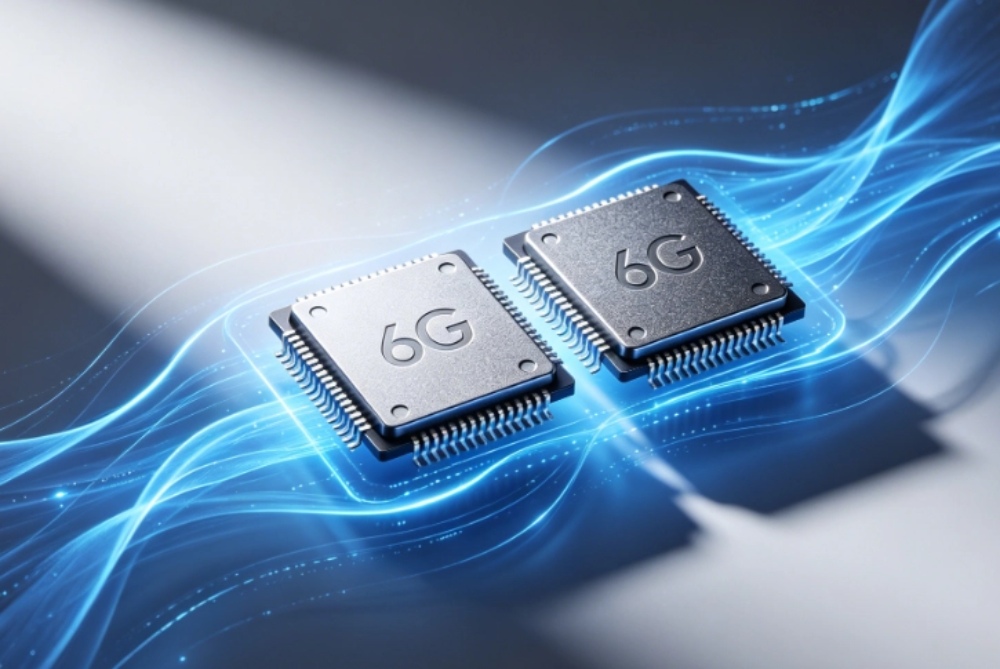
In a high-frequency setup, the transceiver acts as the core that turns digital data into radio signals. However, a module serves as the complete package, which includes the core, cooling features, and protective casing. Opting for a basic transceiver provides full flexibility in your board design, whereas a module delivers a ready-to-use option that cuts down development time by several months.
A transceiver functions at the basic chip level, where its effectiveness relies on the underlying material. For projects needing the strong power output in 6G base stations, adopting Gallium Nitride (GaN) parts proves to be a wise choice. These components manage greater voltages compared to standard silicon, which helps when sending signals over extended ranges without damaging the equipment. Moreover, this approach ensures reliable operation under demanding conditions.
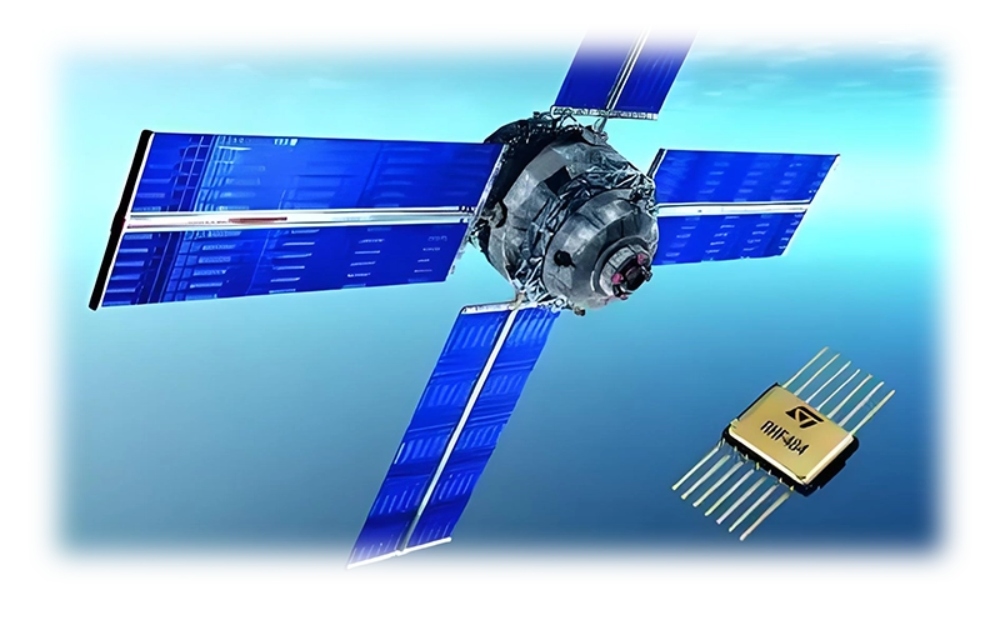
Modules typically include embedded correction methods and signal enhancement features. In contrast, a separate transceiver demands that you create additional filters and alignment circuits. As a result, a module combines all these elements within one enclosure, which lowers the chance of electromagnetic interference (EMI). This interference often disrupts fast-paced 6G setups, so such integration becomes essential for smooth performance.
Room is scarce in current electronic devices. Transceivers enable very compact placement right on your main board, but modules offer a consistent size like SFP56 or QSFP112. For designs using liquid cooling in data centers, modules work better since their uniform enclosures seal more easily against fluids. This setup supports efficient operation in tight spaces.
Moving to 6G introduces issues that 5G parts cannot address. You deal with very short waves that act more like light than regular radio signals. Without exact matching of parts, your signal reflects back and turns into wasted energy as heat. Here, DEEPETCH, a focused semiconductor firm founded in 2019, emerges as your key ally. Through its IDM model, the company oversees both design and production of fast components, guaranteeing that each 400G or 800G module satisfies the tough demands of AI and supercomputing facilities. Their knowledge guides you past the common challenges of advanced networks, avoiding typical testing pitfalls.
At the high speeds of 6G, even the smallest length of metal line on the board counts. If you select a transceiver, expertise in resistance balancing is crucial. A minor error in your board arrangement leads to significant signal drop. Modules help avoid this because their inner connections come pre-adjusted by the maker. Therefore, they maintain clear transmission over long paths.
Excess heat harms high-speed results. Since 6G parts draw more energy, they generate substantial warmth. GaN technology assists by remaining effective in hot settings, yet you still require methods to remove that heat. This challenge frequently arises for designers crafting small 6G TR modules. Proper handling ensures long-term reliability.
6G aims for almost immediate data exchange. Each tiny delay in signal handling within a module accumulates over time. For uses like autonomous vehicles or distant medical procedures, a transceiver might suit better to eliminate extra steps from a standard module and create a simpler, quicker route. This choice supports the critical timing needs of such systems.
If you plan to assemble your own transmission system, the semiconductor type you pick will determine success or failure. Many designers now avoid classic silicon for fast tasks. The energy limits of older materials fall short for what 6G stations and space systems require.
GaN stands out for 6G due to its ability to deliver strong output in a small area. With GaN transceivers, you can reduce the size of your amplification section by half and boost the result. This method fits the tight limits of current communication gear. Additionally, it enhances overall system capability.
GaN not only performs well but also endures tough conditions. It features excellent heat transfer, so it shifts warmth from the chip’s key zones quicker than silicon does. This quality cuts down on the size and weight of cooling devices needed for 6G transceiver TR parts. Consequently, designs become more practical for various applications.
Power expenses form the largest cost for network providers. Effective transceivers lead to reduced electricity use and smaller ecological footprint. Advanced materials like these help your 6G equipment comply with current green guidelines without losing signal strength or coverage. Thus, they support sustainable operations.
In module construction, the base that supports the chips matters as much as the chips. A module’s steadiness depends on its foundation material. For dependable fields, typical organic board substances often bend or degrade signal clarity under pressure.
A Multilayer Ceramic Carrier transforms 6G modules. Unlike plastics, ceramic avoids soaking up the signal. Above 100GHz, this minimal signal absorption marks the line between success and failure. It preserves data quality across high-speed links.

Ceramic proves durable. It expands and shrinks less with temperature shifts than FR4. For gear in satellites facing cold darkness to hot light, ceramic bases prevent link breaks. This strength maintains function in harsh settings.
Ceramic bases support slim layers and precise lines, allowing denser packing of features in a smaller TR module. This aspect is key for 50G or 100G SFP parts where space is limited. You can review the chips in stock at DP Semicon to match packaging with your size targets. Such options aid in meeting project needs.
Satellite and radar setups test electronics to their limits. Errors have no place when your gear circles the planet or tracks fast targets. You require a blend of fast TR chips and sturdy modules that withstand radiation and empty space.
Space contains energetic particles that can alter data in your transceiver and trigger failures. Premium TR parts include unique barriers and logic to resist these effects. Such protection is vital for any space effort. It ensures ongoing safe operation.
A Transmit-Receive (TR) component merges the power amplifier and low-noise amplifier into a single piece. In radar uses, this unity keeps background noise minimal. Without it, your radar loses clarity despite high input. Integration thus boosts detection accuracy.
6G radar uses wide bandwidth to spot fine details. For drone navigation or weather monitoring on the ground, the transceiver needs to alternate between transmit and receive modes in microseconds. This accuracy distinguishes professional tools from everyday devices. It enables reliable results in critical scenarios.
Q1: When should I choose a transceiver over a module for a 6G project?
A: You should go with a transceiver if you need total control over the PCB layout and want to minimize the physical footprint. However, if you want to get to market faster and reduce your R&D risk, a pre-tested module is usually the better path for most 6G infrastructure.
Q2: Why is GaN better than Silicon for 6G transceivers?
A: GaN can handle much higher power levels and operates more efficiently at high frequencies. It doesn’t generate as much heat as silicon when pushing 6G signals, which makes your base stations smaller and cheaper to run.
Q3: Do I really need a ceramic carrier for my 6G module?
A: If your frequency is very high, yes. Ceramic carriers have much lower signal loss than standard PCB materials. They also stay flat and stable when the temperature changes, which prevents your high-frequency signals from drifting or failing.
Q4: What are the main benefits of working with an IDM manufacturer like DEEPETCH?
A: Working with an IDM company means you get components where the design and the manufacturing are perfectly aligned. This leads to better quality control, more stable supplies, and hardware that is specifically tuned for high-speed tasks like 800G data transmission.
Q5: Can I use the same transceiver for both terrestrial 6G and satellite communication?
A: Not usually. Satellite components need to be “radiation-hardened” to survive in space. While the basic frequency logic might be the same, the packaging and the material reliability requirements for aerospace are much higher than for ground-based 6G towers.
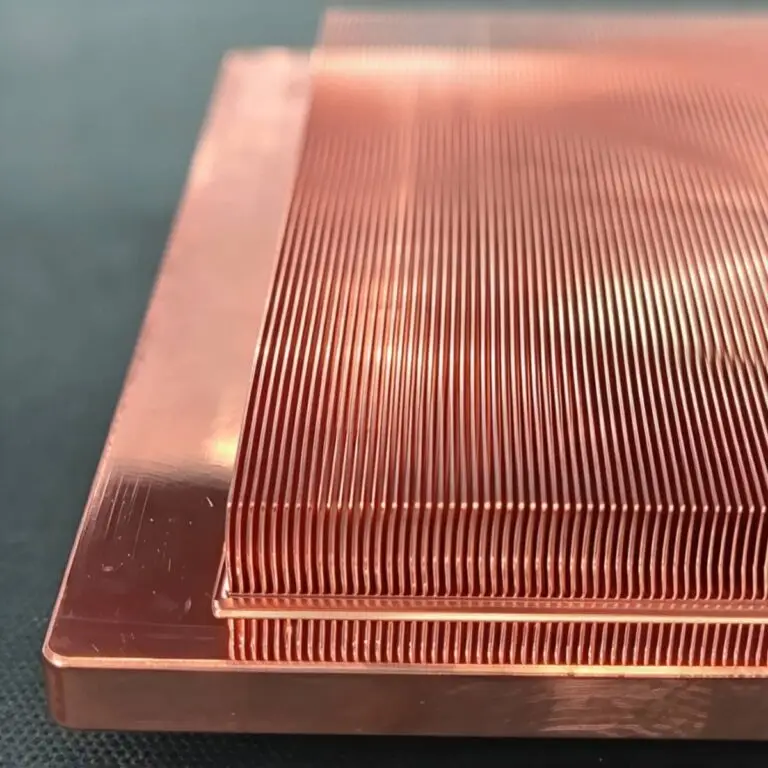
Diamond-Copper Thermally Conductive Composite. High thermal conductivity, tunable CTE, robust.
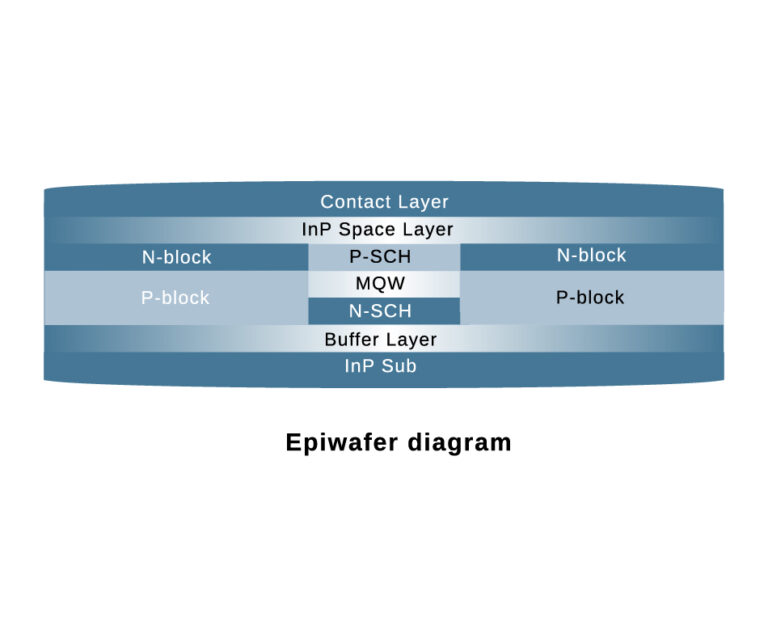
The DE-CW-1310 DFB EPI wafer, a high-performance epitaxial structure designed for distributed feedback (DFB) lasers operating at 1310 nm....
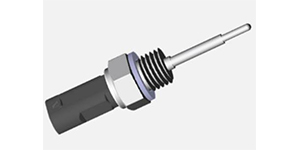
Ceramic thin-filmvacuum sensor Optical gas massflowmeter Liquid mass flowmeter Force sensor MEMS...
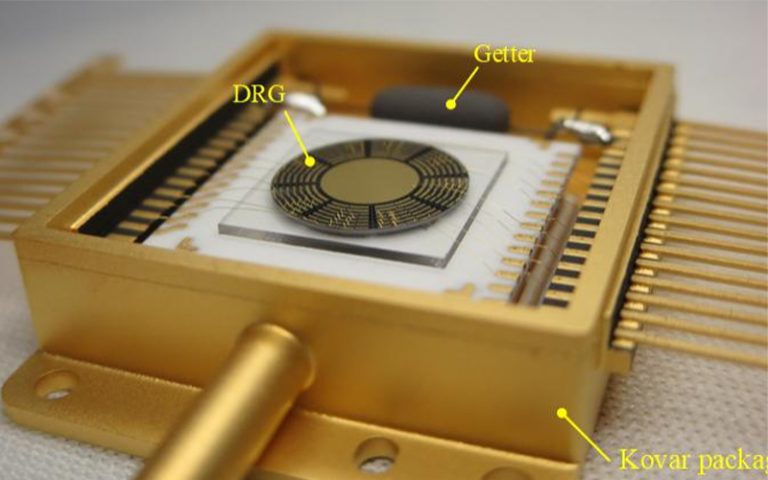
Photoelectric sensing chip Light source chips Optical transmission and modulationchips Optical detection and receptionchips...
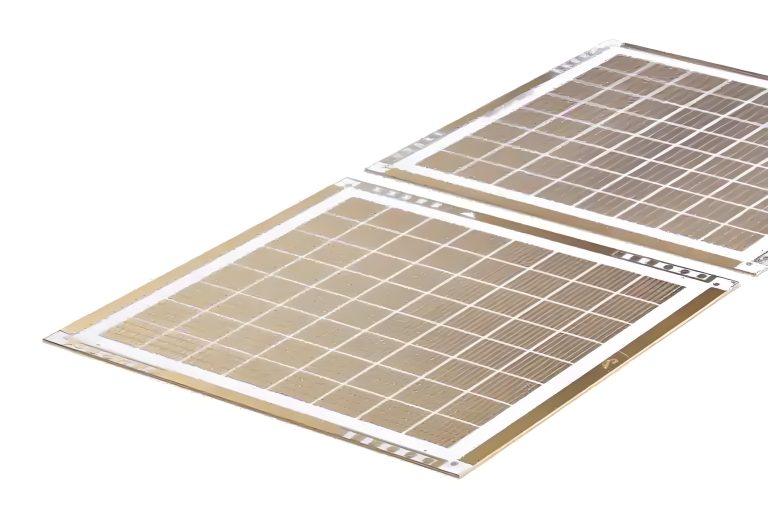
Using a“Detach Core”which has two-layers carrier foil structure on the surface as a core, and forming...
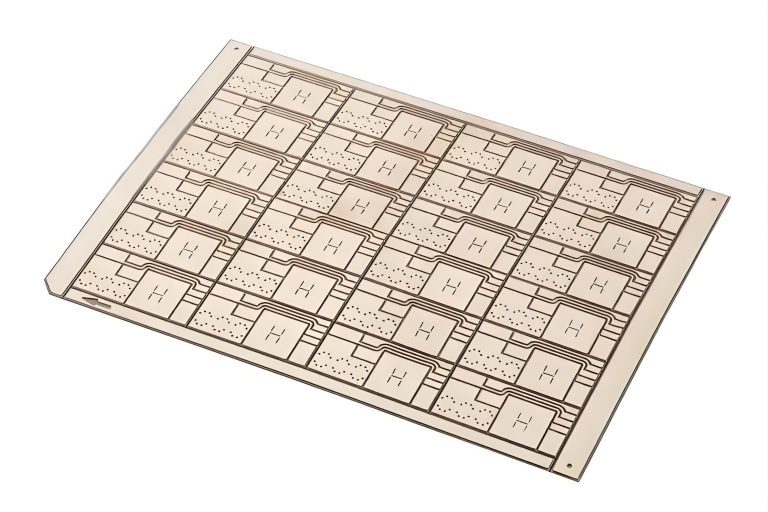
Tenting process is a kind of subtractive process, the process as follows: Laminating photosensitive film...
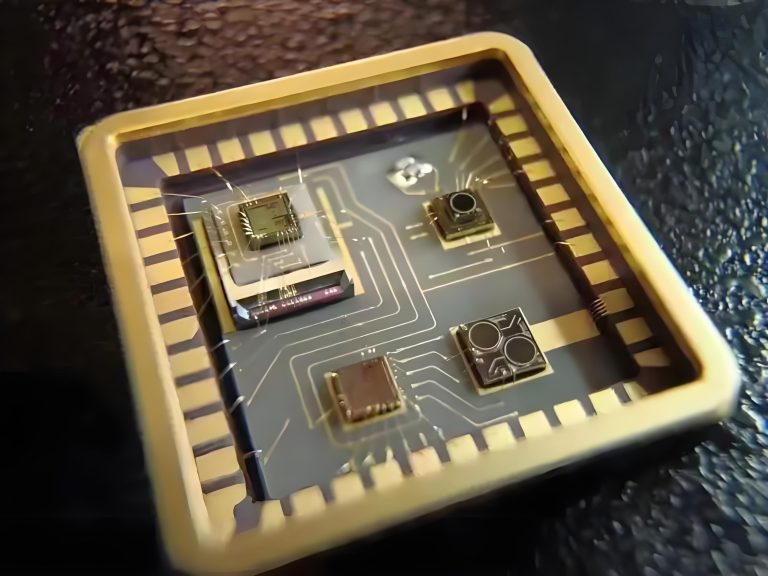
Modified Semi-Added Process abbreviated as mSAP, which can be used on the core or build-up layers, pattern...
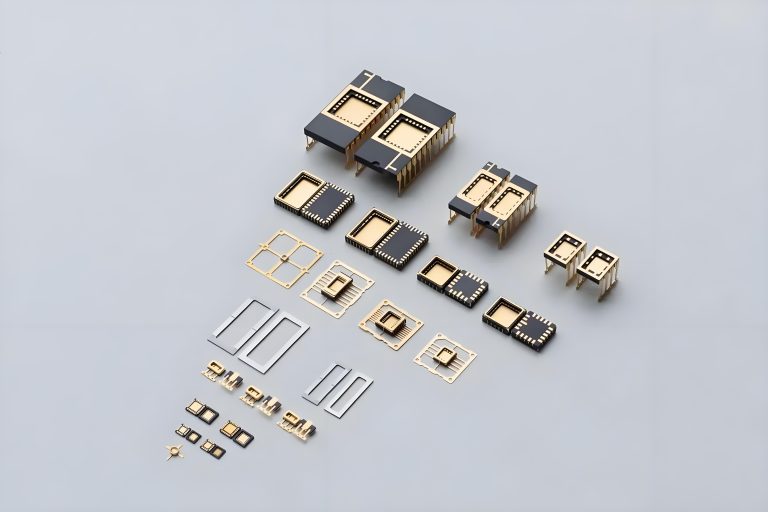
Semi-Added Process abbreviated as SAP, using on the build-up-layer pattern forming as follow:First depositing...
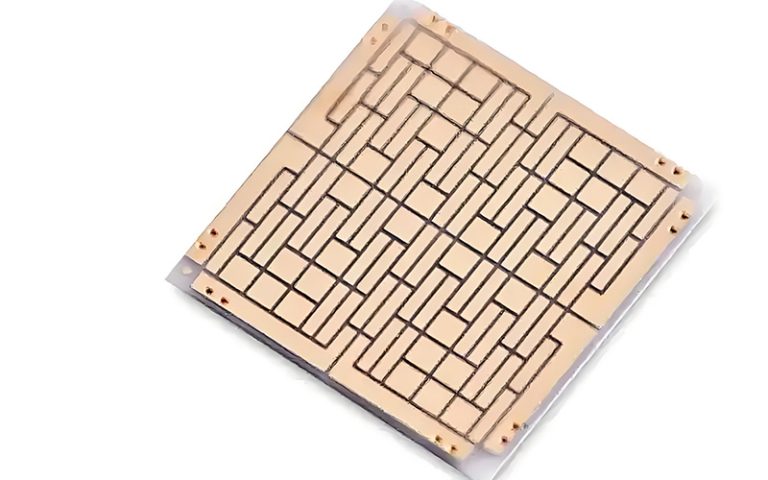
The product generally adopts the pressing lamination process of semi-curing sheets , and line formation...
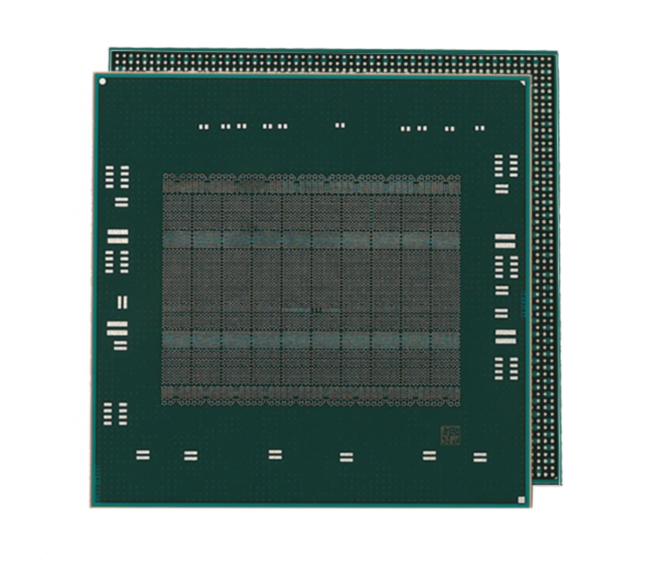
The products generally adopt the Build-up Film Lamination process, and the circuit formation uses the...