
In high-reliability electronics, a small communication fault can become a real field problem. A UAV may lose sensor feedback, a satellite communication board may report unstable control data, or a radar product may pass bench testing but fail after vibration and temperature stress. That is why the debate around CAN Transceiver vs CAN Controller is more than a textbook topic.
For customers building aerospace circuit boards, satellite communication electronics, radar modules, 6G communication hardware, or UAV control PCBA, the better question is not “which part is more important?” It is “which risk are you trying to control?” DEEPETCH supports semiconductor solutions across materials, ceramic packages, sensor chips, stocked chips, IDM services, and high-reliability electronic manufacturing. For projects that need TR transceiver chips, TR transceiver modules, PCBA design, and custom EMS support, this system-level view matters from day one.
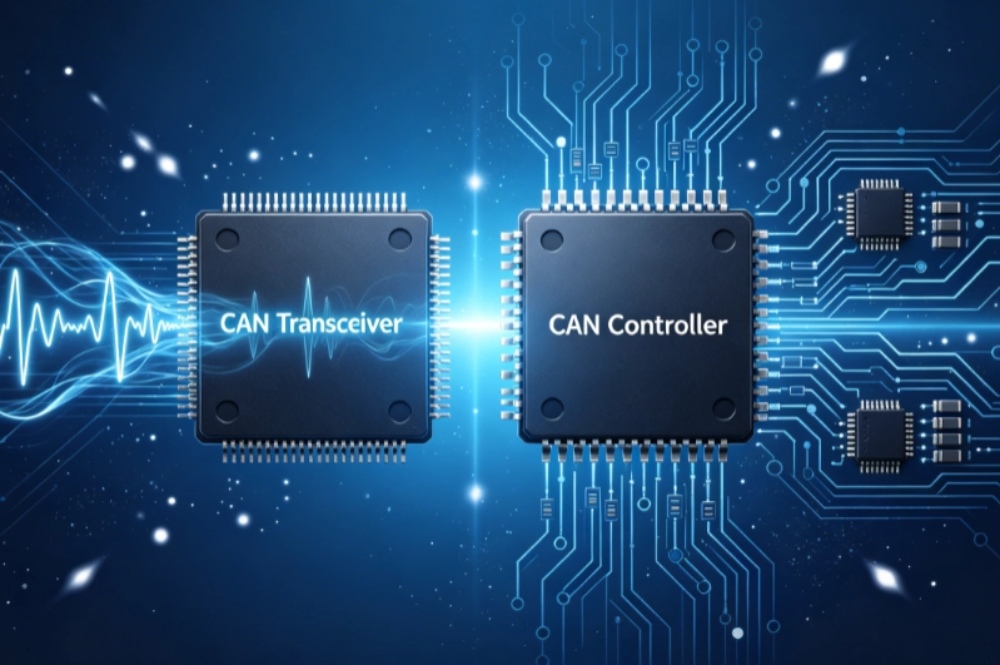
A CAN system works like a disciplined conversation. The controller decides what to say, when to say it, and how to check errors. The transceiver turns that logic into real electrical signals that can survive on the bus. In a quiet lab, both may look simple. In a satellite payload, radar unit, or UAV power environment, they face noise, heat, vibration, and layout limits.
The CAN Controller handles message framing, arbitration, error checking, filtering, and protocol management. If you care about message priority, fault reporting, or how nodes behave during bus conflicts, the controller carries that logic. In many PCBA designs, it is integrated into the main processor or MCU, which helps reduce board space.
The CAN Transceiver sits between the controller and the physical bus. It converts digital transmit and receive signals into differential CANH and CANL signals. When cables get longer, motors switch nearby, or ground potential shifts, the transceiver becomes the first part that takes the hit. So, yes, it often feels less “smart,” but it faces the messier world.
In high-reliability electronics, physical-layer survival is not a small issue. You need proper ESD protection, EMC planning, common-mode range, thermal margin, and clean grounding. A strong controller cannot save a weak transceiver if the bus waveform collapses.
The controller matters more when your concern is protocol behavior. The transceiver matters more when your concern is field robustness. Most failed designs do not fail because engineers chose one “wrong” part. They fail because controller, transceiver, PCB layout, package, and testing were treated as separate jobs.
In aerospace, UAV, satellite, and radar applications, electronics may face repeated thermal cycles, vibration, and electromagnetic noise. A CAN transceiver with poor EMC margin can turn stable firmware into unstable data. On the other hand, a controller with poor error handling may keep retrying messages until the system gets busy at the worst time.
For customers, the real concern is simple: will the board still communicate after long operation? DEEPETCH’s knowledge base highlights the role of semiconductor materials, packaging, and test capability in stable electronics. Silicon remains widely used because its process ecosystem is mature and cost-effective, while materials such as GaAs are valuable for high-frequency, low-noise, satellite, radar, and wireless communication applications.
If a UAV control board has multiple sensor nodes, one damaged node should not pull down the whole bus. The CAN transceiver selection, termination, protection circuit, and layout spacing all affect this. It is not glamorous, but these small details often decide whether field maintenance becomes easy or painful.
CAN is not always the main high-speed data channel in these systems. Still, it is widely useful for control, diagnostics, sensor feedback, and equipment coordination. You may use high-speed links for payload data while CAN handles status, power control, thermal feedback, and subsystem communication.
Satellite communication products need stable control circuits around RF front ends, timing modules, sensors, and power management. DEEPETCH provides TR transceiver chips and TR transceiver modules for satellite communication and radar products, which makes CAN-related control design part of a wider communication hardware plan rather than an isolated interface.
Radar TR modules care about signal quality, timing, package reliability, and thermal behavior. CAN may support module monitoring, temperature reporting, bias control, or maintenance diagnostics. Since GaAs-based microwave devices are commonly valued for high frequency, high power, high gain, and low noise in radar and satellite communication, your EMS partner should know both digital control and RF hardware realities.
A UAV has weight limits, vibration, power noise, and changing operating temperatures. CAN helps connect flight controllers, sensors, power modules, and payload devices. But the PCB must stay compact, and the board cannot be filled with “just in case” parts. This is where custom PCBA design and early DFM review save time, especially before tooling, sampling, and mass production.
A stable schematic can still fail if packaging and thermal paths are weak. This is especially true for compact transceiver modules, RF control circuits, and aerospace-grade electronics. For high-reliability projects, package choice should be discussed early, not after the layout is almost finished.
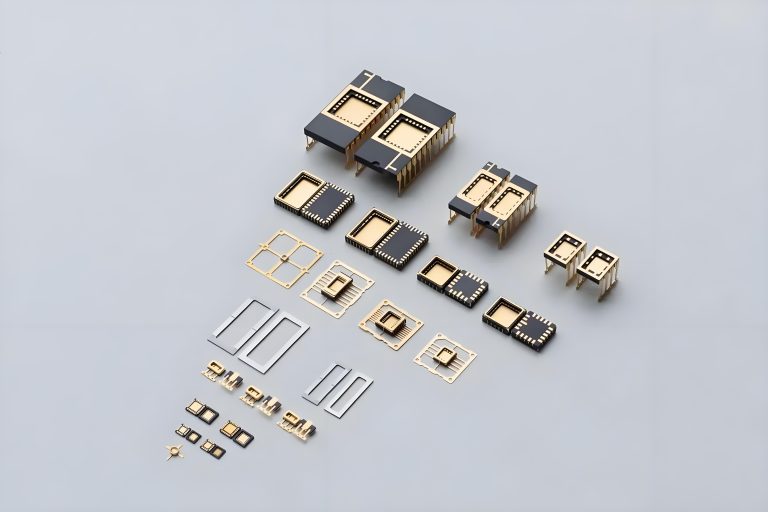
The Ceramic leadless chip carrier housing (CLCC) from DEEPETCH is a useful option for demanding electronic devices. Its ceramic gas-sealed design, low parasitic structure, high-frequency support, and compact thermal path make it relevant for satellite communication front modules, radar products, optoelectronic devices, and high-end IC packaging.
At high frequency, package parasitics are not a tiny footnote. Low inductance, stable dielectric behavior, and good heat flow can protect signal quality. The CLCC product page lists support for high-frequency applications up to 20 GHz, plus application areas such as millimeter-wave radar and satellite communication front modules.
CAN transceivers, TR chips, and RF modules all suffer when heat stays trapped. Ceramic packages offer mechanical support, electrical connection, environmental protection, and thermal management. In a real cabinet or payload bay, airflow is never as kind as the lab fan on the desk. Better packaging makes the design less nervous.
When customers ask for high-end EMS, they usually worry about more than assembly price. They worry about whether the supplier can read the design intent, flag risky parts, manage samples, and move from prototype to production without losing control.
The IDM customization process from DEEPETCH covers demand analysis, quotation, design and development, sample confirmation, mass production, packaging, logistics, after-sales service, and continuous improvement. For a CAN-based aerospace PCBA or a TR module control board, this process helps connect circuit design, structural design, packaging design, sample testing, and production review.
DEEPETCH states that it uses the ISO9001 quality management system and applies quality control from raw material procurement to finished product delivery. The chips-in-stock service also covers material inspection, quality assurance, anti-counterfeiting, and after-sales support. For customers facing shortage risk, that is not a small thing.
Early samples should not only “turn on.” They should face functional tests, performance tests, reliability checks, and customer feedback loops. DEEPETCH’s service path fits projects where you need one supplier to support design review, component sourcing, PCBA manufacturing, TR transceiver module support, and later production changes.
The best answer to CAN Transceiver vs CAN Controller is balanced design. Choose the controller for protocol needs, choose the transceiver for physical stress, then treat the PCB, package, EMC, power, and test plan as one system.
Match the controller’s timing, error handling, and node count with a transceiver that can handle your voltage, EMC, temperature, and cable conditions. Do not pick by unit price alone. A few cents saved on the wrong interface can cost weeks during field debugging.
For satellite communication, radar, UAV, and 6G hardware projects, package planning belongs near the start. DEEPETCH can recommend CLCC packaging for suitable high-frequency and high-reliability devices, and it can support TR transceiver chips and TR transceiver modules where RF performance, heat, and long service life matter.
If you need custom EMS for aerospace circuit design, satellite communication boards, UAV PCBA, 6G communication hardware, or radar TR modules, contact DEEPETCH early with your operating environment, target quantity, interface map, size limit, and test requirements. The more complete your first design package is, the fewer surprises you meet later.
A CAN Controller manages communication logic. A CAN Transceiver protects that logic in the real electrical world. In high-reliability electronics, neither wins alone. Your final result depends on the controller, transceiver, PCB layout, protection circuit, package, material choice, testing, and manufacturing flow.
For customers who build satellite communication electronics, radar products, UAV systems, aerospace PCBA, 6G communication devices, or custom EMS projects, DEEPETCH offers a practical path: TR transceiver chips, TR transceiver modules, CLCC packaging support, IDM-based design-to-production service, stocked chip support, and custom PCBA manufacturing. That is the safer way to move from a good schematic to a board that works outside the lab.
Q1: Is a CAN Transceiver More Important Than a CAN Controller?
A: It depends on the failure risk. If your concern is protocol control, the CAN Controller matters more. If your concern is noise, cable stress, ESD, EMC, or harsh environments, the CAN Transceiver becomes more critical.
Q2: Can a CAN Controller Work Without a CAN Transceiver?
A: In most real bus systems, no. The controller handles CAN logic, but it still needs a transceiver to drive and receive physical CANH and CANL signals.
Q3: Why Is CLCC Packaging Useful for High-Reliability Electronics?
A: CLCC packaging helps with airtight protection, low parasitic effects, high-frequency signal behavior, thermal paths, and compact size, which are useful in aerospace, radar, satellite communication, and optoelectronic applications.
Q4: Does DEEPETCH Support TR Transceiver Chips and Modules?
A: Yes. DEEPETCH provides TR transceiver chips and TR transceiver modules for satellite communication and radar products, along with related PCBA design, packaging, and EMS support.
Q5: When Should You Contact DEEPETCH for a CAN-Based PCBA Project?
A: Contact DEEPETCH before the layout is fixed. Early review helps check controller and transceiver matching, EMC risk, package choice, material sourcing, prototype testing, and mass production readiness.
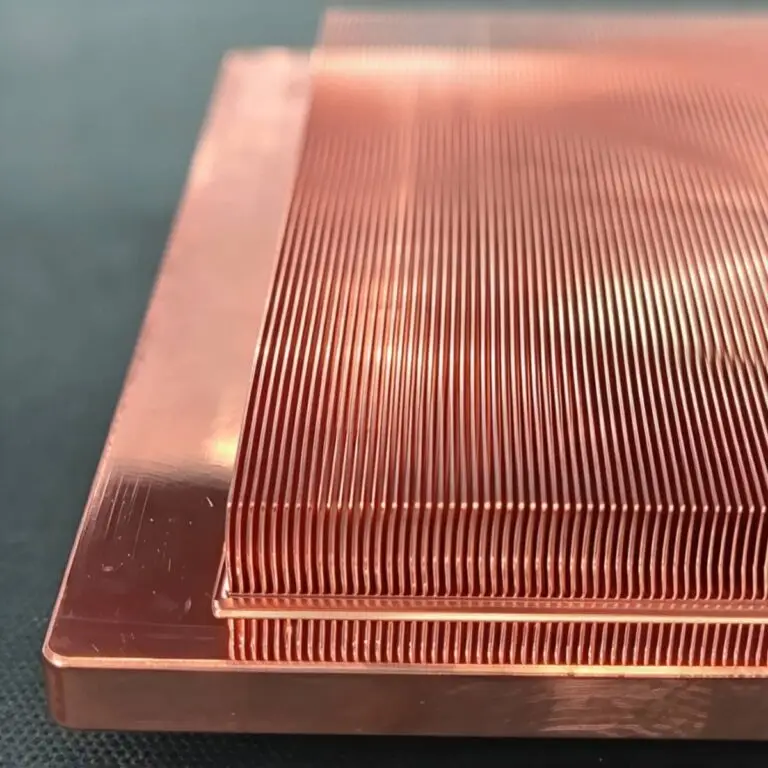
Diamond-Copper Thermally Conductive Composite. High thermal conductivity, tunable CTE, robust.
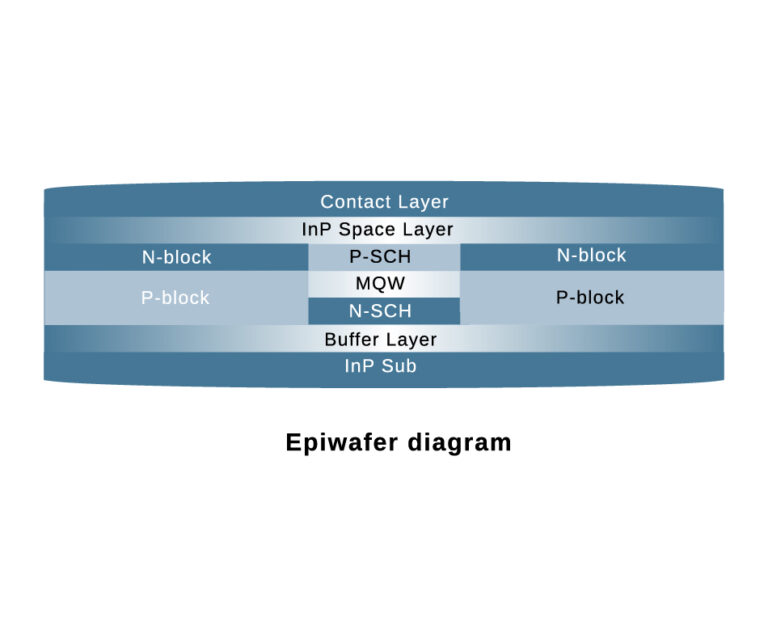
The DE-CW-1310 DFB EPI wafer, a high-performance epitaxial structure designed for distributed feedback (DFB) lasers operating at 1310 nm....
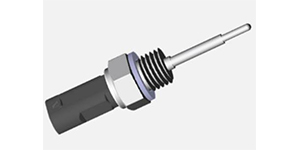
Ceramic thin-filmvacuum sensor Optical gas massflowmeter Liquid mass flowmeter Force sensor MEMS...
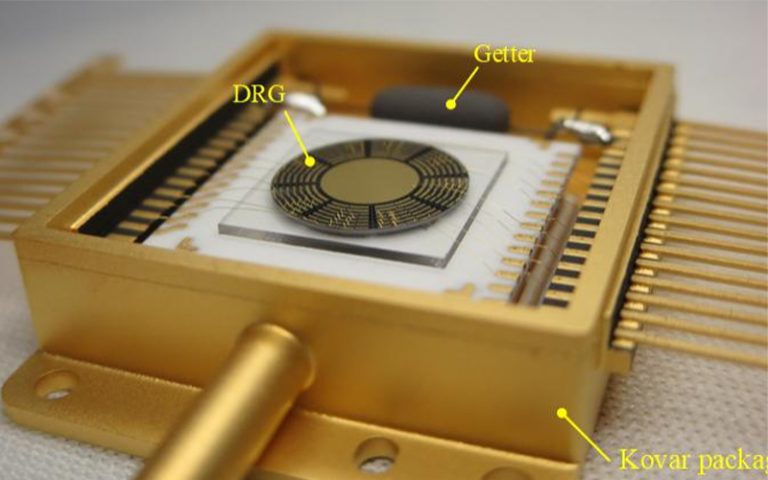
Photoelectric sensing chip Light source chips Optical transmission and modulationchips Optical detection and receptionchips...
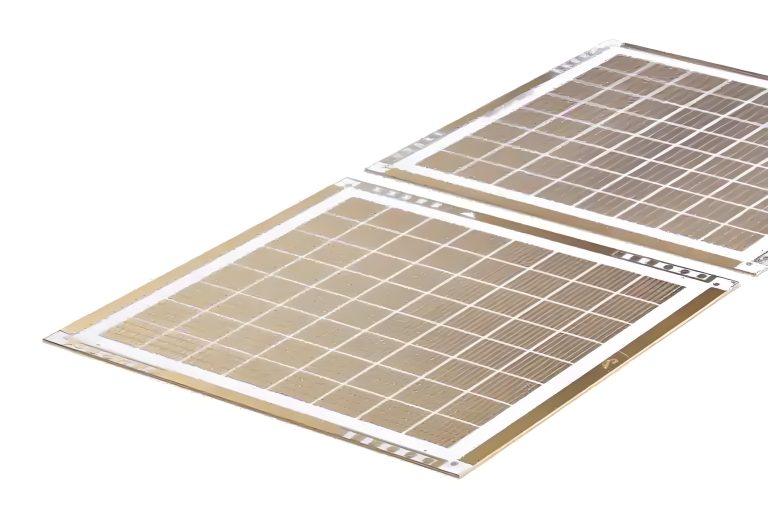
Using a“Detach Core”which has two-layers carrier foil structure on the surface as a core, and forming...
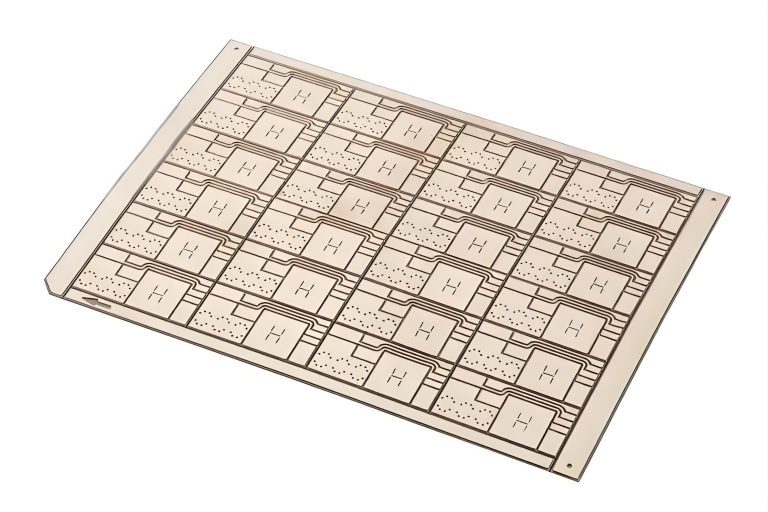
Tenting process is a kind of subtractive process, the process as follows: Laminating photosensitive film...
Modified Semi-Added Process abbreviated as mSAP, which can be used on the core or build-up layers, pattern...
Semi-Added Process abbreviated as SAP, using on the build-up-layer pattern forming as follow:First depositing...
The product generally adopts the pressing lamination process of semi-curing sheets , and line formation...
The products generally adopt the Build-up Film Lamination process, and the circuit formation uses the...