
Satellite communication is changing fast. Instead of clunky mechanical dishes, signals now rely on electronic steering powered by transmit/receive (TR) chips. This change has made global links faster, lighter, and more precise. But chips alone do not carry the system. They depend heavily on advanced packaging and substrate technology to perform reliably in orbit or at ground stations. One company that stands out in this field is DEEPETCH. The company is not just another materials supplier; it is a specialist in high-end packaging substrates designed for demanding markets such as satellite communication and radar. With years of experience, it offers solutions that balance fine circuit density, thermal control, and long mission reliability. If you care about reducing loss at Ka or Ku bands, or want packaging that can handle extreme space conditions, this is where you look. Think of it as the quiet foundation that keeps satellites connected, even when you stream video in the middle of the ocean or track data across continents.

Without TR chips, satellites would still be stuck with slow-moving dishes. The chips allow you to shift beams in milliseconds, which means smoother video calls, faster data, and no waiting for hardware to catch up. This is especially important as satellite constellations multiply and more users demand high-speed links.
TR chips handle signal direction electronically, so you no longer rely on physical motors. Less weight, fewer breakdowns.
They work in high bands where bandwidth is wide, making satellite internet possible for airplanes, ships, and rural regions.
Thousands of chips can sit side by side in an array, creating multiple beams at once and serving many users simultaneously.
TR modules combine chips with amplifiers and control logic. Together they act as the building blocks of phased array antennas. When arranged in panels, they change how satellites connect with Earth.
Each module manages its own transmit and receive path, allowing beams to be formed in parallel across the array.
Switching beams electronically cuts delay down to milliseconds, something mechanical steering cannot match.
They continue to work through vibration, thermal cycling, and radiation exposure, all common in space missions.
Here is the part many overlook: the chip cannot talk to the system without a substrate that can handle fine wiring, heat, and high frequency signals. Substrates are where performance is either preserved or lost.
The FCBGA Substrate allows fine lines and tight spacing, supporting the complex routing needed in beamforming. It reduces signal loss and supports high layer counts, essential for space-grade designs.
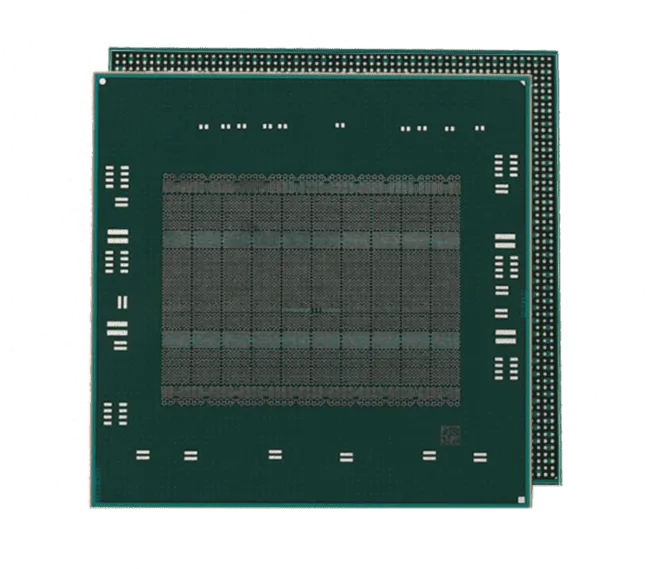
The ABF Substrate maintains clean transmission at high bands, even under thermal stress. This makes it ideal for Ka/Ku applications where signal distortion is not an option.
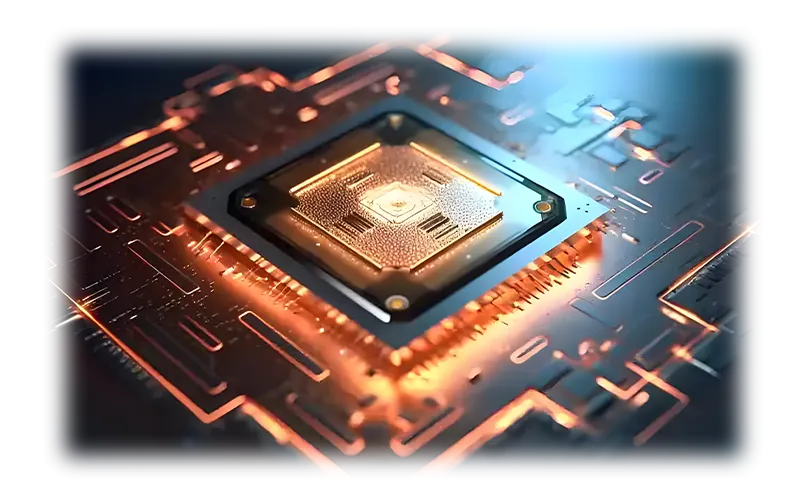
The technology roadmap supports larger unit sizes and finer spacing, which is key as satellite constellations grow and demand scales upward.
Packaging may sound secondary, but in space every gram and every watt counts. The way modules are packaged influences system weight, power, and durability more than many realize.
Better packaging allows modules to shrink, lowering satellite payload weight and reducing launch costs.
Less resistance in interconnects means lower energy loss, stretching battery life and extending satellite service.
Durable packaging handles years of radiation and thermal cycling without failure, keeping satellites functional well beyond initial design life.
It is natural to compare the new with the old. Traditional RF front ends relied on bulky hardware, while TR modules bring agility and scale.
Electronic arrays steer beams instantly, while mechanical dishes take seconds or longer.
By packing more channels into one array, modules provide far greater bandwidth per unit area.
With no motors to break down, maintenance costs drop and uptime increases.
Satellite internet is growing, and with it the pressure on packaging to support higher performance at scale. Substrate innovation is not a luxury—it is a requirement.
Larger panel sizes mean more chips per array, which directly translates to more coverage and capacity.
The material continues to evolve, offering better thermal stability and finer wiring for next-generation satellites.
Continuous development of advanced substrates supports the long-term expansion of satellite communication networks.
TR transceiver chips have reshaped satellite communication. They enable faster beamforming, higher frequency operation, and scalable arrays that support a connected world. Yet their power depends on the substrates beneath them. DEEPETCH follows an IDM-style model that brings design, manufacturing, and service together. For customers in fast-moving markets like satellite communication and radar, this model reduces risk and saves time. It also creates a clear path from prototype to mass production without losing technical detail along the way.
Q1: What is a TR transceiver chip in satellite systems?
A: It is a chip that manages both transmit and receive paths, enabling electronic beam steering in satellite antennas.
Q2: What role do substrates play in TR module performance?
A: Substrates handle fine routing, signal integrity, and thermal control, making them essential for reliable chip function.
Q3: How are modern TR modules different from legacy RF systems?
A: Modern modules steer beams electronically, offer higher bandwidth density, and cut down on maintenance costs.
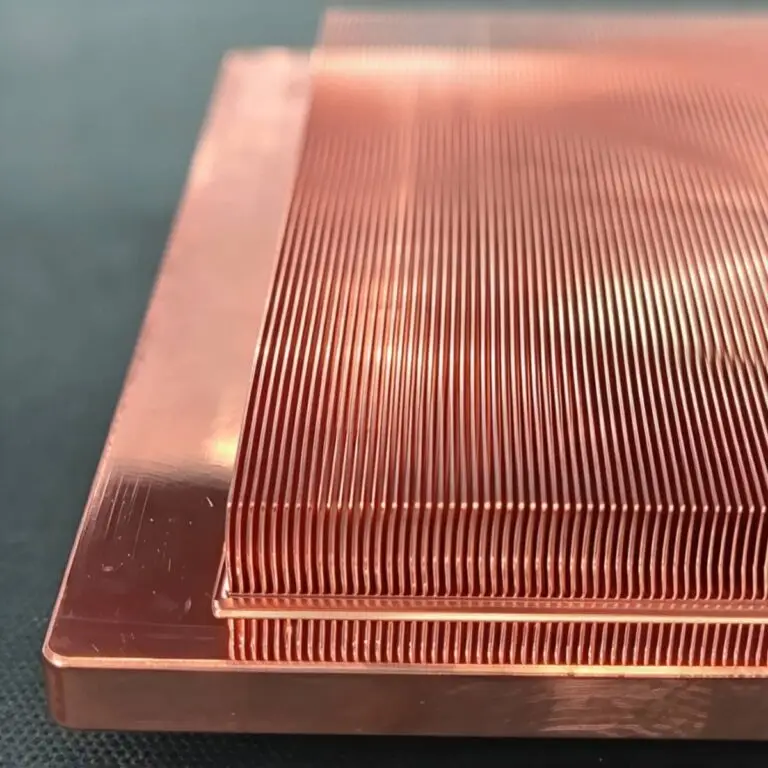
Diamond-Copper Thermally Conductive Composite. High thermal conductivity, tunable CTE, robust.
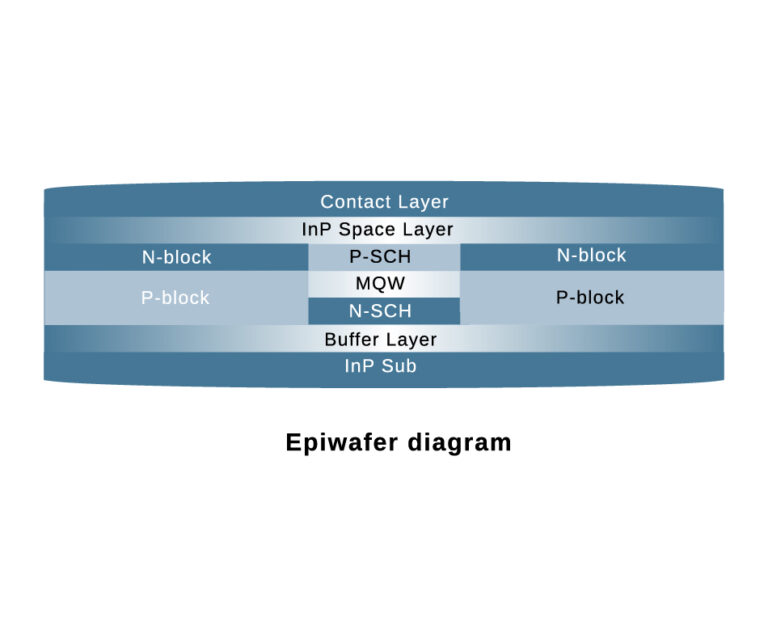
The DE-CW-1310 DFB EPI wafer, a high-performance epitaxial structure designed for distributed feedback (DFB) lasers operating at 1310 nm....
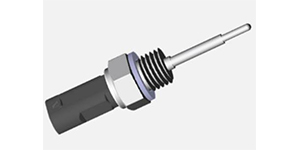
Ceramic thin-filmvacuum sensor Optical gas massflowmeter Liquid mass flowmeter Force sensor MEMS...
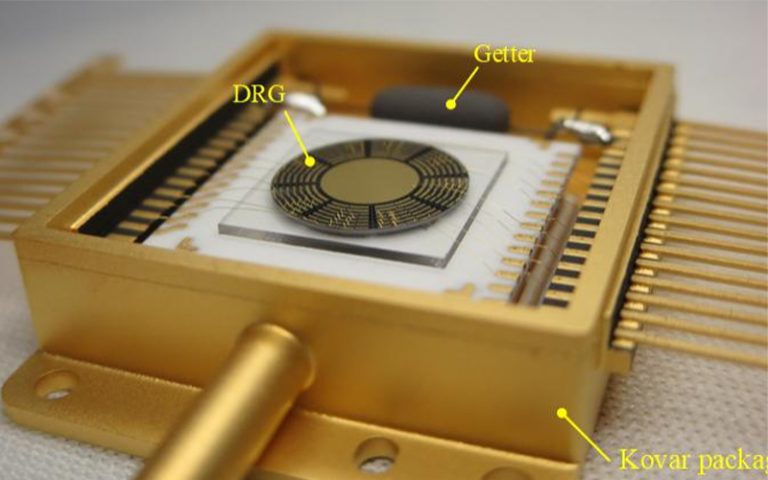
Photoelectric sensing chip Light source chips Optical transmission and modulationchips Optical detection and receptionchips...
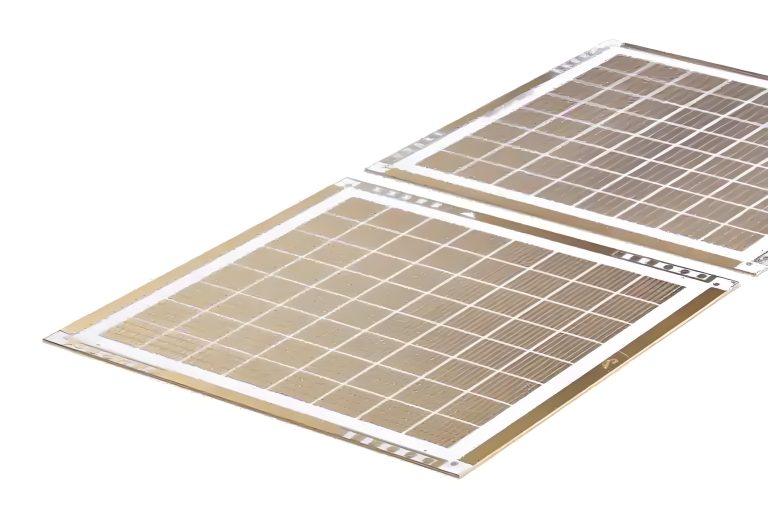
Using a“Detach Core”which has two-layers carrier foil structure on the surface as a core, and forming...
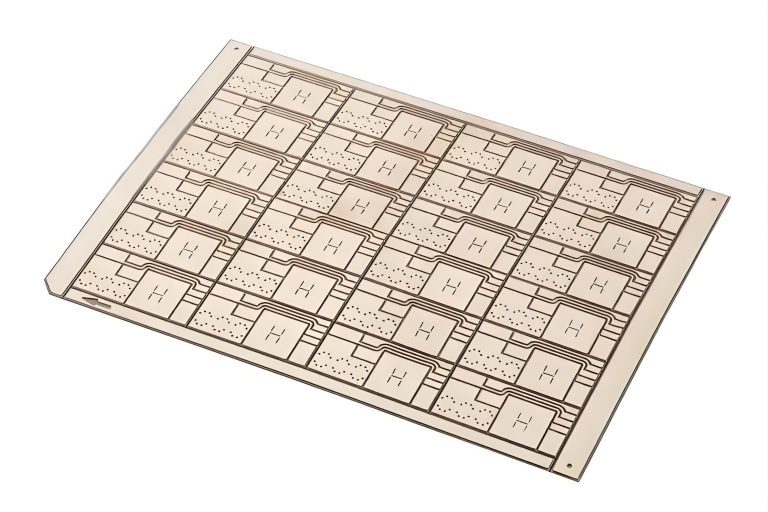
Tenting process is a kind of subtractive process, the process as follows: Laminating photosensitive film...
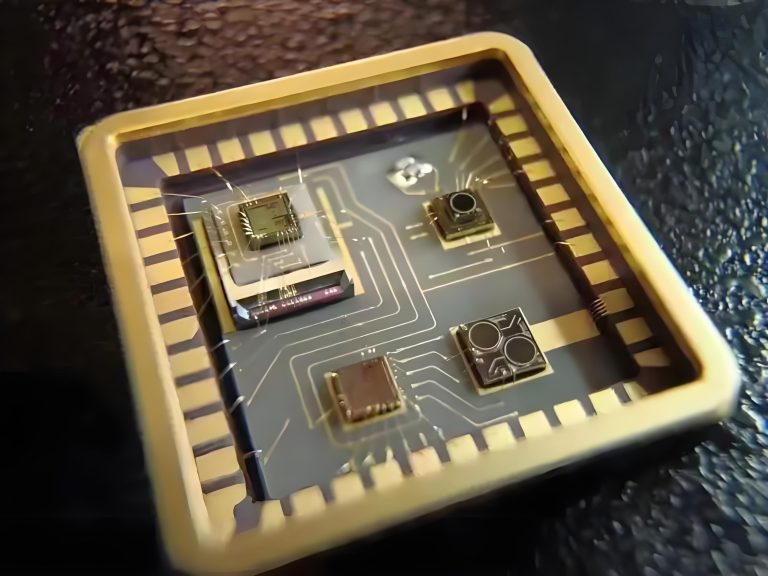
Modified Semi-Added Process abbreviated as mSAP, which can be used on the core or build-up layers, pattern...
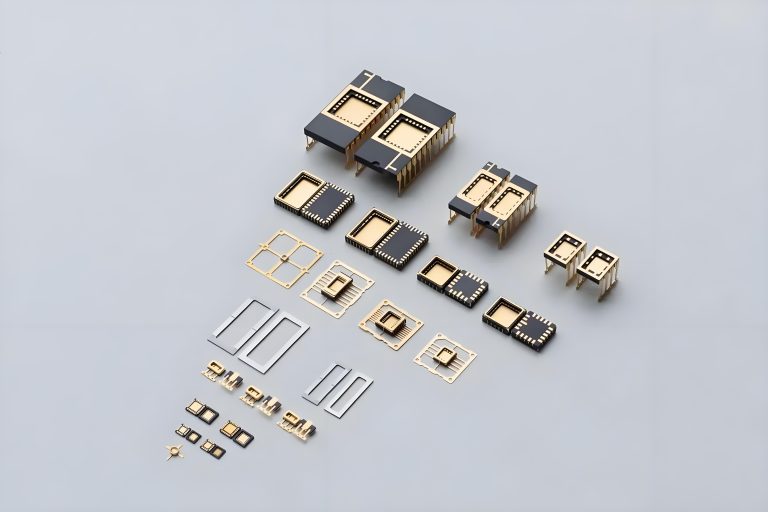
Semi-Added Process abbreviated as SAP, using on the build-up-layer pattern forming as follow:First depositing...
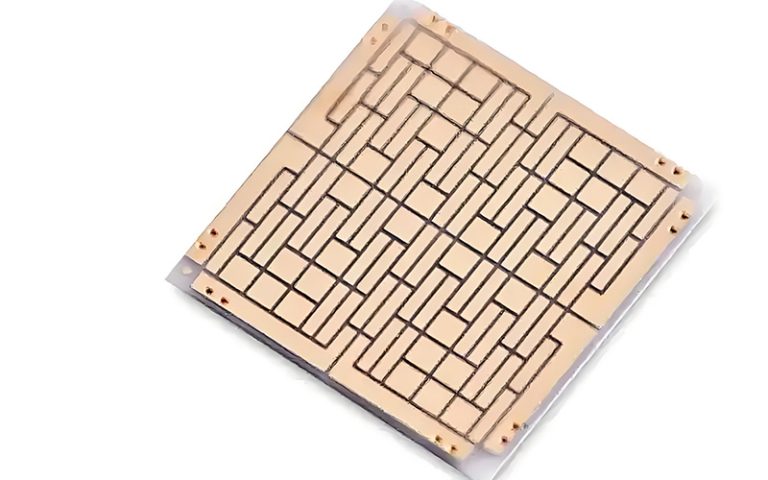
The product generally adopts the pressing lamination process of semi-curing sheets , and line formation...
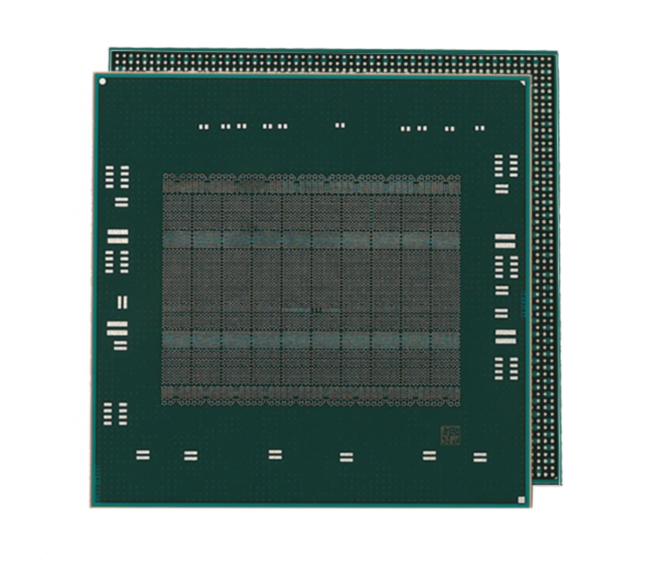
The products generally adopt the Build-up Film Lamination process, and the circuit formation uses the...