
In the world where your phone zips through tasks in a blink, your car steers itself without a hitch, and clean energy lights up whole cities. This isn’t a movie plot; it’s what computational power makes real. Semiconductors, those tiny chips packed with mighty processing strength, are the heart of it all. Materials like silicon and gallium arsenide make devices faster, smarter, and thriftier with power. Whether you’re in the Communications Industry, chasing seamless 5G, or diving into AI, computational power fuels your tech dreams. This article explores how these chips shape progress across fields, tackling your need for dependable, high-speed solutions to stay ahead.

AI needs serious muscle to crunch data fast. You want chips that tackle tricky algorithms and huge datasets with ease. Top-notch semiconductors make this happen, powering tools like voice assistants and smart analytics.
Chips using gallium arsenide (GaAs) zip through neural networks like a racecar. They handle real-time jobs, like spotting faces in security cameras, way quicker than plain silicon can.
Sensors, such as those tracking pressure or heat, feed fresh data to AI setups. In smart factories, they watch machines closely. This cuts downtime by about 30%, keeping production smooth.
Your AI needs, from edge devices to cloud systems, demand chips that adapt. Scalable designs handle different tasks well. So, your chatbots or drones run without a glitch, no matter the setup. DEEPETCH’s AI Industry offerings helps you lead in AI’s fast-changing world.
Your networks need speed and trustiness. Streaming HD videos or keeping satellite signals steady? Computational power delivers. High-frequency chips keep your connections quick and solid.
Gallium arsenide chips, with electron mobility at 8500 cm²/(V*s), shine in 5G and satellite links. They manage signals with little noise. This means clear calls even in busy city spots.
Power amplifiers strengthen weak signals for steady connections. In your phone or a base station, GaAs amplifiers keep calls clear and internet fast. No more dropped calls mid-chat.
Sensors tracking gas or humidity watch network conditions. In data centers, humidity sensors keep gear safe. They cut equipment failures by 15%, so your systems stay online.
Your car’s more than wheels now; it’s a rolling computer. From electric rides to self-driving tech, computational power keeps things safe and smooth on the road.
Pressure and temperature sensors give key data for vehicle systems. In electric cars, battery pressure sensors boost performance. They can stretch battery life by 20%.
High-voltage chips, made from silicon or GaAs, drive electric car motors. These chips manage tough workloads. Your EV speeds up fast while saving juice.
Driver-assist systems (ADAS) need quick chips for split-second choices. Radar chips process data fast to spot road hazards. This makes your drive safer, no question. For solid car tech, DEEPETCH’s Automotive portfolio has chips and sensors built for your needs.
Energy bills hit hard. Smart chip designs cut power use while keeping performance high. This matters for IoT gadgets and green energy projects.
CMOS chips sip power in devices like smartwatches. They keep your gear running longer. Some IoT sensors last years on one battery, no recharge needed.
Gallium arsenide solar cells hit 23-26% efficiency. Used in satellites or solar farms, they crank out more power. This cuts your need for old-school energy sources.
Heat and humidity sensors adjust systems on the fly. In HVAC setups, they trim energy use by 10-15%. They tweak cooling based on real-time conditions, saving you cash.
High-frequency gear, like radar or wireless networks, needs chips that don’t crack under pressure. Advanced semiconductors bring the speed and precision you want.
Gallium arsenide’s high electron mobility fits radar and 5G perfectly. Its direct bandgap handles signals well. Think air traffic control, where every signal counts.
Microwave integrated circuits (MMICs) give high gain with low noise. In satellites, they keep data flowing over huge distances. Your signals stay strong, no matter what.
Tailored chips meet exact frequency needs. Building a radar or 5G station? Custom chips deliver top performance without cutting corners.
The stuff your chips are made of sets their strength. From silicon to new compounds, picking the right material powers your tech smartly and cheaply.
Silicon, with a 1.12 eV bandgap, balances cost and power. Its natural oxide layer makes building chips easier. It’s your best bet for mass chip production.
Gallium arsenide and silicon carbide (SiC) tackle high-power and high-frequency jobs. SiC’s heat resistance suits cars and factories. GaAs rocks in communications.
Gallium oxide and diamond are game-changers. With bandgaps up to 4.9 eV, they’re ready for next-level gear, like EVs or quantum computers. The future’s bright with these.
Staying ahead means grabbing the best tech. Great semiconductors give your business a boost. The right partner seals the deal.
Need reliable chips? DEEPETCH has you covered. As an IDM leader, they craft high-quality chips and sensors for communications, AI, and cars. Their chips-in-stock program gets you parts fast. Using GaAs, silicon, and SiC, they build solutions just for you. With a strong supply chain and certifications like IATF 16949, DEEPETCH keeps your projects moving forward.
Integrated design and manufacturing speed up your work. Custom chips cut time-to-market. You get a leg up in fast-moving fields.
Tailored solutions for AI, communications, and cars hit your performance and reliability goals. Whatever your project, they’ve got the goods.
Q1: Why’s computational power a big deal for tech?
A: It speeds up processing for AI, 5G, and self-driving cars, making them work smoothly and reliably.
Q2: Why pick gallium arsenide over silicon for high-frequency gear?
A: GaAs has better electron mobility (8500 cm²/(V*s)) and a direct bandgap, perfect for 5G and radar.
Q3: How does computational power cut energy bills?
A: Smart chips and sensors trim power use in devices and systems, saving up to 15% on costs.
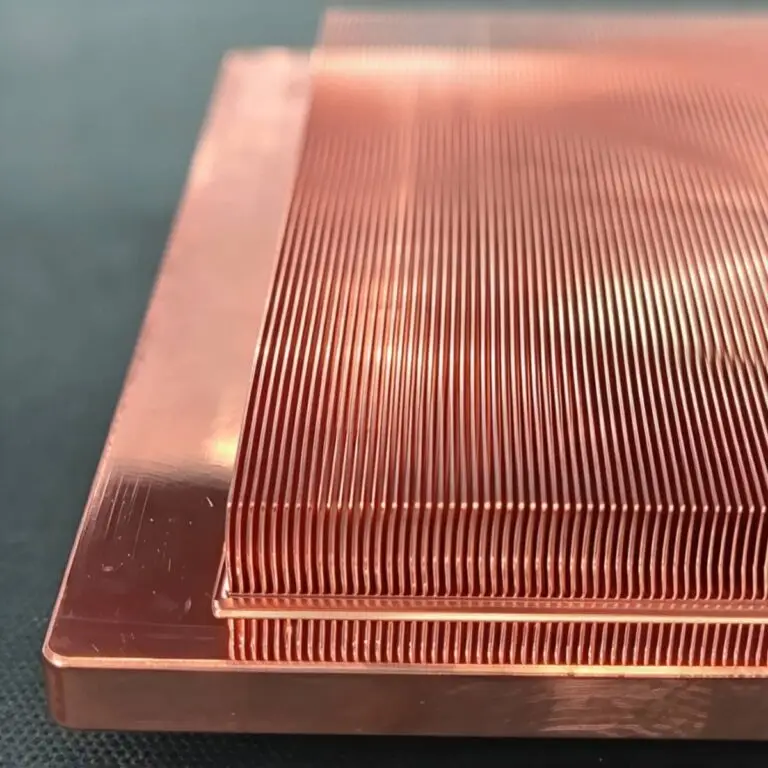
Diamond-Copper Thermally Conductive Composite. High thermal conductivity, tunable CTE, robust.
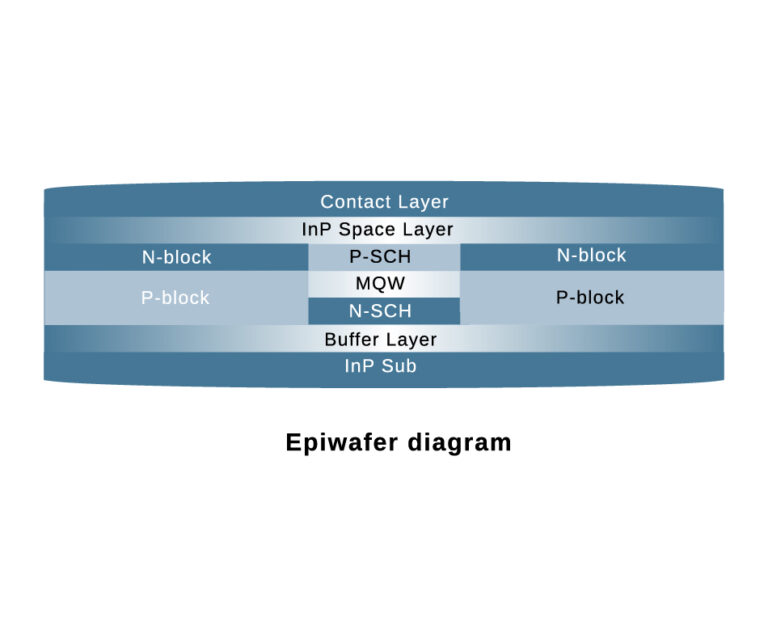
The DE-CW-1310 DFB EPI wafer, a high-performance epitaxial structure designed for distributed feedback (DFB) lasers operating at 1310 nm....
Ceramic thin-filmvacuum sensor Optical gas massflowmeter Liquid mass flowmeter Force sensor MEMS...
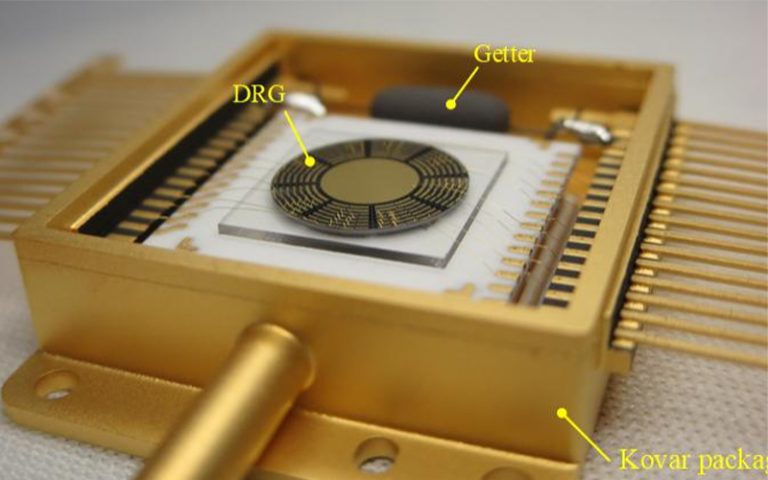
Photoelectric sensing chip Light source chips Optical transmission and modulationchips Optical detection and receptionchips...
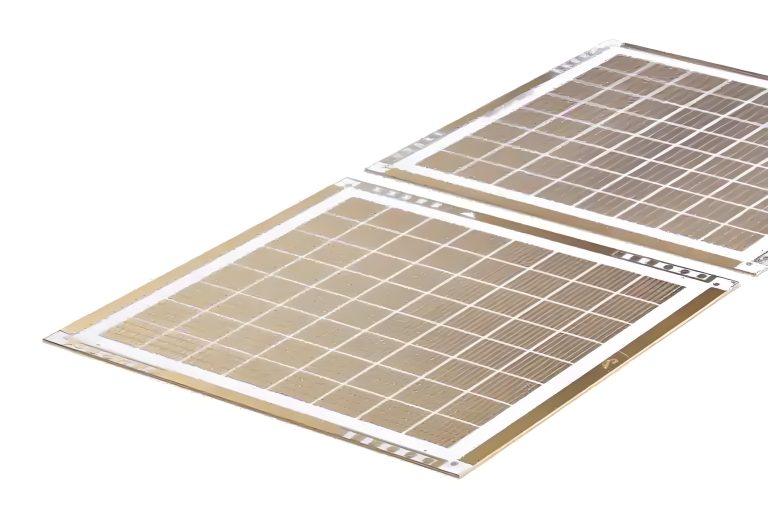
Using a“Detach Core”which has two-layers carrier foil structure on the surface as a core, and forming...
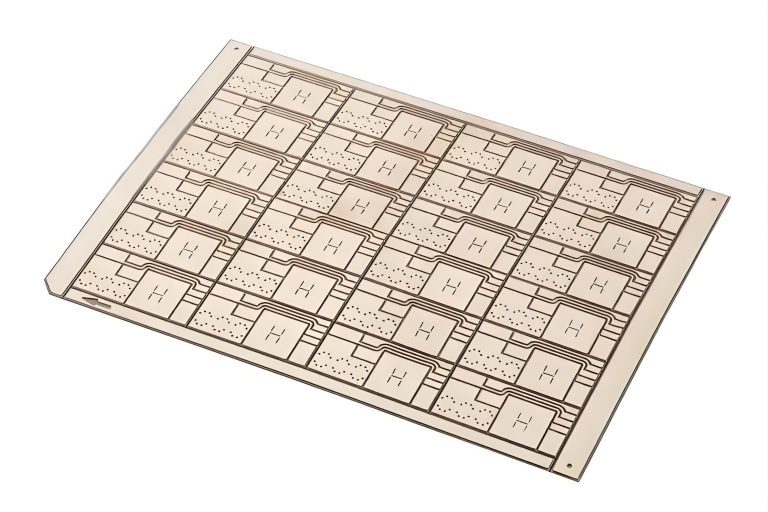
Tenting process is a kind of subtractive process, the process as follows: Laminating photosensitive film...
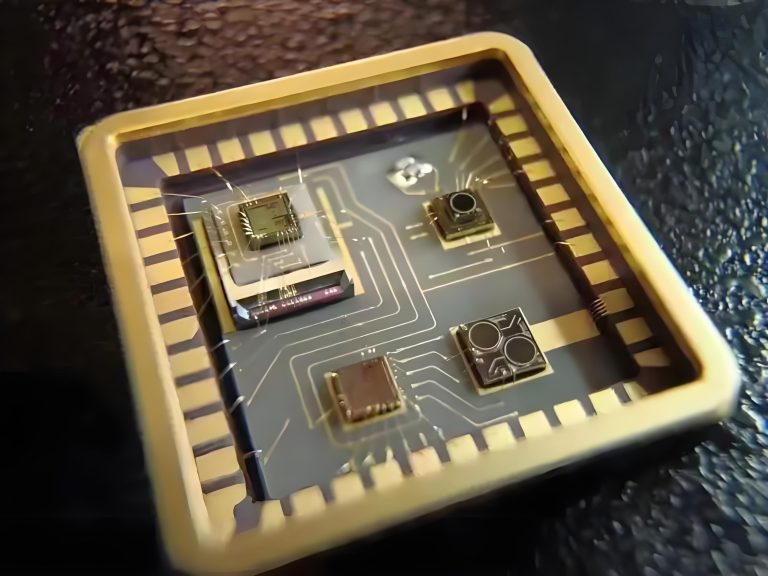
Modified Semi-Added Process abbreviated as mSAP, which can be used on the core or build-up layers, pattern...
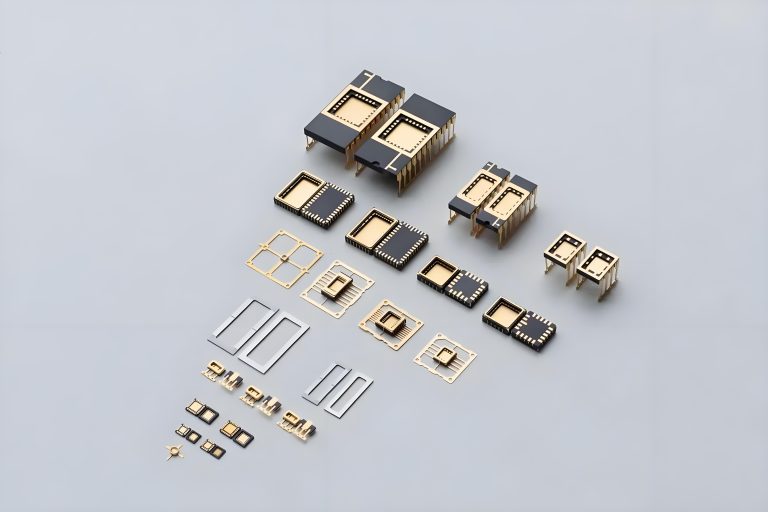
Semi-Added Process abbreviated as SAP, using on the build-up-layer pattern forming as follow:First depositing...
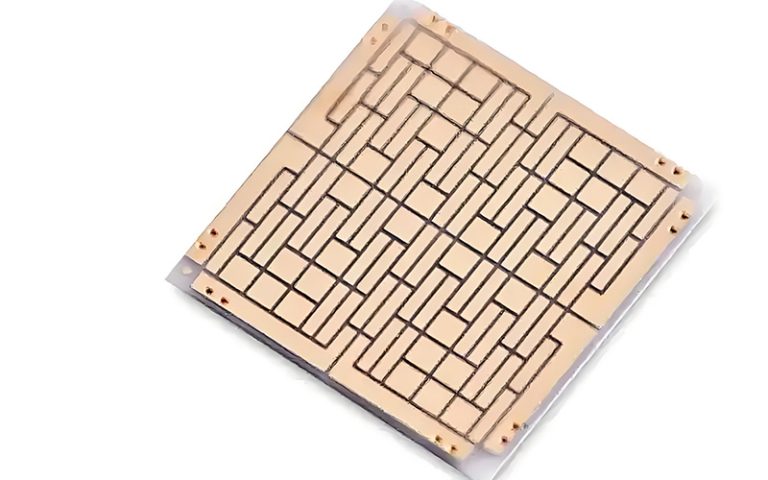
The product generally adopts the pressing lamination process of semi-curing sheets , and line formation...
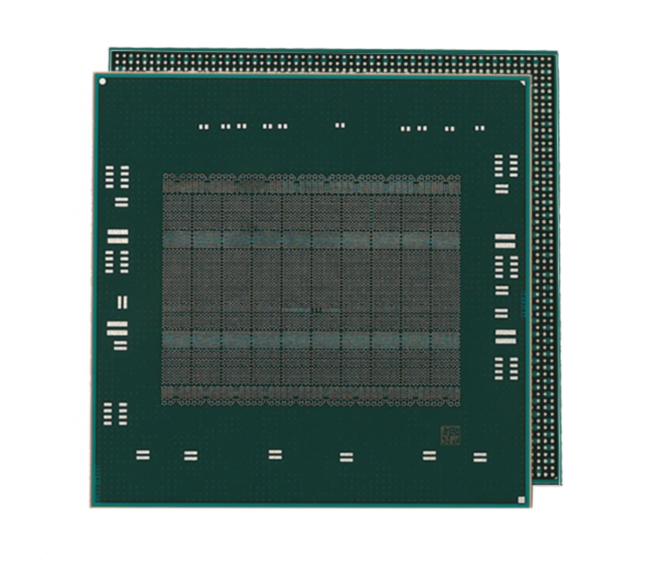
The products generally adopt the Build-up Film Lamination process, and the circuit formation uses the...