

The decision between AOCs and DACs usually starts with a review of the rack drawing for a switch-to-server connection. Connections entirely within a rack have different constraints to connections that run between rows or down through patch panels. Issues considered when selecting a cable type are the length of connection possible, amount of power available at the end of the cable, weight for routing purposes and what needs to be replaced by maintenance staff in the event of a connection failure.
DEEPETCH supplies optical transceivers and optical cables for data-center and HPC applications operating at 10G to 800G. Our optical interconnects portfolio includes OSFP, QSFP-DD and QSFP112 optical interfaces as well as 800G AOC and DAC cables and other types of pluggable optical modules. A full list of our optical interconnects is shown when we have a route and the host ports have been identified by you.
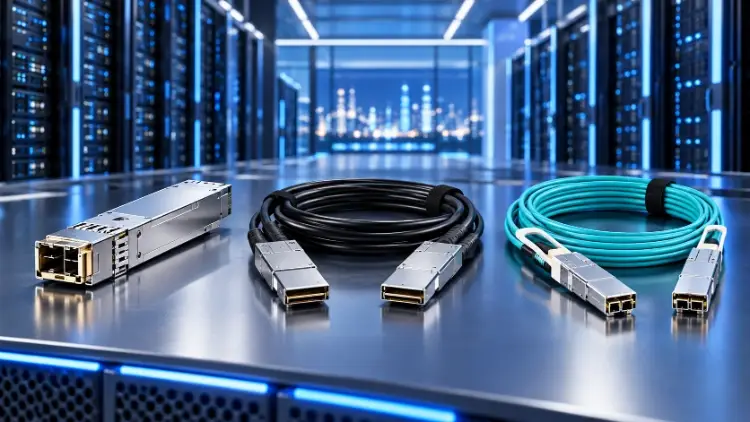
By the name of a medium you can also tell where the conversion takes place. Also, whether a cable and a transceiver are replaceable units or not. This information is important during installation as well as later during maintenance.
For short, contained runs, check DAC connectivity first. No active conversion takes place at the cable ends. A simple assembly, but then the route must fall within the passive link length. It is most effective when both ends are connected with compatible connectors and you have a good idea of the resultant cable run, including any slack and service loops.
For the DEEPETCH 800G DACs, we have OSFP-to-OSFP assemblies and QSFP-DD-to-QSFP-DD assemblies. We have short-reach versions to connect within a rack. Please check for length, connector pinout, host cable requirements, and power connections for your part of interest to proceed with the order.
ACC or AEC cables are used to preserve the copper connection to the terminal equipment and at the same time add active signal processing to the link. Active cables are used where optical fibers are not needed but additional equipment in the rack needs to be powered and cooled.
Determine power/thermal requirements of additional electronics and compare to switch port, cable path, and ACC/AEC requirements as a longer DAC as opposed to simple add-on.
AOC is an Active Optical Cable with optical conversion at the ends of the cable and shipped as a fixed assembly. Such products are typically considered if the copper connection has not enough space, or if the reduced weight of the cable and the lower sensitivity to electromagnetic interference makes a very dense routing possible. The cable with ends as one unit can not be replaced as easily as pluggables which can be swapped while leaving the fibers in place.
DEEPETCH 800G AOC are available in OSFP and QSFP-DD form factors using 850nm VCSEL and PIN photodiodes. The DEEPETCH 800G optical modules are offered in OM3 and OM4 reach versions. This offers a wider range of optical modules than a single fixed AOC.

Optical transceiver module and the fiber path are independent items. Use of patch panels, long fiber runs and service processes that replace the transceiver module while leaving the existing fibers in place is possible.
We have various product families such as SR8, DR8, and FR8 all in the 800G range. We will go through the procurement check list for the host cage, optical budget, connectors, fiber routes, breakouts and management interface etc.
A set of main procurement checks has been established for the selected part against the host drawing and qualification requirements.
| Interconnect | Typical role | DEEPETCH selection focus | Main review point |
| Passive DAC | Very short rack or adjacent-device link | OSFP or QSFP-DD assembly | Installed length and port compatibility |
| ACC | Short copper link with active extension | Active copper assembly | Added power and thermal load |
| AEC | Copper link requiring more electrical reach | Active equalized assembly | Reach, power, and signal integrity |
| AOC | Fixed optical route | OSFP or QSFP-DD AOC | Fiber route, bend radius, and connector assembly |
| Pluggable optical transceiver | Flexible optical route | SR8, DR8, or FR8 family | Form factor, optical budget, and patching |
Comparing AOCs with DACs for connecting within data centers requires more than just cable length. It’s also important to consider whether a cable is a single unit that must be removed and replaced as a whole, versus individual optical modules and fibers that can be serviced individually.
Provide a comparison table for the 800G data center interconnect products, listing out the routes, host cages, protocols and service procedures.
Work from the physical route out to the electronics. Many errors are made when planning the routes of equipment that are placed close together, but the cable takes the long way round via guides, panels and service loops.
To accurately measure cable length, include in your measurement the length for cable managers, vertical drops, patch panels and additional cable length for future service connections to the rack. Installed cable length is not equal to rack-to-rack distance.
DEEPETCH DAC assemblies for very short fixed lengths are available to match standard host connectors and lengths. Compare this with active copper cabling for short runs, and also consider the optical solution along the route. AOC is best for fixed optical routes but a pluggable AOC module can offer greater flexibility where the fiber plant or route length is variable.
This is the real decision point in the data center market for AOC vs DAC, before looking at price.
Please check the switch and server cages first before sending out a quote for cable. OSFP, QSFP-DD, and QSFP112 cables are not interchangable due to factors such as connector orientation, breakout, cable exit, and clearance around release mechanism.
Just because both assemblies are 800G does not mean that both can be connected to any other assembly. The number of lanes, the electrical interface, the protocol, the firmware and the management functions all have to match the connecting equipment.
For power and thermal review of cable end conversion, list out active components such as ACC, AEC, AOC and pluggable optics. For DAC that has no active cable-end conversion, use power for the selected part at the operating condition for which it was selected and not some family-level number.
Also consider the collective impact on the switch of port power, cable bundle size, cross-connect isolation between switch server cluster rings and switch cabling access to adjacent rack cages. Consider also the process to replace a failed link.
For high-density electrical installations, copper cables and optical assemblies behave very differently. By confining the optical part of the link to the AOC, electromagnetic exposure is minimized. DAC remains a suitable option for very short, compact and mechanically robust connections.
Weight of the cable, minimum bend radius, connector clearance, airflow / liquid cooling, and replacement path all need to be checked. Even a cable which meets all electrical requirements can cause huge problems with service if it blocks a cage or forces a sharp bend.
The DEEPETCH optical products that are relevant to this use case are rated for operation over Ethernet and InfiniBand. Many of the products also support digital diagnostics via the I2C interface. Please confirm details such as lane mapping, switch firmware and any other management data as well as diagnostic access prior to approval.
AOC is a reasonable choice when the route is fixed and passive copper cannot be made to work. Also, the optical path can be beneficial to exposure of interference sources or to reduce cable weight. The fixed ends of an AOC are a convenience when a connection is not going to be moved, but connectivity limited AOCs are not the best choice for sites that plan to change out cable routes frequently.
Short low power cables can also be connected using DAC cables. Compare active optical cables with direct attach copper cables after you have planned out the rack layout, made provision for service loops and methods for replacing the cables. Both types of cables can cause problems if they are too long or made into unsatisfactory runs.
Pluggable transceivers offer more flexibility when a network needs to support different cable lengths, separate patch panels or even allows for a separate module and fiber assembly for easy replacement. Also, the host port can be left in place while the optical connection is changed by the service team.
AOC is simple when both ends are fixed and the buyer wants a single fixed cable assembly. DEEPETCH AOC is designed for repeated point-to-point connections whereas DEEPETCH pluggable optical families are designed for patching and module change-out as separate activities.
When multiple bidders have quoted for the same link, evaluating their respective RFQs is much easier. So list the information that the supplier must verify against the target platform.
For even wider system context, see the high-speed optic solutions overview and the host-port drawing. If there is other tank-side equipment at the same facility, reference the cooling boundary in the RFQ.
In the RFQ please make sure the specific DEEPETCH 800G AOC configuration you are looking for is listed and the fixed route between the two end points is noted and is accurate.
For short test runs DEEPETCH DAC is the more direct way to test. For a fixed optical route DEEPETCH AOC is the better choice. For installations where the fiber route or length is to change from time to time, a DEEPETCH pluggable optical transceiver is the better option. AOC vs DAC – the best option is the one that matches your installation needs, not a one-size-fits-all choice.
Highlight the boundary of the tank for liquid-cooled equipment on the drawing. A link on a dry rack and a link in a tank are not necessarily compatible items.
When requesting a technical review of a project, please supply host-port type, target speed, installed route, connector plan, cooling environment and replacement constraints on the contact page. This will ensure that your engineering information is not replaced by information supplied for selection purposes and that it is routed to the appropriate DEEPETCH engineers.
Although DAC may be cost effective for very short and simple connections, the total installed cost for DAC includes power, routing, service access points, and cabling around a switch face. AOC is cost effective for longer optical runs and for fixed factory terminated connections.
A DAC cable for your AI data center is typically used for fixed length connections to endpoints with matching connectors. If you have routes that have not yet been designed, it is best to compare all options before placing your order.
An AOC is a fixed active cable assembly and should be contrasted with a pluggable optical transceiver which is connected to a device with a separate fiber or patch-cable. The choice between an AOC and pluggable optical transceivers will depend on a number of factors including the host form factor, reach required, amount of patching, service strategy and overall network architecture.
Check the route installed, the host cage installed, the connector arrangement, the protocol used, the power condition, the minimum bend radius and the replacement path. Based on these points you can quickly determine whether you can install passive copper, active copper, AOC or even pluggable modules and get them serviced as well.
This information can also be used to check if the selected DAC cable for the AI data center is sufficient for the length of the cable run or if an optical assembly must be specified.
Check that the parts have been correctly assembled against the installed link before issuing the purchase order.
The Diamond Heat Spreader is a highly efficient thermal management material engineered for the most demanding...
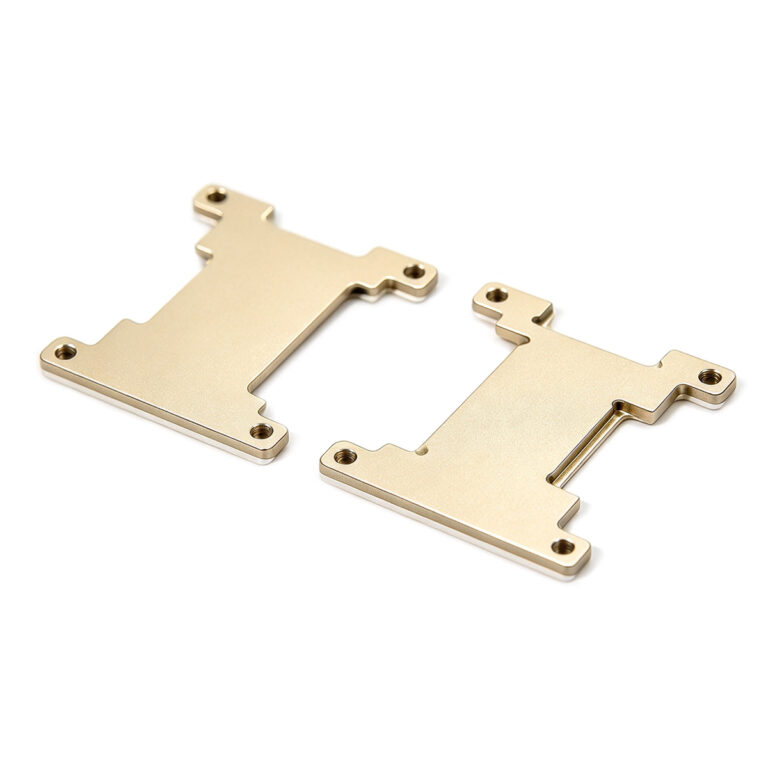
Molybdenum copper composite: adjustable CTE, high conductivity, lower density than tungsten copper. No...
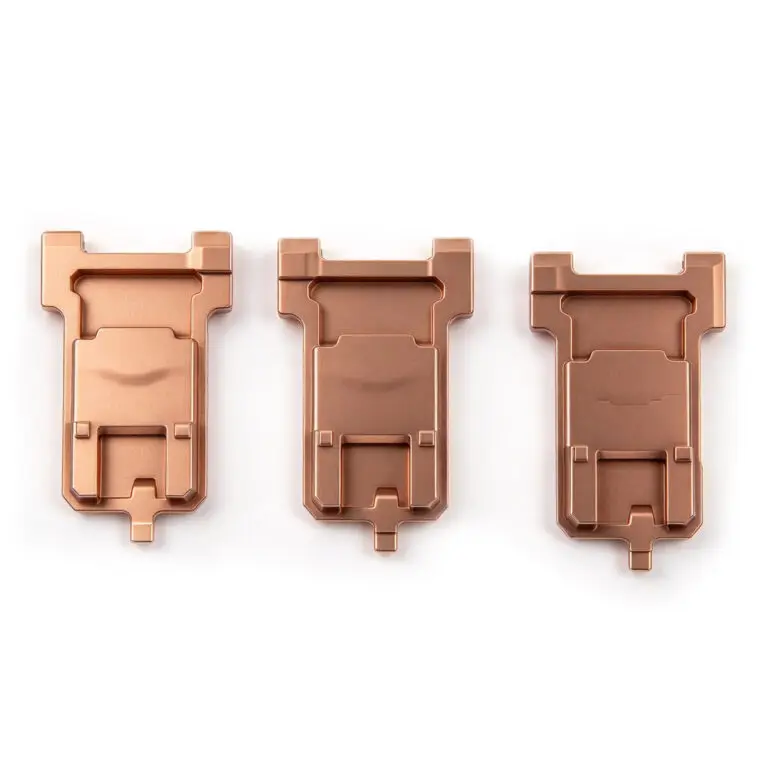
Tungsten copper composite: low CTE, high conductivity. Ideal for RF, power, optical packaging.
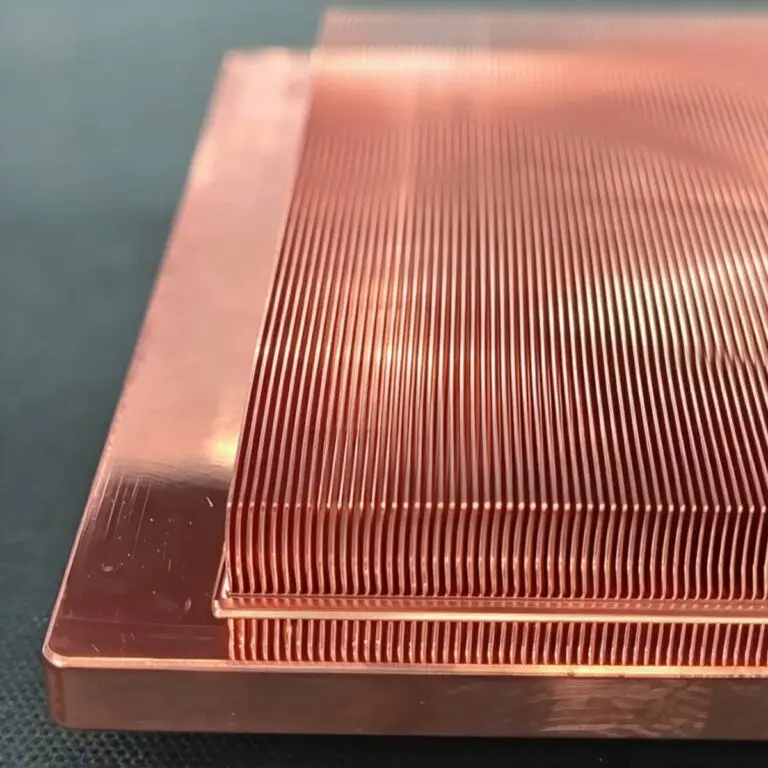
Diamond-Copper Thermally Conductive Composite. High thermal conductivity, tunable CTE, robust.
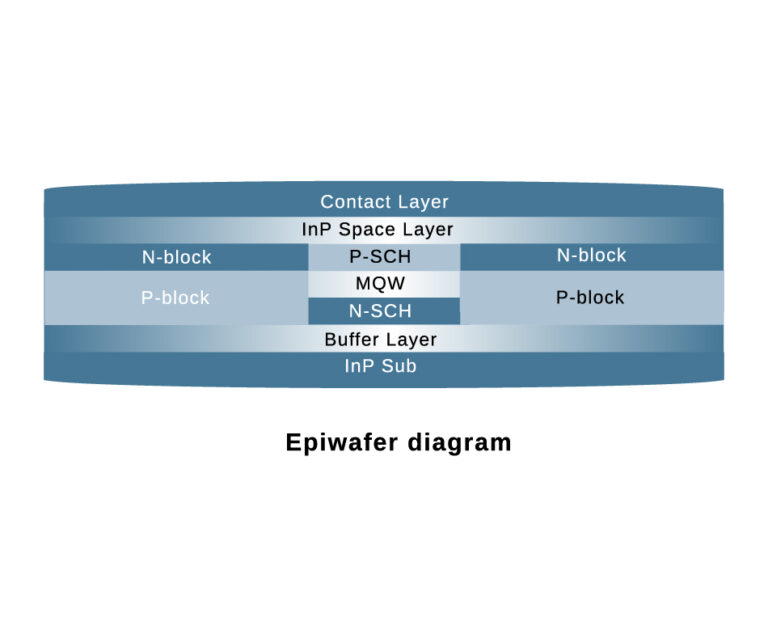
The DE-CW-1310 DFB EPI wafer, a high-performance epitaxial structure designed for distributed feedback (DFB) lasers operating at 1310 nm....
Ceramic thin-filmvacuum sensor Optical gas massflowmeter Liquid mass flowmeter Force sensor MEMS...
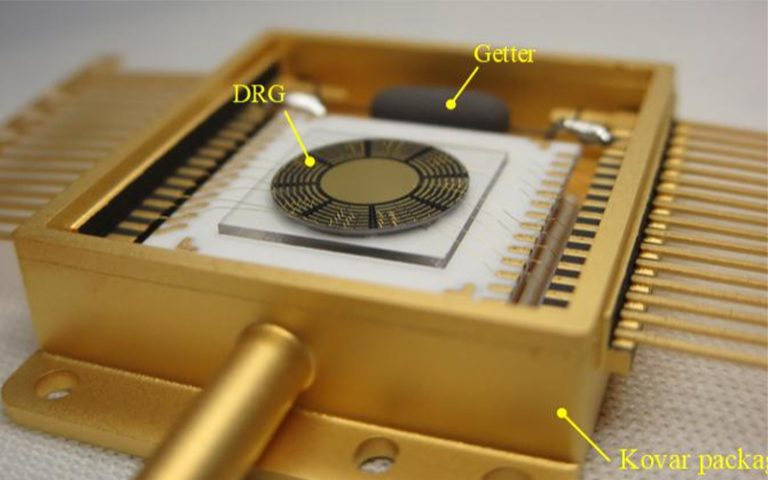
Photoelectric sensing chip Light source chips Optical transmission and modulationchips Optical detection and receptionchips...
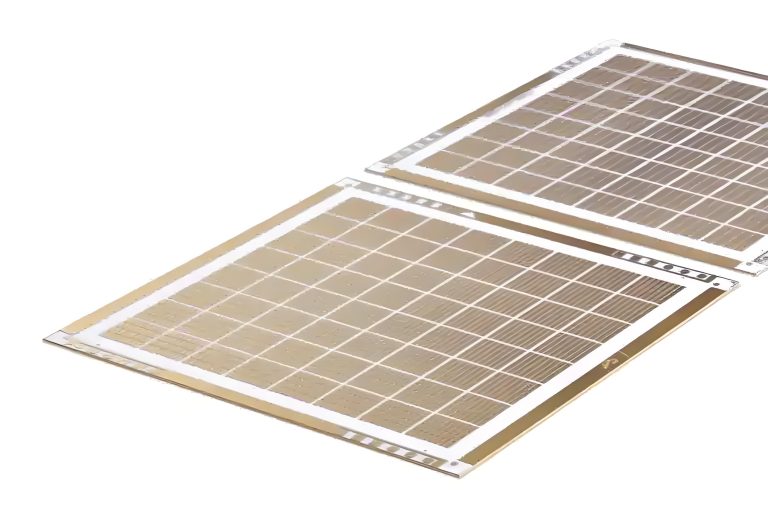
Using a“Detach Core”which has two-layers carrier foil structure on the surface as a core, and forming...
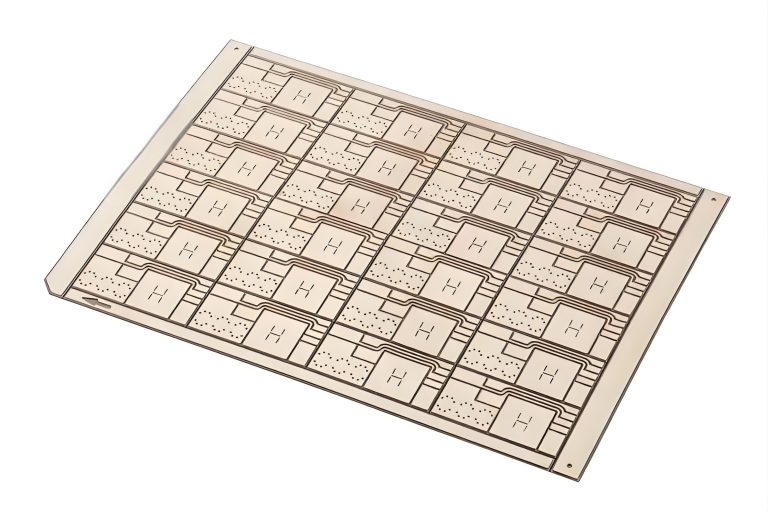
Tenting process is a kind of subtractive process, the process as follows: Laminating photosensitive film...
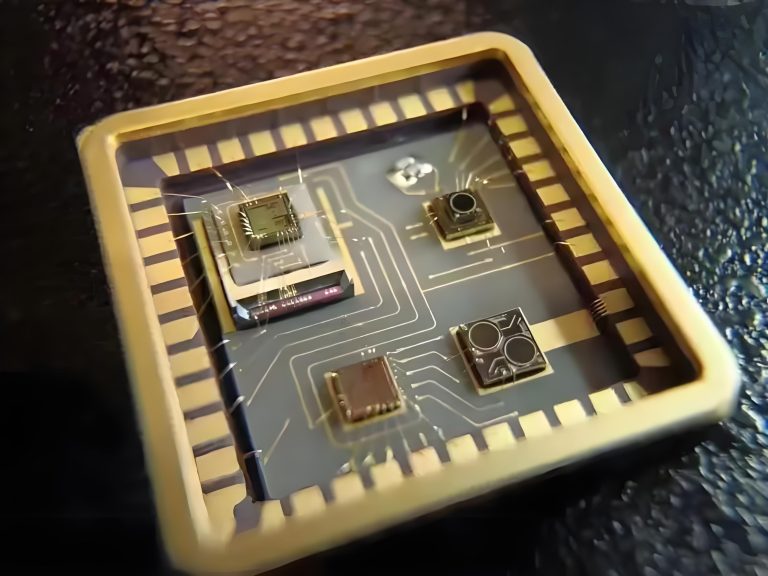
Modified Semi-Added Process abbreviated as mSAP, which can be used on the core or build-up layers, pattern...