
An optical communication customization project needs a defined component scope before a quotation can be compared. Separate the semiconductor or package requirement from the external cable assembly, and assign a supplier to each deliverable. Wavelength, optical interfaces, electrical connections, thermal conditions and acceptance tests belong in the same controlled brief.
DEEPETCH presents semiconductor products and services for optical and communication applications, including laser-related products, sensors, ceramic packages and substrates. Its customization process covers requirements, design review, samples, testing and production. The specific component, manufacturing responsibility and deliverables should be agreed for each project.
A laser die, packaged optical component and complete cable assembly are different deliverables. Write down what the supplier must design, manufacture, assemble and test. Identify any interfaces or items supplied by another party so they are not silently included in the quotation.
Describe whether the component generates, detects, modulates or supports an optical signal. Specify the operating wavelength or wavelength range, required performance and test conditions. Use the system’s requirements rather than copying a headline value from an unrelated part.
Distinguish typical performance from guaranteed acceptance limits. Include temperature, operating current or voltage, optical coupling conditions and measurement method where relevant. A value measured under one set of conditions may not represent the installed system.
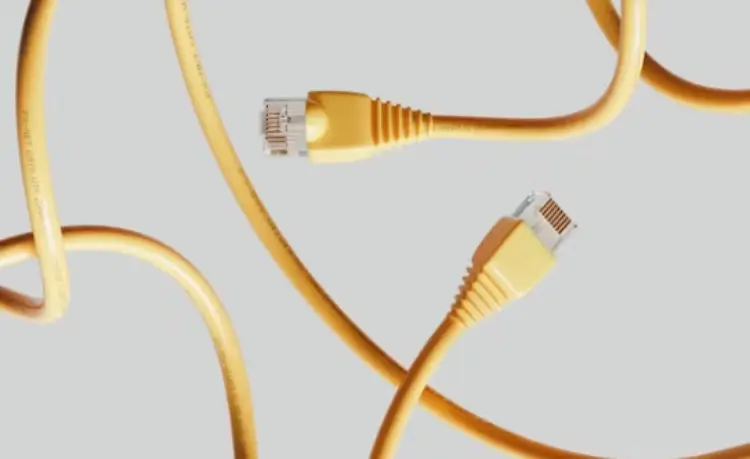
Identify who supplies connectors, fibers, pigtails, patch cords and any termination work. Semiconductor customization does not automatically include field cable repair. A cable-related deliverable needs its own drawing, materials, workmanship requirements and acceptance record.
Where an optical component connects to a separate fiber assembly, define the interface between them and the responsible parties. Specify whether coupling, connectorization and final assembly testing are included, subcontracted or excluded.
Send the intended application, target performance, environmental conditions, mechanical envelope and expected volumes for technical review. Ask which requirements can be supported by an existing product and which need a new design, tooling or qualification.
Record unresolved requirements and who must close them. Do not freeze a component drawing while its optical interface or thermal path is still changing. A quotation should identify assumptions, exclusions and the design revision on which it is based.
Interface definitions let different suppliers work to the same system requirements. Keep dimensions, connection details and test limits consistent across the component drawing, assembly specification and sample request.
For a light-source project, define wavelength, output-power requirements and operating conditions relevant to the application. For a receiver or sensor, specify the response and measurement conditions needed by the system. Do not apply a laser’s specification fields to every optical component.
Confirm how the component will be coupled to the next optical element. Alignment tolerances, fiber type and connector details should come from the selected system architecture. Changing an interface after samples are built can require new assembly fixtures and retesting.
For external connections, the discussion of single-mode vs multimode fiber patch cables provides selection context. Confirm the actual fiber type, connector interface and polish, wavelength range, loss budget and bend requirements with the cable supplier. These checks do not establish that a semiconductor supplier offers patch-cord manufacturing or retermination.
For a package or substrate, provide the outline, mounting features, electrical connections, material requirements and intended heat path. State the operating environment and assembly process. Ask the supplier to confirm achievable tolerances and test methods for the selected design rather than assigning generic thermal or sealing claims.

Prototype approval should answer specific technical questions before production quantities are ordered. Agree on the sample revision, quantity, evaluation responsibilities and the evidence required to accept or reject the design.
Issue a controlled drawing and component specification. Record dimensions, materials, interfaces and acceptance limits, along with any approved deviations. The supplier and customer should use the same revision when samples are made and evaluated.
Separate optical performance, electrical function, mechanical fit and environmental tests. For each applicable test, define the setup, conditions, sample quantity and pass criteria. Agree which tests are supplier release checks and which are customer qualification activities.
Record a failed sample’s identity, symptoms, test conditions and disposition. Correct the underlying design or process issue before resubmission. A sample that passes after an undocumented adjustment is not a stable reference for a production order.
Production approval should connect the accepted design to an inspection plan and a traceable batch record. Changes to materials, dimensions, manufacturing steps or test methods need an agreed review route.
Assign part numbers that distinguish functional and interface differences. Identify the approved revision, batch or lot, and relevant test records. Avoid treating two parts with similar appearance as interchangeable when their optical or electrical characteristics differ.
Agree on checks for supplied materials and completed components. Select inspection points that can reveal the relevant failure modes, such as dimensional mismatch, interface defects or performance outside the specified range. A visual check alone cannot verify optical performance.
Requests involving custom cables need a separate capability and scope confirmation within the customization discussion. Specify whether the inquiry concerns a component interface, a supplied assembly or work by a specialist cable provider. Do not assume that a general customization process includes patch-cable repair or field termination.
DEEPETCH’s published process includes requirements communication, design review, sample production and testing, quality control, production arrangements and after-sales support. Use those stages to agree the actual project deliverables; they are not a substitute for a product-specific technical commitment.
Before production, confirm the approved drawing, acceptance plan, quantities, delivery schedule and packaging needs. List customer-supplied parts and third-party responsibilities so the delivery scope remains clear.
Before accepting a shipment, match part and revision identifiers to the agreed specification and inspection records. Hold mismatched or undocumented items for review instead of accepting them because the package looks familiar.
Keep the technical agreement, sample approval and later change records together. That history provides a usable basis for repeat orders, failure investigation and replacement planning.
Optical communication customization works best when component boundaries and acceptance criteria are explicit. Define the optical, mechanical and thermal requirements, verify samples under agreed conditions, and link repeat production to the approved revision. Keep cable supply and termination work separate unless the supplier has expressly accepted that scope.
Send the application, component scope, drawings, performance targets and expected quantities through the contact page. Identify any external fiber assemblies separately so DEEPETCH can confirm what the project can include before quoting.
Include the required function, wavelength or response range, operating conditions, mechanical envelope, electrical and optical interfaces, expected volume and acceptance tests. Identify the drawing revision and any unresolved requirements.
No. Cable supply, connectorization and field retermination are separate services. Obtain explicit capability confirmation, a defined work scope and applicable test requirements before assigning those tasks.
Approve it after the agreed tests meet the acceptance limits, deviations are resolved or formally accepted, and the drawing, materials and process revision are fixed. Keep the signed approval and test results as the production reference.
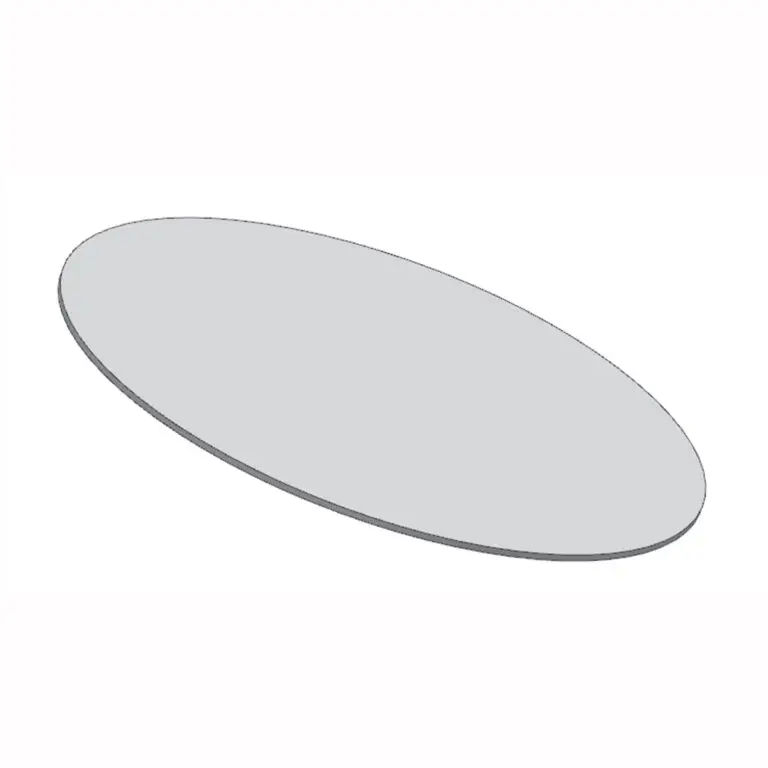
The Diamond Heat Spreader is a highly efficient thermal management material engineered for the most demanding...
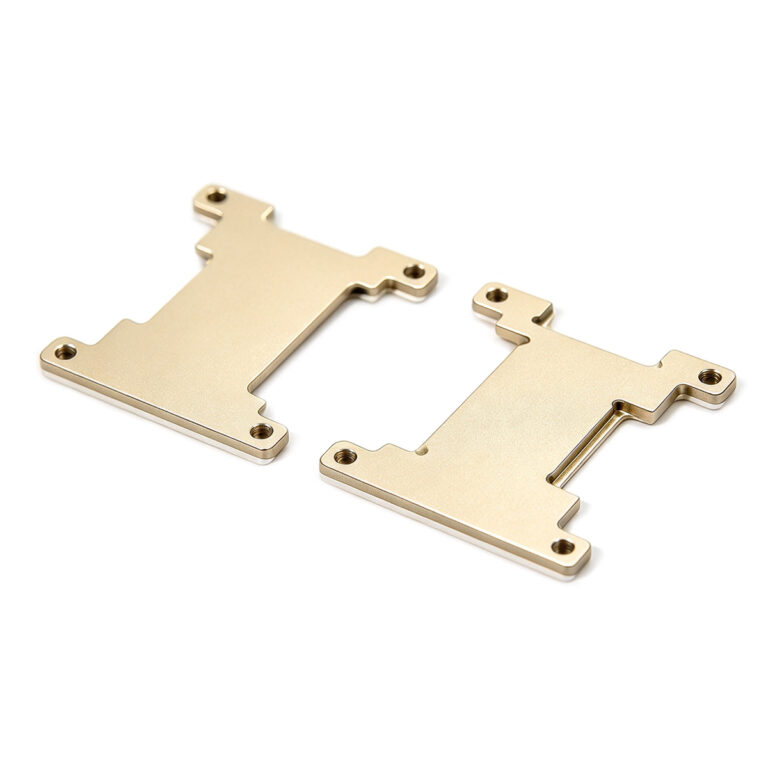
Molybdenum copper composite: adjustable CTE, high conductivity, lower density than tungsten copper. No...
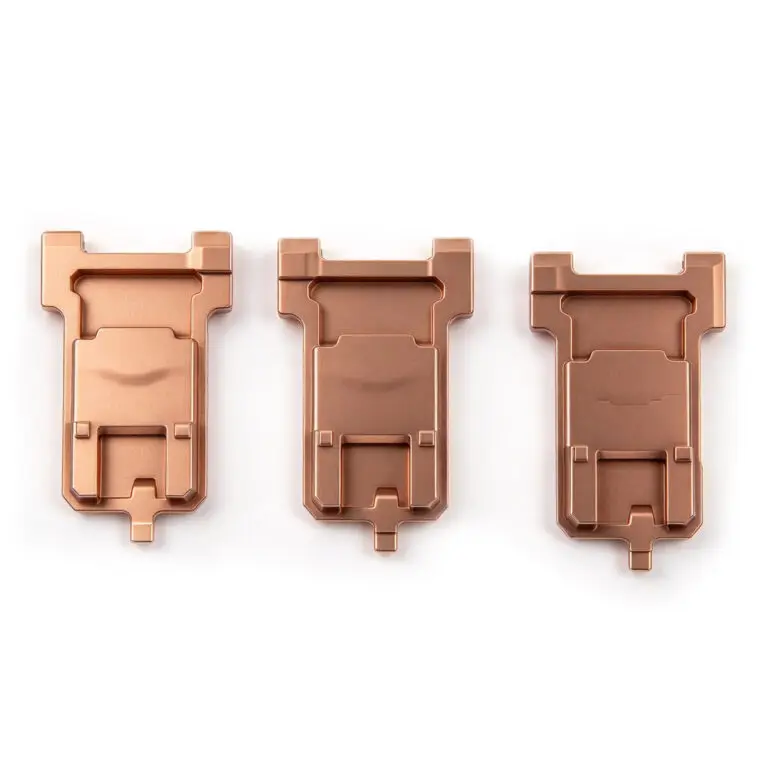
Tungsten copper composite: low CTE, high conductivity. Ideal for RF, power, optical packaging.
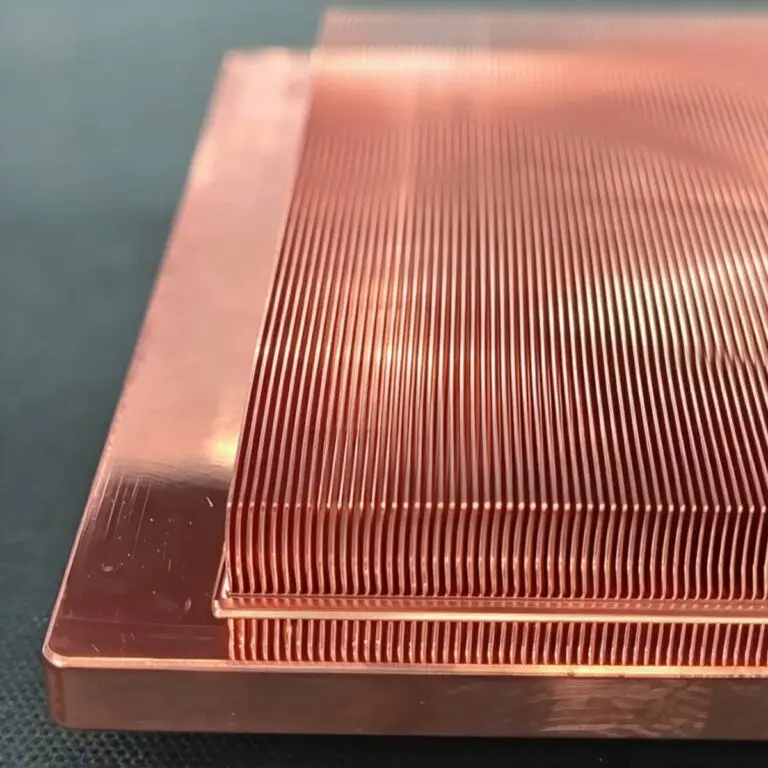
Diamond-Copper Thermally Conductive Composite. High thermal conductivity, tunable CTE, robust.
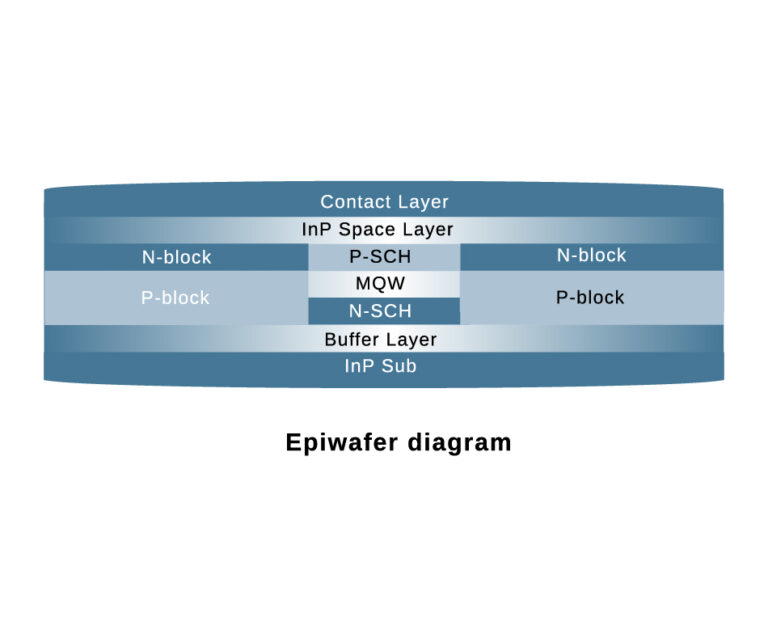
The DE-CW-1310 DFB EPI wafer, a high-performance epitaxial structure designed for distributed feedback (DFB) lasers operating at 1310 nm....
Ceramic thin-filmvacuum sensor Optical gas massflowmeter Liquid mass flowmeter Force sensor MEMS...
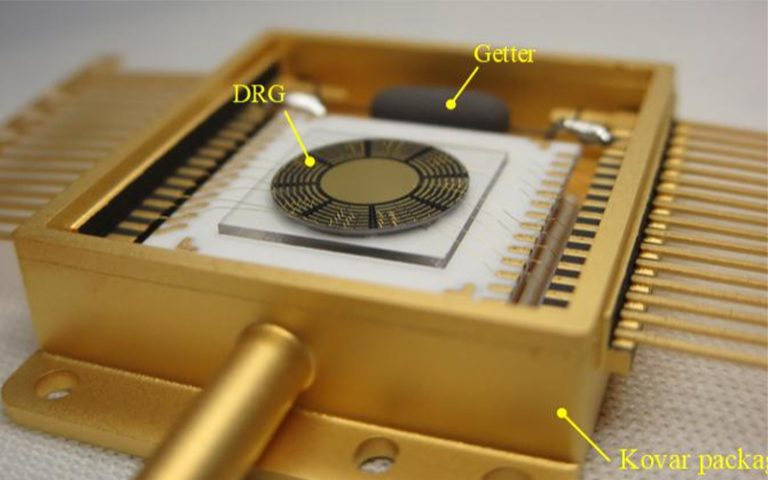
Photoelectric sensing chip Light source chips Optical transmission and modulationchips Optical detection and receptionchips...
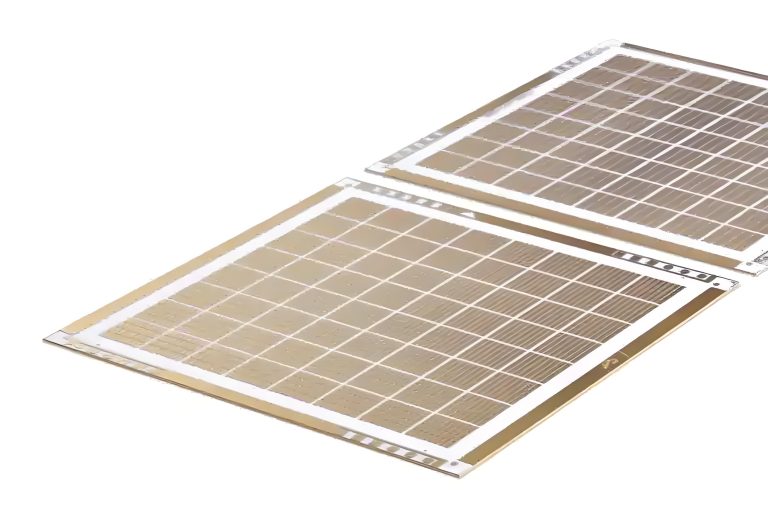
Using a“Detach Core”which has two-layers carrier foil structure on the surface as a core, and forming...
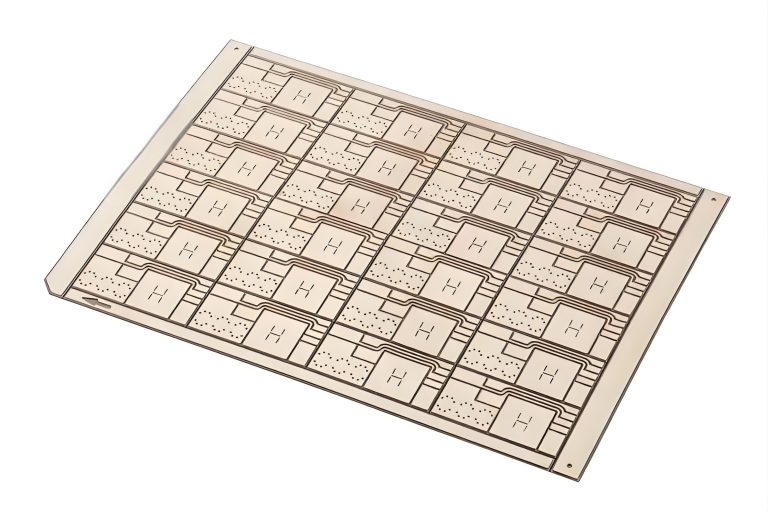
Tenting process is a kind of subtractive process, the process as follows: Laminating photosensitive film...
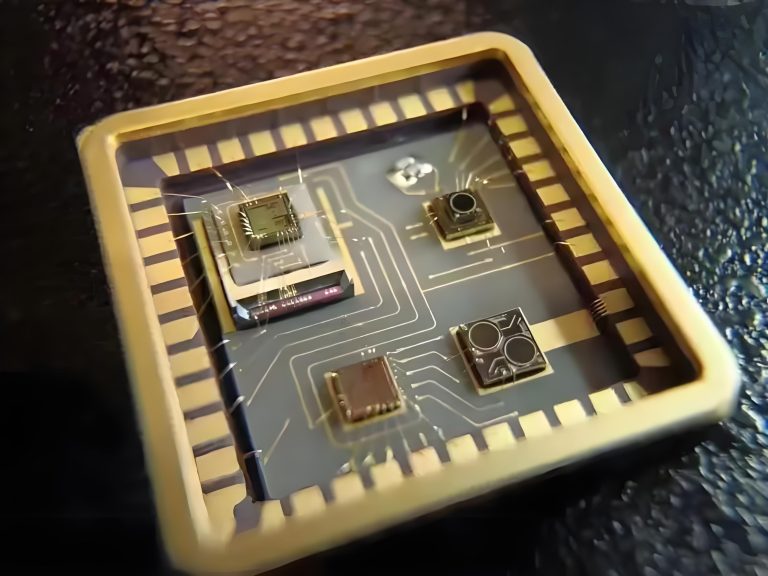
Modified Semi-Added Process abbreviated as mSAP, which can be used on the core or build-up layers, pattern...