
The pressure to move from 800G to a 1.6T Optical Transceiver comes from a practical limit: AI clusters are moving more data between GPUs, switches and storage systems than many existing rack designs were built to handle. Higher aggregate bandwidth can reduce the number of physical links required, but the faster module is only useful when the switch platform, firmware, cabling, cooling and operating procedures are also ready.
800G remains suitable for many deployments. A buyer should not replace it simply because 1.6T is available. The decision depends on current port utilization, expected traffic growth, rack-level power, optical reach and the timing of the next switch cycle.
DEEPETCH supports semiconductor and high-speed communication projects through materials, packaging-related products, optical applications, custom IDM work and chip supply resources. This broader background is relevant because a high-speed optical module must be evaluated as part of a complete electrical, optical, thermal and packaging system.

AI data centers create dense east-west traffic. GPUs exchange model data, gradients and inference results across many devices, while storage and management networks add their own traffic. When cluster size increases, both the number of connections and the volume carried by each connection can rise.
A slow link can delay an entire distributed workload. This makes network oversubscription, port utilization and congestion more important than the advertised speed of a single server or accelerator.
Before considering 1.6T, operators should measure where congestion actually occurs. If the current problem comes from switch architecture, poor traffic distribution or insufficient uplink planning, replacing an 800G module alone will not remove the bottleneck.
A 1.6T Optical Transceiver becomes more relevant when the network needs substantially more bandwidth per port and the next switch generation is designed to support it. The benefit is not merely a higher number on the module. It is the ability to carry more aggregate traffic without multiplying port count and cabling at the same rate.
Port density affects more than available bandwidth. It influences faceplate space, fiber routing, cable bend control, airflow and maintenance access.
A design that relies on a larger number of 800G links may still deliver the required capacity, but it can create more connection points to install, inspect and replace. In a dense rack, those additional links may increase cabling complexity and make fault isolation slower.
Higher-speed ports may reduce the number of physical connections needed for a given bandwidth target. However, this advantage only applies when the transceiver, connector, cable assembly and switch port are qualified as one link.
800G remains a practical choice when current traffic is below the platform limit, the expected growth can be supported through the next hardware cycle and the existing cooling and maintenance plan is stable.
It may also be the safer option when 1.6T switch support, firmware, test tools or replacement inventory are not yet ready. A mature 800G deployment with known operating behavior can carry less procurement and qualification risk than an early migration based only on nominal bandwidth.
The decision should therefore begin with measured workload pressure rather than a general assumption that every AI data center needs the newest module generation.
A 1.6T Optical Transceiver carries twice the aggregate data rate of an 800G module, but the engineering challenge is not limited to bandwidth. Electrical lane architecture, signal integrity, optical reach, FEC, power density, heat flow and packaging stability all become part of the upgrade.
The module must match the electrical interface supported by the target switch. Buyers should confirm the lane architecture, connector, form factor, firmware requirements and port configuration rather than relying on the data-rate label.
A module may power up while still failing to operate reliably under sustained traffic. Recognition by the switch is only the first check. The team must also observe link training, error counters, FEC behavior, alarms and stability across the intended operating conditions.
PCB loss, connector quality, trace length, crosstalk and material selection become less forgiving at higher speeds. A design that passes a short laboratory demonstration may behave differently after it is installed in a hot, fully populated switch.
The required optical reach should be defined before module selection. A link inside a rack, between rows or across a data center campus may require different optical designs and validation evidence.
Buyers should request the tested reach, optical interface, FEC requirement, target error performance and switch platforms used during validation. These items should be recorded by module revision because a result from one switch or firmware version does not automatically apply to another.
Sensitive projects should also identify whether the qualification covered the intended fiber type, connector path and cable assembly. Link performance depends on the complete channel, not only on the transceiver at each end.
Higher bandwidth concentrates more electrical and optical activity near the switch faceplate. The relevant questions are the module’s typical and maximum power, inlet temperature, airflow direction, port population and the temperature reached during continuous traffic.
A single module tested in an open setup does not represent a fully populated switch. Adjacent ports can affect inlet air and local heat concentration. Qualification should therefore reflect the intended port density and airflow plan.
Packaging also affects alignment, heat transfer, mechanical stress and long-term optical stability. DEEPETCH’s optical applications capabilities are relevant to projects that require coordinated discussion of optical devices, materials and packaging conditions.
The correct choice depends on the network lifecycle. Some operators need additional capacity now. Others can continue using 800G while preparing the architecture, cooling and qualification process for a later transition.
Continue with 800G when the existing ports can support forecast traffic, cable density remains manageable and rack-level power is within the operating plan.
800G is also appropriate when the network team has established firmware, spares, test procedures and field experience. These operational advantages can outweigh the unused bandwidth headroom of a newer module.
Teams still evaluating the current generation can review how 800G optical transceivers solve data center challenges, including bandwidth, cabling and deployment considerations.
Start qualification when port count, cable density or required aggregate bandwidth is becoming a deployment constraint. The migration should align with a switch platform that supports the selected module architecture and with a facility plan that can manage the resulting power and heat.
Qualification should begin before the production deployment date. This gives the engineering team time to investigate interoperability, error behavior, thermal performance and replacement procedures without placing a live cluster at risk.
A full migration is not always necessary. Operators can retain 800G in stable parts of the network while qualifying 1.6T for new high-bandwidth tiers or future switch deployments.
A mixed transition reduces the pressure to replace working infrastructure before the operational case is proven. It also gives procurement a clearer view of sample availability, qualification timing and future supply continuity.
DEEPETCH’s communications industry capabilities can support discussions that connect current high-speed communication requirements with the next platform cycle.
A purchase decision should be supported by platform-specific evidence. A general roadmap or successful power-up test is not enough for production approval.
Confirm the target switch model, firmware version, module form factor, electrical interface, optical connector, fiber type and required reach. Record any restrictions on port configuration, breakout operation or cable routing.
The supplier should review these inputs before producing samples. If the project requires a non-standard interface, form factor or thermal design, DEEPETCH’s custom IDM solutions can support coordinated development rather than a catalog-only selection.
Request a qualification sheet identifying the electrical lane architecture, optical interface, supported reach, typical and maximum power, operating temperature range, FEC requirement, tested platform and module revision.
The report should distinguish an engineering sample from a qualified production version. Buyers should also ask whether testing covered continuous traffic, high and low temperature, repeated insertion, alarms, hot-swap behavior and the intended port population.
A common mistake is approving one module in an open laboratory setup and assuming that a fully populated switch will behave the same way. Thermal and traffic conditions should match the deployment closely enough for the result to be meaningful.
Before ordering, agree on sample quantity, engineering review points, qualification stages, production timing and the process for controlling design revisions.
Spare-part planning should begin at the same time. A module generation that is difficult to replace can create an operational risk even when its initial performance is acceptable.
Buyers can submit the platform, reach, temperature, qualification and delivery requirements through the DEEPETCH contact page for technical review.
Stay with 800G when the installed switch platform, available port capacity and rack-level power budget can support expected traffic through the next hardware cycle.
Begin 1.6T qualification when port count, cabling or required aggregate bandwidth is becoming a measurable constraint—not simply because a faster module is available. Before placing an order, confirm platform compatibility, optical reach, maximum power, cooling capacity, FEC requirements, qualification evidence and supply planning.
If these items are not ready at the same time, a mixed 800G and 1.6T transition is safer than a full migration.
No. A 1.6T Optical Transceiver offers more aggregate bandwidth, but 800G may remain more practical when traffic growth, cooling, port density and switch support do not require a migration.
The main risk is treating module availability as proof of deployment readiness. Signal integrity, firmware, FEC, optical reach, power, cooling and full-port operation must all be qualified.
Request the module form factor, lane architecture, optical interface, reach, typical and maximum power, operating temperature, FEC requirement, tested switch platform, module revision and qualification conditions.
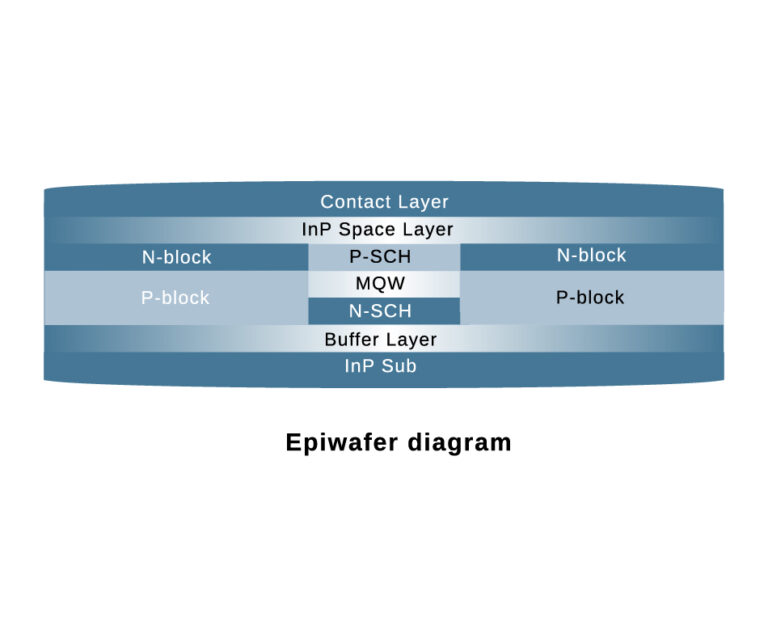
The DE-CW-1310 DFB EPI wafer, a high-performance epitaxial structure designed for distributed feedback (DFB) lasers operating at 1310 nm....
Ceramic thin-filmvacuum sensor Optical gas massflowmeter Liquid mass flowmeter Force sensor MEMS...
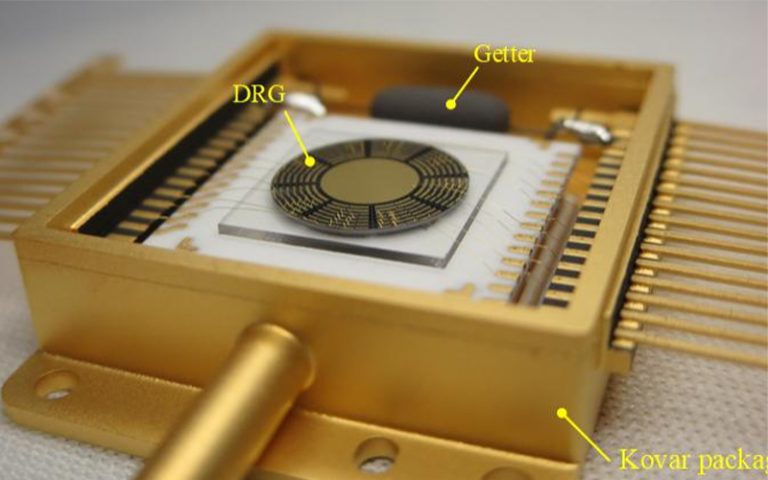
Photoelectric sensing chip Light source chips Optical transmission and modulationchips Optical detection and receptionchips...
Using a“Detach Core”which has two-layers carrier foil structure on the surface as a core, and forming...
Tenting process is a kind of subtractive process, the process as follows: Laminating photosensitive film...
Modified Semi-Added Process abbreviated as mSAP, which can be used on the core or build-up layers, pattern...
Semi-Added Process abbreviated as SAP, using on the build-up-layer pattern forming as follow:First depositing...
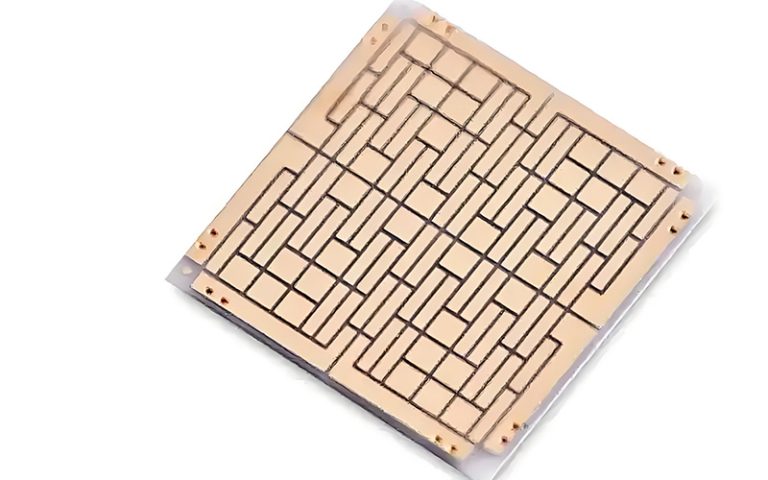
The product generally adopts the pressing lamination process of semi-curing sheets , and line formation...
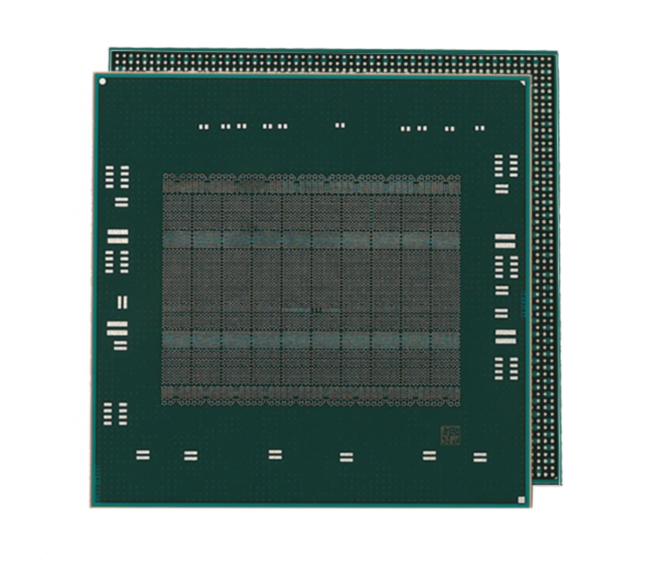
The products generally adopt the Build-up Film Lamination process, and the circuit formation uses the...
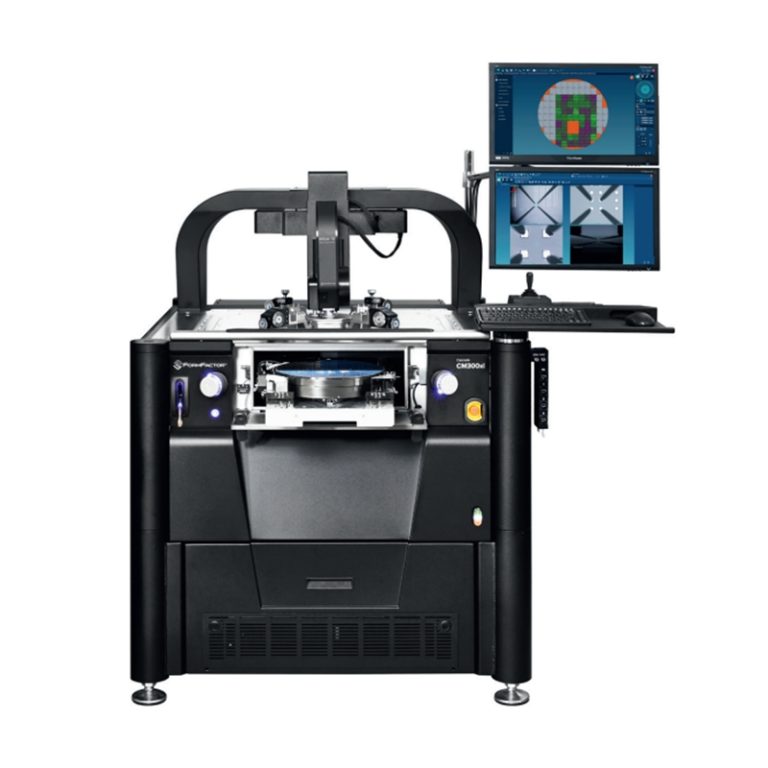
Equipment features: 1. Non-destructive precision testing Micrometer-level probe contact technology...