
Reactive ion etching is often better for routine anisotropic etches, modest rates, and cost-conscious development. ICP etching is usually the stronger choice when the process needs high plasma density at low pressure, faster removal, tighter profile control, or independent tuning of ion density and ion energy. The important point is that “more advanced” does not automatically mean “better.” The right tool is the one whose control architecture matches the film, mask, feature geometry, damage budget, and throughput target.
For process engineers, MEMS teams, photonics developers, and compound-semiconductor fabs, the decision is therefore not RIE versus ICP in the abstract. It is a question of how much control the recipe needs and where the process window is likely to close.
Reactive ion etching is a dry plasma process that removes material through a controlled combination of chemical reactions and directional ion bombardment. Reactive species form volatile products at the exposed surface, while accelerated ions help break bonds and make the etch more anisotropic than a purely chemical process.
In a conventional capacitively coupled RIE system, a single RF source establishes the plasma and develops the substrate bias. That architecture is straightforward and economical, but it also links two variables that an engineer may want to tune separately: how many ions reach the wafer and how much energy they carry.
This coupling is not always a problem. For a mature oxide, nitride, polymer, or metal recipe with adequate selectivity and sidewall control, a simpler control space can be an advantage. There are fewer interacting knobs, qualification can be faster, and maintenance demands may be easier to contain.
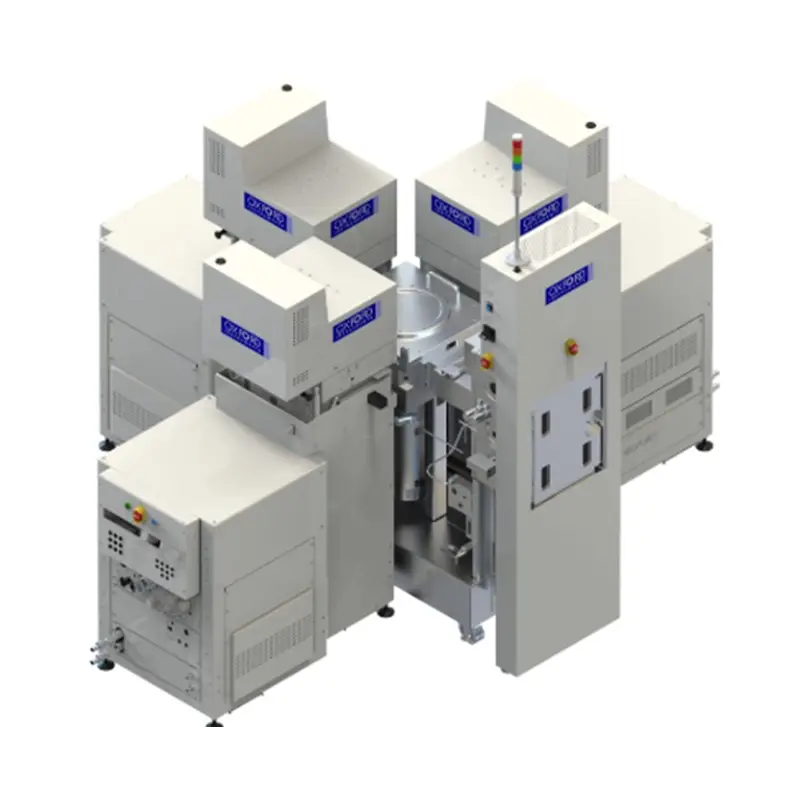
Inductively coupled plasma etching, commonly implemented as ICP RIE, uses an inductive coil to sustain a high-density plasma and a separate RF bias at the substrate. The source power primarily influences plasma density, while the substrate bias primarily influences ion energy at the wafer. That separation is the main reason ICP offers a wider process-tuning window.
An ICP system can maintain a dense population of reactive species at relatively low chamber pressure. Lower pressure increases the mean free path of ions, reducing scattering before they reach the wafer. The result can be more directional ion arrival, better sidewall control, and higher etch rate without relying only on a large bias that may increase damage.
| Decision factor | Conventional RIE | ICP RIE | Why it matters |
| Plasma generation | One RF plasma source | Inductive source plus substrate bias | Determines how independently the process can be tuned |
| Ion density and ion energy | More strongly coupled | More independently controlled | Helps balance rate, damage, selectivity, and profile |
| Typical pressure window | Usually higher | Can sustain dense plasma at lower pressure | Lower pressure can improve directional transport |
| Etch rate | Moderate for many recipes | Often higher for demanding recipes | Changes throughput and thermal load |
| Profile control | Good for established anisotropic etches | Strong for narrow or high-aspect-ratio features | Reduces bowing, taper, and lateral loss when the recipe is well tuned |
| Process complexity | Lower | Higher | Affects development time, maintenance, and operator training |
| Best fit | Routine films and proven recipes | Difficult materials and tight process windows | Aligns capital and process capability with the real requirement |
The table is a selection guide, not a performance specification. Actual rate, uniformity, selectivity, and damage are material- and recipe-dependent and should be confirmed on representative wafers.
The strongest ICP advantage is the ability to increase plasma density without forcing a proportional increase in substrate bias. In practical terms, the engineer can pursue a higher supply of reactive species while keeping ion energy within the material’s damage budget. This is useful for optoelectronic surfaces, compound semiconductors, and structures where excessive bombardment may degrade electrical or optical performance.
The separation also supports more deliberate troubleshooting. If the etch is too slow, source power and chemistry can be investigated without immediately assuming that more bias is the answer. If the profile is undercut or the mask is eroding, pressure, passivation balance, and bias can be adjusted with clearer intent.
At lower pressure, ions encounter fewer gas-phase collisions on the way to the wafer. Their trajectories can remain more vertical, which supports anisotropic profiles. This matters as trenches get deeper, line widths get smaller, or sidewall-angle tolerance tightens.
Low pressure alone does not solve profile defects. Microloading, charging, mask faceting, polymer deposition, and wafer-temperature variation can still distort the result. ICP simply offers more controls for managing them.
High plasma density can produce more radicals and ions, often increasing removal rate. That can improve wafer throughput, but the benefit should be evaluated against selectivity, critical-dimension change, surface roughness, and post-etch residue. A fast etch that consumes the mask or changes device performance is not a productive etch.
An ICP qualification should report rate, uniformity, selectivity, sidewall angle, critical-dimension bias, particles, and a device-relevant damage metric. These measurements turn “better control” into a defensible engineering claim.
RIE is a sensible choice when the process is already stable, the material responds well to a conventional plasma, and the required etch depth does not create an extreme aspect ratio. It is also attractive in R&D environments where tool access, recipe transfer, service capacity, or cost of ownership constrains the project.
Choose conventional RIE first when most of the following are true:
RIE can also be the right baseline even if ICP may later be required. It shows whether the limitation is density, directionality, chemistry, temperature, or mask behavior.
ICP is usually justified when conventional RIE cannot meet two or more critical outputs at the same time. A recipe may achieve the required rate but damage the surface, or deliver a vertical profile but lose too much mask. Independent control becomes valuable when those trade-offs are coupled.
ICP is the stronger starting point when the process involves:
This is why ICP RIE is common in GaN, InP, GaAs, SiC, MEMS, photonics, piezoelectric, and advanced sensor development. The actual material list must still be matched to the chamber configuration and validated recipe set.
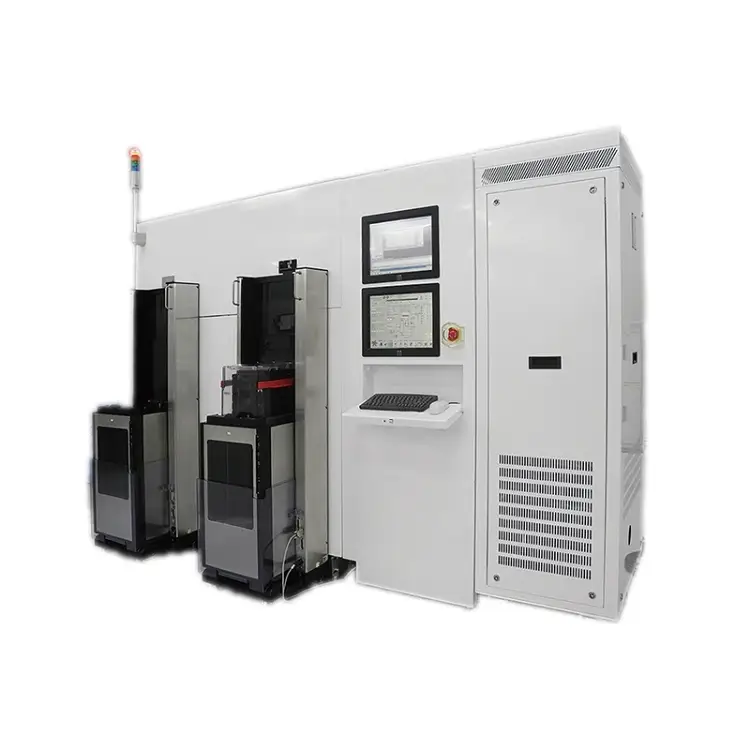
Specify film stack, etch depth, minimum opening, aspect ratio, mask material, incoming topography, and acceptable critical-dimension change. A tool cannot be selected responsibly from the material name alone.
Separate must-pass criteria from preferences. Typical must-pass items include sidewall angle, selectivity, depth uniformity, residue, particle limit, and device damage. Throughput and cost should be included, but they should not quietly replace a device requirement.
Use a short design of experiments around power, pressure, gas ratio, and temperature. If the process window is broad enough, conventional RIE may already be the most economical production answer.
If a rate increase also raises damage, or if greater directionality consumes the mask, note the mechanism. This is the evidence that supports moving to ICP rather than simply adding recipe complexity.
Use the same stack, pattern density, feature sizes, and metrology plan on both platforms. Blanket-wafer rate alone cannot predict loading or device impact.
Do not select from one “best” run. Compare multiple wafers, chamber seasoning states, center-to-edge locations, and reasonable input variation. A slower process with a wider window can produce better factory economics.
Account for chamber cleaning, consumables, RF matching stability, endpoint capability, wafer cooling, automation, preventive maintenance, and recipe transfer. The process that wins in a lab demonstration must still survive production scheduling.
The DEEPETCH ICP RIE system is presented for III-V and metal etching with 4-, 6-, and 8-inch wafer compatibility. DEEPETCH lists SiC, Si₃N₄, AlScN, AlN, Mo, and PZT among the supported materials and describes programmable parameters, process monitoring, and real-time data acquisition. Those capabilities align with projects that need a broad research and compound-semiconductor process window.
For metal-oriented dry etching, the DEEPETCH Deep RIE system page lists 6- and 8-inch wafers, controllable aluminum-interconnect sidewall angle, an etch rate above 1 μm/min, uniformity of no more than ±3%, fewer than 10 particles per wafer, and cassette-to-cassette operation. These are supplier-stated system figures; a purchasing team should confirm the applicable material, recipe, wafer condition, and acceptance test before treating them as guaranteed production results.
Not every pattern needs plasma etching. DEEPETCH also provides wet etching equipment for compatible silicon, dielectric, and metal processes, and its semiconductor manufacturing process overview helps place etching within the wider wafer flow. The comparison should therefore include the simplest process that can meet geometry, selectivity, cleanliness, and safety requirements.
ICP etching is commonly implemented as a form of reactive ion etching, but it adds an inductive plasma source. Conventional RIE typically uses one RF source for both plasma generation and substrate bias. ICP RIE separates the high-density plasma source from the wafer bias, creating a wider tuning space for rate, profile, selectivity, and damage.
ICP often supports a higher etch rate because it can generate a denser plasma, but rate depends on chemistry, material, pressure, temperature, loading, and bias. A higher rate is only useful if the recipe also meets selectivity, profile, residue, roughness, and damage limits. The result must be measured on representative patterned wafers.
Both processes can be anisotropic. ICP often provides stronger control for demanding profiles because dense plasma can be sustained at lower pressure while ion energy is tuned separately. Conventional RIE can still produce excellent anisotropy for established film stacks and moderate geometries. Feature depth, mask behavior, and passivation chemistry determine the practical winner.
Conventional RIE is generally simpler and may have lower acquisition and operating complexity. ICP can justify its higher system and process complexity when it improves yield, shortens a long etch, or enables a profile that RIE cannot hold. A fair cost comparison uses cost per accepted wafer, not equipment price alone.
Send the complete film stack, wafer size, target depth, minimum opening, aspect ratio, mask type and thickness, sidewall target, selectivity requirement, acceptable damage, rate and uniformity targets, loading pattern, and planned metrology. Photos or cross-sections of the current result are especially useful for identifying the actual process limitation.
Reactive ion etching is the practical choice for many proven, moderate-rate anisotropic processes. ICP etching becomes more valuable as the process needs independent control of plasma density and ion energy, low-pressure directionality, higher throughput, or a tighter balance between damage, selectivity, and profile.
The best decision comes from matched test structures and ranked acceptance criteria. If the process window is still unclear, contact DEEPETCH with the film stack, geometry, mask, and target metrics so the equipment and recipe discussion begins with measurable requirements.
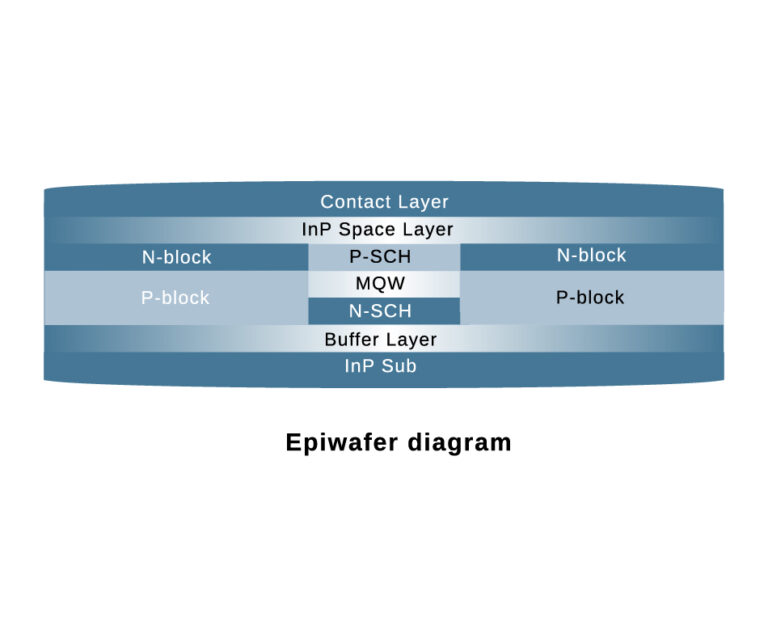
The DE-CW-1310 DFB EPI wafer, a high-performance epitaxial structure designed for distributed feedback (DFB) lasers operating at 1310 nm....
Ceramic thin-filmvacuum sensor Optical gas massflowmeter Liquid mass flowmeter Force sensor MEMS...
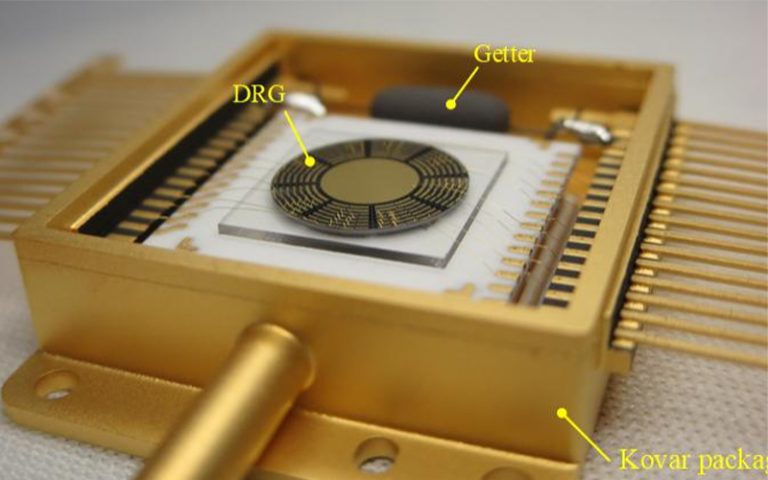
Photoelectric sensing chip Light source chips Optical transmission and modulationchips Optical detection and receptionchips...
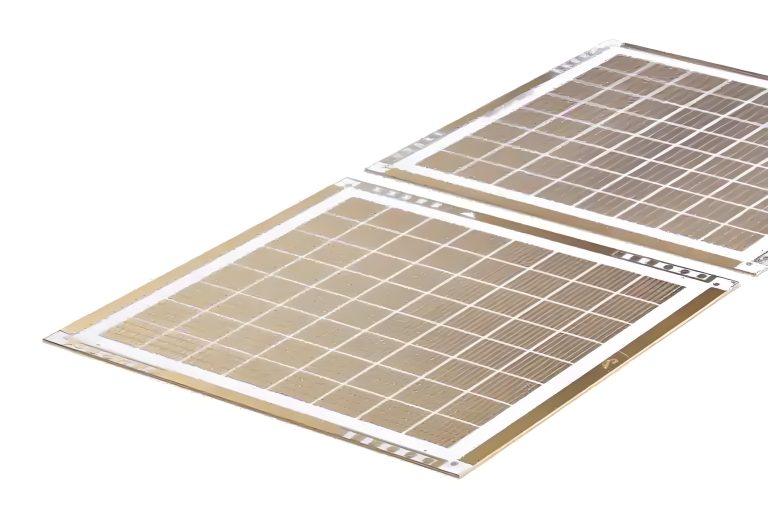
Using a“Detach Core”which has two-layers carrier foil structure on the surface as a core, and forming...
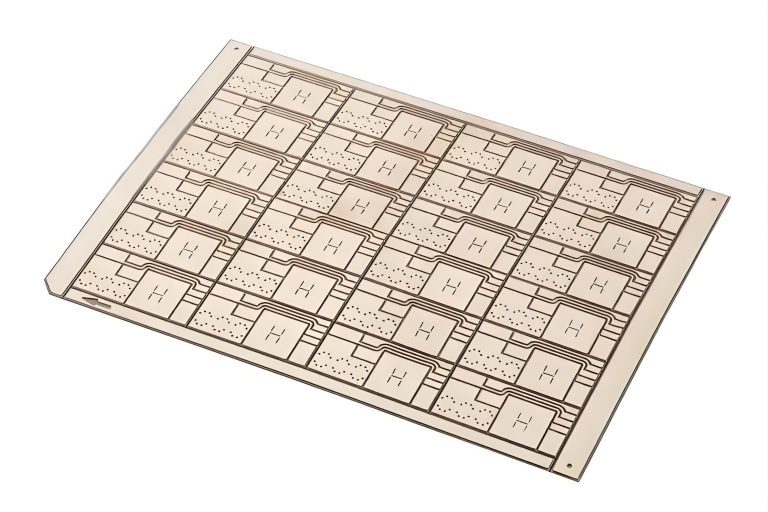
Tenting process is a kind of subtractive process, the process as follows: Laminating photosensitive film...
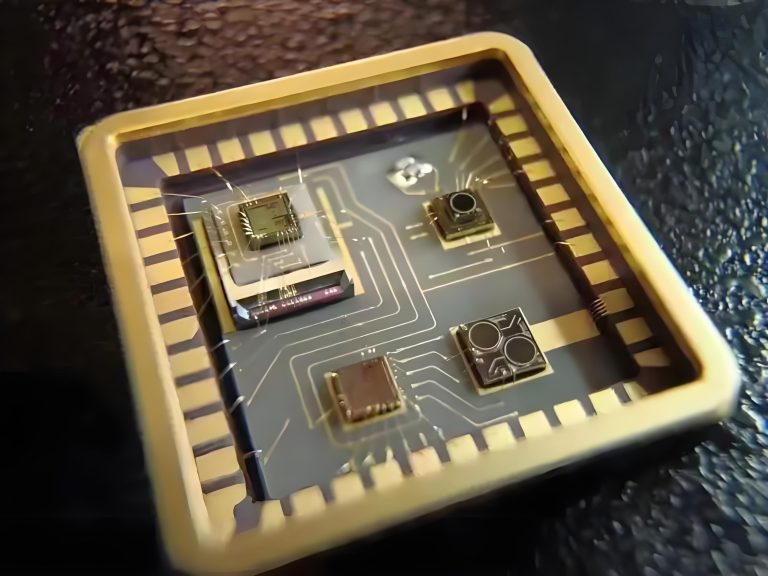
Modified Semi-Added Process abbreviated as mSAP, which can be used on the core or build-up layers, pattern...
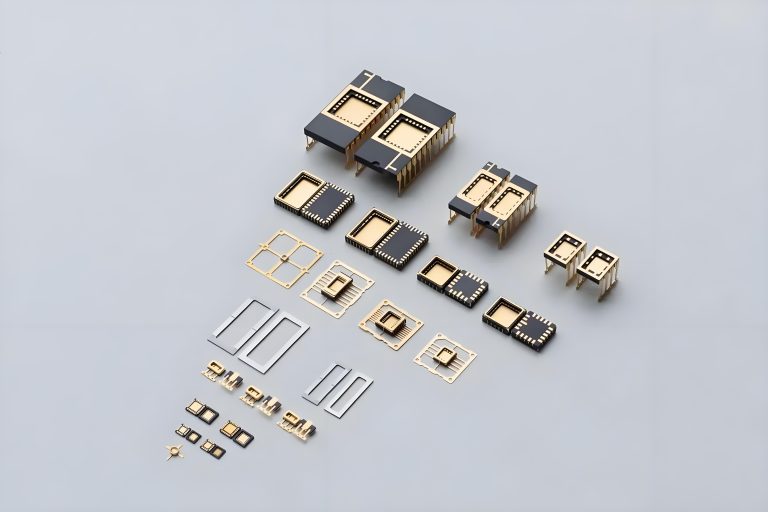
Semi-Added Process abbreviated as SAP, using on the build-up-layer pattern forming as follow:First depositing...
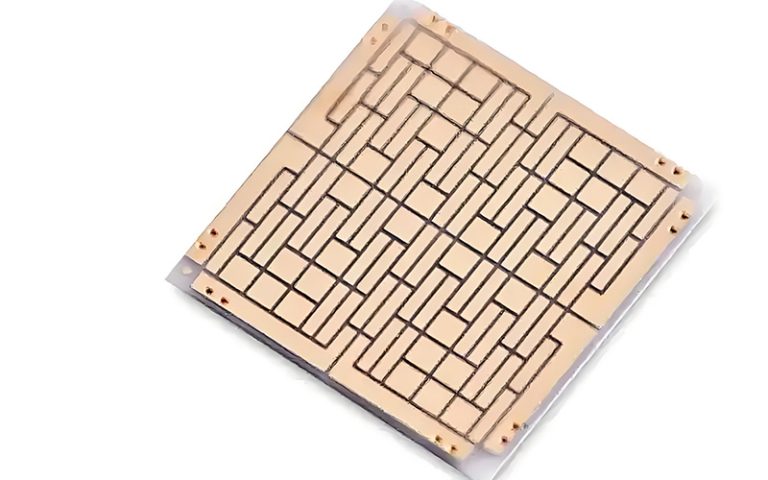
The product generally adopts the pressing lamination process of semi-curing sheets , and line formation...
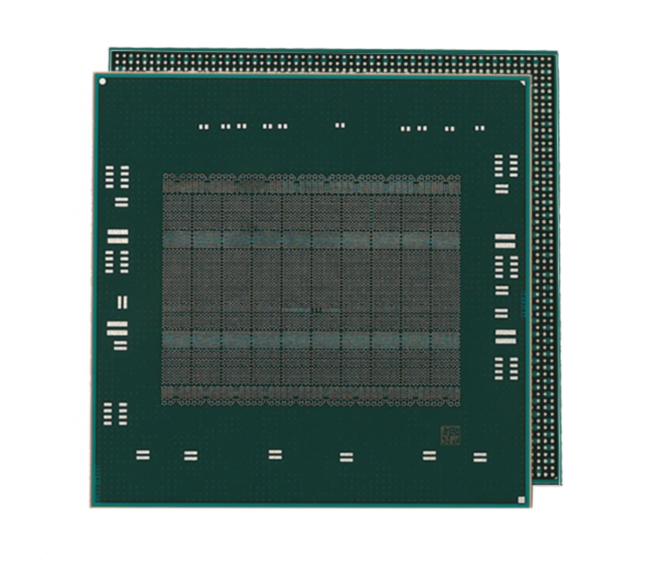
The products generally adopt the Build-up Film Lamination process, and the circuit formation uses the...
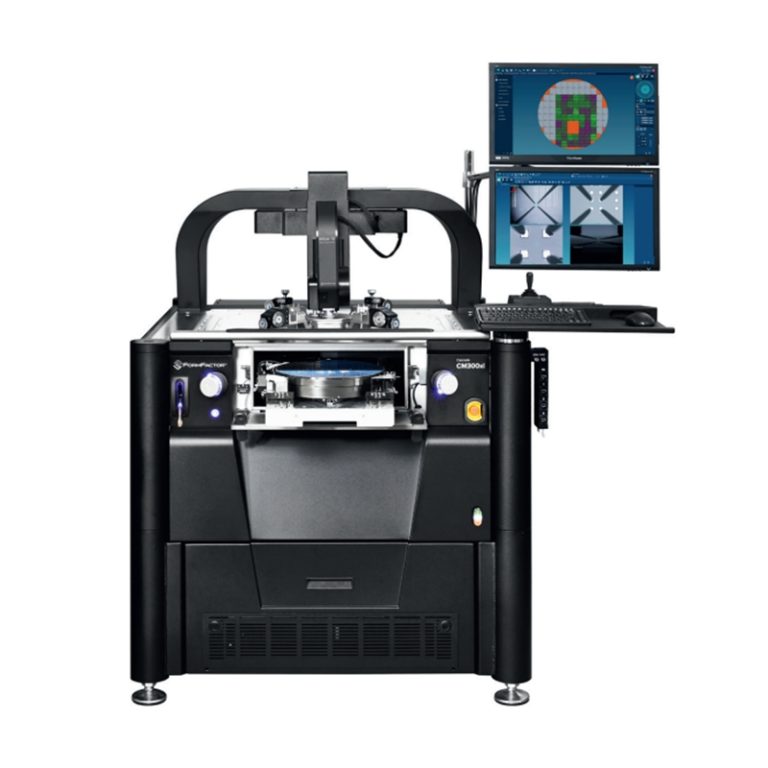
Equipment features: 1. Non-destructive precision testing Micrometer-level probe contact technology...