
In today’s fast-moving digital world, the way data travels defines the strength of every data center. High-speed optical communication has become the lifeline that allows cloud services, AI systems, and real-time applications to function without delays. Without these systems, modern computing would slow down and many industries would feel the impact. If you look at companies that lead in this space, DEEPETCH stands out. This is not just another equipment supplier; it is a highly specialized developer of ceramic semiconductor packaging solutions that have earned global recognition. Their IDM model combines in-house design and production, which makes their supply chain more secure for customers. The company’s profile highlights years of experience in high-reliability packaging for aerospace, defense, automotive, and advanced communication fields. For clients that want ready-to-use components, they also provide chips in stock for faster delivery. On top of this, product lines like the Sensor chip series and Customizable sensor series show their depth in sensor technologies, which are essential for stable optical communication in data centers, especially when integrated with optical modules and fiber optic patch cables.

Data centers are built to handle rising demand, but copper wiring no longer keeps up with today’s workloads. Applications in AI, 5G, and streaming services need speed and reliability that only optical links, , supported by optical modules, can deliver.
Traffic keeps climbing as cloud storage, video, and enterprise tools expand. Optical channels, connected via fiber optic patch cables, give you higher bandwidth without the limits of traditional wiring, so your system avoids bottlenecks even at peak times.
Small delays can disrupt trading systems, AI inference, or large simulations. Optical lines cut this delay by transmitting signals faster with fewer errors. This improves the response times that customers notice in daily use.
Copper lines waste energy as heat. In dense server racks, that heat builds quickly. Optical systems consume less power per bit, which reduces both your energy bills and your cooling challenges.
Optical signals travel as light, but they are fragile. They need accurate monitoring to stay clear and stable. This is where sensor chips come in.
Sensors measure the strength and clarity of light pulses in optical modules. By spotting signal shifts early, they allow your systems to correct problems before users notice performance drops.
Heat can alter how fibers and circuits behave. Sensor chips detect these changes so that the system can adapt, preventing errors during heavy workloads or sudden spikes in activity.
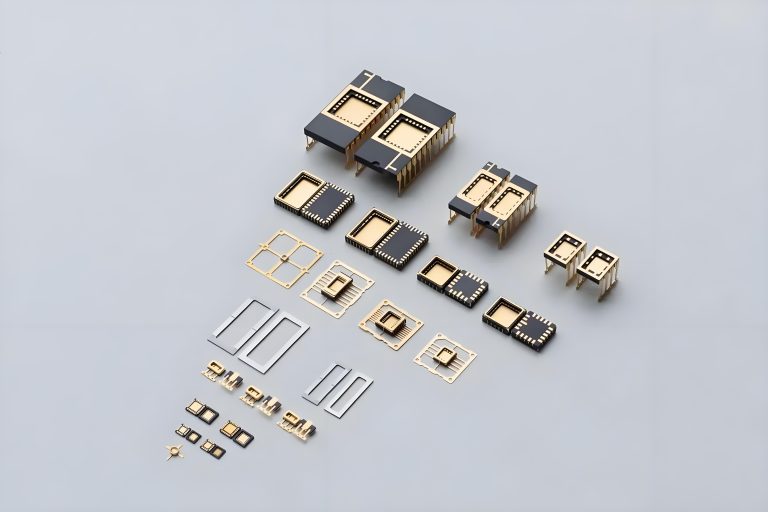
Many sensors are enclosed in ceramic-based housings that protect against stress and dust. This packaging extends the service life of devices that need to run nonstop.
The Sensor chip series of DEEPETCH is designed to strengthen optical communication by combining accuracy with durability.
These chips capture even weak signals, which means data stays intact during long-distance transfers. This prevents losses that could otherwise require retransmission and waste bandwidth.
The chips are used inside optical transceivers that link network layers. Their versatility allows them to be applied across multiple systems without compatibility problems.
Even in demanding environments such as telecom hubs or industrial centers, these chips show stable performance. That reliability supports your long-term data operations.
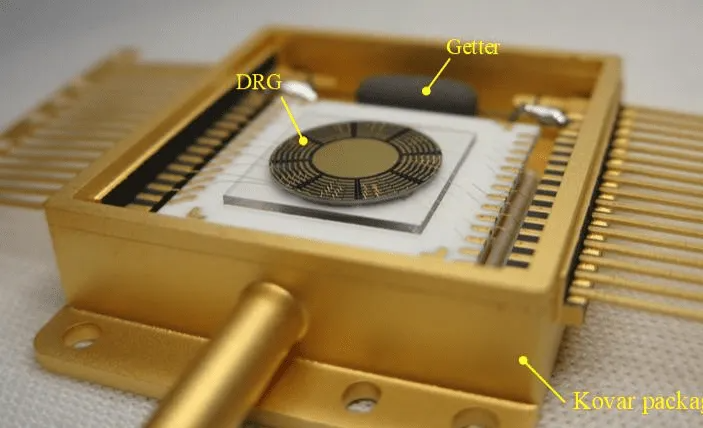
Standard products meet most needs, but some systems require tailored solutions. DEEPETCH’s Customizable sensor series gives you that flexibility.
These sensors can be adapted to your system’s exact requirements, which helps reduce design conflicts and keeps integration smoother.
Custom models allow for different interfaces and signal paths, making them suitable for varied boards and communication setups.
Investing in tailored sensors today can save redesign costs tomorrow, since the components can expand with your data center’s growth.
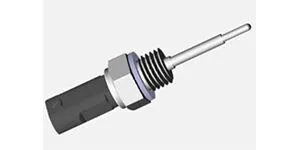
Optical systems bring several advantages that directly affect your business performance.
By keeping connections shorter and clearer, optical systems deliver data at the speed modern services require.
Energy savings from optical systems add up quickly when you process billions of transactions or transfers every day.
Reliable links mean fewer disruptions. This protects both your reputation and your customer relationships.
Data center design keeps evolving, and optical communication is at the heart of this shift.
AI training requires large volumes of data moving in real time. Optical systems keep those processes efficient, while edge nodes depend on fast connections back to core centers.
New designs integrate optics closer to the processor, reducing distance and boosting performance. Ceramic-based packaging helps maintain precision and stability through these shifts.
Work is underway on stronger materials for interposers and bonding, so future systems can handle tougher demands without breaking down.
Q1: Why is high-speed optical communication better than copper wiring?
A: Optical systems carry more data faster with lower heat and fewer errors than copper.
Q2: How do sensor chips improve optical communication?
A: They monitor signal clarity, stabilize performance under heat, and protect long-term reliability.
Q3: What industries gain the most from optical communication in data centers?
A: Cloud services, AI centers, financial platforms, and telecom systems benefit most.
Q4: Are customizable sensor chips useful for all businesses?
A: They are most useful when your system has unique designs or when you expect large growth in demand.
Q5: What future trends will shape optical communication?
A: AI process control, co-packaged optics, and stronger packaging materials will drive the next stage.
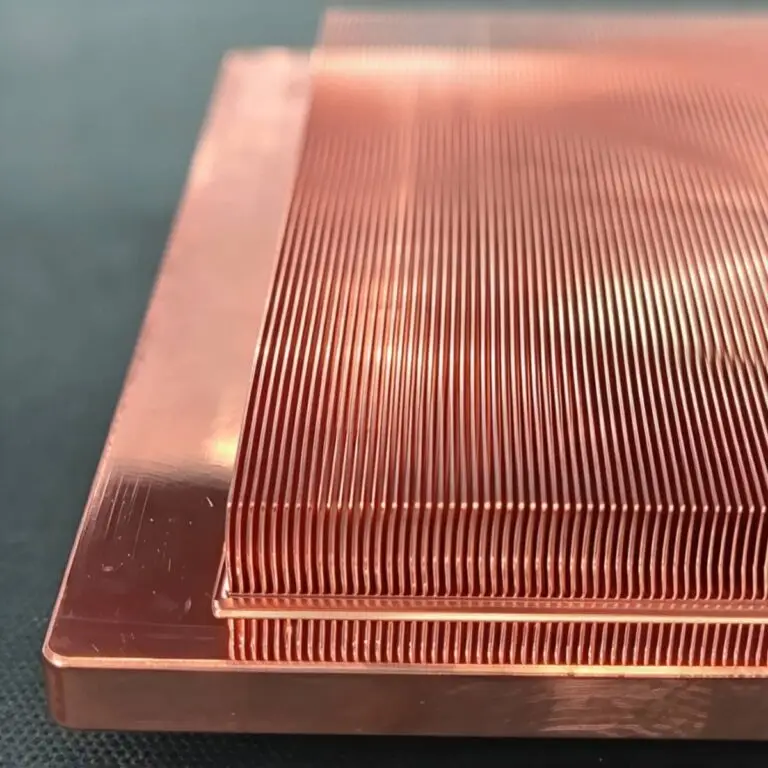
Diamond-Copper Thermally Conductive Composite. High thermal conductivity, tunable CTE, robust.
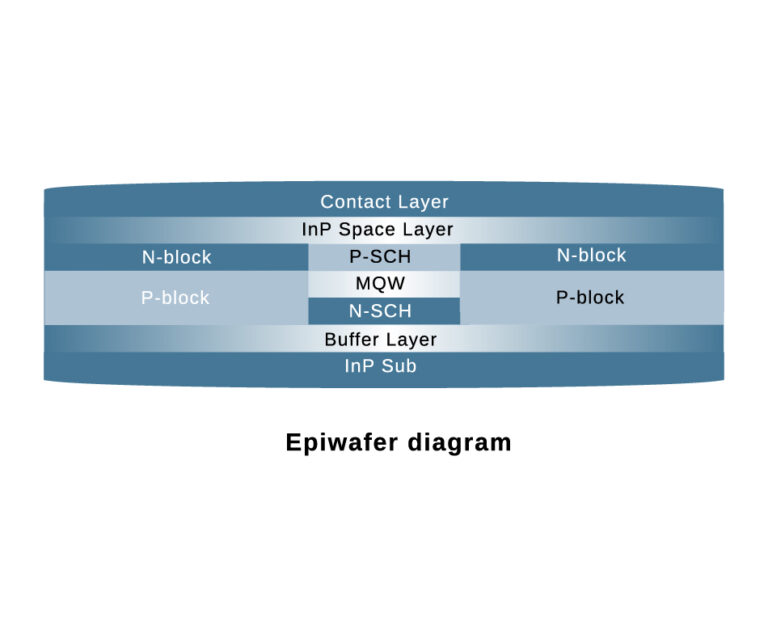
The DE-CW-1310 DFB EPI wafer, a high-performance epitaxial structure designed for distributed feedback (DFB) lasers operating at 1310 nm....
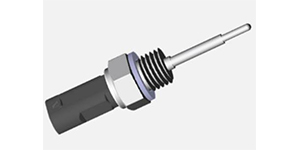
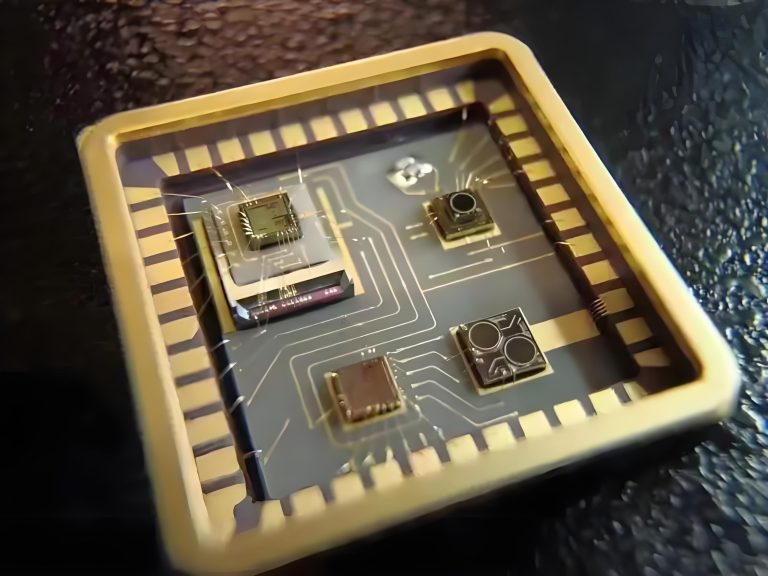
Ceramic thin-filmvacuum sensor Optical gas massflowmeter Liquid mass flowmeter Force sensor MEMS...
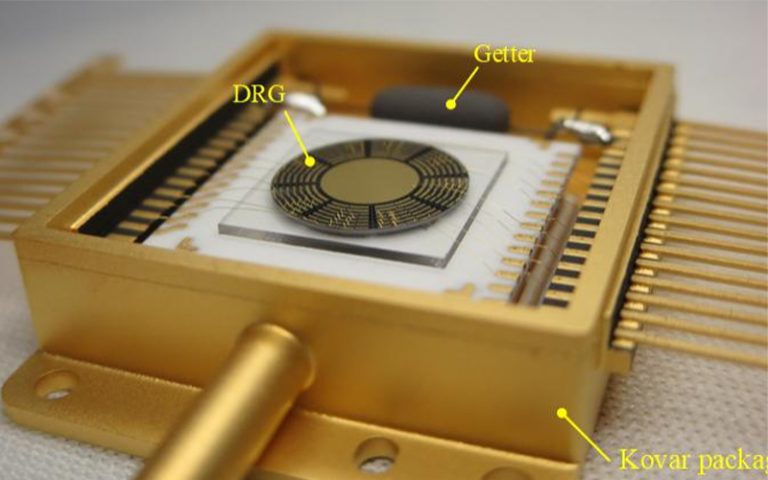
Photoelectric sensing chip Light source chips Optical transmission and modulationchips Optical detection and receptionchips...
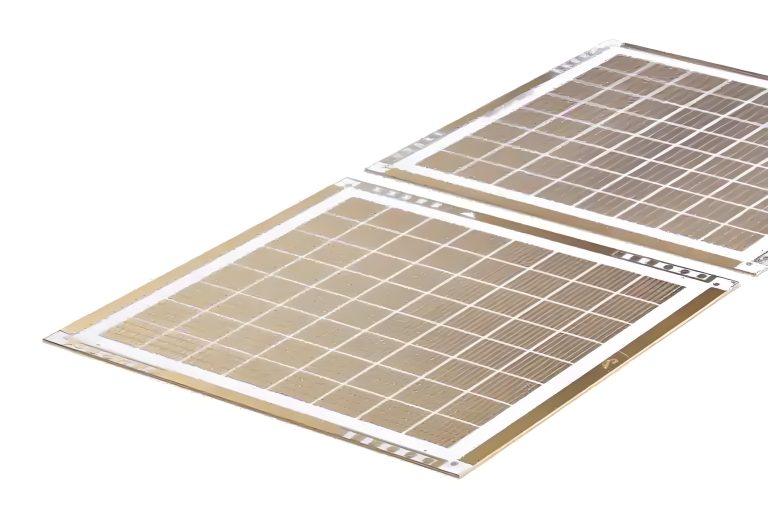
Using a“Detach Core”which has two-layers carrier foil structure on the surface as a core, and forming...
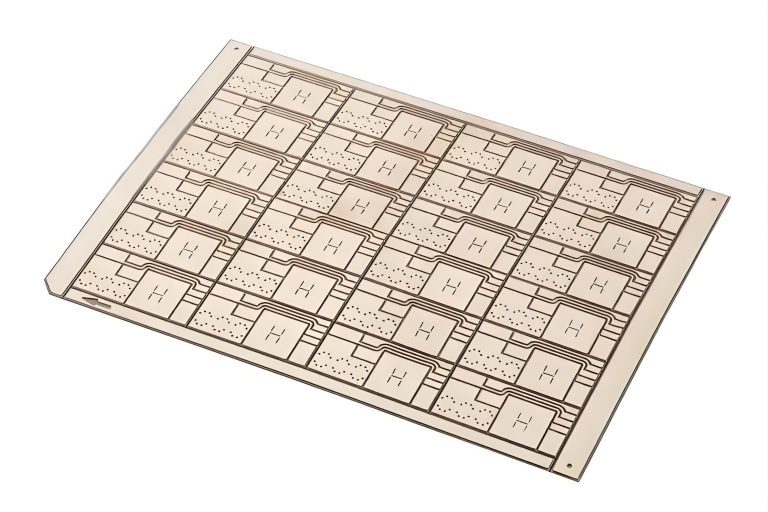
Tenting process is a kind of subtractive process, the process as follows: Laminating photosensitive film...
Modified Semi-Added Process abbreviated as mSAP, which can be used on the core or build-up layers, pattern...
Semi-Added Process abbreviated as SAP, using on the build-up-layer pattern forming as follow:First depositing...
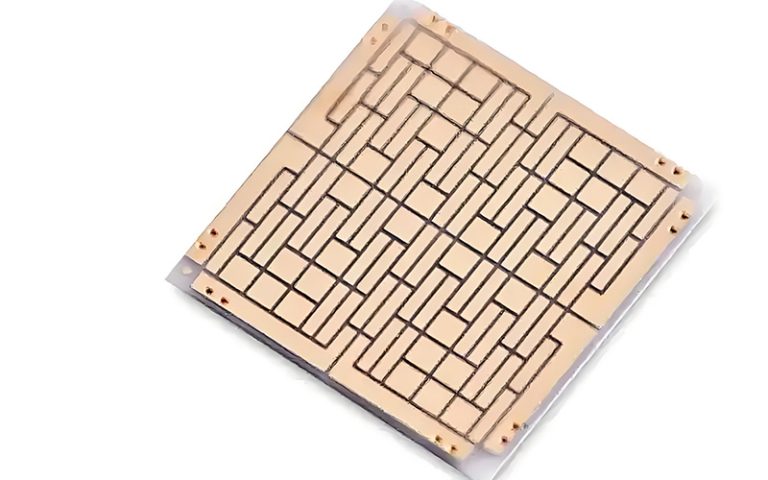
The product generally adopts the pressing lamination process of semi-curing sheets , and line formation...
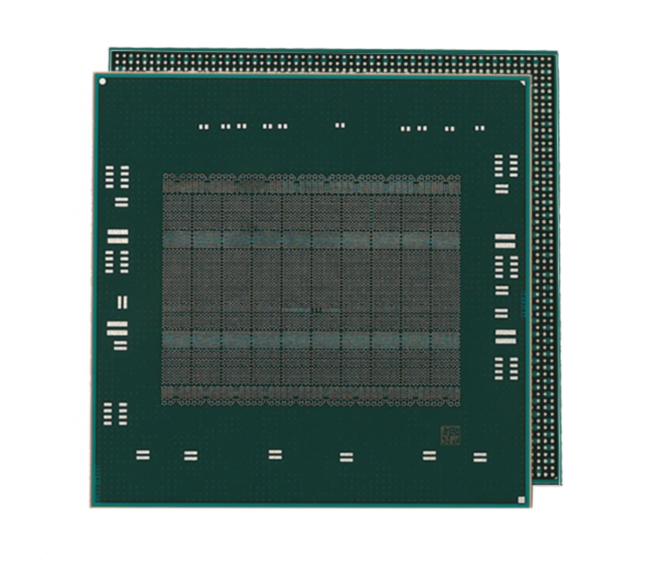
The products generally adopt the Build-up Film Lamination process, and the circuit formation uses the...